

A Historical In-depth Discovery of Trade in West Africa Since 1896
Here’s what you need to know:
- Tanzania nationalized all commercial banks overnight under the February 1967 Arusha Declaration — Barclays’ entire Tanzanian operation, 28 offices including 12 full branches, passed immediately to the state-owned National Bank of Commerce, with Barclays privately estimating its exposed deposits at just £650,000, a figure Tanzanian negotiators disputed.
- Nigeria’s process ran in the opposite direction entirely: gradual, negotiated, and drawn out over two decades — the federal government didn’t even take a controlling interest in Barclays’ Nigerian subsidiary until 1976, the bank wasn’t renamed Union Bank until March 1979, and Barclays didn’t fully divest its remaining 20% stake until 1989.
- The scandal, worth asking directly: after twenty-two years of gradualism, did Nigeria actually end up with more genuine local control than Tanzania achieved in a single declaration — or did the extra two decades mainly just delay the same eventual, still-partial outcome?
One country nationalized its entire banking sector in a single declaration. The other took twenty-two years, three separate decrees, and multiple renegotiated ownership percentages to arrive at a still-incomplete version of the same outcome.
The Overnight Model, The Gradual Model, and What Each Approach Actually Delivered.
The Overnight Model: What Tanzania Actually Did
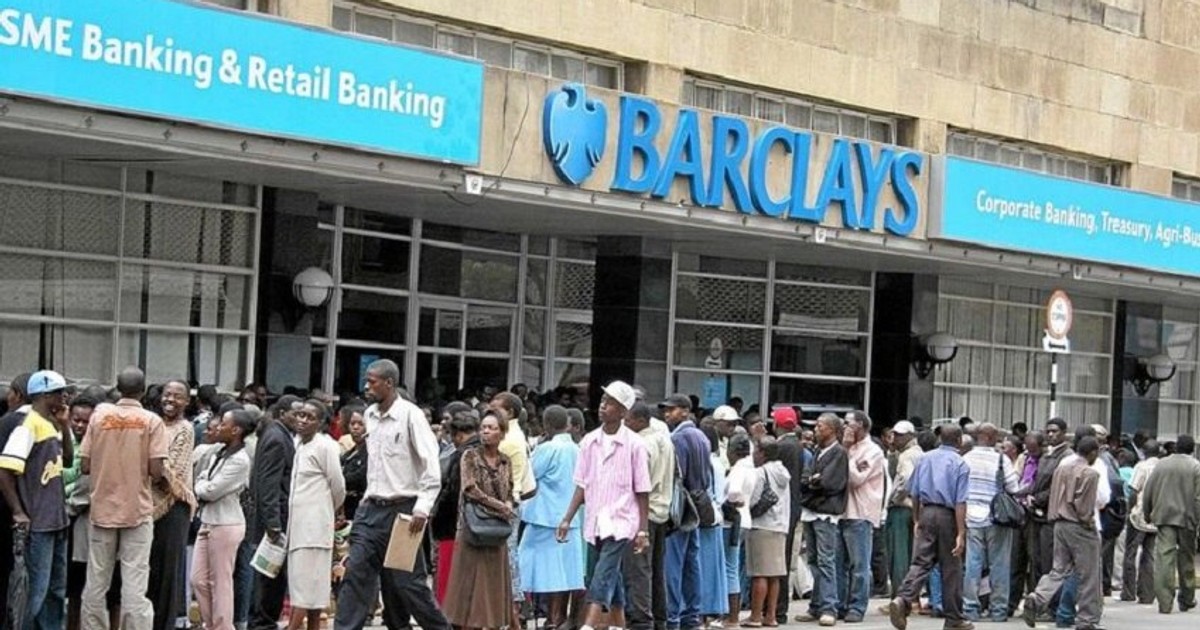
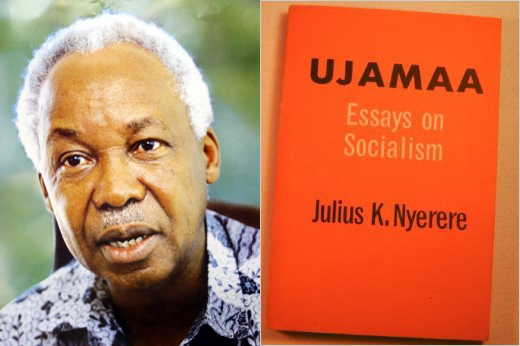
The Arusha Declaration’s banking provisions are worth explaining directly, since it’s worth understanding the scale of what Nyerere’s government actually did. The February 5, 1967 declaration articulated Ujamaa, a form of African socialism built around self-reliance and reduced foreign economic dominance, and its nationalization program included all commercial banks operating in Tanzania that same year.
It’s worth understanding why full nationalization moves so much faster than negotiated indigenization. Nationalization is a unilateral act of state power — a government simply declares ownership transferred, with compensation terms settled afterward, if at all — while negotiated indigenization requires an ongoing back-and-forth process between the state and the foreign company’s own shareholders, creating far more opportunities for delay, renegotiation, and partial compliance at every stage.
The specific scale of what changed hands is worth bringing in directly. Barclays’ entire Tanzanian business — 28 offices, including 12 full branches — passed immediately to the state-owned National Bank of Commerce, alongside the holdings of six other foreign banks operating in the country at the time.
The Compensation Fight Underneath the Speed
The contested compensation negotiations are worth introducing directly, since it’s worth understanding that “overnight” didn’t mean uncontested. Barclays claimed its exposed London holdings of funds belonging to Tanzanian depositors amounted to only £650,000 — a figure Tanzanian negotiators directly disputed as understated.
The actual settlement figure is worth bringing in directly, since it’s worth having on record. A Tanzania Standard report from December 22, 1967 documented a £300,000 bank compensation settlement, well below what full restitution of the bank’s actual Tanzanian assets would have represented.
The British government’s own documented role in strengthening the banks’ negotiating position is worth noting, since it’s worth including as a serious institutional detail. Peer-reviewed research specifically found that “the negotiating position of the British banks was further strengthened by the overt and covert support they received from the British Government” during these compensation talks.

The Gradual Model: What Nigeria Actually Did, Step by Step
Nigeria’s own multi-stage timeline is worth bringing in directly, since it’s worth laying out the full sequence precisely. The 1969 Banking Decree first required all banks to incorporate locally in Nigeria and publish audited accounts domestically; the 1972 Nigerian Enterprises Promotion Decree began requiring foreign firms to add Nigerian ownership; the federal government didn’t take a controlling interest in Barclays’ Nigerian subsidiary until 1976, leaving Barclays with a 40% stake even at that point.
There’s a specific renaming and further dilution worth noting directly. The bank’s name only changed to Union Bank of Nigeria on March 12, 1979, with Barclays’ remaining interest reduced further to just 20% at that point — meaning Barclays still held a meaningful ownership stake in an institution now bearing an entirely Nigerian name.
The final exit date is worth bringing in directly, since it’s worth stating precisely how long this process actually took start to finish. Barclays did not fully dispose of its remaining minority interest until 1989 — twenty years after the 1969 Banking Decree first began the indigenization process, and twenty-two years after Tanzania completed its own nationalization in a single year.
The Myth vs. The Reality
| What people assume | What actually happened |
| Tanzania’s nationalization of Barclays represents a clean, one-time transfer of full local control | Even this “overnight” transfer involved a disputed compensation settlement of just £300,000 against Barclays’ own claimed £650,000 in exposed deposits, backed by documented British government support for the bank’s negotiating position |
Nigeria’s gradual, negotiated indigenization process delivered meaningfully faster or more complete local ownership than Tanzania’s approach | Nigeria’s process took twenty-two years from its 1969 Banking Decree to Barclays’ full 1989 divestment |
| The bank became fully Nigerian-owned as soon as it was renamed Union Bank in 1979 | Barclays retained a 20% ownership stake even after the bank carried an entirely Nigerian name |
| Tanzania’s nationalization happened in 1969 | It occurred in 1967, under the Arusha Declaration |
Close: Two Roads, One Similarly Incomplete Destination
Tanzania and Nigeria took genuinely opposite approaches to reclaiming control over the same colonial-era bank, and both approaches ended up shortchanged in their own specific way — Tanzania traded speed for a disputed, underpaid settlement backed by British diplomatic pressure, while Nigeria traded patience for two full decades of continued, if gradually shrinking, foreign ownership.
This comparison sits naturally alongside this blog’s earlier coverage of Barclays DCO’s founding as an explicitly Britain-serving “empire bank” — whichever path a former colony chose to reclaim control over that institution, the process of actually getting there proved considerably harder, and considerably more compromised, than either country’s own founding rhetoric about economic independence initially suggested.
Sources and further reading.