

A Historical In-depth Discovery of Trade in West Africa Since 1896
Here’s what you need to know:
- Blaise Diagne International Airport’s original construction, launched in 2007 under President Abdoulaye Wade with a planned 30-month timeline, actually took roughly a decade to complete, including a contractor dispute that forced the replacement of Saudi Arabia’s Bin Laden Group with Turkish firms Limak and Summa in 2016.
- In July 2025, Senegal launched a new cargo hub expansion aiming to double the airport’s freight handling capacity to 80,000 tonnes annually by 2028 — even as the airport handled just 39,922 tonnes in 2024, well under its existing capacity.
- The scandal: industry data recorded an actual decline in air freight volumes at the airport during the first half of 2025, the same period this ambitious capacity-doubling expansion was being publicly launched.
Senegal announced plans to double its main airport’s cargo capacity in the same year industry data showed that airport’s actual freight volumes going down, not up.
Section One: Promised
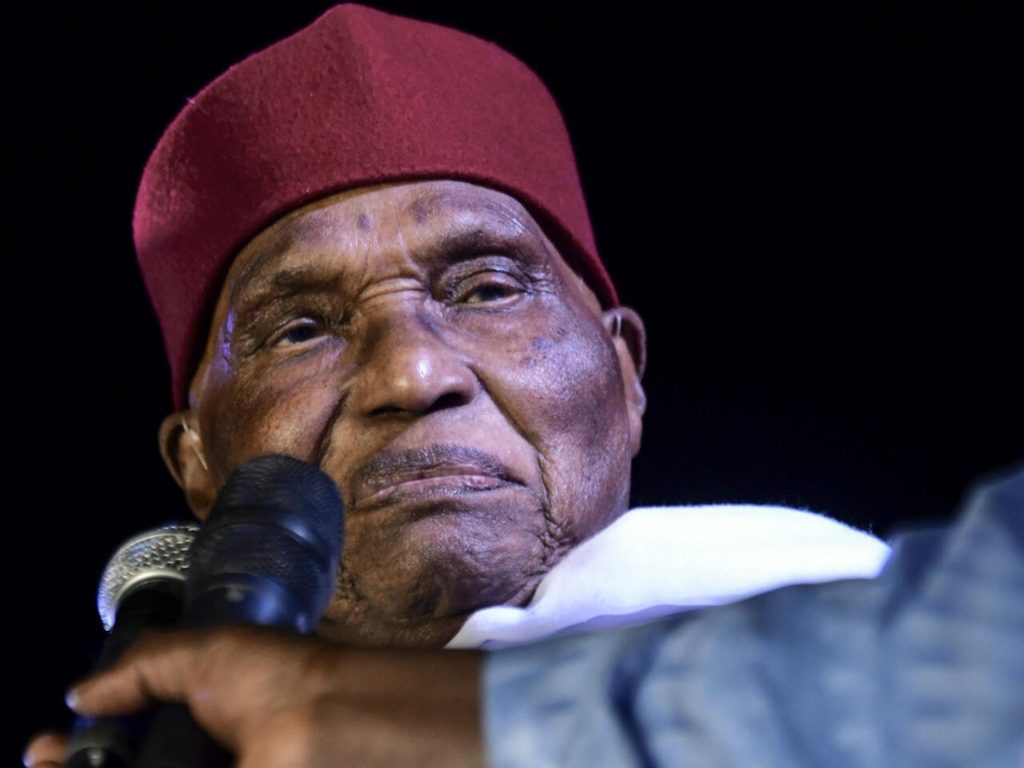
The airport’s original construction history is worth bringing in directly, since it’s worth understanding the pattern this new expansion follows. Construction of Blaise Diagne International Airport began in April 2007 under President Abdoulaye Wade, originally planned to take approximately 30 months, at an initial estimated cost that different sources place between $450 million and $767 million.
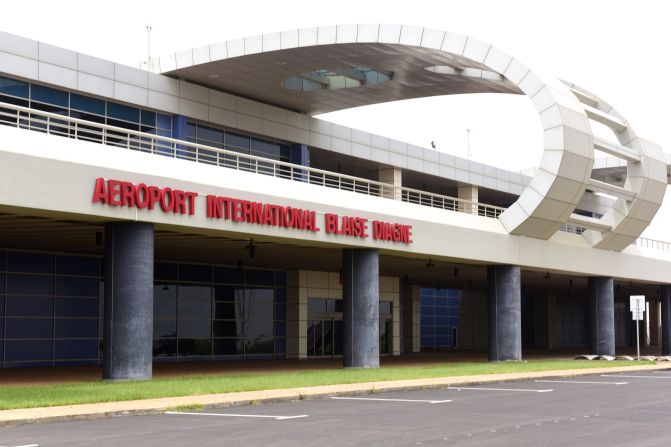
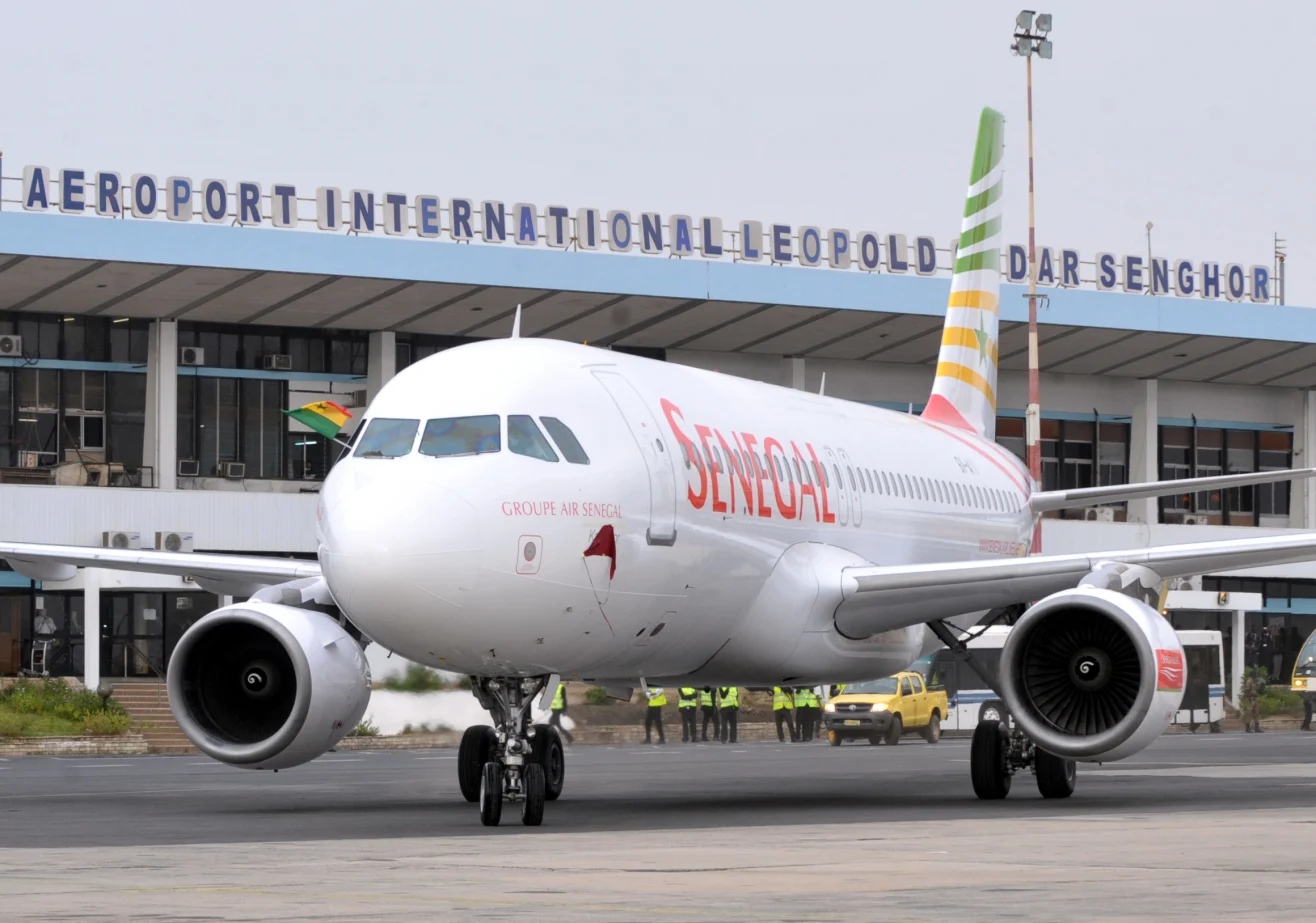
It’s worth explaining why Senegal needed a new airport at all, since it’s useful context. The previous Léopold Sédar Senghor International Airport sat just 9 kilometres from downtown Dakar, creating congestion and expansion limits, and had already exceeded its intended lifespan by the time the new airport was being planned.
The current cargo hub expansion’s own stated targets are worth noting, since they’re the promise this piece checks. Launched as part of Senegal’s Air Hub Strategic Plan, the project aims to double cargo handling capacity to 80,000 tonnes annually, with construction of a new freight terminal beginning in 2026 and operations expected to commence by 2028.
Section Two: Delivered So Far
The actual completion timeline of the original airport project is worth bringing in directly, since it shows real delay before this new expansion even entered the picture. After the initial 30-month plan, the project faced a major contractor dispute, resulting in Saudi Arabia’s Bin Laden Group being replaced by Turkish firms Limak and Summa in 2016 — with the airport ultimately not opening until years after its original target.
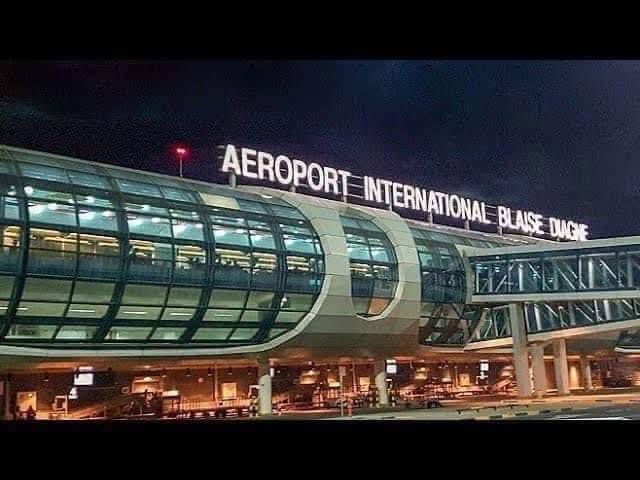
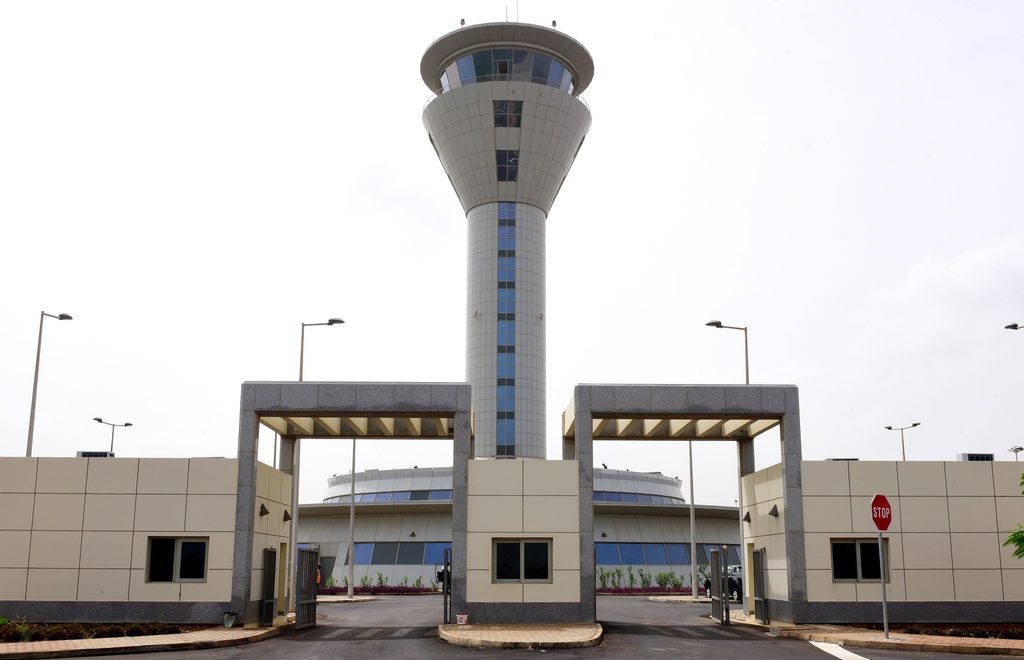
The airport’s genuine operational achievements since opening are worth noting, since real success has followed the delayed start. Blaise Diagne now handles around 4 million passengers annually and was named “Best Airport in West Africa” by the Airport Council International.
The current expansion’s actual preparatory steps are worth bringing in, since real institutional groundwork has begun. Senegal secured funding and began planning in 2024, with the Air Freight Committee at Senegal’s civil aviation authority, ANACIM, holding stakeholder meetings in February 2025 to address project details and sector challenges.
Section Three: Still Pending
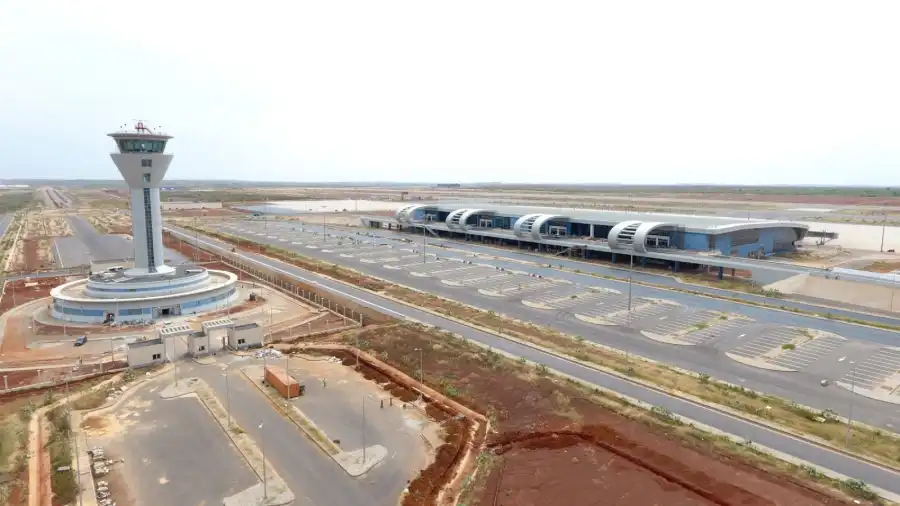
What the current timeline actually requires is worth explaining, since the expansion is still years from completion. Construction of the new freight terminal isn’t scheduled to begin until 2026, with operations not expected until 2028 — meaning the “expansion” this essay’s topic describes is, as of the most recent reporting, still substantially in the planning and pre-construction phase.
The airport’s own ownership and concession structure remains under review, worth noting since it adds institutional uncertainty to the picture. The 25-year build-operate-transfer concession granted to LAS SA — a joint venture between AIBD SA and Turkish firms Limak and Summa — was, as of early 2025, under government review as part of broader aviation sector reforms, meaning the operational framework governing this expansion wasn’t even fully settled as the project was announced.
The Scandal: The Red Flags
Here’s the piece’s central and most striking finding. Industry tracking specifically recorded that while passenger traffic at Blaise Diagne remained stable, air freight volumes actually declined during the first half of 2025 — the same period the cargo hub expansion was being publicly launched and promoted.
There’s underutilization context worth bringing in directly, since it complicates the “urgent capacity crisis” framing that typically accompanies expansion announcements. The airport structurally handled just 39,922 tonnes of cargo in 2024, described directly by industry analysis as “well under capacity” — meaning the existing infrastructure wasn’t yet being used to its full potential even before officials began planning to double it.
This isn’t necessarily evidence the expansion is a bad idea — genuine long-term strategic capacity planning often gets built ahead of current demand — but announcing a capacity-doubling project during a period of declining freight volumes and existing underutilization deserves more scrutiny than the celebratory framing around most infrastructure launches typically receives.
There’s an honest possibility worth including for balance. The expansion may be explicitly designed to attract new cargo operators and volume that current infrastructure limitations have been discouraging — meaning the capacity investment could be intended to create demand rather than simply respond to already-existing demand, a legitimate but risk-bearing strategic bet.
The Myth vs. The Reality
| What people assume | What actually happened |
| Senegal’s cargo hub expansion responds to an existing capacity crunch at Blaise Diagne International Airport | The airport handled well under its existing capacity in 2024, and industry data recorded an actual freight decline during the first half of 2025, the same period the expansion was launched |
| The airport’s original 2007 construction proceeded roughly on its planned timeline before opening | The project, planned for 30 months, was delayed for years by a major contractor dispute before finally opening roughly a decade later |
| The airport’s 25-year operating concession is a settled, uncontested arrangement | The concession was under active government review as part of broader aviation sector reforms as of early 2025 |
| The cargo hub expansion is purely a response to current, demonstrated demand | It may instead represent a strategic bet designed to attract future cargo operators and volume, rather than a response to existing usage |
Close: Building for the Future, or Building Ahead of It?
Blaise Diagne’s cargo hub expansion is a genuine, well-funded strategic bet on Senegal’s future as a regional logistics hub — but launching a capacity-doubling project during a documented freight decline, at an airport already operating well under its existing capacity, means this is a bet on future demand materializing, not a response to demand that already exists.
Sources and further reading.