
A Historical In-depth Discovery of Trade in West Africa Since 1896
Here’s what you need to know:
- The Niger-Benin pipeline, Africa’s longest and China’s largest cross-border crude oil pipeline investment, was financed in part by a $1.04 billion loan from CNPC’s own finance subsidiary to WAPCO Niger — at 8.05% interest, with explicit plans to repay the loan using proceeds from the oil the pipeline itself would carry.
- Niger holds only a 15% state stake in the pipeline company, even though the crude flowing through the pipeline originates entirely within Niger’s own Agadem Rift Basin.
- The scandal isn’t corruption — it’s structure: the same corporate entity that built the pipeline, financed its own construction through its own subsidiary, and stands to be repaid directly from the oil sales that pipeline generates, meaning CNPC effectively pays itself using revenue from an asset it controls at every stage.
This isn’t primarily a story about the diplomatic standoff already covered elsewhere in this blog. It’s a story about how a single Chinese state company arranged to build, own, and finance a pipeline in a way that guarantees it gets repaid by the very oil that pipeline carries.
Symptom: Why Niger Needed This Pipeline At All
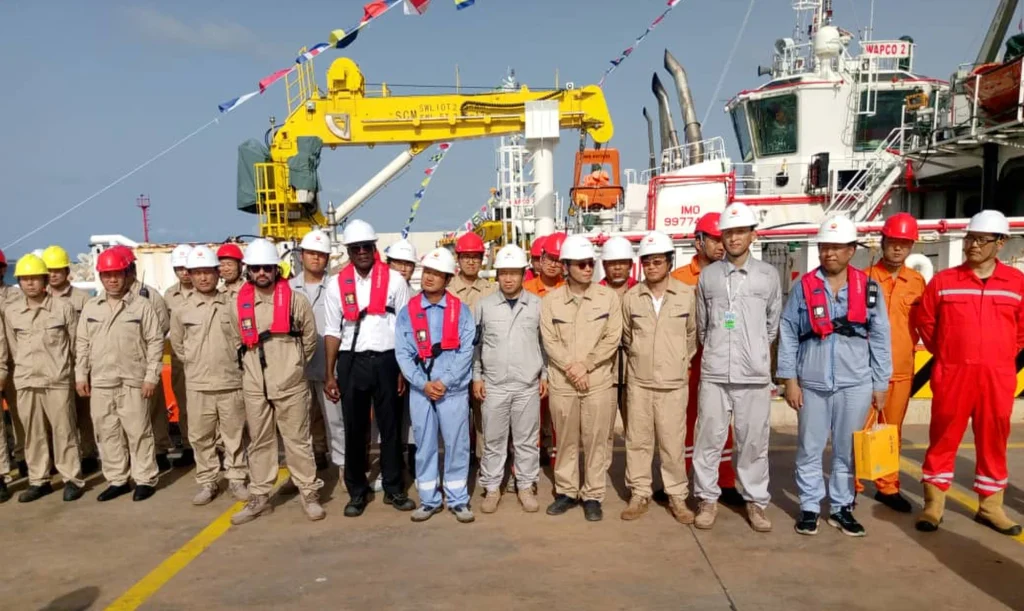
Niger’s underlying resource problem is worth explaining directly, since it’s the foundation for everything that follows. Niger’s oil production, centered on the Agadem Rift Basin in the country’s east, began in 2011, but as a landlocked nation, Niger had no direct route to export that crude to international markets without crossing at least one other country’s territory.
It’s worth including the route that almost got built instead, since it’s a genuinely interesting historical footnote. The original plan would have connected Agadem’s wells to the port of Kribi in Cameroon, via Chad — but this route ultimately did not receive CNPC’s approval, and the company instead pursued the alternative route through Benin, a decision that shaped the entire subsequent diplomatic and financial story.
There’s earlier, smaller-scale oil infrastructure worth noting that predated this pipeline. The Soraz Oil Refinery, inaugurated in November 2011 with a 20,000 barrel-per-day capacity, was built roughly 700 kilometres from the Agadem oilfield specifically to process crude domestically, financed through an earlier CNPC-linked loan restructured by China’s Export-Import Bank in 2011.
The Repair: What Actually Got Built
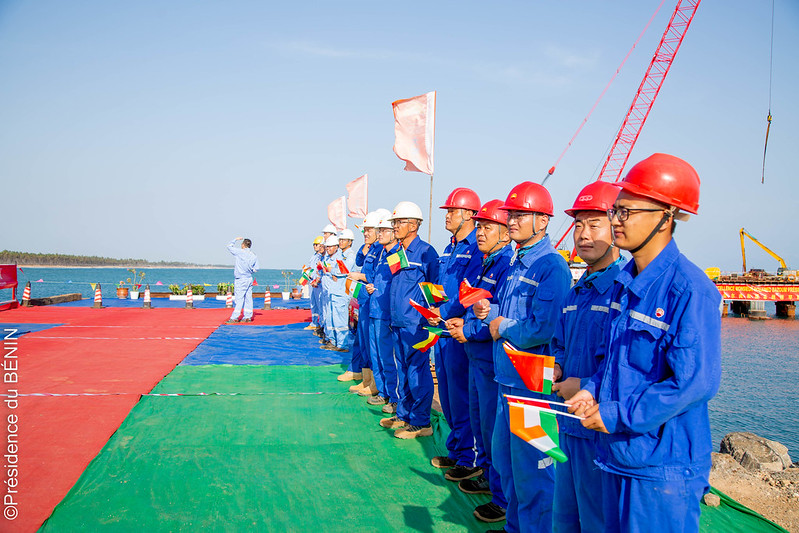
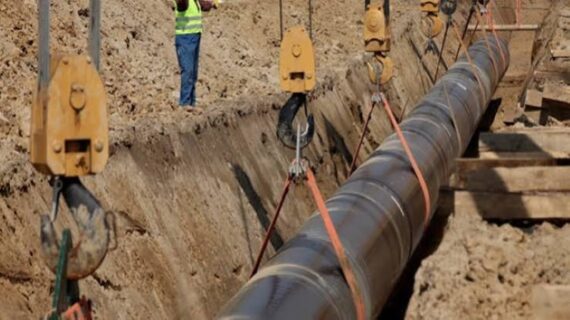
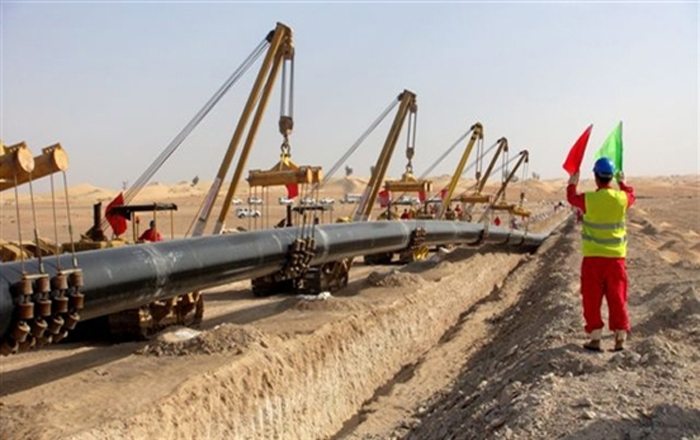
The pipeline’s physical specifications are worth laying out directly, since the scale is genuinely record-setting. Spanning 1,980 kilometres — 1,298 kilometres through Niger and 684 kilometres through Benin — the pipeline became Africa’s longest, connecting the Agadem Rift Basin directly to the Port of Sèmè export terminal near Cotonou.
The technical details are worth including for educational value. The pipeline runs a 20-inch diameter route through eight pumping stations, 59 valve stations, and a Sèmè terminal with 2-million-barrel storage capacity, including two 15-kilometre undersea sections designed to load tankers with up to 1 million barrels.
The capacity this infrastructure was built to support is worth noting. Once fully operational, the pipeline was designed to carry up to 90,000 to 100,000 barrels per day, positioning Benin as a potential new crude oil export hub for the wider West African region.
The Track Record: A Timeline That Slipped, and a Cost That Grew
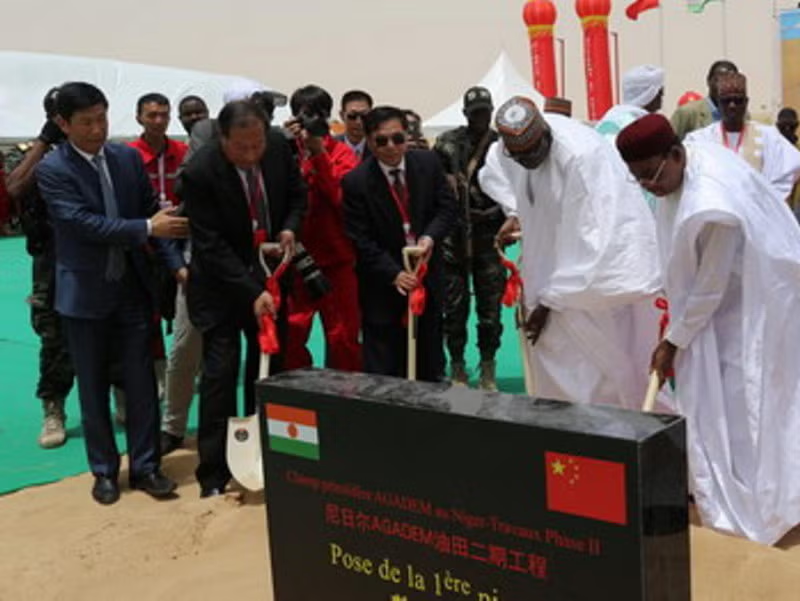
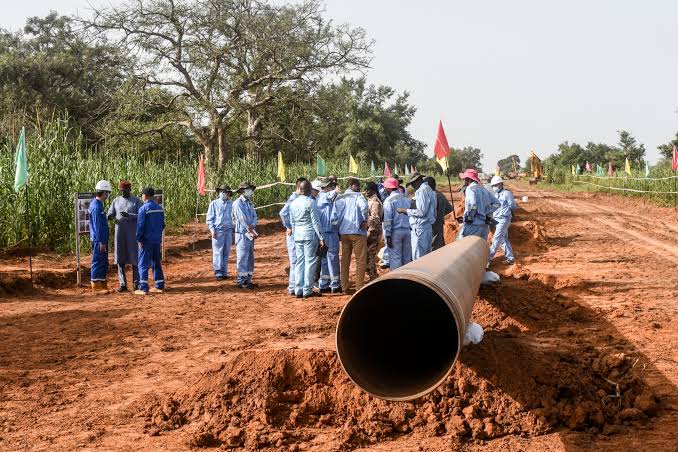
The construction timeline is worth introducing directly, since real delays occurred well before the diplomatic standoff already documented elsewhere in this blog even began. Construction formally started in September 2019, with Nigerien President Mahamadou Issoufou laying the first stone, and commissioning originally scheduled for 2021 — a target that slipped substantially, in part due to CNPC suspending all construction work in February 2020 because of the COVID-19 pandemic.
The cost escalation is worth bringing in directly, since the range across different points in the project’s history is genuinely striking. Early estimates placed the total project cost around $4 billion, later reporting cited $4.5 billion, and by more recent tracking, Global Energy Monitor placed the figure at $7 billion — nearly double the earliest publicly cited estimate.
It’s worth explaining what this kind of cost growth typically indicates in major infrastructure projects. Escalating costs across a multi-year megaproject can reflect genuine engineering complexity discovered during construction, currency fluctuation, delays adding carrying costs, or some combination of all three — without a full public accounting, it’s difficult to know precisely which factor dominated here.
The Scandal: The Loan That Repays Itself
Here’s the piece’s sharpest and most underexamined finding. The Niger section of the pipeline alone cost an estimated $1.3 billion, financed at an 80:20 debt-to-equity ratio — and the debt portion came substantially from CNPC Finance (HK) Limited, a subsidiary of CNPC itself, which issued a loan worth an estimated $1.04 billion to WAPCO Niger at an interest rate of 8.05%.
Here’s the circular structure made explicit, since it’s the core of the scandal. The borrower, WAPCO Niger, reportedly plans to repay this loan using proceeds from crude oil sales — meaning CNPC’s own finance arm lent money to a CNPC-affiliated pipeline company, to build a CNPC-operated pipeline, which will then generate the oil revenue used to repay CNPC’s own loan.
Niger’s actual equity position in this structure is worth bringing in, since it shows how little of the underlying value the resource’s home country retained. The Nigerien state holds just a 15% stake in the pipeline company, despite the crude oil flowing through this pipeline originating entirely within Niger’s own territory.
This isn’t a story of embezzlement or a broken contract. It’s a legally straightforward financing arrangement that nonetheless means the vast majority of both construction financing and eventual repayment stayed within the same corporate family, with the country whose oil actually filled the pipeline holding a comparatively small direct stake in the infrastructure carrying it out.
The Myth vs. The Reality
| What people assume | What actually happened |
| The Niger-Benin pipeline was financed primarily through neutral, third-party international lending | A significant share of the pipeline’s Niger-section financing came directly from CNPC’s own finance subsidiary |
| The pipeline’s construction proceeded roughly on its original 2021 commissioning timeline | Construction was delayed substantially, in part by a COVID-19 suspension in February 2020, pushing completion years past the original target |
| Niger holds majority or substantial equity control over the pipeline carrying its own oil to international markets | Niger’s state holds only a 15% equity stake, despite the crude originating entirely within Nigerien territory |
| The loan financing the pipeline will be repaid through conventional government revenue channels | It is planned to be repaid directly using proceeds from the pipeline’s own crude oil sales |
Close: Who Actually Owns the Oil in the Pipe
The Niger-Benin pipeline is a genuine engineering achievement — Africa’s longest pipeline, built to move a resource that had previously had no direct route to international markets — but understanding who actually benefits from it requires looking past the construction milestones to the financing structure underneath, where the company that built the pipeline also financed it, and stands to be repaid directly from the oil that pipeline carries.
This is the same underlying question this blog has already raised in its coverage of Niger’s uranium relationship with Orano — not whether a resource extraction project gets built, but who actually captures the value once it does, and how much of that value the resource’s home country actually retains once the financing arrangements are fully understood.
Sources and further reading.