

A Historical In-depth Discovery of Trade in West Africa Since 1896
Here’s what you need to know:
- In 1891, George William Neville — Elder Dempster’s own local agent in Lagos — recognized that banking facilities were urgently needed in West Africa and personally approached the South Africa-based African Banking Corporation to establish a branch there, only for ABC’s own London board to make clear from the outset that “their main interest was in South Africa.”
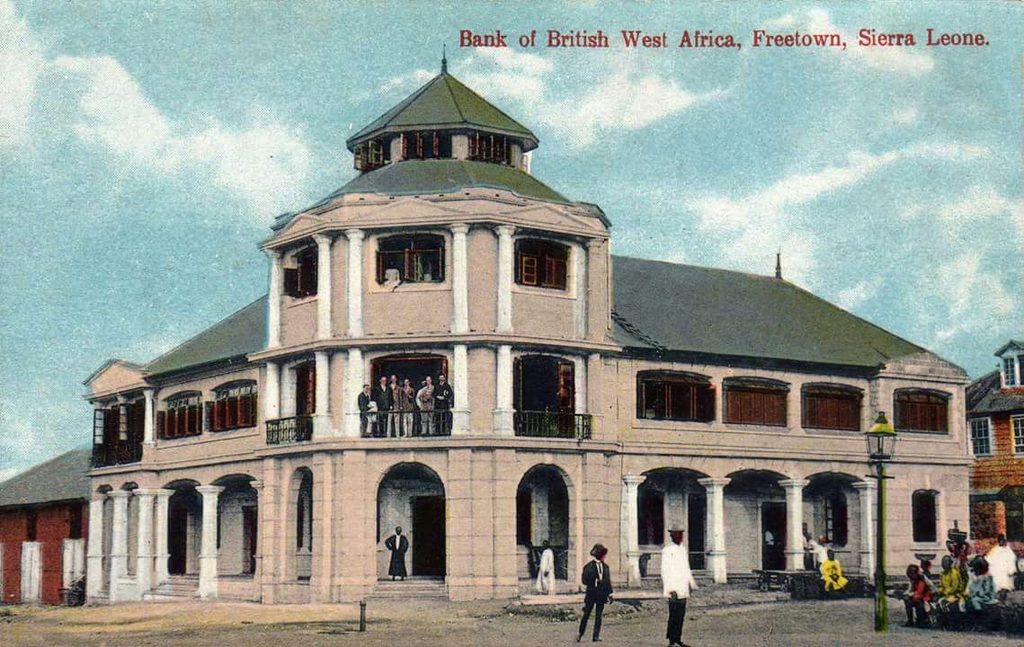
- ABC’s Lagos venture, with Neville himself serving as branch manager, lasted barely a year before the bank’s board wished to withdraw entirely — at which point Elder Dempster and shipping magnate Alfred Jones simply bought the operation outright and formed the Bank of British West Africa specifically to take it over.
- The scandal, worth stating plainly: this wasn’t really two competing institutions where one defeated the other — the same man, George Neville, moved directly from managing ABC’s Lagos branch to managing BBWA’s, later serving as a BBWA director from 1900 to 1929, meaning West Africa’s “first” banking competition collapsed into monopoly within a single year because the underlying operation, and the key personnel running it, simply migrated to a new corporate shell controlled by the same shipping interests that had engineered the entire sequence from the start.
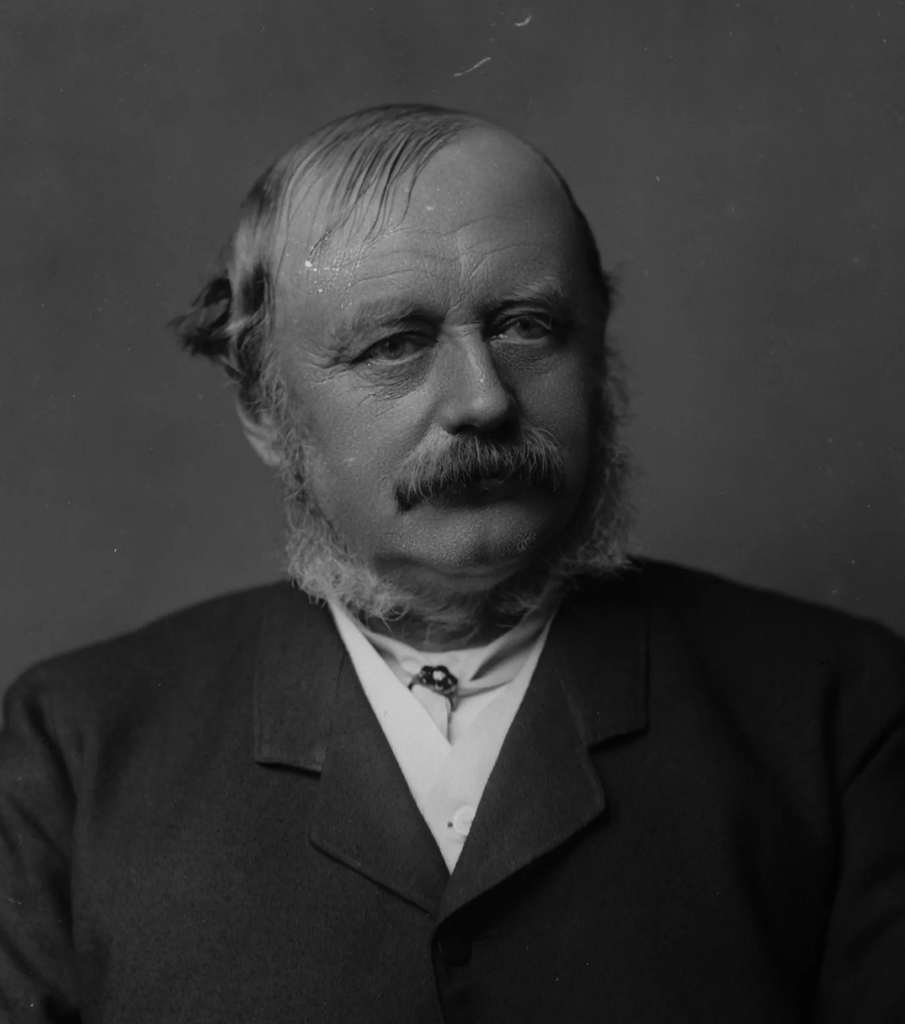
The Setup: How West Africa’s First Bank Actually Came to Exist (Educational/explanatory core)
It’s worth understanding precisely whose idea this whole venture was, since the standard framing of “ABC establishes a branch” obscures who actually drove the decision. In 1891, George William Neville — described directly as “a representative of Elder Dempster & Co in Lagos” — recognized that banking facilities were urgently required in West Africa, particularly in Lagos. Neville, working alongside Alfred Lewis Jones, concluded that the most practical path forward was to persuade an already-established bank to open a branch there, rather than building an entirely new institution from scratch. Neville personally approached the African Banking Corporation, a bank established in South Africa in 1891.
It’s worth noting ABC’s own stated priorities at the outset, since this detail explains why the venture’s collapse a year later shouldn’t be read as a surprising betrayal so much as a predictable outcome of ABC’s own limited commitment. ABC’s board of directors in London “agreed to extend their business operations to Lagos but made it known that their main interest was in South Africa.” From the very beginning, West Africa’s first modern banking operation existed as a secondary, low-priority undertaking for an institution whose actual strategic focus lay elsewhere entirely.
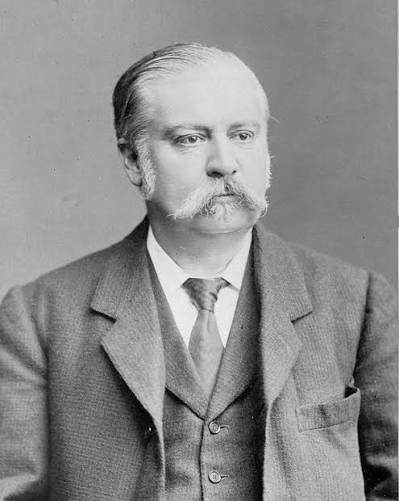
The Abandonment: Why ABC Walked Away Within a Year
It’s worth stating plainly what actually happened next: George Neville became ABC’s branch manager in Lagos in 1892, and the operation’s central purpose during this period is worth understanding clearly — it existed “to service British trading interests in Nigeria, such as the Royal Niger Company and other allied companies,” alongside becoming banker to the colonial government. This was never conceived as an institution built to serve the broader Nigerian population or economy; it was infrastructure built specifically to support a small number of British commercial and administrative interests already operating in the territory.
Within a single year, ABC’s board “wished to withdraw from Lagos” entirely — a decision entirely consistent with the bank’s own stated priorities from the outset, since a subsidiary operation the parent institution never regarded as strategically important was always vulnerable to exactly this kind of rapid abandonment the moment it required sustained attention or investment.
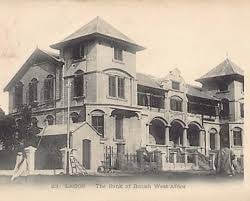
The Takeover: How Jones and Elder Dempster Simply Absorbed What Already Existed
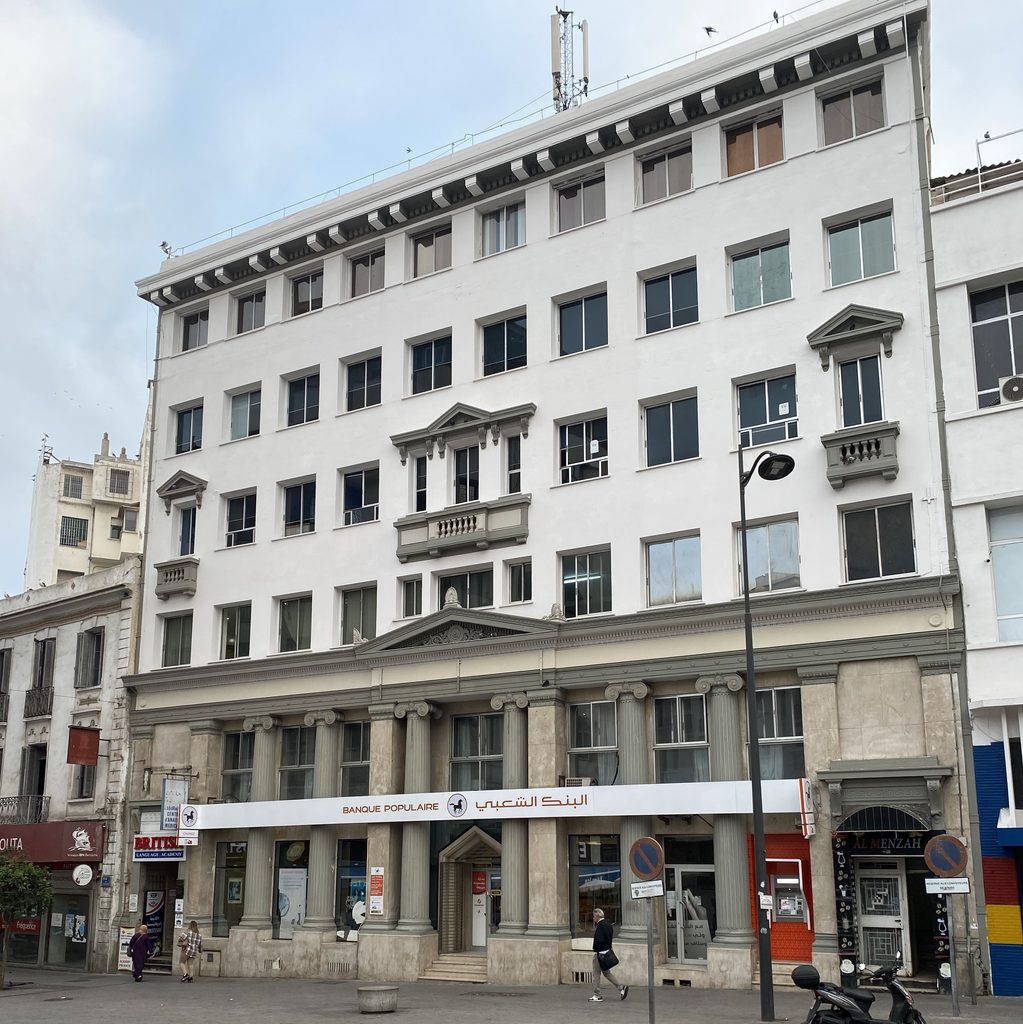
Here is the piece’s central finding, worth stating precisely, since it reveals this wasn’t genuine market competition resolving itself, but a pre-arranged consolidation. Rather than West Africa’s banking sector experiencing a genuine gap once ABC decided to withdraw, “a series of meetings were held between Elder Dempster and the African Banking Corporation to discuss the takeover of the Lagos branch by Elder Dempster” — and Elder Dempster, under Alfred Jones’s direction, simply purchased the entire operation. The Bank of British West Africa was registered as a limited liability company specifically for this purpose, formally taking over the ex-ABC operation in Lagos, with ABC additionally transferring its Tangier branch to BBWA the following year.
It’s worth stating the single most revealing detail in this entire sequence, since it shows how illusory any notion of “competition” between these two institutions actually was. George Neville — the very man who had originally identified the need for West African banking, approached ABC on Elder Dempster’s behalf, and served as ABC’s branch manager throughout its brief Lagos operation — simply continued as BBWA’s first manager, later serving as a BBWA director from 1900 to 1929. The personnel, the operational knowledge, and the actual banking relationships built during ABC’s year in Lagos didn’t disappear when ABC withdrew — they migrated directly into the new institution, carried by the same individual who had built them in the first place. West Africa’s earliest banking “competition” collapsed into a single dominant player not because BBWA out-competed a genuine rival, but because Jones and Elder Dempster had been positioned, through their own employee, to absorb the entire operation the moment ABC’s limited commitment to the territory ran out.
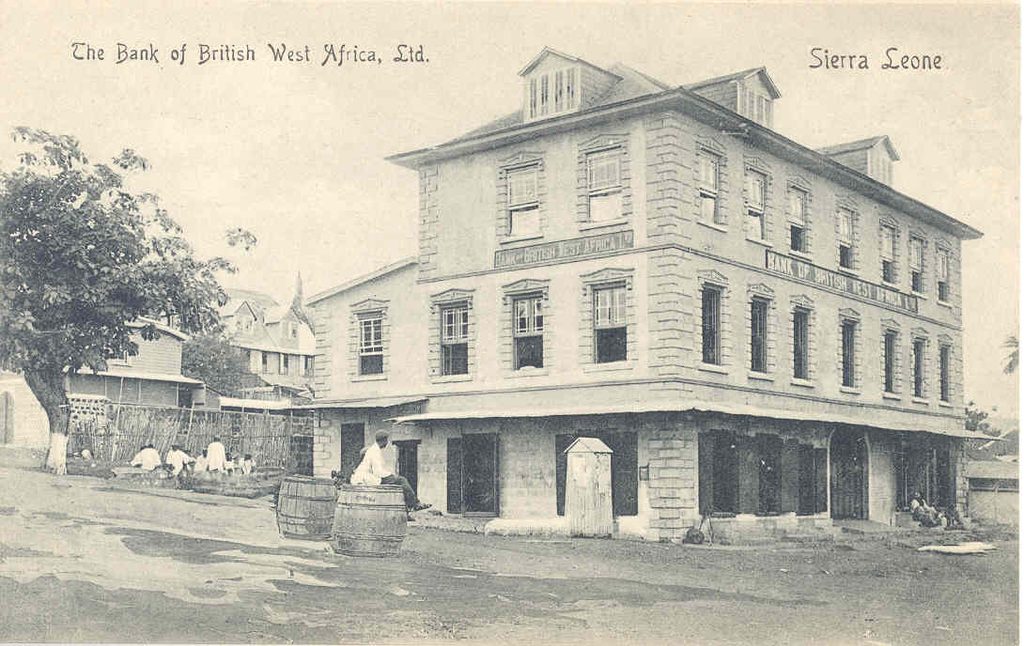
The Scandal: What Jones Himself Said This Was All Actually For
It’s worth closing with a genuinely remarkable, directly quoted statement from Alfred Jones himself, delivered at BBWA’s First Annual General Meeting on July 17, 1895 — a statement that reveals, in his own words, exactly what he understood this entire banking venture to represent. Jones told the assembled shareholders: “There is no doubt that the country which introduces its coinage and its language into a new territory succeeds in a great measure…”
This statement deserves to be read as precisely what it is — an explicit articulation of banking and currency distribution as instruments of national colonial success, not as neutral commercial services extended to a market that happened to need them. Jones wasn’t describing BBWA as a bank built to serve West Africa’s own economic development; he was describing it, in his own recorded words to his own shareholders, as part of a broader project through which Britain’s introduction of its own coinage and language into new territory constituted a form of national conquest and success. The rapid absorption of ABC’s abandoned Lagos operation into BBWA wasn’t simply a shrewd business consolidation — by Jones’s own stated framing, it was one small piece of exactly the kind of colonial project he described directly to his shareholders as measuring a nation’s success.
Close
BBWA’s origin story is often told as a straightforward tale of one bank succeeding where another failed. The actual sequence reveals something considerably more direct: the same key individual, George Neville, built the original banking relationships under ABC’s brief and always-secondary ownership, then carried that same operation, those same relationships, and his own personal management continuity directly into BBWA once Elder Dempster and Alfred Jones simply purchased what ABC had decided wasn’t worth keeping. West Africa’s earliest banking “competition” didn’t resolve itself through market forces — it collapsed into a single dominant institution within a single year because the shipping interests behind BBWA had, from the very beginning, positioned themselves through their own employee to absorb the entire operation the moment its original, disinterested owner walked away.
Sources and further reading.