
A Historical In-depth Discovery of Trade in West Africa Since 1896
Here’s what you need to know:
- In 1974, President Hamani Diori was overthrown just days before a scheduled meeting to finalize a major uranium price increase he had spent two years fighting for — but the coup’s stated causes were domestic: a severe drought, food aid corruption allegations, and authoritarian governance.
- In 2010, President Mamadou Tandja was overthrown after winning a substantial uranium price increase in 2008 — but his removal followed months of separate, well-documented political crisis over his own attempt to illegally extend his term limits.
- The scandal: no document proves either coup was directly orchestrated over uranium pricing — but Tandja’s successor, Mahamadou Issoufou, was a former Areva employee and mining engineer, and a 2017 revelation dubbed “Uraniumgate” found Orano had orchestrated a scheme to divert roughly $320 million in 2011, allegedly to conceal bribes to Nigerien elites.
- This piece builds the case the way a prosecutor would — laying out what’s proven, what’s merely suggestive, and what remains genuinely unknown, rather than asserting a conspiracy the documentary record doesn’t actually support.
This isn’t a story with a smoking-gun document proving French orchestration of two Nigerien coups. It’s a story built entirely on timing, circumstance, and what happened to the people who benefited afterward — which means it has to be told with real care about what’s actually proven versus what’s merely suggestive.
This is a circumstantial case, laid out exhibit by exhibit, the way a careful prosecutor would present it — including the evidence that complicates the simplest version of the story.
Exhibit A: Diori’s Price Fight
In 1972, with global oil and commodity prices surging, President Diori asked France to index Niger’s uranium price to reflect its real energy-equivalent value — a change that could have brought Niger roughly 50 million CFA francs per metric ton, compared to the 5.5 million it was actually receiving.
French Industry Minister Yves Guéna’s negotiating delegation found Diori’s demands unacceptable, with the CEA specifically concerned about limiting the financial impact on the broader project’s profitability.
There’s a striking scheduling detail worth including, since it’s the closest thing to a genuine coincidence in hard timing terms. A final compromise meeting was scheduled for Niamey on April 18, 1974. It never happened — Diori was overthrown three days earlier, on April 15.
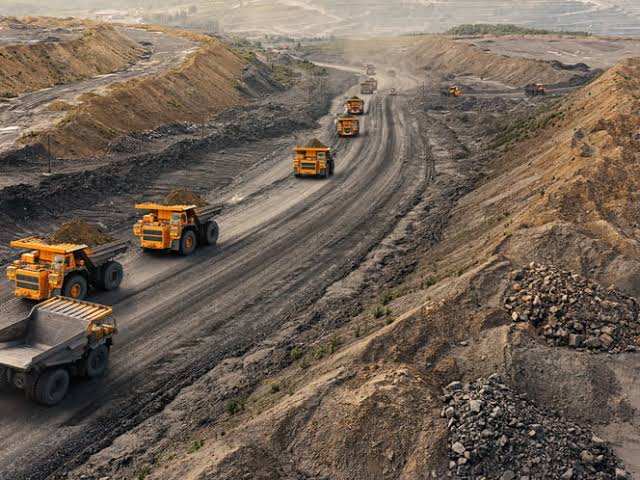
Exhibit B: The Evidence That Complicates the Story
Here’s counter-evidence worth including honestly, since a real case has to account for it. The coup’s stated causes were domestic — a severe Sahel drought from 1968 to 1972 had devastated the country, allegations spread that government ministers were misappropriating food aid stocks meant for starving citizens, and Diori had increasingly consolidated power around his own ethnic group and family.
There’s a detail that most undermines a simple “France did this” reading, and intellectual honesty requires including it. Immediately after taking power, coup leader Seyni Kountché ordered the expulsion of the commander of the French garrison in Niger, followed by the rest of French troops within weeks — an unusual first move for a government supposedly installed to protect French interests.
It was, in the words of the historical record, “commonly believed” that France was involved in some way, given its uranium ties. But “commonly believed” is not the same as documented, and the coup’s own aftermath doesn’t cleanly support the simplest version of the theory.
Exhibit C: Tandja’s Price Win, and a Different Kind of Crisis
PHere’s the second case. In 2008, President Mamadou Tandja succeeded where Diori had failed, winning a substantial increase in Niger’s uranium price from Areva.
There’s a documented parallel worth including, even though it’s explicitly hedged in the source material. The annual pricing discussions between Areva and Niger’s government, normally held in early February, were delayed by a month in the lead-up to Tandja’s ouster — described by one academic source as “a parallel to the 1974 coup,” while the same source is careful to describe the uranium connection only as “perhaps not unrelated.”
There’s a far better documented domestic crisis running alongside this. Tandja had spent much of 2009 pushing an illegal constitutional referendum to extend his own term limits beyond what Niger’s constitution allowed, triggering months of genuine political crisis that reached what one source describes as “total stalemate” — a crisis with no connection to uranium pricing at all, and arguably sufficient on its own to explain his February 2010 overthrow.
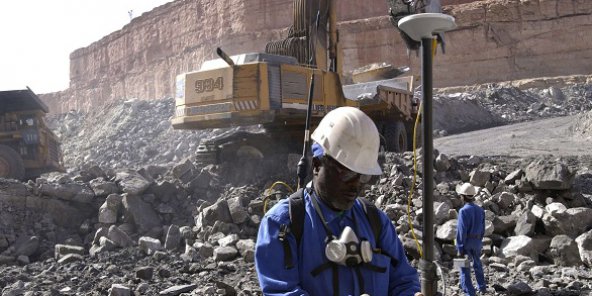
Exhibit D: What Happened Next
Here’s the strongest piece of suggestive evidence in the entire case, since it doesn’t require proving coup causation to be worth including. Tandja’s successor, Mahamadou Issoufou, was a former mining engineer trained in France who had previously worked directly for Areva — a background one analysis bluntly described as giving him “the perfect CV to serve French interests.”
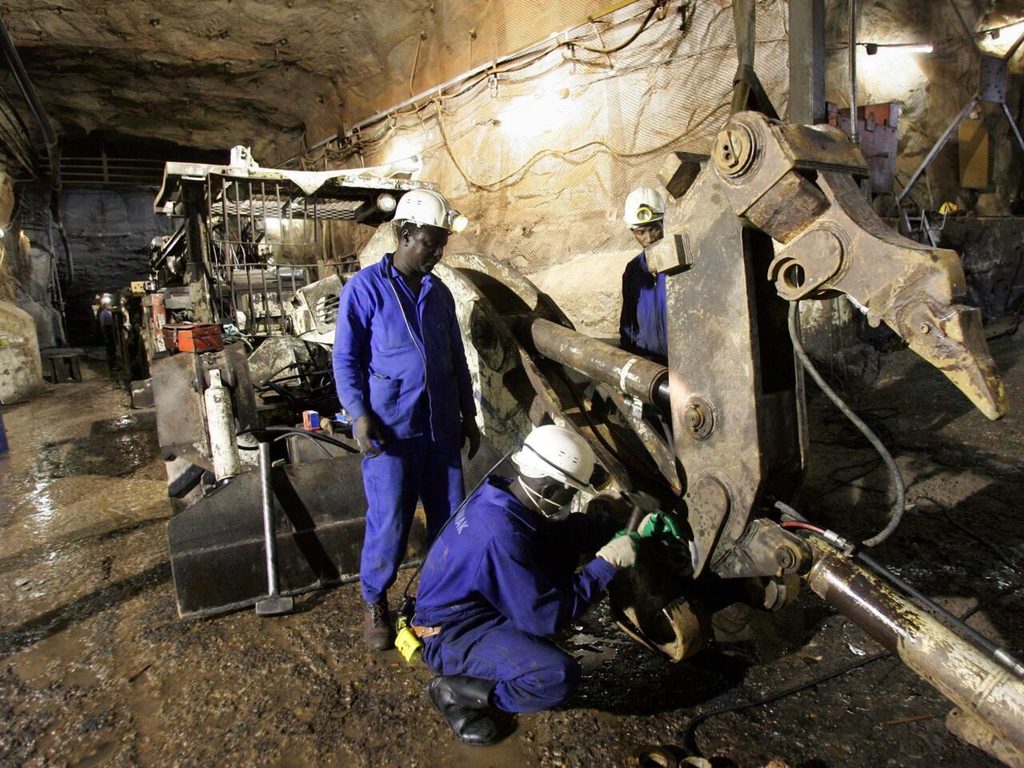
Here’s the scandal that actually is proven, and it deserves to be the centerpiece rather than the disputed coup theory. In 2017, a financial scandal dubbed “Uraniumgate” was revealed, in which Orano had orchestrated a scheme allegedly enabling the diversion of roughly $320 million in 2011, understood to have concealed bribes paid to Nigerien elites.
Whatever the truth about the 1974 and 2010 coups, this is a documented instance of the same company engaging in exactly the kind of behind-the-scenes financial manipulation the coup theory alleges. Even without proof of coup orchestration, there’s proof of a corporation willing to use covert financial arrangements to manage its relationship with Nigerien political elites.
The Myth vs. The Reality
| What people assume | What actually happened |
| It is proven that France orchestrated coups in Niger specifically to punish leaders who challenged uranium pricing | No document proves direct coup orchestration over pricing, and both coups had well-documented, independently sufficient domestic causes |
| The 1974 and 2010 coups had no documented connection whatsoever to uranium politics | The timing in both cases is genuinely striking, and Tandja’s successor had direct Areva ties |
| The coup theory is the strongest available evidence of corrupt manipulation around Niger’s uranium politics | Orano was separately proven, through the 2017 “Uraniumgate” revelation, to have run a covert scheme diverting roughly $320 million linked to bribery |
| The 1974 coup government maintained close ties with France immediately afterward | Coup leader Seyni Kountché expelled French troops from Niger within weeks of taking power |
Close: What a Careful Case Actually Proves
The popular version of this story — “ask for a fair uranium price, lose your government” — is more certain than the actual documentary record supports, and a genuinely rigorous accounting has to hold that uncertainty rather than resolve it for the sake of a cleaner narrative.
What the record does prove — Diori’s price fight ending three days before a scheduled resolution, Tandja’s successor’s Areva background, and a documented $320 million bribery-linked diversion scheme in 2017 — is unsettling enough on its own, without needing to claim more certainty than the evidence actually provides.
Sources and further reading.