
● AES report shows food inflation up 18% in Sahelian cities since early 2026,
with traders describing bribes at 12–15 unofficial checkpoints per shipment
since leaving ECOWAS. (April 2026)
Food prices in Sahelian cities are up 18% since early 2026.
At the very same time, farmers are being paid less for the exact same crops.
Someone, somewhere in the middle of that supply chain, is pocketing the
difference.
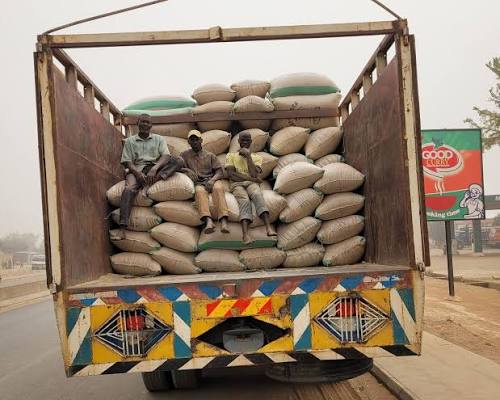
According to trade data from the OECD and the World Bank, moving a single bag
of rice from the coast to Bamako now requires paying bribes at 12 to 15 unofficial
checkpoints along the way.
Nobody passed a law creating this tax. Nobody voted for it. It’s collected in cash,
at gunpoint distance, by the same roads that used to move food for free.
Here’s What Actually Happened
Mali, Burkina Faso, and Niger formally withdrew from ECOWAS on January 29,
2025, after each country’s military government cited the bloc’s response to their
respective coups — Mali in 2021, Burkina Faso in 2022, Niger in 2023 — as the
breaking point.
Here’s what ECOWAS actually did in response to those coups, since it’s more
nuanced than a simple trade cutoff. It imposed economic, financial, and travel
sanctions on each country — but specifically exempted food from those
sanctions, precisely to avoid worsening hunger in the region.
Here’s the myth-check. Even with food formally exempted from sanctions, that
exemption didn’t protect food trade from real harm. Increased transport times
and logistical hurdles still drove serious price inflation. In Niger specifically, the
average market price of rice rose 38% between July 2023, when sanctions began,
and February 2024, when they were lifted — a preview of the deeper structural
problem now showing up again in 2026’s 18% figure.
The Scandal: The Checkpoint Economy
Here’s the core finding, sourced to real trade assessment bodies, not rumor.
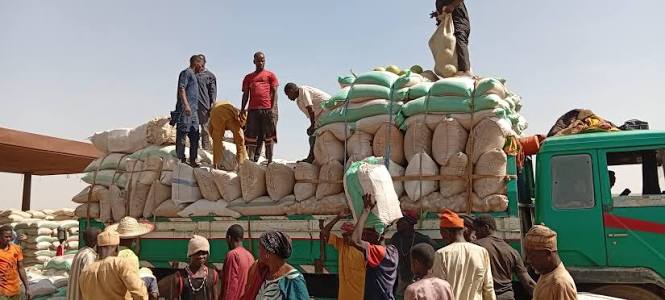
According to the OECD and the World Bank’s Trade and Transportation
Assessment, moving a single bag of rice from the coast to Bamako now requires
paying bribes at a minimum of 12 to 15 unofficial checkpoints.
A Sahelian farmer, speaking on condition of anonymity for fear of retribution, put
it plainly: this system “has pushed the final price of food in Sahelian cities up by
18% since the start of 2026, even though the farmers are being paid less for their
crops.”
It’s worth naming what this actually is, structurally. This is an informal, extralegal
toll system, layered onto legitimate trade routes, extracting value at every stage
between the farm and the city market — collected by whoever controls each
stretch of road, whether formal security personnel, informal armed actors, or a
mix of both.
This explains the gap from the opening of this piece precisely. Farmers earn less.
City consumers pay more. The difference isn’t lost to the market — it’s captured,
checkpoint by checkpoint, by people positioned along the route rather than by
any legitimate economic mechanism.
Trading in the Dark: How People Are Actually Responding
The on-the-ground response here shows how deeply this has reshaped ordinary
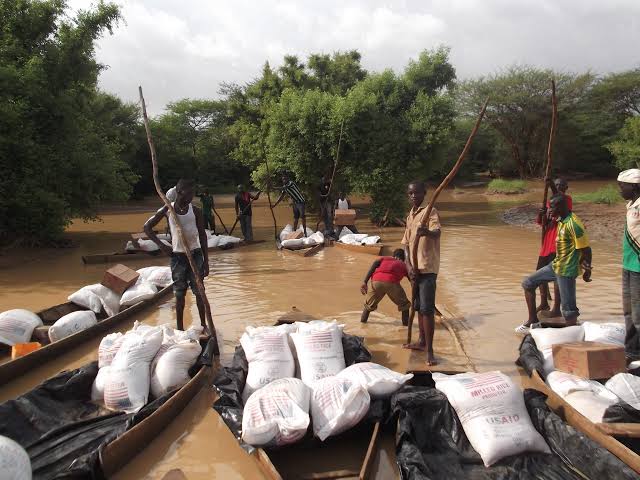
economic behavior. Traders described choosing to move goods under cover of
darkness, through routes “off the radar of local authorities,” specifically to avoid
the checkpoint network — accepting real physical risk in exchange for avoiding a
predictable, repeated financial extraction.
One trader described the trade-off directly: “We cannot use the old routes
without paying too much. Now everything goes through the bush where we either
pay more or less but with a guarantee of faster delivery.”
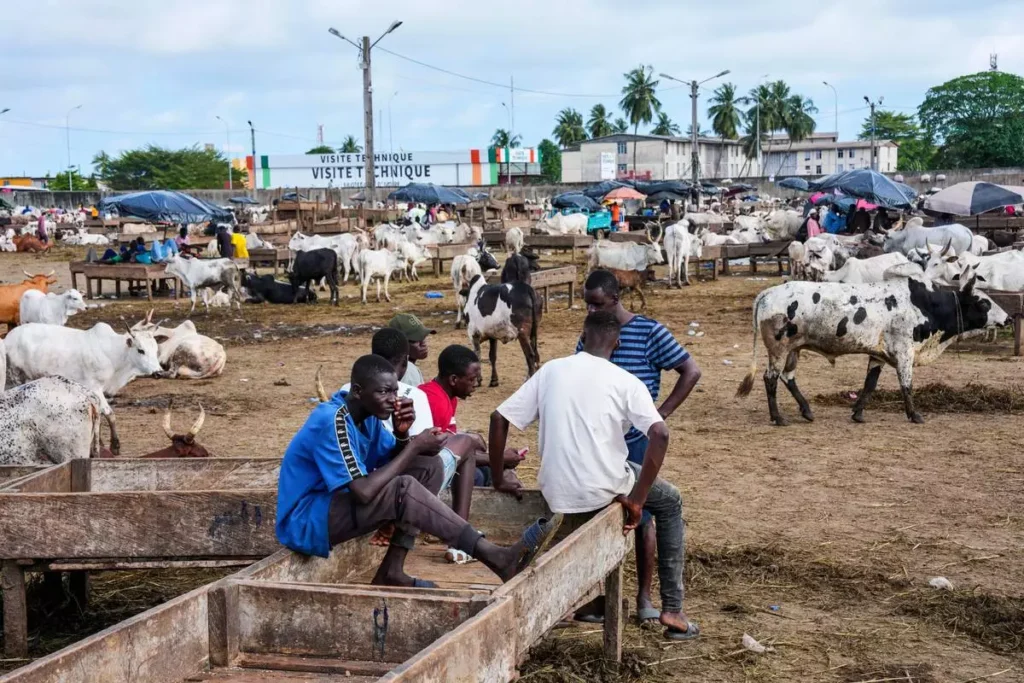
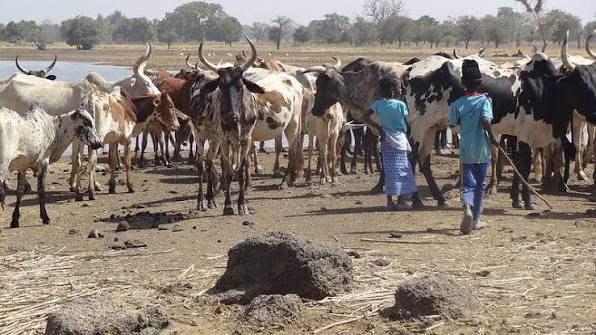
The livestock trade shows a different dimension of the same collapse. Bashar
Ibrahim, a livestock trader at the Ilela-Konni border whose family has moved
animals across the Sahel for generations, said someone who used to supply him
500 animals now barely brings 50 — citing fear of “seizures, of attacks, of losing
everything.”
This isn’t simply higher costs being passed along a functioning supply chain. It’s
traders and farmers actively restructuring how and when they move goods,
retreating into riskier, less visible methods specifically to escape a system of
extraction that has become normalized along the legal routes.
The Myth vs. The Reality
| What people assume | What actually happened |
|---|---|
| Food was exempted from ECOWAS sanctions, so trade in food wasn’t seriously affected | Food’s exemption from formal sanctions didn’t prevent serious price inflation from logistical and security disruption |
| The 18% food inflation figure is simply the ordinary cost of doing business under new AES tariffs | The primary documented driver of the 2026 price spike is an informal bribery network at 12 to 15 checkpoints per shipment |
| Traders are largely still using the same official routes as before | Traders are now actively rerouting through unmonitored bush paths specifically to avoid this extraction, at real physical risk |
| This is a temporary disruption that will resolve as the AES matures | Two years after withdrawal, the checkpoint economy shows no sign of resolving on its own |
Why This Still Matters
This is the same pattern the AES’s own tariff and its predecessor, ECOWAS’s food
exemption, were both supposed to prevent — ordinary people paying the price
for a political rupture between governments, while whoever controls the
checkpoints along the way profits from the disorder.
“Economic independence” was the stated goal of leaving ECOWAS. Two years
later, the data shows a region where farmers earn less, city dwellers pay more,
and the gap between those two numbers is being collected, informally and
unaccountably, by hands nobody elected and nobody can audit.