
Here’s what you need to know:
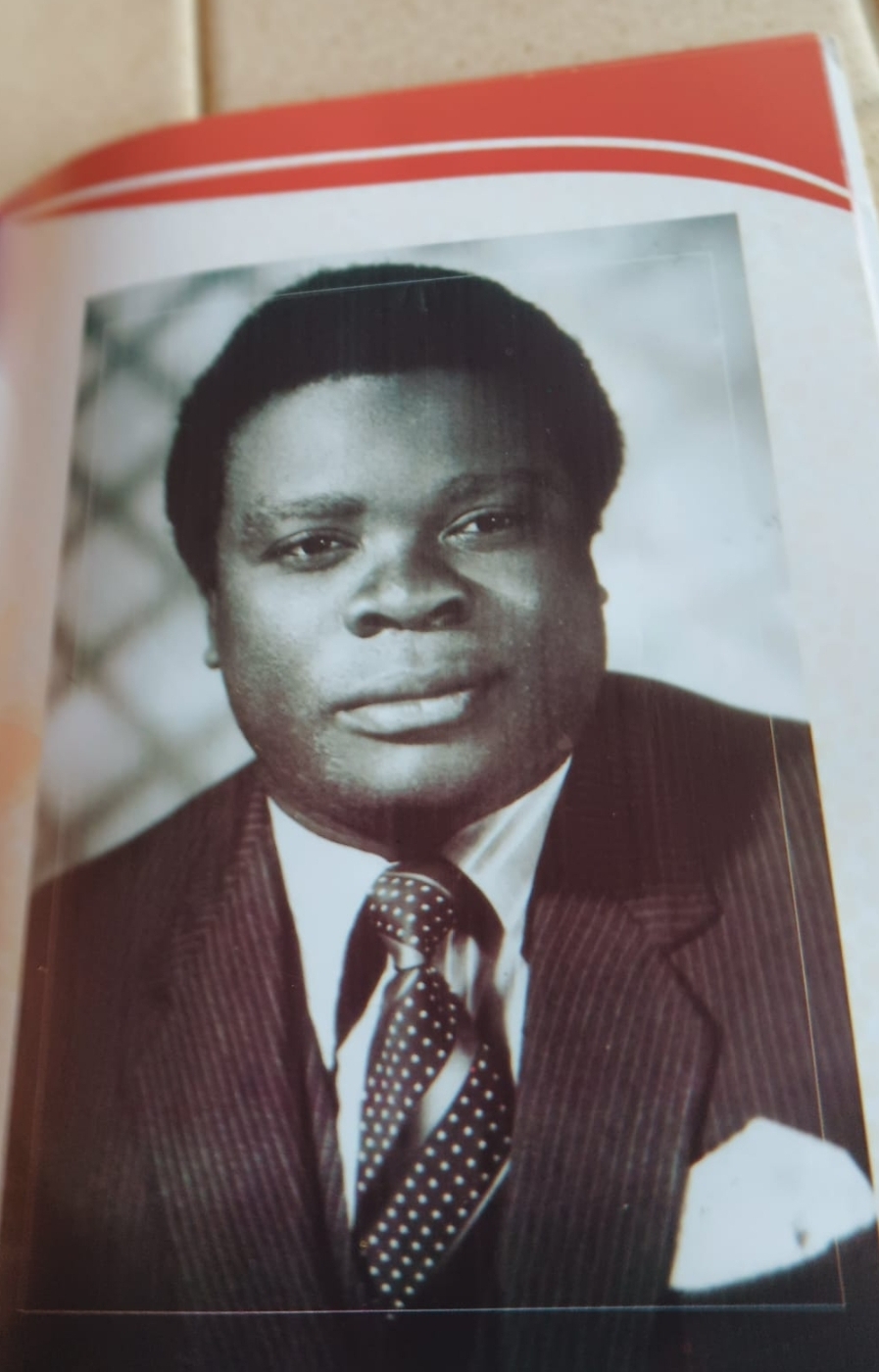
- In April 2003, Benin, Burkina Faso, Chad, and Mali — the “Cotton-4” or C-4 — jointly petitioned the WTO to eliminate US and EU cotton subsidies, with Burkina Faso’s President Blaise Compaoré personally presenting the case that June.
- The stakes were stark: cotton represented roughly 70% of Benin and Burkina Faso’s total export earnings in 2004, while the US alone spent $2–4 billion a year subsidizing a cotton sector worth $25–30 billion globally.
- A parallel Brazilian WTO complaint won a landmark 2004 ruling that US cotton subsidies caused “serious prejudice” to global producers — but subsequent US changes still didn’t fully satisfy the ruling’s critics.
- Over two decades later, cotton subsidies remain only partially reformed, and the dispute now runs through a permanent WTO forum — the Director-General’s Consultative Framework Mechanism on Cotton — rather than any final resolution.
The C-4 countries — Benin, Burkina Faso, Chad, and Mali — together account for barely 5% of global cotton production. And yet, according to independent trade economists, their cotton is up to three times more cost-competitive to grow than cotton produced in the United States.
This is a story told through the numbers that actually decided it — production shares, subsidy dollars, export dependency percentages, and the gap between a ruling and real-world compliance. aste the first body section here.
Number One: 70%
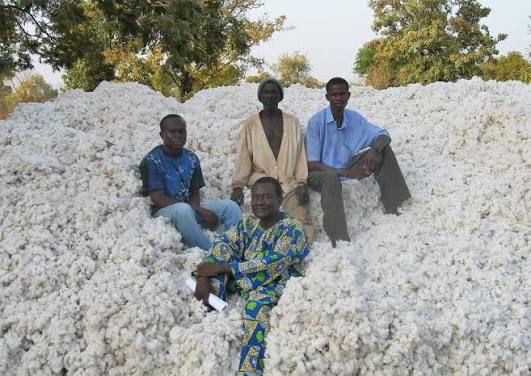
By 2004, cotton exports represented roughly 70% of total export earnings for both Benin and Burkina Faso. These weren’t economies with cotton as one crop among many — they were economies functionally dependent on a single global commodity’s price.
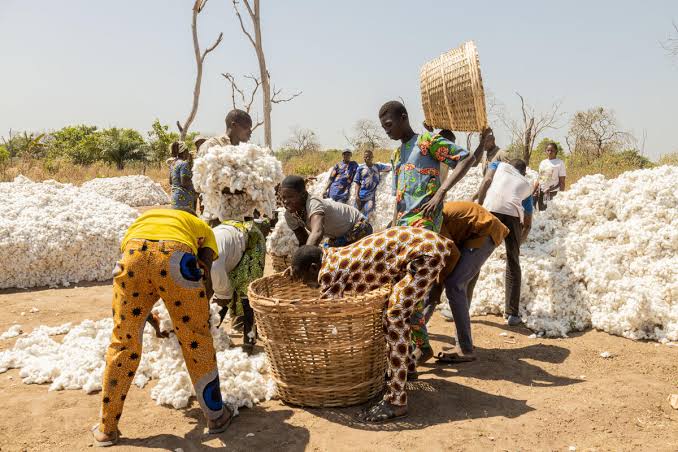
This dependency meant something direct for ordinary people. The C-4 nations’ cotton sectors, built on the CFDT-descended “filière” model already covered elsewhere in this series, supported millions of smallholder farming households whose entire livelihood rose or fell with the world cotton price.
It’s worth explaining how this dispute actually started, since it wasn’t purely a top-down diplomatic initiative. West African cotton producers themselves went on strike in 2000 over falling world prices, and it was that grassroots pressure that ultimately pushed their governments to formally act at the WTO three years later. aste the first body section here.
Number Two: $2–4 Billion
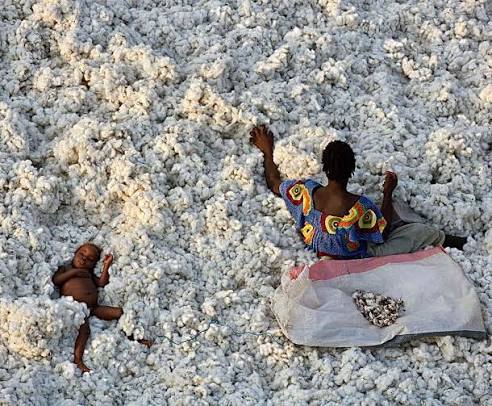
The US subsidy figures are the other half of the equation. The United States supported its domestic cotton sector to the tune of $2 to $4 billion annually, at a time when the entire global value of cotton output averaged just $25 to $30 billion.
The mechanism is worth explaining plainly. Economists and the C-4 governments themselves argued that subsidies of this scale encouraged US farmers to overproduce, expanding US market share and pushing down the world price that every cotton-dependent economy, including the C-4, had to sell into.
The formal steps that followed are worth tracing precisely. The C-4 first wrote to WTO Director-General Supachai Panitchpakdi on April 30, 2003, introducing their “Sectoral Initiative in Favour of Cotton.” On June 10, 2003, Burkina Faso’s own President Blaise Compaoré personally presented the proposal to the WTO’s Trade Negotiations Committee — an unusually high-profile move for a head of state on a single sector-specific trade dispute.
The C-4’s three specific demands were precise: a reduction and progressive elimination of Western production and export support schemes over three years; temporary financial compensation for losses incurred by cotton-producing least-developed countries while subsidies remained in place; and a new WTO-supervised mechanism to monitor and control the support measures going forward.
Number Three: Zero
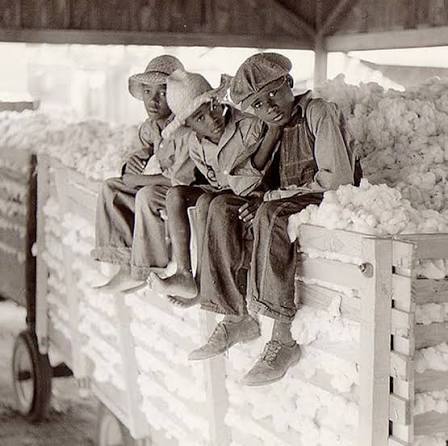
Here’s the sharpest and most consequential number in this whole story. At the September 2003 Cancún Ministerial Conference, where the cotton issue was placed front and center on the global trade agenda, the talks collapsed entirely — with zero binding agreement reached on the C-4’s core demands.
The diplomatic maneuvering that shaped this outcome reveals how power actually operated in the negotiating room. Academic analysis of the dispute found the United States strategically split the issue into two separate tracks — “trade-related” and “development-related” aspects — a framing move that effectively separated the politically difficult question of cutting subsidies from the more palatable question of offering aid.
The C-4’s own counter-strategy is a genuinely clever piece of diplomatic framing worth naming. Researchers describe the C-4 branding itself as the “competitive victim” — simultaneously proving its cotton production was genuinely more cost-efficient than subsidized Western production, while also documenting the real economic harm subsidies were causing, a dual argument designed to counter any suggestion that C-4 producers simply couldn’t compete on merit.
Four of the world’s poorest nations, representing a fraction of global cotton production, brought a technically sound, economically documented case to the world’s premier trade body — and watched it stall at the first major diplomatic test, not because their evidence was weak, but because the two wealthiest cotton-subsidizing blocs on earth had no binding obligation to act on it.
Number Four: September 2004
There’s a separate but connected Brazilian case worth including, since it shows what actual binding pressure looked like. In a parallel dispute, Brazil directly challenged US cotton subsidies at the WTO, and in September 2004, a WTO panel issued a landmark ruling finding that US export subsidies and domestic support measures caused “serious prejudice” to Brazilian interests by unfairly depressing world cotton prices.
It’s worth being precise about what this ruling required, and why it still fell short of full resolution. The panel recommended the United States take appropriate steps to halt the subsidies’ adverse effects or withdraw them entirely — but subsequent US actions, including removing a specific export subsidy mechanism known as the “step-2 payment,” did not fully satisfy Brazil’s underlying complaint.
The C-4 nations themselves were not formal complainants in this specific Brazilian case, despite benefiting from any ruling against the same subsidy structures. The two disputes ran on separate legal tracks, with Brazil pursuing formal WTO dispute settlement while the C-4 pursued a broader “Sectoral Initiative” aimed at systemic reform rather than a narrow legal complaint against one country’s specific subsidy programs.
Number Five: 20+ (Years, and Counting)
Bring the dispute into the present, since it genuinely never closed. Cotton subsidy discussions continue today through the WTO’s Director-General’s Consultative Framework Mechanism on Cotton, a standing bi-annual forum specifically created to track cotton development assistance and subsidy-related trade data.
Who has since joined the original four shows the coalition’s staying power. Côte d’Ivoire later joined Benin, Burkina Faso, Chad, and Mali in continuing to press the cotton issue at the WTO, expanding the group’s regional weight even as the underlying dispute remained unresolved.
The honest state of play, over two decades later, is worth stating plainly. Subsidies were never fully eliminated as the original 2003 initiative demanded, no binding compensation mechanism was ever established, and the dispute persists today as an ongoing item on a standing WTO agenda rather than a resolved case with a clear final outcome.Paste the final body section here.
Number Five: 20+ (Years, and Counting)
The C-4 initiative never fully won, but it also never fully lost. It permanently placed cotton subsidies on the WTO’s institutional agenda, forced the United States and EU to publicly defend indefensible-looking figures, and secured, through Brazil’s parallel case, at least one binding international ruling establishing that Western cotton subsidies caused real, documented harm.
More than two decades after four of the world’s poorest cotton-producing nations first wrote to the WTO’s Director-General, the underlying imbalance they challenged — billions in Western subsidy dollars distorting a global market that millions of West African smallholder farmers depend on for survival — remains only partially corrected.
This is the same institutional pattern running across this entire CFDT/SOFITEX series — genuine documented harm, genuine documented evidence, and a resolution that remains only partial, decades after the case was first made.
Sources and further reading.