

A Historical In-depth Discovery of Trade in West Africa Since 1896
Here’s what you need to know:
- Barclays Bank (Dominion, Colonial and Overseas) was formally created in 1925 through the merger and acquisition of three separate institutions — the Colonial Bank, the Anglo-Egyptian Bank, and the National Bank of South Africa — engineered by chairman Frederick Goodenough specifically to build what he called “an empire bank.”
- Published academic research describes the resulting institution’s original purpose in stark, direct terms: it was “conceived as a British bank, staffed predominantly by British men, serving British people living and working abroad” — not, on its own founding terms, an institution designed around African economic development.
- The scandal, worth noting for what it reveals: even the Bank of England itself opposed this merger at the time, “fearing Barclays would become overextended” — meaning Britain’s own central bank had reservations about the scale of the empire-spanning institution Goodenough was building, reservations that didn’t stop the merger from proceeding anyway.
Most colonial institutions require careful historical reconstruction to understand their true founding purpose. Barclays DCO doesn’t — its chairman said exactly what he was building, in his own words, and those words are still on record.
The Architect, The Merger, and The Purpose Stated Plainly.
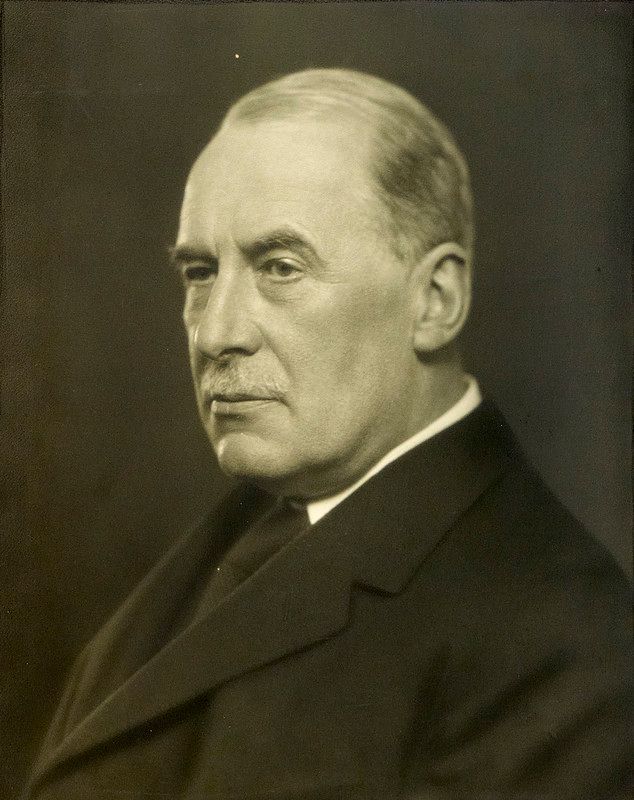
The Architect: Who Frederick Goodenough Actually Was
Goodenough’s own background is worth bringing in directly, since it’s worth understanding what shaped his specific institutional vision. Born in Calcutta in 1866, the son of an East India Company merchant, Goodenough came to Barclays via the Hudson’s Bay Company and the Union Bank of London before rising to chairman in 1917 — a career path steeped in exactly the kind of colonial commercial administration his later “empire bank” project would formalize.
It’s worth understanding what “the sterling area” actually meant as a banking concept. The sterling area referred to the network of countries and colonies whose currencies were pegged to and backed by the British pound, with funds able to move freely to London — meaning a bank built specifically to serve this area wasn’t primarily designed to develop independent local economies, it was designed to keep colonial financial activity flowing efficiently back through London’s own financial center.
Goodenough’s own patient, decade-long acquisition strategy is worth noting directly, since it shows this wasn’t an opportunistic single transaction but a genuinely deliberate long-term plan. He began acquiring shares in the Colonial Bank as early as 1916, years before the eventual 1925 merger, specifically positioning Barclays to eventually control the bank’s existing footprint across West Africa and the Caribbean.
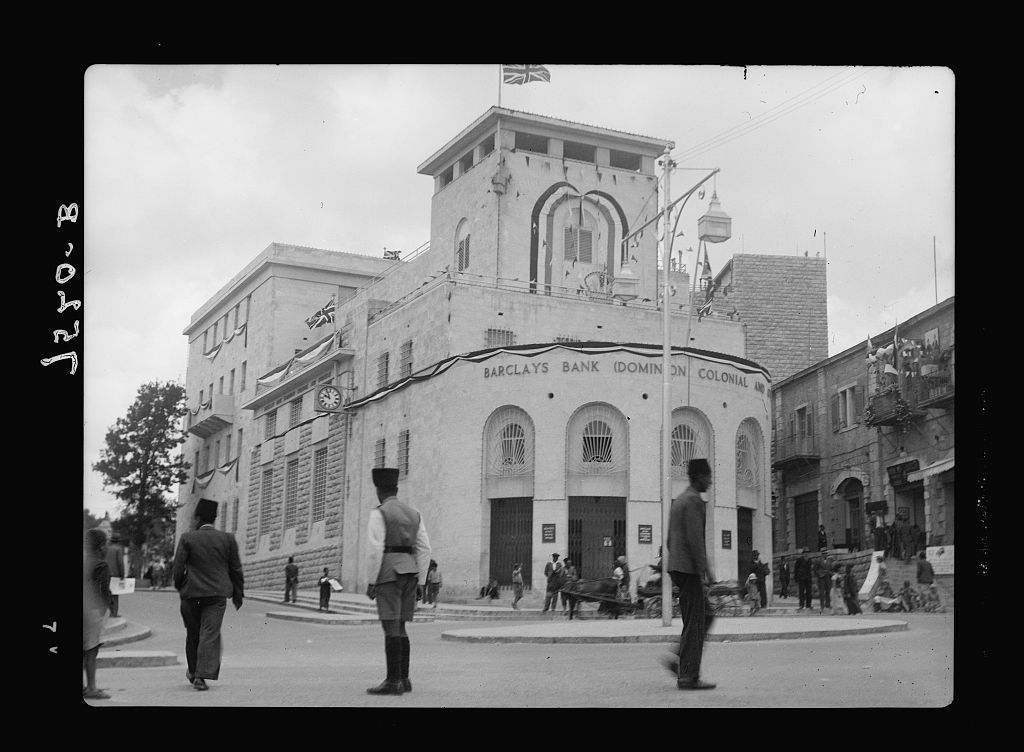
The Merger: How Three Banks Actually Became One
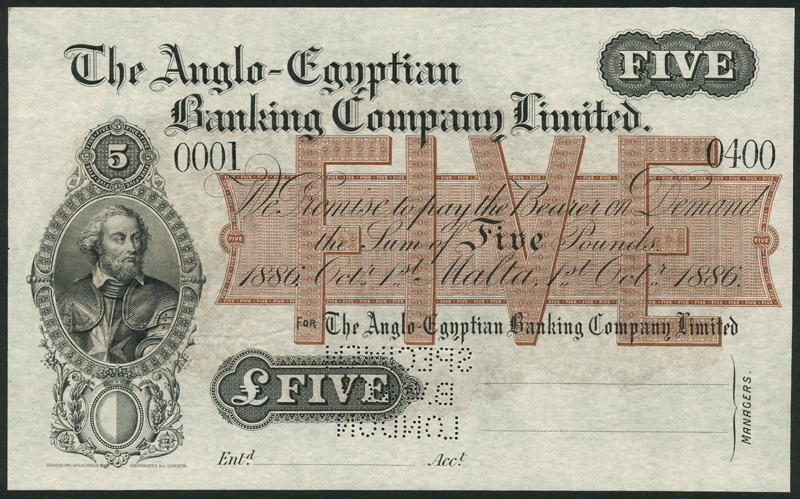
The specific mechanics of the 1925 transaction are worth bringing in directly, since it’s worth understanding exactly how this consolidation worked. Goodenough obtained an Act of Parliament to re-incorporate the Colonial Bank under the new name Barclays Bank (Dominion, Colonial and Overseas), which then formally absorbed both the Anglo-Egyptian Bank (acquired 1920, giving Barclays reach into Egypt, Palestine, and the Sudan) and the National Bank of South Africa (shares acquired from 1919).
There’s genuinely significant institutional resistance this plan faced worth bringing in directly, since it’s worth including as a real historical detail. The merger proceeded “in the face of some opposition by the Bank of England,” which specifically feared Barclays would become overextended by the scale of this empire-spanning consolidation.
The resulting organizational structure is worth noting directly, since it shows the merger wasn’t a simple absorption but a genuinely complex integration. The original three foundation banks continued operating under delegated powers from a central board, with separate local boards maintained for South Africa, the Colonial Bank’s territories, and the Anglo-Egyptian sections well into the new institution’s operation.
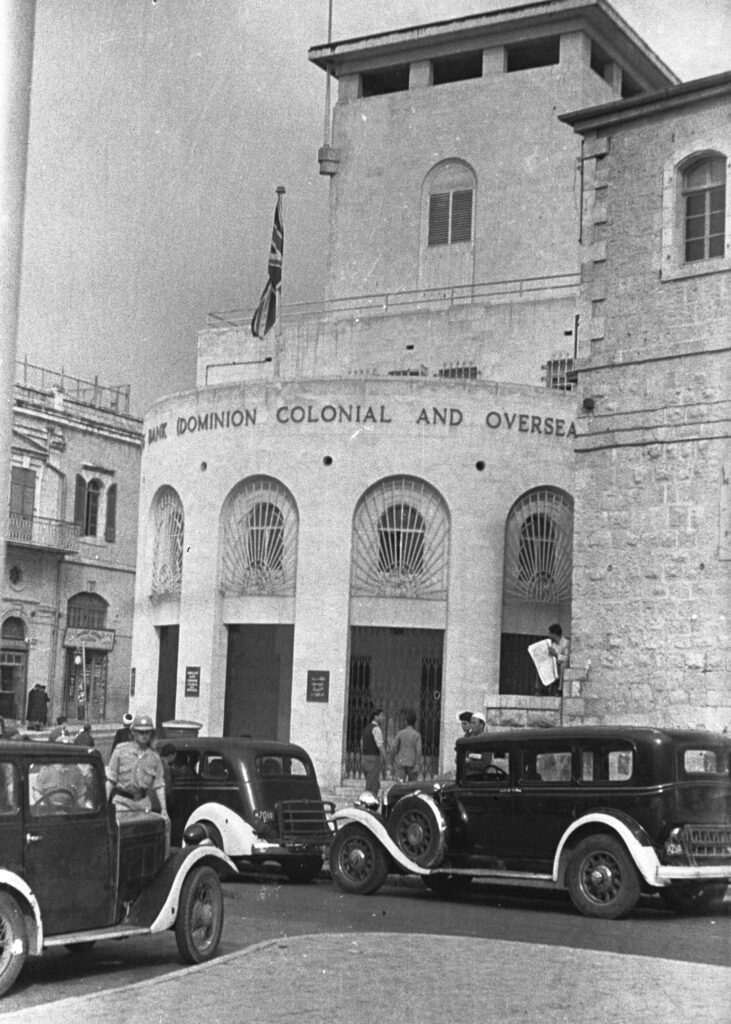
The Purpose Stated Plainly
Here’s the piece’s central and most consequential documented finding, worth introducing directly. Published academic research describes Goodenough’s “Empire Bank” plainly as having been “conceived as a British bank, staffed predominantly by British men, serving British people living and working abroad.”
It’s worth stating what this description actually confirms. This isn’t a critical interpretation imposed by later historians onto an ambiguous institution — it’s a direct, documented characterization of what the bank was built to be from the outset, an institution oriented around serving British colonial administrators, merchants, and settlers, not around developing the economic capacity of the African territories where its branches happened to be located.
There’s a telling detail about what changed, and when, worth including as confirmation of the original model. The same research notes that only “following World War Two, and perceiving the move away from Empire,” did Barclays actually reposition itself as “a local bank,” recruiting and training local staff and shifting its advertising to “a distinctly local tone designed to appeal to local potential customers” — meaning the bank’s shift toward serving African customers directly was a defensive, post-imperial adaptation, not a founding principle.
An institution now remembered partly for its eventual role in Nigerian and Ghanaian banking history was, by its own chairman’s stated vision and by direct academic description, built explicitly to serve British interests abroad — its pivot toward African customers only arrived decades later, once the empire it was actually designed around had already begun to end.
The Myth vs. The Reality
| What people assume | What actually happened |
| Barclays DCO was founded with a genuine, if imperfect, mission to develop banking services for the African territories where it operated | Published research directly describes the bank’s founding purpose as serving British people abroad, not African economic development |
| The bank’s genuine focus on African customers dates back to its earliest years of operation | A genuine shift toward African customers only arrived after World War Two, driven by the perceived end of empire rather than founding intent |
| The bank’s 1925 merger represented a straightforward, uncontested consolidation of colonial banking infrastructure | The Bank of England itself formally opposed the merger over concerns about Barclays becoming overextended |
| Goodenough’s “empire bank” concept was a vague, informal ambition rather than an explicit institutional design | Goodenough pursued the plan deliberately for nearly a decade, beginning share acquisitions in 1916 well ahead of the eventual 1925 merger |
Close: The DNA Was Written Down From the Start
Understanding Barclays DCO’s later record in West Africa — the discriminatory lending patterns, the price-fixing arrangements, the slow and incomplete indigenization process — doesn’t require speculation about the institution’s underlying priorities, because its own founding chairman and its own documented history already describe those priorities plainly: an empire bank, built for Britain, that only later, reluctantly, began adapting itself for the African markets it had operated inside for decades.
This connects directly to the deeper historical foundation this blog has already begun tracing in Barclays DCO’s earlier institutional lineage — an empire-serving purpose stated openly at the very top of the organization, well before any of the specific West African scandals and practices this blog has documented or will go on to document.
Sources and further reading.