

A Historical In-depth Discovery of Trade in West Africa Since 1896
Here’s what you need to know:
- AGOA formally expired on September 30, 2025, ending 25 years of duty-free US market access for eligible African nations — and President John Mahama declared the agreement “technically dead” after the US imposed a fresh 15% tariff on Ghanaian goods.
- Ghana’s AGOA utilization had already been fragile well before the formal expiration: utilized exports (excluding oil) totaled just $86 million in 2022, having already declined 45% in the preceding period.
- The scandal has a human face: DTRT Apparel Group, an Accra-based manufacturer and Ghana’s largest private employer, supports 6,000 jobs — the overwhelming majority held by women — now sitting directly exposed to the tariff shock Mahama’s declaration was responding to.
When a sitting head of state publicly calls a 25-year trade agreement “technically dead,” that’s not a diplomatic hedge — it’s a government formally signaling it’s moving on. This is the story of what led Ghana’s president to say that, and what happens now.
Promised, Delivered So Far, Still Pending, and Red Flags.
Section One: Promised
What AGOA actually offered is worth explaining directly, since it’s worth understanding the full scope of what’s now gone. Established by President Bill Clinton in 2000, AGOA gave eligible sub-Saharan African nations duty-free access to US markets for over 1,800 product categories, supporting the growth of textile, agricultural, and mining industries across more than 30 countries for a quarter century.
It’s worth understanding why AGOA mattered so specifically to apparel manufacturing. Textile and apparel production is highly price-sensitive, and duty-free access to the US market let African manufacturers compete on cost against established low-wage apparel exporters like Bangladesh and Vietnam — remove that tariff advantage, and the underlying cost structure that made African apparel manufacturing viable for the US market largely disappears with it.
Section Two: Delivered So Far
What Ghana actually built under this framework is worth bringing in directly. DTRT (Do The Right Thing) Apparel Group, founded in Accra in 2013 by a mix of Ghanaian, American, and German entrepreneurs, grew to become Ghana’s largest private employer, supporting 6,000 jobs, the majority held by women, producing clothing specifically for the US market.
There’s a more honest, modest overall picture beyond this single flagship employer worth presenting fairly. Ghana’s total utilized AGOA exports, excluding oil, reached only about $86 million in 2022 — a real but comparatively modest figure next to countries like Kenya and Lesotho, whose textile sectors had grown into hundreds of millions of dollars in AGOA-driven exports.
There’s a potential lifeline still working its way through the US legislative process worth including for balance. The US House of Representatives has advanced the bipartisan AGOA Extension Act (H.R. 6500), which includes a retroactive provision intended to refund or liquidate tariffs incurred by exporters since the September 30, 2025 lapse — a real, if uncertain, mechanism that could partially undo the damage if it eventually passes.
There’s specific fragility already visible in Ghana’s AGOA trade before the formal 2025 lapse worth noting, since it shows the underlying trend predates the current crisis. Ghana’s utilized AGOA exports had already declined 45% in the period preceding the 2022 figure, suggesting the relationship was weakening well before Trump-era tariffs or the September expiration made things dramatically worse.
The Scandal: What “Technically Dead” Actually Means for 6,000 Jobs
Here’s the piece’s central and most consequential quote, worth introducing directly. President John Mahama declared AGOA “technically dead” specifically after the United States imposed fresh tariffs on African exports, including a 15% levy on Ghanaian goods — a declaration made not by an outside analyst, but by the head of state whose country’s largest private employer depends directly on the market access AGOA once guaranteed.
There’s a broader regional stakes this decision sits inside, worth bringing in since it shows Ghana’s situation as part of a much larger continental crisis. Researchers at the German Institute of Development and Sustainability found some African economies would face “notable adverse effects,” with an estimated 1.3 million jobs across AGOA-dependent industries continent-wide now at risk, disproportionately affecting women in light manufacturing sectors.
There’s a worker’s own words from elsewhere in the AGOA-dependent region worth including, since it captures the human stakes plainly, even though it comes from outside Ghana specifically. One affected machinist described the stakes starkly: “If it is gone, it means my life is gone too” — a sentiment directly applicable to the thousands of DTRT employees whose jobs now sit exposed to the same tariff shock.
Ghana’s president didn’t declare AGOA dead as rhetorical exaggeration. He declared it dead because the concrete tariff numbers facing Ghanaian exporters left little room for a different conclusion, and the largest private employer in the entire country is now operating inside that reality.
The Pivot: What Ghana Is Doing Instead
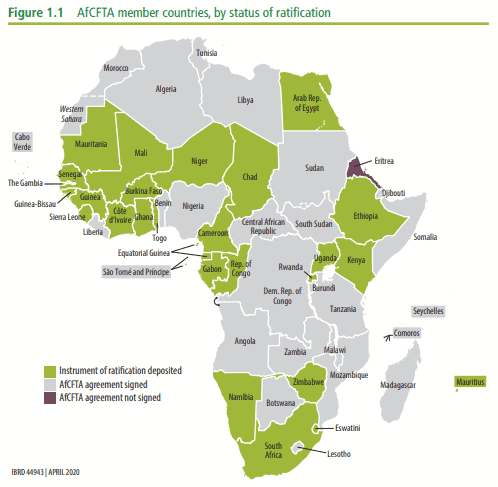
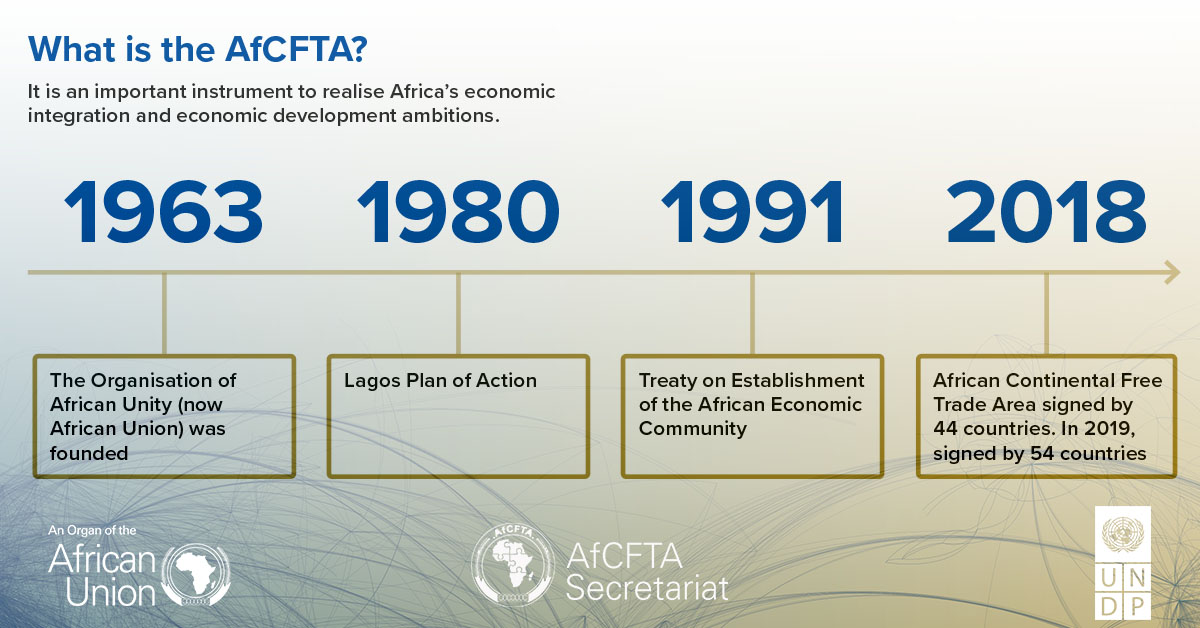
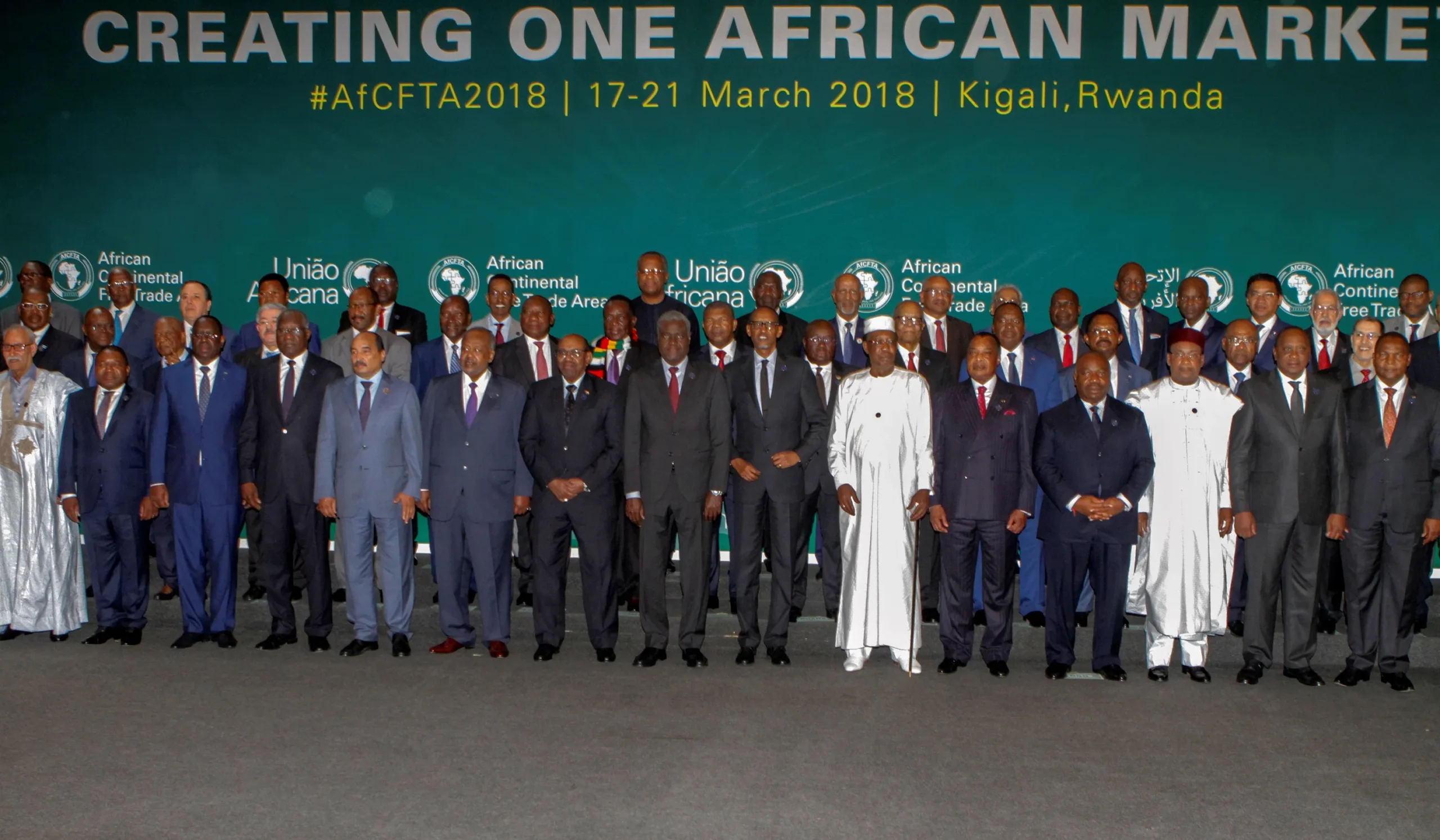
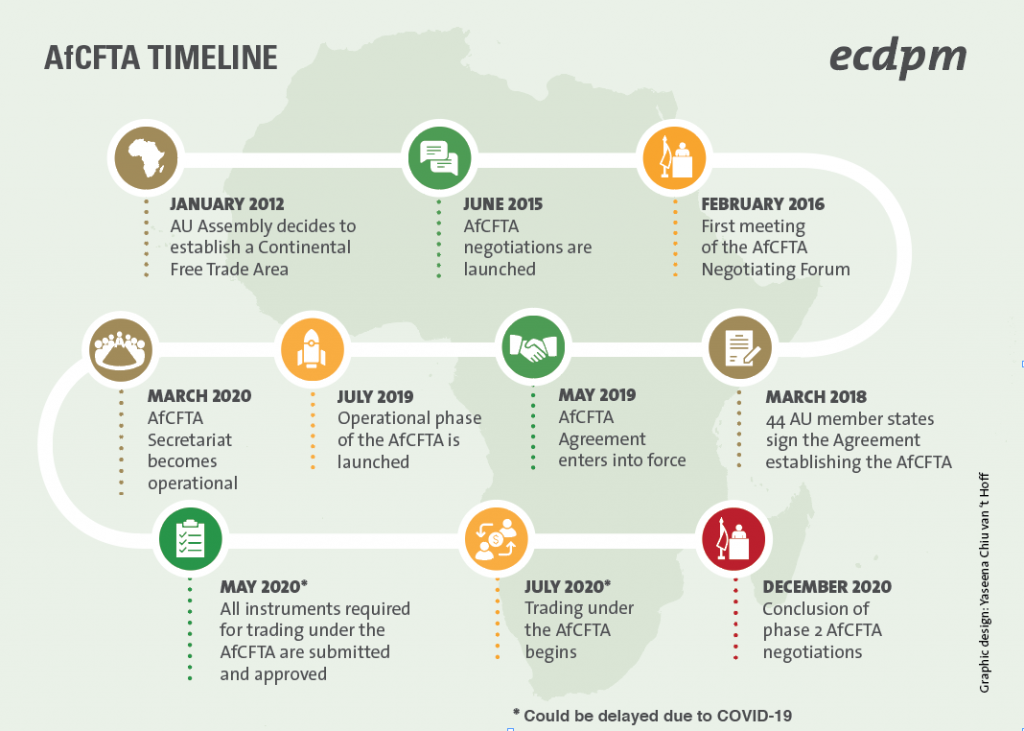
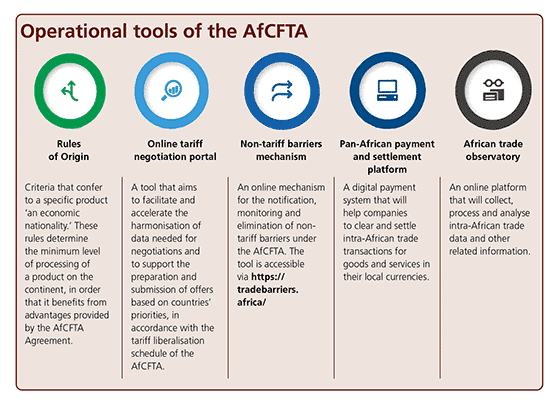
There’s a stated alternative strategy worth bringing in directly, since it’s worth understanding where Ghana’s government says it’s heading next. Officials have pointed to the African Continental Free Trade Area, describing it as offering access to a $3.4 trillion market of 1.4 billion people, framing this as the resilient, longer-term alternative to dependency on any single external trading partner’s preferential program.
There’s symbolic weight to Ghana’s specific position in this pivot worth including. Ghana hosts the AfCFTA Secretariat itself, giving the country a particular institutional stake in positioning continental trade integration as the genuine path forward rather than simply a fallback option.
The Myth vs. The Reality
| What people assume | What actually happened |
| AGOA’s expiration primarily threatens countries with large, well-established textile export sectors like Kenya and Lesotho, with limited direct impact on Ghana | Ghana’s own largest private employer, supporting 6,000 jobs, sits directly exposed to the same tariff shock affecting larger AGOA beneficiaries |
| President Mahama’s “technically dead” declaration was primarily rhetorical, rather than a response to specific, quantifiable tariff changes | Mahama’s declaration followed a specific, concrete 15% US tariff imposition on Ghanaian goods, not an abstract or purely symbolic assessment |
| Ghana’s AGOA relationship was strong and stable right up until the September 2025 lapse | Utilized exports had already declined 45% in the period before the 2022 figure, showing fragility well before the formal expiration |
| Ghana has no clear alternative trade strategy now that AGOA has effectively ended | The government has explicitly pointed to AfCFTA, where Ghana hosts the Secretariat, as its stated path forward |
Close: An Obituary With a Proposed Successor
AGOA’s 25-year run genuinely built real employment and real export capacity in Ghana, even if more modestly than in some other beneficiary countries — and its effective end leaves a real, named company and thousands of real jobs exposed, with Ghana’s own government now betting its trade future on continental integration succeeding fast enough to fill the gap.
This joins the broader AGOA collapse already documented elsewhere in this blog’s coverage of Kenya’s shutdown-era collateral damage, now grounded in a specific Ghanaian company and workforce — proof that a trade policy decision made in Washington translates, concretely and immediately, into whether 6,000 specific people keep their jobs in Accra.
Sources and further reading.