

A Historical In-depth Discovery of Trade in West Africa Since 1896
Here’s what you need to know:
- When President Tinubu removed Nigeria’s fuel subsidy in May 2023 and floated the naira the following month, petrol prices in neighboring Cameroon, Togo, Benin, Guinea, Niger, and Chad surged over 40% almost immediately — a direct consequence of Nigeria’s own domestic policy shift, not anything those countries had changed themselves.
- The scandal, in plain terms: Nigeria’s fuel subsidy, which cost the government roughly $10 billion in 2022 alone, had effectively been subsidizing its neighbors’ pump prices for years too, through large-scale smuggling that a peer-reviewed study later confirmed accounted for a documented 32% share of what Nigeria’s own fuel distribution data had counted as domestic consumption.
- The relief didn’t last: within roughly a year, naira devaluation had pushed the CFA franc’s value above the naira’s, making Nigerian fuel cheap again relative to its neighbors — reviving cross-border smuggling and undoing much of what subsidy removal was supposed to fix.
For years, Nigerian taxpayers were funding artificially cheap fuel prices not just for Nigerians, but for a meaningful share of drivers in five or six neighboring countries too — through a subsidy program never designed with that in mind, and a smuggling network large enough to make it happen at scale.
Symptom, The Repair, and the Track Record — including a fresh peer-reviewed measurement of exactly how big the hidden leak really was.
Symptom: What the Subsidy Was Actually Costing
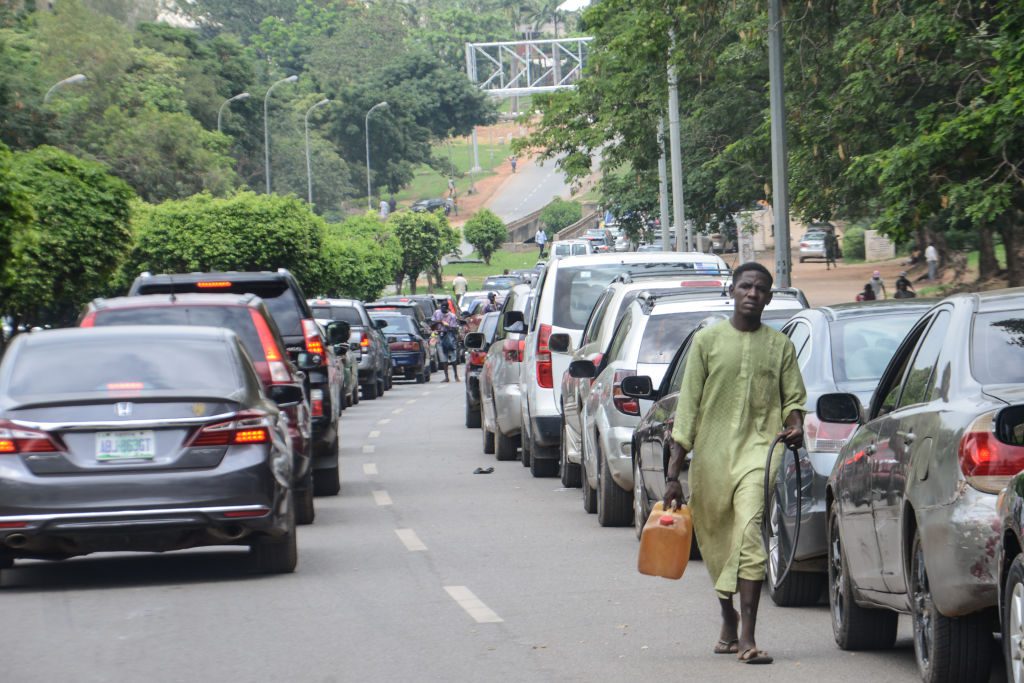
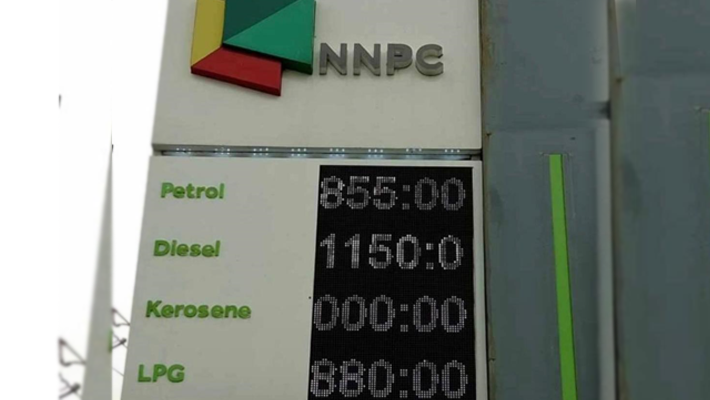
The fuel subsidy’s basic mechanism is worth explaining directly, since it’s worth understanding what actually made cross-border smuggling so attractive. Nigeria’s government had for years kept domestic petrol prices artificially low by directly covering the difference between the true cost of imported fuel and what filling stations charged consumers, a policy that cost the government approximately $10 billion in 2022 alone.
It’s worth explaining why a domestic subsidy program created an international smuggling incentive, since it’s worth understanding the mechanism plainly. Whenever Nigerian pump prices sit meaningfully below prices in a neighboring country, anyone able to move fuel across that border profits from the gap — meaning a subsidy program designed purely for Nigerian consumers inevitably also subsidizes anyone positioned to smuggle that same fuel outward, with no way to restrict the benefit to Nigerian territory alone.
The Repair: What Tinubu Actually Changed
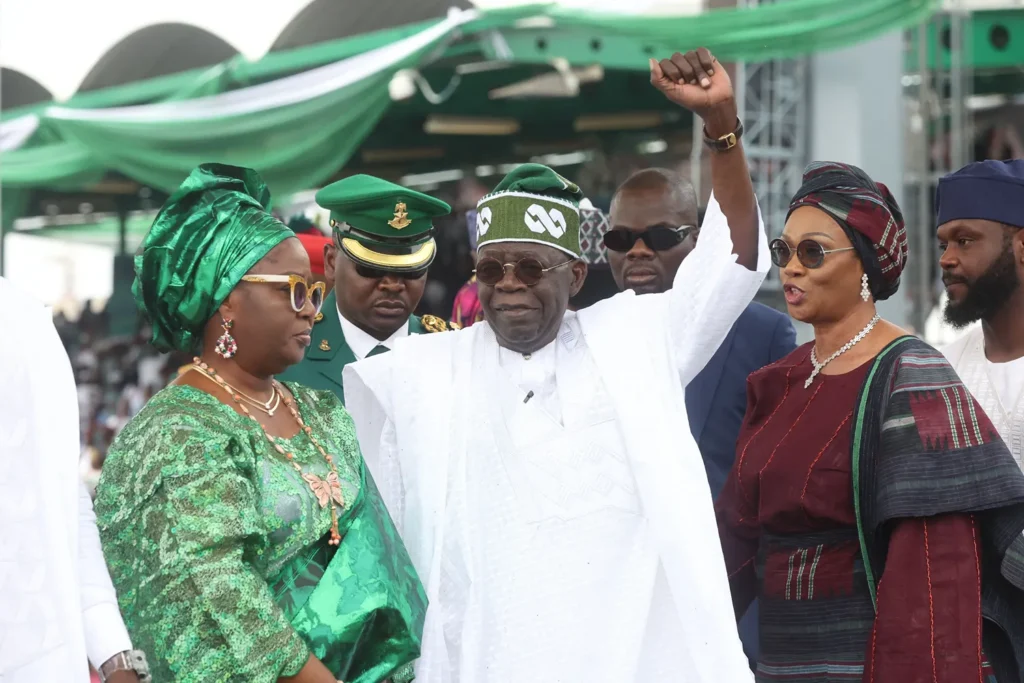
The policy shift is worth bringing in directly. President Bola Tinubu announced the removal of Nigeria’s fuel subsidy in May 2023, followed the next month by the government abandoning its years-long currency peg to let the naira float toward more market-reflective exchange rates.
The stated fiscal rationale behind these changes deserves fair inclusion. The World Bank estimated potential savings of 3.9 trillion naira in 2023 alone from subsidy removal, at a moment when the existing subsidy program had become, in Tinubu’s own words, an unsustainable drain consuming resources that could otherwise fund education, infrastructure, and healthcare.

The Track Record: What Actually Happened at the Borders
Here’s the piece’s central and most rigorous documented finding, worth introducing directly. An academic study published in Energy Research Letters, using trucking data for premium motor spirit movement across Nigeria, found that daily average fuel distribution to Nigeria’s states fell by 32% in the immediate post-subsidy period — with a further 15% decline recorded after Niger’s 2023 coup closed that specific border.
This is a genuinely rigorous confirmation of what had long been suspected, worth stating precisely. This kind of immediate, substantial decline in domestic distribution volume, occurring right when cross-border price incentives disappeared, is strong statistical evidence that a meaningful share of what Nigeria’s own fuel data had been counting as “domestic consumption” was actually smuggled fuel destined for neighboring markets all along.
The direct price impact this had on neighboring countries is worth including in full. Petrol prices across surveyed West African markets surged more than 40% following Nigeria’s subsidy removal, with countries including Cameroon, Togo, Benin, and Guinea facing the brunt of the shock, and energy sector expert Kelvin Emmanuel stating plainly, “The surge seen in prices of petrol around border countries like Benin Republic, Chad and Niger is a testament to the fact that Nigeria has for years subsidised petrol prices across these countries.”
There’s a human reaction this produced worth including, since it shows the real, immediate impact on ordinary people. Motorcycle riders in Cameroon were captured in widely shared social media footage visibly distraught over the sudden price increase, a direct, unmediated reaction to a policy decision made entirely inside Nigeria’s own borders.
The Scandal: The Relief Didn’t Last
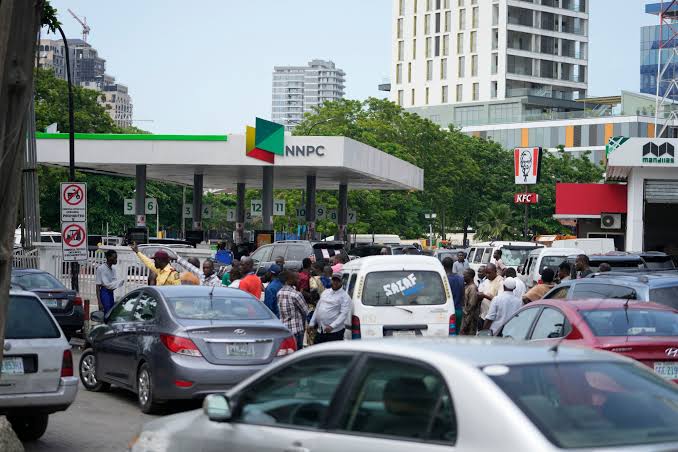
Here’s the reversal, worth introducing directly since it complicates any simple “problem solved” narrative. Within roughly a year, Nigeria’s naira had devalued so significantly — reaching around 1,560 per dollar — that the CFA franc used across Benin, Niger, Togo, and Cameroon became more valuable than the naira, flipping the smuggling incentive right back on.
There’s a specific documented trading pattern this reversal produced worth including, sourced directly to investigative reporting. By 2024, smugglers were buying fuel at Nigerian filling stations for between N580 and N630 per litre and reselling it across the border for as much as N1,200 per litre, with Nigeria Customs intercepting 1,529,996 litres of smuggled petrol between January and July 2024 alone, valued at N205.4 billion.
Nigeria’s 2023 reforms genuinely disrupted one specific mechanism funneling subsidized fuel to its neighbors, but the underlying vulnerability — a currency and pricing gap large enough to make smuggling profitable — simply reopened through a different channel once naira devaluation created a new version of the same incentive, meaning the region’s fuel markets remain hostage to whatever direction Nigeria’s currency happens to be moving at any given moment.
The Myth vs. The Reality
| What people assume | What actually happened |
| Nigeria’s fuel subsidy program was designed to benefit Nigerian consumers exclusively, with no meaningful spillover to neighboring countries | Peer-reviewed research found domestic fuel distribution fell by 32% immediately after subsidy removal, statistical evidence that a substantial share of “Nigerian consumption” had actually been smuggled fuel benefiting neighboring markets |
| The 2023 subsidy removal and naira float permanently resolved the cross-border fuel price distortions affecting Nigeria’s neighbors | Within roughly a year, naira devaluation reopened the same cross-border price gap through a different mechanism, reviving large-scale smuggling documented by Nigeria Customs’ own 2024 seizure data |
| Price shocks in neighboring countries following Nigeria’s policy changes reflected each country’s own separate economic conditions | The price surges tracked directly and immediately to Nigeria’s own subsidy removal, according to energy sector analysis at the time |
| Nigeria Customs’ 2024 seizure data reflects a new, unrelated smuggling problem | It reflects a revived version of the exact same cross-border price gap dynamic that had existed before the 2023 reforms |
Close: A Subsidy That Never Respected the Border It Was Meant to Stop At
Nigeria’s fuel subsidy was written as domestic policy, but functioned, for years, as an accidental regional one — and removing it caused real, immediate price shocks across half a dozen neighboring countries whose governments had no say in the decision, before naira devaluation reopened a version of the same cross-border distortion through an entirely different mechanism within about a year.
This is the same throughline running through nearly every piece of this blog’s Customs, Logistics & Infrastructure coverage that touches Nigeria’s borders — currency and pricing decisions made entirely inside one country’s economic policy apparatus routinely reshape trade and livelihoods across an entire region, whether or not that regional impact was ever part of the original policy conversation.
Sources and further reading.