

A Historical In-depth Discovery of Trade in West Africa Since 1896
Here’s what you need to know:
- Orano obtained the operating permit for Niger’s Imouraren deposit — an estimated 200,000 tonnes of uranium, one of the largest deposits in the world — back in 2009, with mining originally scheduled to begin in 2015.
- That development never happened: the global uranium price collapsed after the 2011 Fukushima disaster, and Orano froze the project indefinitely, leaving the permit dormant for roughly 15 years.
- The scandal: Niger’s government issued a public ultimatum demanding development resume by June 19, 2024, and revoked the license the day after that deadline passed — just weeks after Bloomberg reported Russia’s Rosatom was in talks to acquire Orano itself, with Al Jazeera separately reporting direct Russian interest in the Imouraren site.
Orano held the rights to one of the largest uranium deposits on Earth for fifteen years and never actually mined it. When Niger’s government finally took it back, the timing lined up with reports that a very different foreign power was suddenly interested in exactly the same site.
Symptom, The Repair, and the Track Record — including a geopolitical subplot that adds real stakes to what could otherwise look like a routine permit dispute.
Symptom: Why a Massive Deposit Sat Idle for Fifteen Years
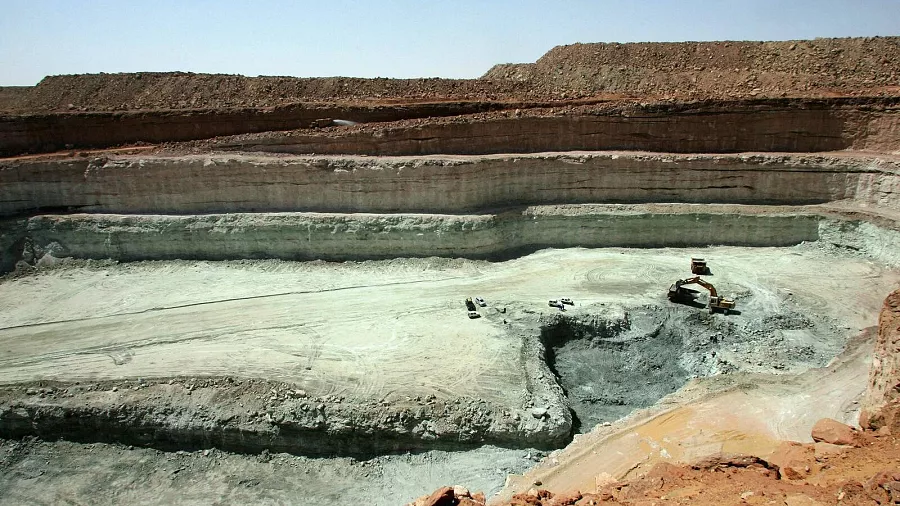
The original permit and its scale are worth explaining directly. Orano obtained the operating permit for the Imouraren deposit in 2009, with the site holding an estimated 200,000 tonnes of uranium — making it one of the largest uranium deposits anywhere in the world, and mining was originally scheduled to begin in 2015.
It’s worth understanding why global uranium prices matter so directly to whether a deposit like this gets developed at all. Uranium mining requires enormous upfront capital investment relative to the eventual per-tonne value of the ore, meaning a project’s viability depends heavily on the price uranium is expected to sell for once production begins — when that expected price collapses, even a genuinely massive, high-quality deposit can become uneconomical to develop, regardless of how much uranium is actually in the ground.
The specific event that froze the project is worth bringing in directly. The 2011 disaster at Japan’s Fukushima Daiichi Nuclear Power Plant triggered a global collapse in uranium prices, as countries worldwide reconsidered nuclear power expansion plans — and Orano’s Imouraren development, originally on track for 2015, was frozen in response, remaining undeveloped for the next thirteen years.
The Repair: Niger’s Ultimatum
Here’s the piece’s central turning point, worth introducing directly. Niger’s Ministry of Mining formally warned it would revoke Orano’s license if development at Imouraren hadn’t visibly started by June 19, 2024.
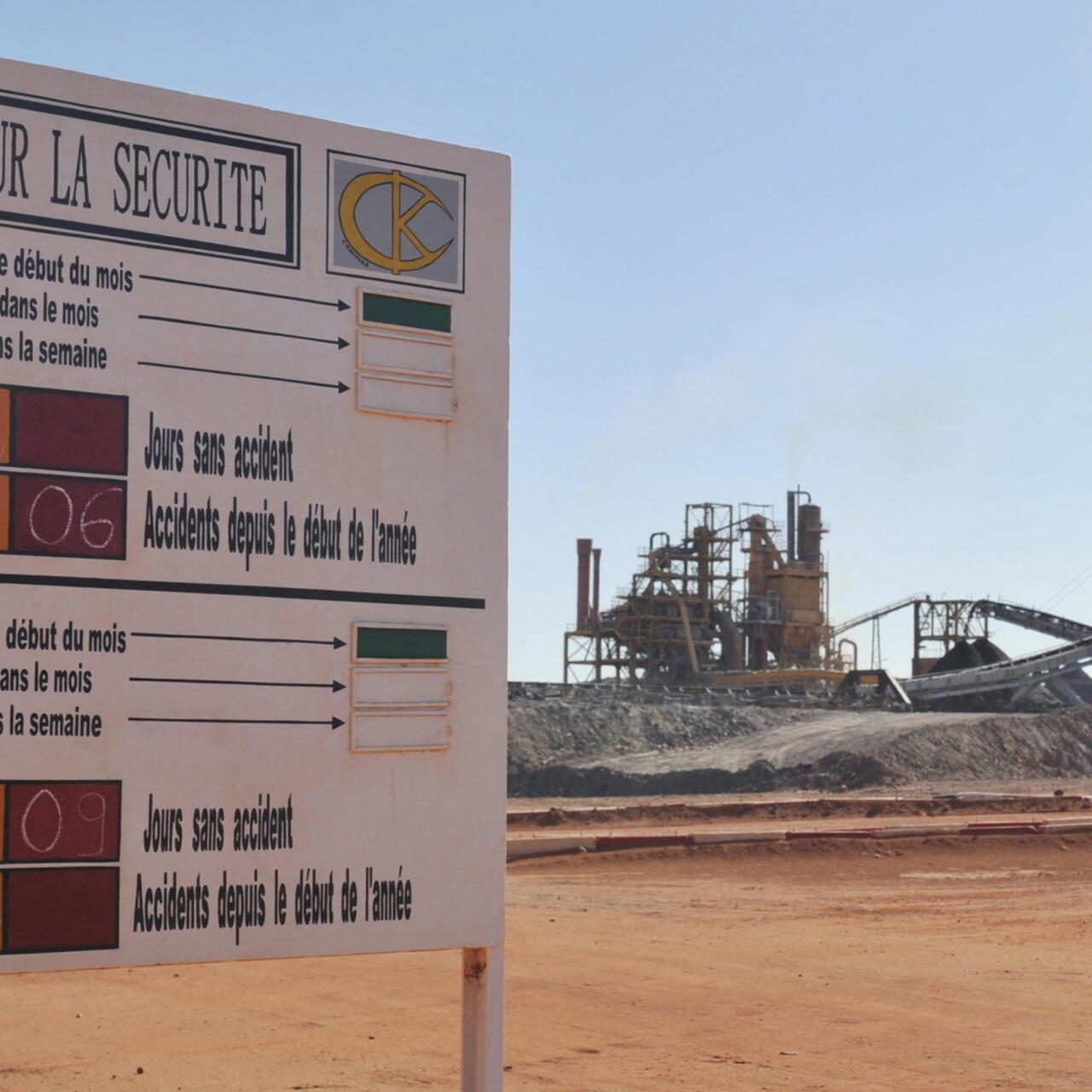
Orano’s last-minute response to this pressure is worth bringing in, since it shows the company genuinely tried to comply. The company stated it had recently resumed “activities” at the site, reopening infrastructure specifically to accommodate the arrival of construction teams, describing this effort as being “in line with the wishes of the government.”
Despite this scramble, Niger’s military government formally revoked Orano’s operating license on June 20-21, 2024, ordering the company out of a deposit it had held rights to, undeveloped, for fifteen years.
The Track Record: The Russia Question
Here’s the piece’s sharpest and most consequential finding, worth introducing directly. On June 3, 2024 — just over two weeks before Niger’s revocation deadline — Bloomberg reported that Russia’s state-owned nuclear company, Rosatom, was in talks to acquire Orano itself, not simply its Niger assets.
The direct reporting on Russian interest in this specific site is worth including precisely. Al Jazeera reported that “Russian companies have indicated interest in the uranium mining site in Imouraren,” noting “a flurry of activities between Russian” business and Nigerien officials around the same period.
It’s worth being careful about what’s proven versus suggestive here. No public document confirms Niger revoked Orano’s license specifically to hand Imouraren to Russian interests — but the timing, with Rosatom-Orano acquisition talks and reported Russian interest in this exact deposit surfacing in the same narrow window as the license revocation, is close enough to warrant real scrutiny rather than dismissal as coincidence.
There’s a broader, more complicated pattern of foreign company treatment during this same period worth bringing in, since it shows the revocation wasn’t simply anti-foreign-investor policy across the board. Niger’s junta also revoked Canada-based GoviEx Uranium’s license for the Madaouela deposit around the same time — but separately confirmed explicit support for Canada-based Global Atomic’s Dasa uranium project, with Niger’s government stating its backing for that company’s continued development toward planned 2025 production.
The Scandal: What Happened After the First Revocation
Bring the story forward to its eventual full resolution, since the 2024 license revocation wasn’t actually the final word. After Orano proposed a fresh technical solution and Niger’s government set yet another compliance deadline, that six-month window expired without resolution, and the government formally cancelled the Imouraren concession entirely, declaring on national television that the land was now “free of all rights.”
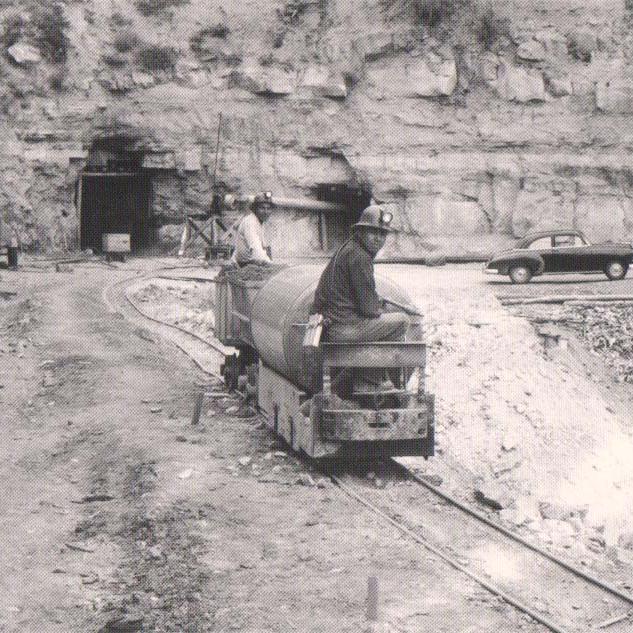
There’s an additional related revocation this same broader dispute produced, worth bringing in since it shows the confrontation extending beyond Imouraren specifically. Nigerien authorities separately moved against the former COMINAK uranium mine site — operated by Orano from 1978 to 2021 — accusing the French company of causing “dramatic impacts” on soil, water resources, and biodiversity in the surrounding area.
A deposit large enough to be measured in the hundreds of thousands of tonnes sat undeveloped for a decade and a half under Orano’s control, and only became the subject of an urgent, deadline-driven ultimatum once broader France-Niger political tensions intensified — with the timing of its final revocation coinciding closely enough with reported Russian corporate and mining interest in the exact same site to raise real, if unproven, questions about what was actually driving the decision.
The Myth vs. The Reality
What people assume | What actually happened |
| Niger’s revocation of Orano’s Imouraren license reflects blanket hostility toward all foreign mining investment | Niger’s government explicitly confirmed continued support for a different foreign company’s uranium project, Global Atomic’s Dasa, even while revoking Orano’s and GoviEx’s licenses around the same period |
| The fifteen-year delay in developing Imouraren was purely a matter of Orano’s own strategic choices, unrelated to global market conditions | Orano’s own account attributes the development freeze specifically to the post-Fukushima collapse in global uranium prices, a genuine market condition rather than simple strategic neglect |
| Niger’s June 2024 revocation came without warning or an opportunity for Orano to respond | The government issued a specific public deadline, and Orano visibly attempted to resume site activities in response before the license was revoked anyway |
| Russian interest in the Imouraren site is confirmed to have directly caused Niger’s revocation decision | No public document confirms this causal link — the connection is suggestive based on timing, not proven |
Close: A Decade and a Half of Delay, Revoked in a Season
Orano’s fifteen years of non-development at Imouraren had a real, defensible economic explanation rooted in the post-Fukushima uranium price collapse — but that explanation didn’t survive contact with a Nigerien government already primed by broader post-coup tensions to interpret continued dormancy as bad faith, especially with reports of Russian corporate interest surfacing in the exact same window as the final revocation.
This adds another chapter to this blog’s extensive Niger-Orano coverage, showing that even the parts of this relationship rooted in genuine market economics — not sovereignty disputes, not coup politics — ultimately got swept into the same broader confrontation once the political relationship between Niamey and Paris had deteriorated far enough.
Sources and further reading.