

A Historical In-depth Discovery of Trade in West Africa Since 1896
Here’s what you need to know:
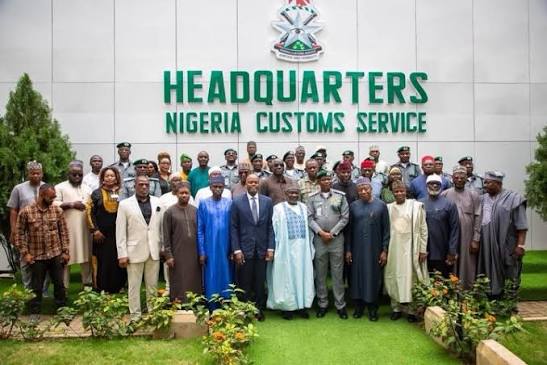
- Nigeria Customs first announced GPS-enabled electronic tracking for containers moving from Apapa to inland terminals in Kano and Kaduna specifically to curb diversion — but as of July 29, 2026, the Electronic Cargo Tracking System has only just expanded to its second pilot command, PTML, following its initial rollout at Apapa.
- Real enforcement results exist alongside this slow expansion: in December 2025, Customs seized 20 diverted containers worth ₦769.53 million on the Kano-Jigawa axis and secured a real conviction — trader Abdulrahman Adam received three years’ imprisonment with a ₦3 million fine option.
- The scandal: despite years of this technology being publicly touted as the fix for cargo diversion, the Kano/Jigawa Area Command alone intercepted 14 more diverted 40-foot containers in just the first six months of 2026 — meaning the underlying problem the system was built to solve is still actively occurring, years into its existence.
Nigeria Customs has been talking about GPS-tracked containers curbing diversion for years now. As of the most recent update available, the actual technology is still only running at two pilot commands out of dozens across the country.

Section One: Promised
The original problem this system was built to solve is worth explaining directly, since it’s worth understanding the mechanics. Cargo moving under “transire” to bonded terminals, between commands, or to Free Trade Zones traditionally relied on physical officer escort — an approach Customs itself acknowledges “rising trade volumes have rendered… unsustainable, leading to delays, potential vulnerabilities, and significant manpower strain.”
It’s worth explaining what the Electronic Cargo Tracking System actually does technically. The system offers real-time cargo monitoring via GPS from point of departure to final destination, with instant alerts triggered by route deviation, seal tampering, or unauthorised stops — replacing manual physical escort with continuous digital surveillance of the container’s actual movement.
Officials’ own framing of the system’s broader goals is worth quoting directly. Deputy Comptroller Nura Miko described the initiative as designed to “optimise manpower deployment” by freeing officers from escort duties, while enhancing “revenue assurance through accurate data on cargo movement and full accountability for all movements.”
Section Two: Delivered So Far
The actual rollout sequence is worth bringing in directly, since it shows real but incremental progress. The system launched first at the Apapa Area Command, with Customs officials describing that initial deployment as “successful” before selecting PTML as the second pilot site, formally announced during a stakeholder sensitisation workshop on July 29, 2026.
There are genuine enforcement results this technology and related efforts have already produced. In December 2025, Comptroller-General Adewale Adeniyi announced the interception of 20 diverted transit containers worth a cumulative ₦769.53 million on the Kano-Jigawa axis, describing the operation as the result of “sustained, intelligence-driven enforcement efforts aimed at dismantling organised diversion syndicates.”
There’s a specific conviction achieved worth including, since it’s a concrete legal outcome. Adeniyi confirmed the arrest, prosecution, and conviction of Abdulrahman Adam for container diversion, sentenced to three years’ imprisonment with an option of a ₦3 million fine — a ruling the CGC described as “a clear warning to those involved in illicit trade practices.”
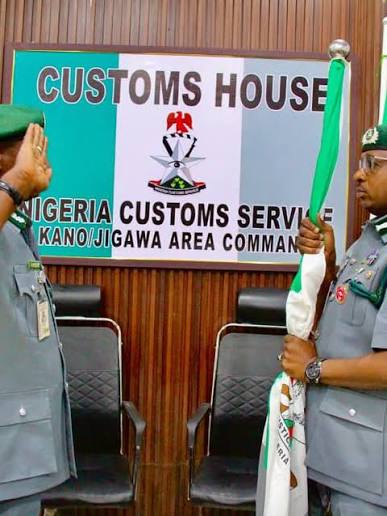
The revenue figures from the Kano/Jigawa command specifically show a positive trend. The command generated ₦63.08 billion in revenue between January and June 2026, a 7.4% increase over the same period in 2025.
Section Three: Still Pending
What “nationwide” actually means in practice, as of the most recent reporting, is the section’s central fact. Despite years of the program being publicly discussed, the Electronic Cargo Tracking System had, as of late July 2026, expanded to only its second pilot command — meaning the vast majority of Nigeria’s ports and inland terminals were still not covered by the technology.
There’s an honest acknowledgment embedded in officials’ own language about why this expansion is happening incrementally. PTML’s selection was framed as reflecting its “strategic importance in national revenue generation and trade facilitation,” suggesting the rollout is being sequenced by command priority rather than deployed simultaneously across the country.

The Scandal: The Red Flags
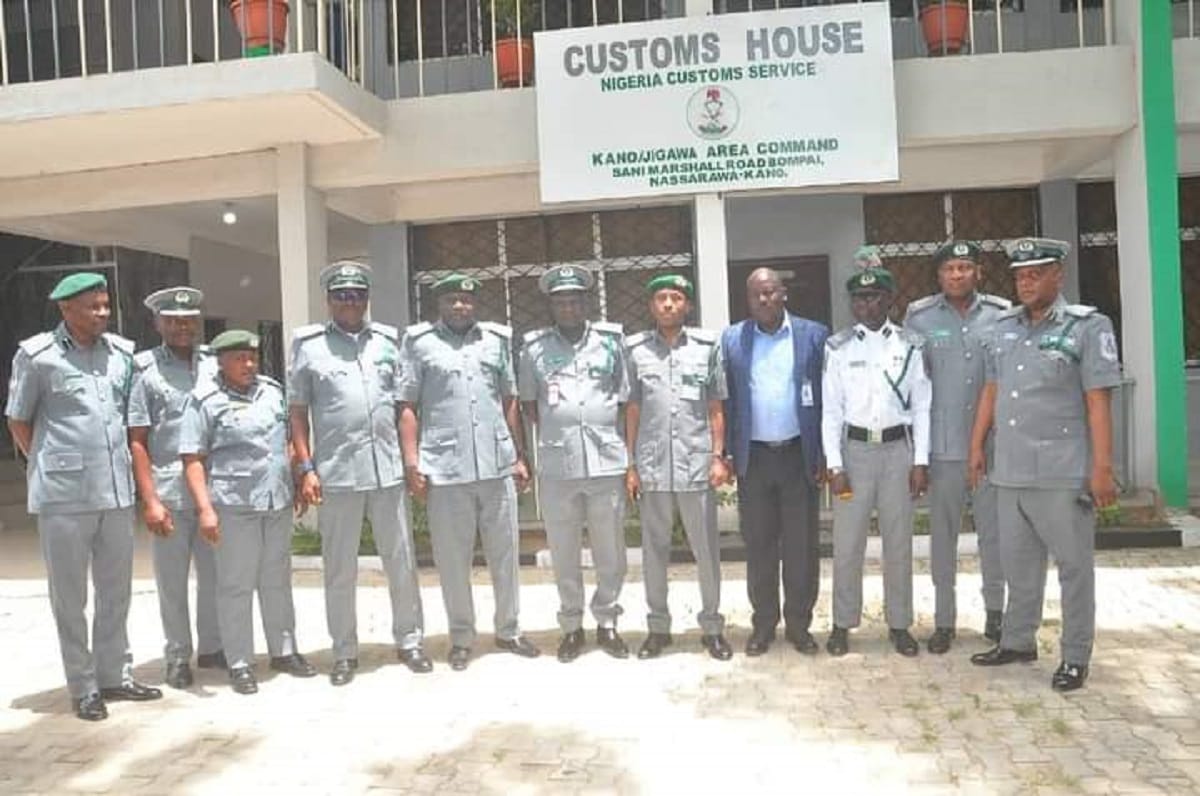
Here’s the piece’s central documented concern. Despite years of GPS tracking technology being promoted as the solution to container diversion, the Kano/Jigawa Area Command alone intercepted 14 more 40-foot transit containers “involved in diversion and abuse of transit procedures” in just the first six months of 2026.
The juxtaposition is worth making explicit, since it’s the scandal’s sharpest point. A technology specifically built to eliminate diversion through real-time GPS monitoring, alert triggers for route deviation, and seal tampering detection, is still coexisting with dozens of documented diversion cases at the exact commands most associated with its deployment — years after the technology was first introduced.
There’s nuance in the revenue data worth including honestly. Customs itself acknowledged the Kano/Jigawa command’s improved revenue performance came “despite a decline in cargo throughput” — meaning rising revenue figures don’t necessarily indicate rising trade volume, and could reflect either genuinely improved enforcement efficiency or a broader economic contraction affecting overall cargo movement.
This isn’t a story of a technology that failed outright — real seizures, a real conviction, and real revenue growth are all genuinely documented — but a system publicly framed for years as the fix for container diversion is, in practice, still only operating at two pilot commands, while the underlying diversion problem it was built to solve continues at a documented, meaningful scale even within its existing footprint.
The Myth vs. The Reality
| What people assume | What actually happened |
| Nigeria’s GPS-enabled electronic cargo tracking system has been fully deployed nationwide since its initial introduction | As of July 2026, the system had only just reached its second pilot command, following the initial Apapa rollout |
| Container diversion has been substantially eliminated at the commands where this tracking technology has been deployed | The Kano/Jigawa command alone documented 14 more diverted containers in just the first half of 2026 |
| Rising revenue figures at commands using this technology reflect rising trade volume and successful modernization | Customs itself acknowledged the improved revenue came “despite a decline in cargo throughput” |
| The system’s rollout pace reflects technical or logistical obstacles rather than deliberate sequencing | Officials frame the pilot expansion explicitly around each command’s “strategic importance,” suggesting a deliberate, staged rollout |

Close: Real Progress, Genuinely Slow
Nigeria Customs’ GPS cargo tracking system represents a genuinely sound technical approach to a real, well-documented problem, and the seizures, convictions, and revenue figures behind it are real, verifiable achievements — but years after its initial introduction, the system’s actual geographic footprint remains limited to a small number of pilot commands, while the diversion it was built to stop continues at a documented scale even where the technology is already active.
This joins B’Odogwu, Publican AI, and the body camera rollout, all already documented elsewhere in this blog’s Customs, Logistics & Infrastructure coverage, as further evidence that genuine technological reform and a fully solved underlying problem are two different milestones — and West African customs modernization keeps reaching the first one well before it reaches the second.

Sources and further reading.