

A Historical In-depth Discovery of Trade in West Africa Since 1896
Here’s what you need to know:
- Nigeria’s body camera rollout is a multi-agency effort led by the Office of the National Security Adviser, training staff from the Federal Airports Authority, Nigeria Customs Service, and Nigeria Immigration Service since October 2024, with 1,000 cameras distributed to “curb malpractice.”
- The scandal, extremely current: an investigative report published in early August 2026 alleged intensified smuggling along multiple named border corridors and manipulation of a specific vehicle valuation code at the Apapa, Tin Can Island, and PTML commands — the very same commands where Customs has concentrated its digital modernization push.
- Customs issued a formal, public denial the following day, stating it maintains “a firm, intolerant posture toward corruption” and inviting investigation from the EFCC, National Assembly, and the Office of the National Security Adviser — even as a separate 2025 Chatham House analysis noted Nigerian police had previously investigated a journalism organization following its own reporting on alleged Customs corruption.
Body cameras work on a simple logic — officers behave differently when they know they’re being recorded. This is a look at whether that logic is actually holding up, using an allegation that broke just this week.
Symptom, The Repair, and the Track Record — including a scandal still unfolding as this piece is being written.
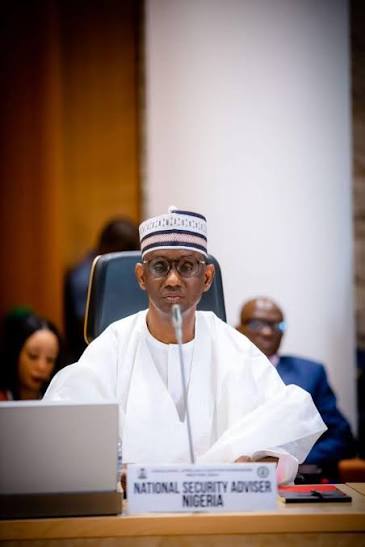
Symptom: What the Cameras Were Meant to Watch
The underlying trust problem is worth explaining directly, since it’s well documented independent of this specific rollout. A Chatham House analysis of corruption in Nigeria described a genuine “crisis of trust” in national institutions, citing survey data on public perceptions of corruption across government agencies.
There’s a specific press freedom concern tied directly to Customs, worth bringing in since it’s a striking, documented detail. The same analysis noted that in April 2024, Nigerian police investigated the Foundation for Investigative Journalism specifically after that organization’s own reporting on alleged corruption involving Nigeria Customs Service officials — a detail worth including since it shows scrutiny of Customs corruption has itself, at times, drawn official pushback.
It’s worth explaining why body cameras specifically were chosen as a corruption tool, since the mechanism is worth understanding plainly. Unlike a digital clearance platform that governs paperwork, body cameras are meant to document the actual physical, interpersonal moments where officers and travelers or traders interact directly — the checkpoint conversations, the informal negotiations, the exact moments where extortion and bribery traditionally happen off any official record.
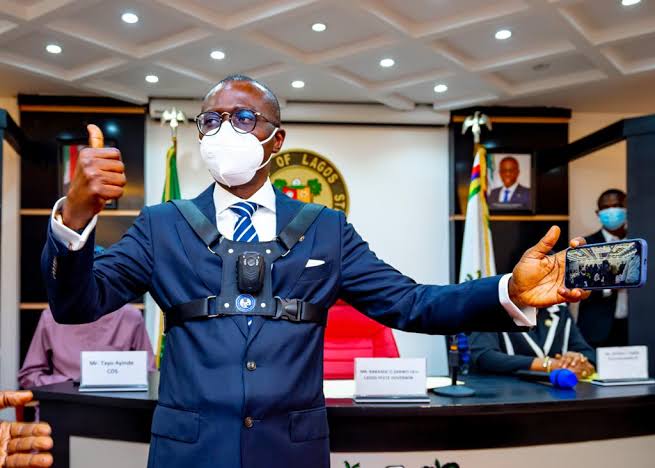
The Repair: What Actually Got Deployed
The program’s actual scope is worth laying out directly, since it’s broader than a single-agency initiative. The Office of the National Security Adviser began training personnel from the Federal Airports Authority of Nigeria, Nigeria Customs Service, and Nigeria Immigration Service starting in October 2024, ahead of distributing 1,000 body cameras across these agencies.
The government’s own framing of the program’s purpose is worth quoting directly. Minister Festus Keyamo stated the cameras would help “curb malpractice,” and separately assured Nigerians the government was “rapidly moving towards implementation,” promising the project would bring “speedy results” to address long-standing issues in airport operations.
There’s a complementary accountability measure introduced alongside the cameras worth noting. The Ministry also established direct contact lines allowing passengers to report cases of extortion instantly, available at major airports including Lagos — a parallel reporting channel meant to work alongside the camera footage itself.
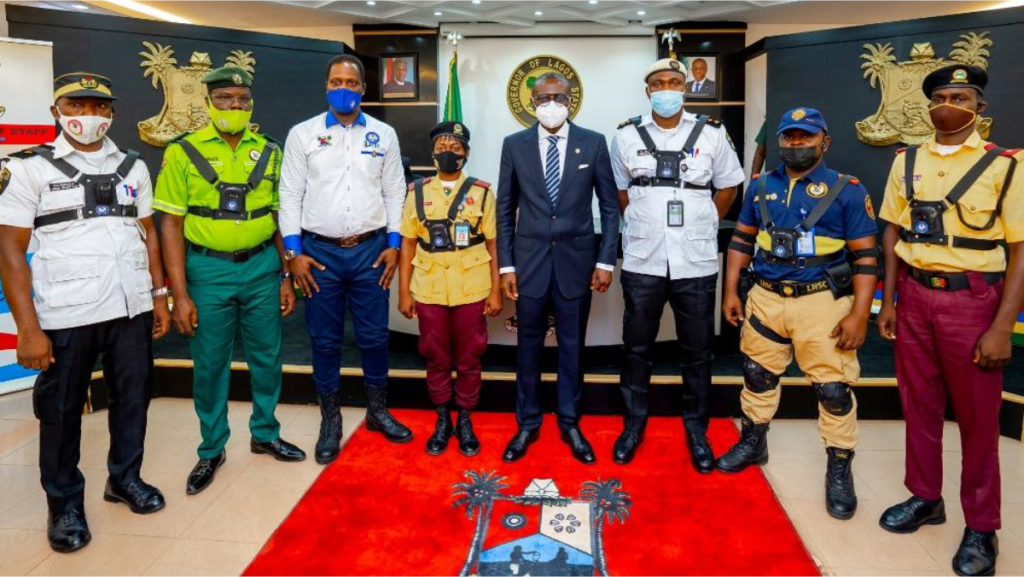
The Track Record: What Customs Says About Its Own 2025
Customs’ own self-assessment is worth bringing in directly, since it provides useful context for what came next. In a January 2026 review of its performance, Customs attributed its gains to “improved compliance, better data use, digital tools, and disciplined enforcement,” specifically citing officer training programs focused on “human rights compliance, evidence preservation, and lawful enforcement” as central to its reform efforts.
This is worth stating precisely, since it sets up the contrast that follows. It’s a genuinely positive, self-reported account of institutional progress — the kind of narrative any anti-corruption technology rollout would want to be able to tell.
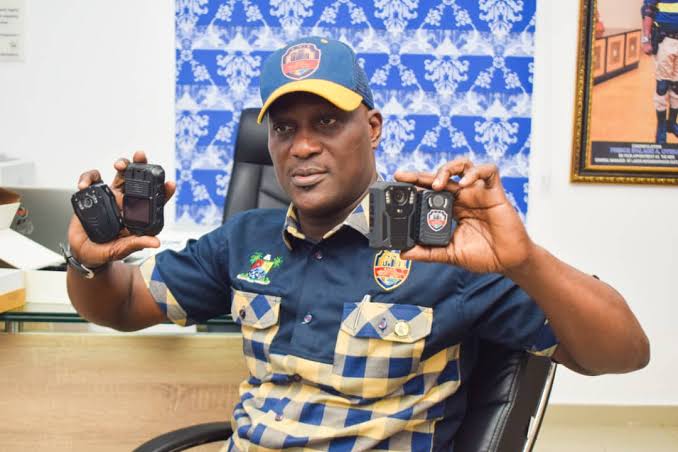
The Scandal: The Allegation That Broke This Week
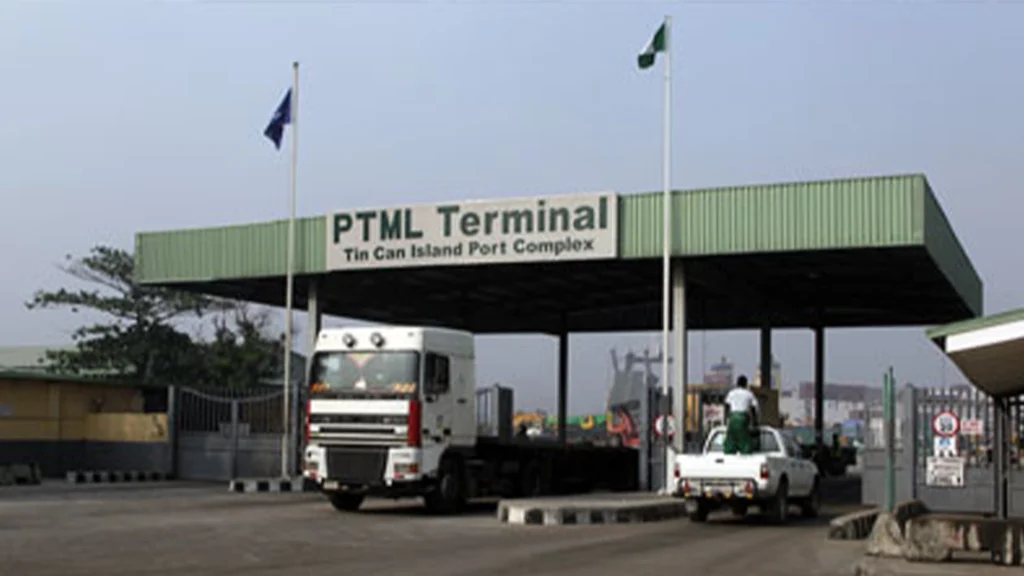
Here’s the piece’s central and most urgent finding. An investigative report published by a media outlet on August 7, 2026, alleged intensified smuggling along the Seme, Idiroko, Ilaro, Ipokia, and Igbeti-Kishi corridors, alongside manipulation of the “846” Extended Procedure Code — a valuation mechanism used for vehicles with non-standard Vehicle Identification Numbers — specifically at the Apapa, Tin Can Island, and PTML Area Commands.
It’s worth noting precisely why this location detail matters so much for this piece. These are the exact commands where B’Odogwu, Nigeria’s homegrown customs platform already documented elsewhere in this blog, was piloted and expanded, meaning the allegation lands directly on top of the region Customs has most heavily promoted as evidence of its own modernization success.
Customs’ formal, public denial is worth quoting directly, since it deserves fair and full presentation. Deputy Comptroller Abdullahi Aliyu Maiwada, the Service’s National Public Relations Officer, stated on behalf of Customs that “the management maintains a firm, intolerant posture toward corruption, revenue leakage or administrative misconduct,” adding that any officer or stakeholder found culpable would face “disciplinary action and prosecution.”
Customs’ specific invitation for outside scrutiny is worth including as part of the agency’s own stated position. The Service said it would “welcome and fully cooperate with any investigation initiated by statutory oversight or anti-corruption bodies,” explicitly naming the EFCC, National Assembly, and Office of the National Security Adviser as bodies it remains accountable to.
Without asserting which side is correct, the core point is worth stating precisely. A body-camera and digital-modernization anti-corruption push, publicly credited by Customs itself as improving “disciplined enforcement,” now sits directly alongside a specific, named, recently published allegation of intensified smuggling and valuation manipulation at the very commands that modernization push has most prominently featured — a contradiction that remains genuinely unresolved as of this writing.
The Myth vs. The Reality
| Nigeria’s body camera and digital modernization reforms have measurably reduced corruption at the country’s busiest customs commands | Customs’ own January 2026 self-assessment credits its reforms with genuine gains, while a separately published August 2026 investigative report alleges intensified corruption at the exact same commands |
| The August 2026 smuggling and valuation manipulation allegations represent an established, proven finding | Customs has formally denied the allegations while inviting independent investigation, meaning the matter remains open rather than settled in either direction |
| Body cameras alone are sufficient to change officer behavior at Nigeria’s ports and airports | The program pairs cameras with direct passenger reporting lines and training, suggesting officials themselves see cameras as one tool among several needed |
| Scrutiny of alleged Customs corruption has generally been welcomed without institutional resistance | A 2024 case saw Nigerian police investigate a journalism organization following its own reporting on alleged Customs corruption |
Close: The Camera Was Rolling — The Question Is What It Actually Caught
Body cameras and digital platforms can genuinely change behavior when they work as designed — but their existence alone doesn’t settle whether corruption has actually declined, and this specific, current allegation shows that question remains open, contested, and worth tracking rather than resolved by the presence of the technology itself.
This is the same throughline running across this blog’s entire Customs, Logistics & Infrastructure coverage — genuine institutional reform efforts, real technology investment, and persistent, sometimes contradictory questions about whether any of it has actually changed outcomes on the ground.
Sources and further reading.