

A Historical In-depth Discovery of Trade in West Africa Since 1896
Here’s what you need to know:
- The World Bank’s Dakar-Bamako Intermodal Corridor Project, launched in 2019, set out to reduce transport time and costs along the route while reviving freight rail — starting from a baseline where the century-old Dakar-Bamako railway was, in the project’s own words, “currently inactive.”
- Genuine investment has followed: a $219.8 million IDA credit in May 2025 for climate-resilient road connectivity, followed by a $238 million loan in 2026 for the Sandaré-Diéma road section, both explicitly tied to improving this same corridor.
- The scandal: since September 2025, JNIM’s insurgent blockade tactics have stranded over 2,000 containers in Dakar and roughly 4,000 empty containers in Bamako, costing Senegal an estimated 15 billion FCFA ($26.5 million) a month — actively undoing years of corridor investment in a matter of months.
The World Bank and its partners have spent years and hundreds of millions of dollars trying to make this corridor faster and more reliable. It took a few months of coordinated insurgent attacks to show exactly how much of that progress could be undone at once.
Section One: Promised
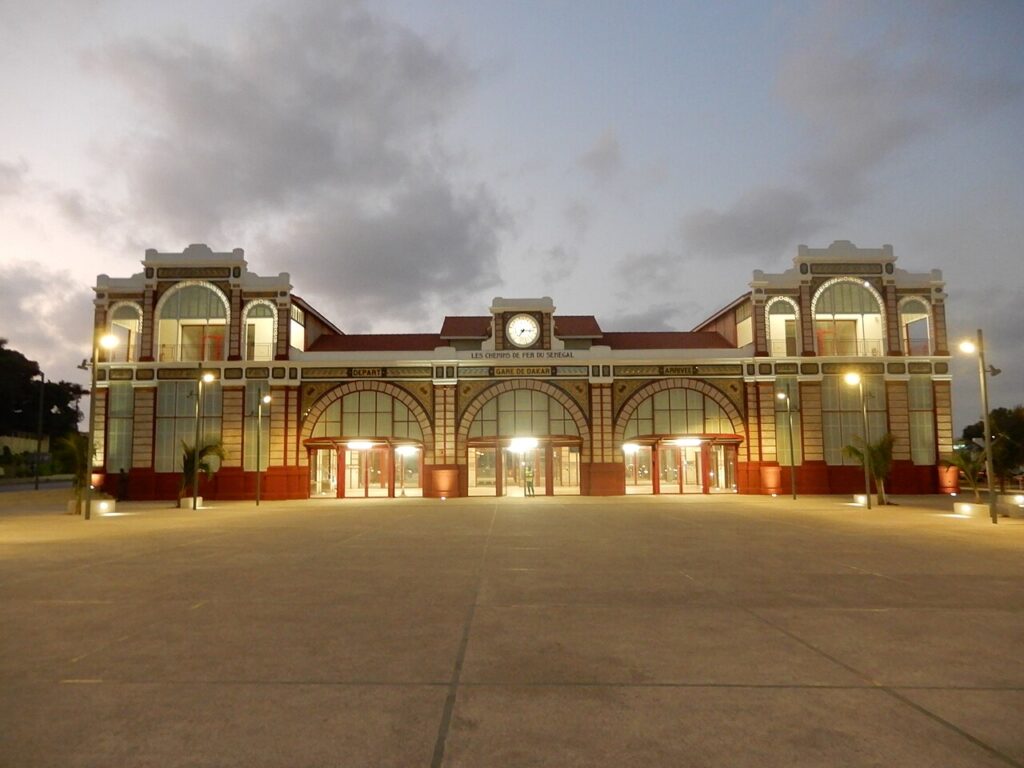
The corridor’s basic strategic importance is worth explaining directly, since it’s essential context. Mali, landlocked, depends on two main logistics routes to reach global markets — one through Dakar, Senegal, the other through San Pedro, Côte d’Ivoire — with the Dakar-Bamako corridor serving as one of the country’s genuine economic lifelines.
The World Bank project’s original stated goal is worth laying out precisely. Launched in 2019, the Dakar-Bamako Intermodal Corridor Project’s development objective was explicitly “to reduce the transport and trade time and cost of carrying goods along the Dakar-Bamako inter-modal corridor while increasing the freight transport by rail.”
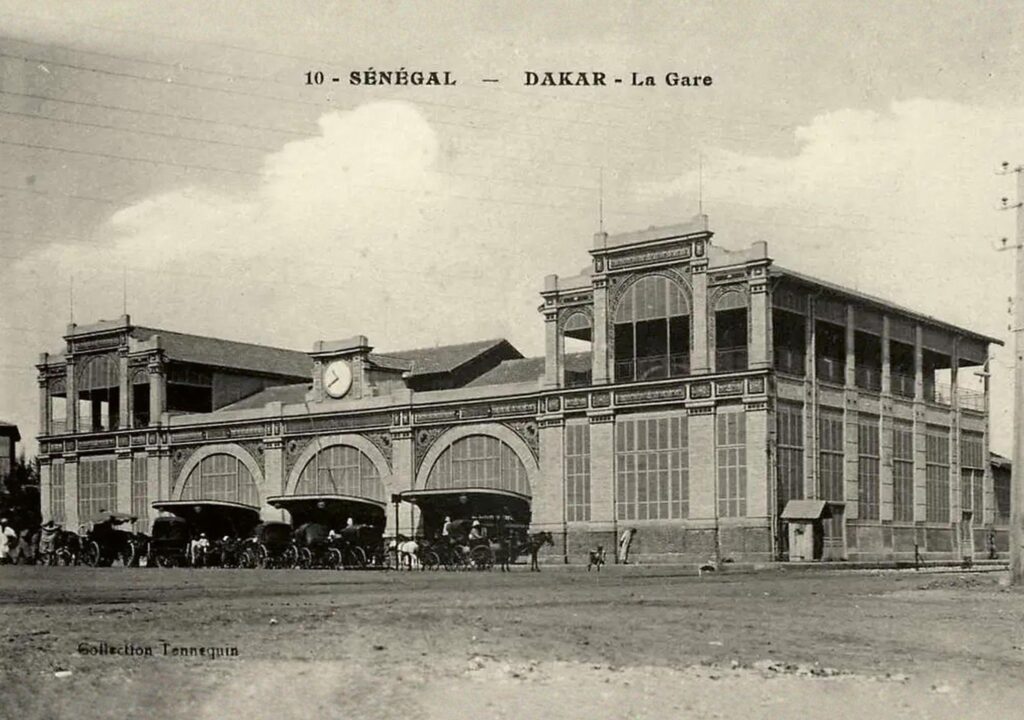
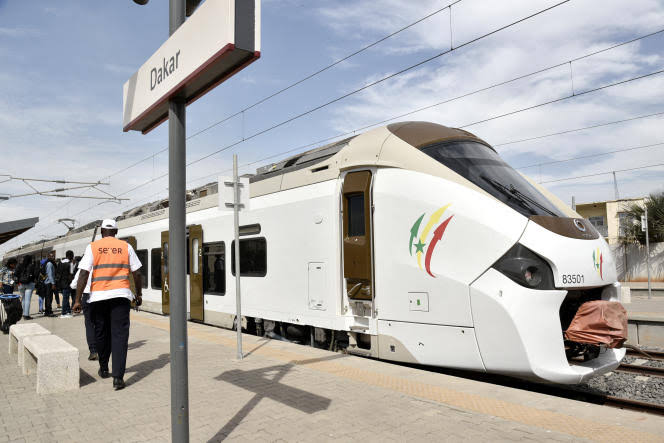
There’s a surprising baseline this project started from, worth noting since it reframes how much work was actually needed. The Dakar-Bamako-Koulikoro railway, originally called the “Chemin de fer Dakar-Niger,” was built in stages between 1885 and the 1920s — and as of the project’s own 2019 documentation, this century-old rail line was “currently inactive,” meaning any ambition to “increase” freight rail transport had to start from essentially zero.
The customs digitization gap the project also aimed to close is worth noting. As of 2019, the electronic connection between Senegal’s customs border posts at Moussala and Kidira and the central system in Dakar was missing entirely, Dakar’s port single window wasn’t fully operational, and no single window system existed in Mali at all.
Section Two: Delivered So Far
The genuine, recent financial commitments are worth bringing in directly, since real money has followed the original 2019 framework. In May 2025, the World Bank approved a $219.8 million IDA credit specifically to improve climate-resilient connectivity along Mali’s priority road corridors, rehabilitating the 137.7-kilometre Diéma-Sandaré section of the Bamako-Dakar Northern Corridor.
The World Bank’s own framing of this investment’s purpose is worth quoting directly. Clara de Sousa, World Bank Country Director for Mali, stated that “the rehabilitation of the deteriorated sections will improve the resilience of the national road network, given the critical importance of the Bamako – Dakar Corridor for connectivity,” adding that the improvements would help “enable access to economic opportunities, especially for women and girls.”
There’s a follow-up investment that came after, showing sustained commitment. Mali’s government approved a further $238 million World Bank loan in 2026, again specifically targeting the Sandaré-Diéma road section as part of the same broader corridor.
There’s a parallel, alternative corridor development worth including, since it shows genuine regional ambition beyond just this one route. A separate $800 million Saint-Louis-Ambidédi corridor project, led by the Organization for the Development of the Senegal River, aims to connect Mali to the Atlantic via a navigable river route, with an official launch scheduled for April 2026.
Section Three: Still Pending
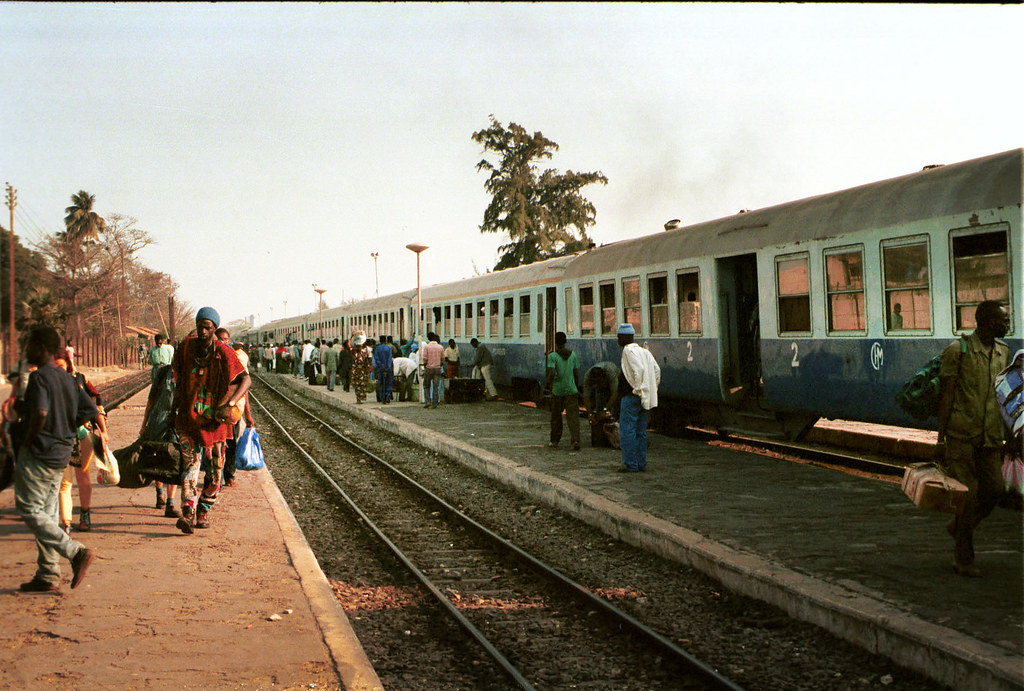
What the original 2019 vision still hasn’t achieved is worth checking against the actual current state. Rail freight transport along the corridor remained a stated aspiration rather than an achieved outcome, with road-based logistics still carrying the overwhelming weight of Dakar-Bamako trade.
There are continued institutional gaps this creates, worth noting since it connects to broader customs digitization themes already documented elsewhere in this section. Full customs interconnection between Senegal and Mali, first identified as incomplete in the project’s 2019 baseline documentation, remains an ongoing, unfinished component of the broader corridor improvement effort.
The Scandal: The Red Flags
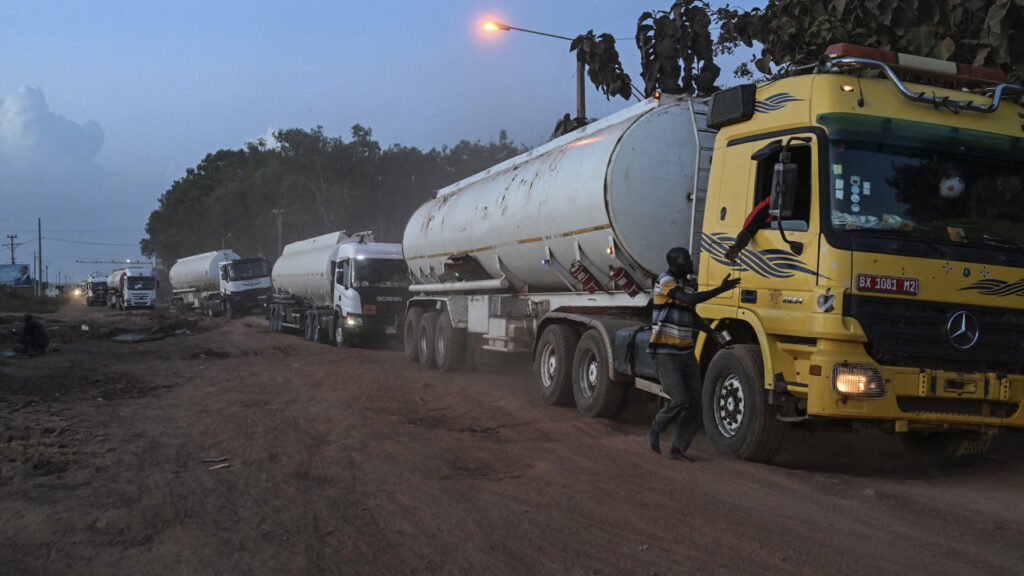
Here’s the piece’s central and most urgent finding. Since September 2025, Mali has been subjected to what regional security analysts describe as a deliberate “strategy of asphyxiation,” with JNIM intensifying offensives against fuel convoys and trade routes in southern and western Mali specifically to paralyse national commerce.
The specific, staggering scale of disruption is worth including directly, sourced to Senegal’s own Directorate of Forecasting and Economic Studies. Between September and November 2025, the Port of Dakar recorded a daily blockage of around 120 containers bound for Mali, representing an estimated monthly loss for Senegal of 15 billion FCFA, or roughly $26.5 million.
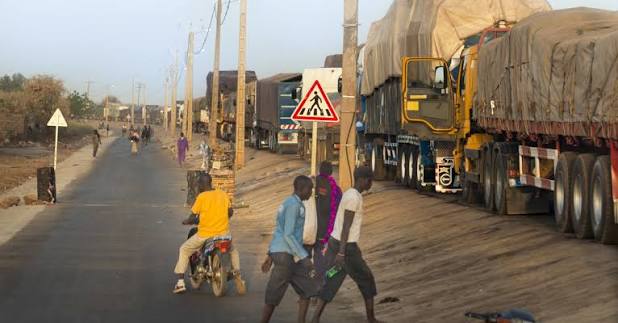
There’s a human dimension of this disruption worth including. By late November 2025, over 2,000 containers sat stranded in Dakar, and by February 2026, around 4,000 empty containers were stuck in Bamako — with truck drivers reportedly too afraid to take the dangerous return route back to Dakar.
There’s a trade relationship this jeopardizes worth noting, since it shows the scale of what’s actually at stake. Mali was Senegal’s top customer in 2024, accounting for 26.5% of Senegalese exports, worth approximately 802.8 billion FCFA, or $1.42 billion.
Years of World Bank-backed investment aimed at making this exact corridor faster, cheaper, and more reliable are now running directly into an active insurgency specifically designed to choke off the same trade routes those investments were built to improve — a collision between long-term infrastructure planning and immediate, deliberate security disruption that no amount of road rehabilitation alone can resolve.
The Myth vs. The Reality
| What people assume | What actually happened |
| The Dakar-Bamako corridor’s ongoing World Bank investment has steadily improved the route’s reliability over the past several years | Years of investment coexist with a corridor whose freight rail component remains largely unrealized and whose customs digitization remains incomplete |
| Current disruptions along the corridor reflect routine logistical or weather-related delays | The disruptions recorded since September 2025 stem from a deliberate, named insurgent blockade strategy, not routine logistics friction |
| The Dakar-Bamako railway has been substantially revived under the ongoing corridor improvement project | The century-old rail line remained inactive as of the project’s own baseline documentation, with road transport still carrying the bulk of trade |
| Mali’s trade with Senegal is a modest, secondary component of the country’s regional commerce | Mali was Senegal’s top trading customer in 2024, accounting for over a quarter of all Senegalese exports |
Close: You Can’t Pave Your Way Out of an Insurgency
Better roads, digitized customs, and rail revival can genuinely reduce a corridor’s costs and transit times under normal conditions — but none of that infrastructure investment, however well-funded and well-intentioned, can fully protect a trade route from a security crisis specifically designed to shut it down.
This is a different kind of scandal than most of this blog’s Customs, Logistics & Infrastructure coverage — not a stalled project or a corrupted procurement process, but a case where genuine, sustained institutional investment is running directly into a security threat operating on a completely different timeline and a completely different logic.
Sources and further reading.