

A Historical In-depth Discovery of Trade in West Africa Since 1896
Here’s what you need to know:
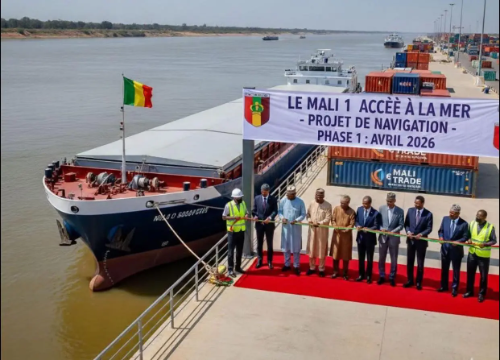
- The Saint-Louis-Ambidédi corridor, officially launched in April 2026, aims to transform the Senegal River into an 900-kilometre navigable commercial artery connecting Mali directly to the Atlantic — an $800 million project led by the Organization for the Development of the Senegal River (OMVS) and its operational arm, SOGENAV.
- Preliminary studies claim river transport could cut Mali’s logistics costs by up to 60% compared to current road routes — a genuinely enormous figure if it holds, and one that arrives at exactly the moment JNIM’s insurgent blockade tactics, already documented elsewhere in this blog, have been actively strangling Mali’s primary road corridor to Dakar.
- The scandal, framed carefully: outside maritime industry analysis describes this project bluntly as “a geopolitical bypass,” a “sovereignty corridor” aligned with AES’s broader strategy to escape dependence on traditional coastal partners — even as the project’s own more sober coverage warns it must avoid “the past failures of other African initiatives,” citing real risks around seasonal water levels, safety, and terminal efficiency.
While JNIM’s blockade tactics have been strangling Mali’s road-based trade corridor to Dakar, choking off thousands of containers, a separate, much larger project has been quietly moving forward — one that doesn’t need trucks or a road at all.
Symptom: What Mali’s Landlocked Position Actually Costs
Mali’s structural vulnerability is worth explaining directly, since it’s the underlying problem this project addresses. As a landlocked country, Mali depends entirely on neighboring countries’ ports and road corridors to reach global markets — a dependency this blog has already documented turning into a serious liability when those corridors face insecurity, political disputes, or deliberate disruption.
It’s worth explaining why river transport is fundamentally different from road transport economically. Moving bulk cargo by barge or river vessel is typically far cheaper per tonne than moving the same cargo by truck, since a single vessel can carry vastly more volume with proportionally less fuel and labor cost — the same basic economic logic already documented elsewhere in this blog’s coverage of Ghana’s Trans-Volta project.
There’s a specific claim attached to this economic logic here worth noting. Preliminary studies for the Saint-Louis-Ambidédi corridor indicate river transport could reduce Mali’s logistics costs by up to 60% compared to current road routes — a genuinely dramatic figure, if the corridor delivers on it.
The Repair: What’s Actually Being Built
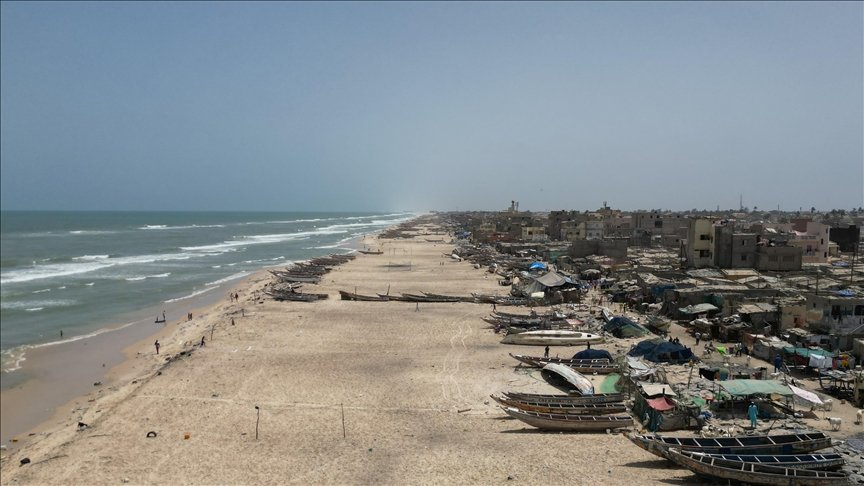
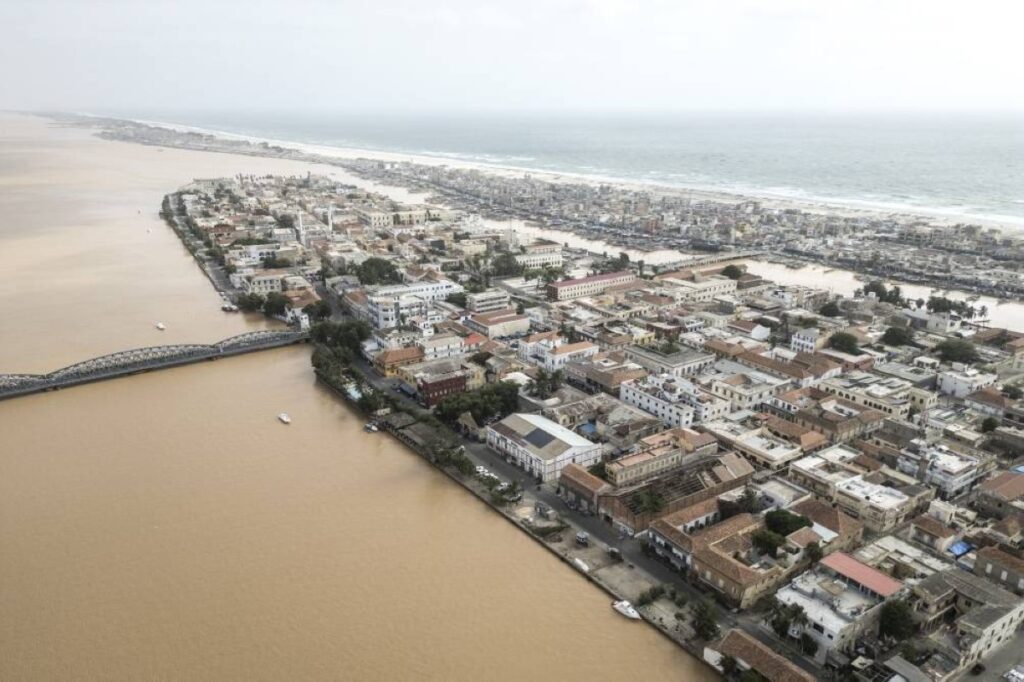
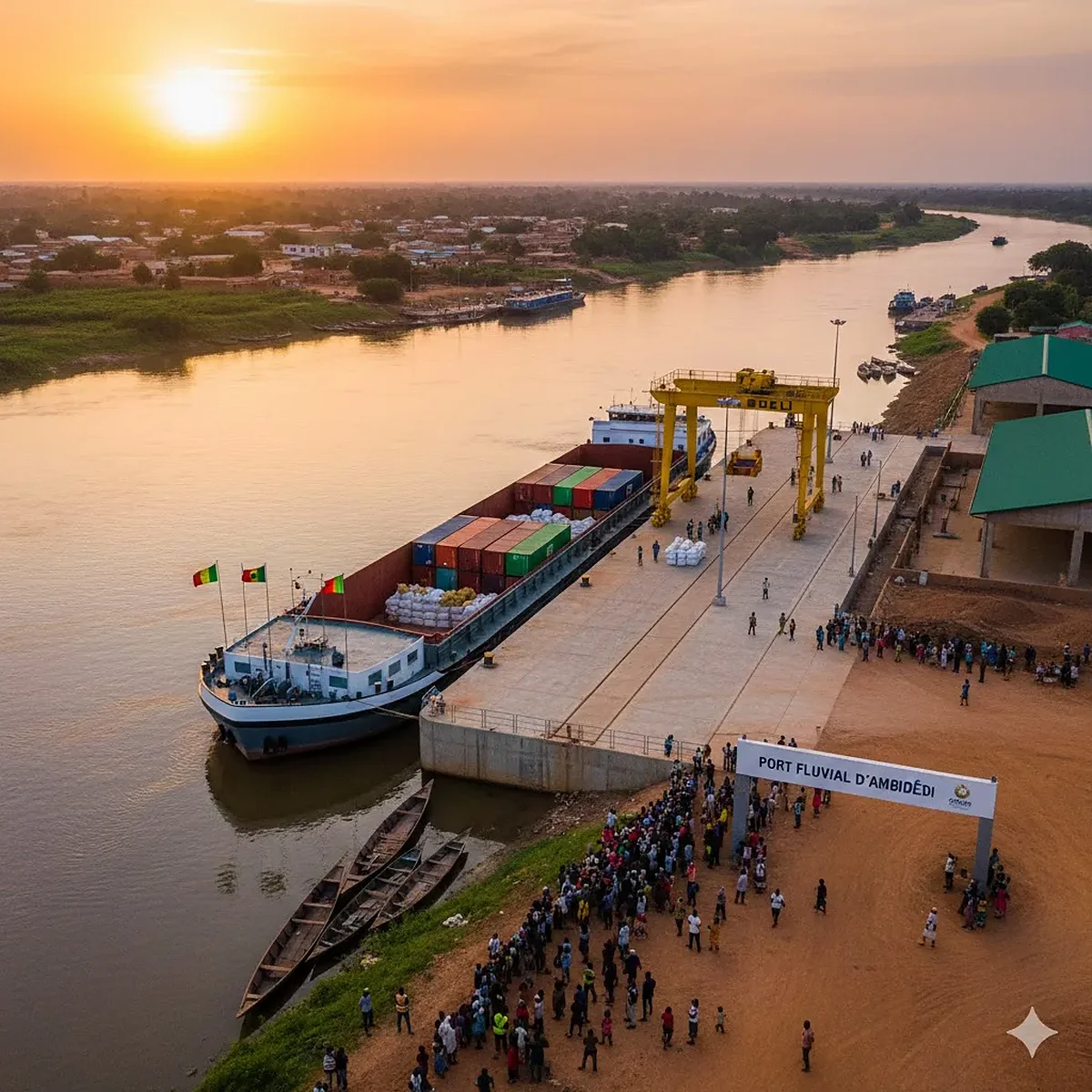
The project’s core specifications are worth laying out directly. The Saint-Louis-Ambidédi corridor spans nearly 900 kilometres, connecting the Atlantic port city of Saint-Louis in Senegal to Ambidédi in Mali’s Kayes region, with an estimated cost exceeding $800 million.
The institutional structure behind it is worth explaining, since it’s a genuinely broad coalition. The project is led by the Organization for the Development of the Senegal River (OMVS) and its operational arm SOGENAV, within a multilateral framework uniting Mali, Senegal, Mauritania, and Guinea.
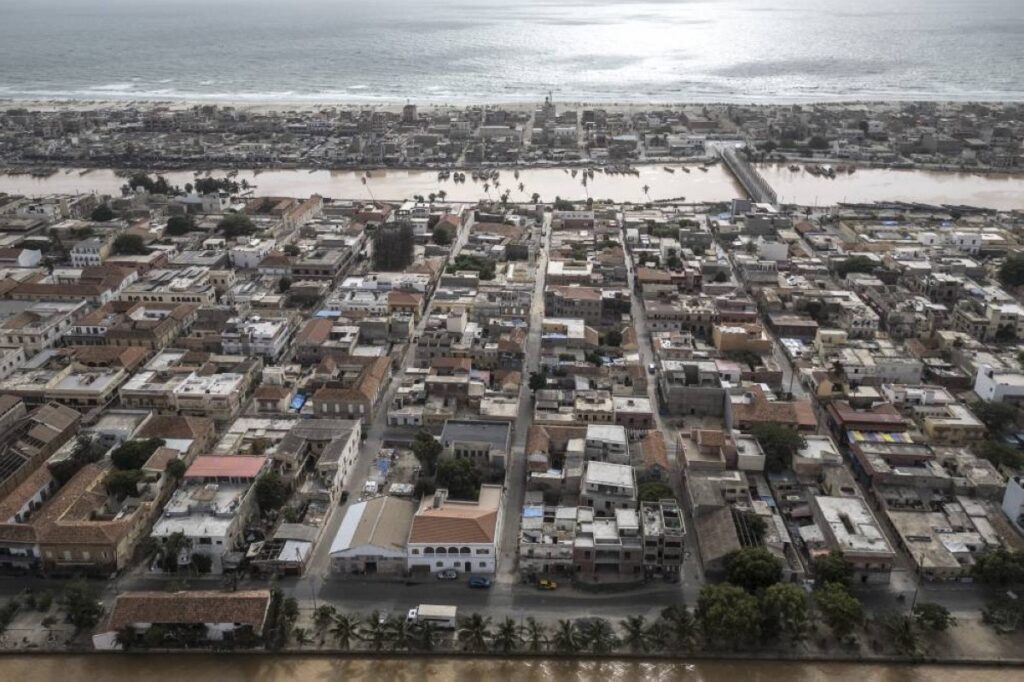
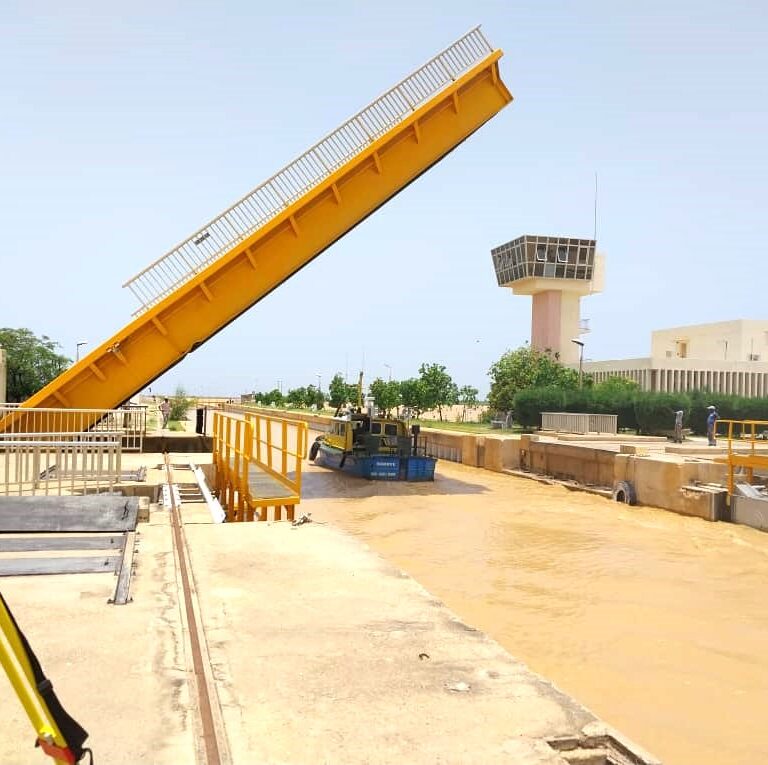
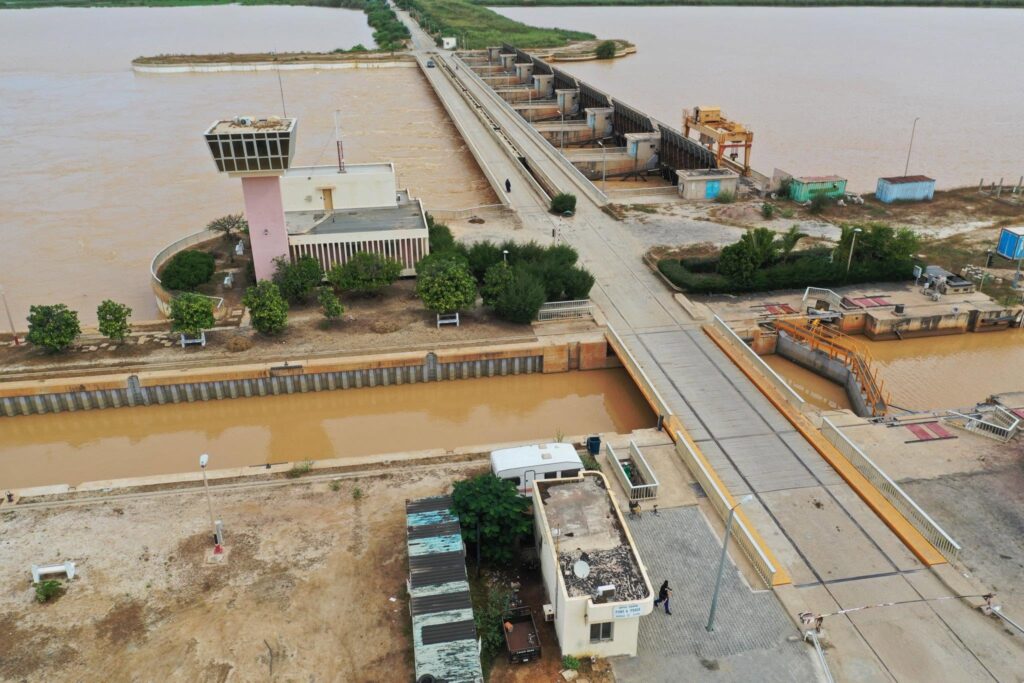
The specific infrastructure this investment covers is worth bringing in. The plan includes dredging and marking a navigable channel, constructing modern river ports and access structures to the sea, a fluvio-maritime port in Saint-Louis, a terminal port in Mali, and several intermediate river ports across Mauritania and Senegal.
The recent institutional momentum behind the project is worth quoting directly, since it shows continued high-level commitment. On June 20, 2026, the OMVS Council of Ministers, chaired by Mali’s Minister of Economy and Finance Alousséni Sanou, devoted an extraordinary session specifically to reviving Senegal River navigation, with ministers stressing that Mali “sees this artery as a strategic lever to secure sea access and reduce its dependence on coastal road corridors.”
The Track Record: The Risks Even Supporters Are Naming
Here’s the honest risk factor worth introducing directly, since even favorable coverage of this project acknowledges them. Independent analysis of the corridor identifies “crucial challenges” including regular dredging to account for seasonal variations in water levels, safety along the entire route, and the efficiency of the port terminals at both ends.
There’s a pointed caution embedded directly in supportive reporting, worth quoting precisely. The same analysis states that the project’s success “will depend on a sound financial structure, transparent public-private partnerships, and continuous infrastructure maintenance, avoiding the past failures of other African initiatives” — an explicit acknowledgment that this exact category of ambitious African infrastructure project has a documented history of falling short.
This is the same underlying pattern already documented across this blog’s Customs, Logistics & Infrastructure coverage. Ghana’s Keta Port, the Trans-Volta corridor, and Nigeria’s port modernization projects have all shown how easily ambitious announcements can outpace actual delivery.
The Scandal: A Sovereignty Corridor With Winners & Losers
Here’s the piece’s sharpest analytical finding. Outside maritime industry analysis has described the Saint-Louis-Ambidédi corridor bluntly as “a geopolitical bypass,” explicitly connecting it to the rhetoric of the Alliance of Sahel States (AES), which “desperately seeks to reduce dependence on traditional coastal ports.”
This connects directly to material already covered elsewhere in this blog. It’s the same AES sovereignty logic already documented extensively in this blog’s coverage of the bloc’s withdrawal from ECOWAS, its own tariff structure, and its search for alternative trade partnerships — applied here specifically to physical trade infrastructure rather than political institutions.
There’s a real “winner and loser” dynamic worth explaining. Analysis of the project notes that the Canary Islands have historically functioned as a “safe warehouse” for trade unable to move directly through inefficient African ports — meaning a dramatically cheaper, more reliable direct Mali-to-Atlantic route threatens to redirect trade flows away from that existing transshipment hub entirely.
Without treating one side’s framing as neutral fact, the core point is worth stating precisely. This project isn’t simply a piece of trade infrastructure being built to reduce costs — it’s being explicitly read, by outside analysts, as a deliberate geopolitical maneuver by Mali and its AES partners to route around the coastal states and international transshipment hubs they’ve grown increasingly wary of depending on.
The Myth vs. The Reality
| What people assume | What actually happened |
| The Saint-Louis-Ambidédi corridor is purely a commercial logistics project with no political dimension | Outside maritime industry analysis directly frames the project as a “geopolitical bypass” tied to AES’s broader sovereignty strategy |
| The project’s ambitious timeline and cost projections carry no more risk than typical major infrastructure investment | Even supportive coverage explicitly warns it must avoid “the past failures of other African initiatives” |
| This corridor is unrelated to the road-corridor security crisis already documented elsewhere in this blog | It’s directly positioned as an alternative to exactly the kind of road-based vulnerability the JNIM blockade exposed |
| Existing regional trade hubs like the Canary Islands would be unaffected by this new corridor’s success | Analysis notes the Canaries’ historic role as a transshipment “safe warehouse” is directly threatened by a cheaper, direct Mali-Atlantic route |
Close: A River, & a Message
The Saint-Louis-Ambidédi corridor is a genuinely significant piece of infrastructure, potentially offering Mali real relief from the road-based vulnerabilities already documented elsewhere in this blog — but it’s also, quite explicitly according to outside analysts, a political statement as much as an economic one, timed and framed around a broader Sahel push toward reduced dependence on traditional coastal partners.
This is the direct sequel to this blog’s coverage of the Dakar-Bamako corridor’s insurgent blockade — proof that when one route to the sea becomes unreliable, the response isn’t just to fix that route, it’s sometimes to build an entirely different one, with an entirely different set of political implications attached.
Sources and further reading.