
A Historical In-depth Discovery of Trade in West Africa Since 1896
Here’s what you need to know:
- ECOWAS Heads of State approved the Regional Rice Roadmap 2025-2035 in December 2024, targeting 34 million tonnes of annual milled rice production and requiring an estimated $15-19 billion in capital investment plus $4-5 billion in annual operating costs.
- This isn’t West Africa’s first rice self-sufficiency push: a 2020 “Regional Rice Action Plan” had already targeted self-sufficiency by 2025 — meaning the new roadmap’s starting year is the exact year the previous plan’s deadline quietly passed without the goal being met.
- The scandal: at the roadmap’s own June 2026 investment roundtable in Accra, Ghana’s Deputy Minister of Finance told the room directly, “West Africa does not need new declarations of intent… Clearly, the time is no longer for speeches on the rice growing potential of the region” — a pointed, on-record criticism delivered at the very event meant to build momentum behind it.
West Africa’s newest rice self-sufficiency roadmap begins in 2025. The previous one was supposed to have already achieved self-sufficiency by exactly that year.
Symptom, The Repair, and the Track Record — including a genuinely blunt public criticism delivered at the plan’s own promotional event.
Symptom: A Widening Gap, Not a Closing One
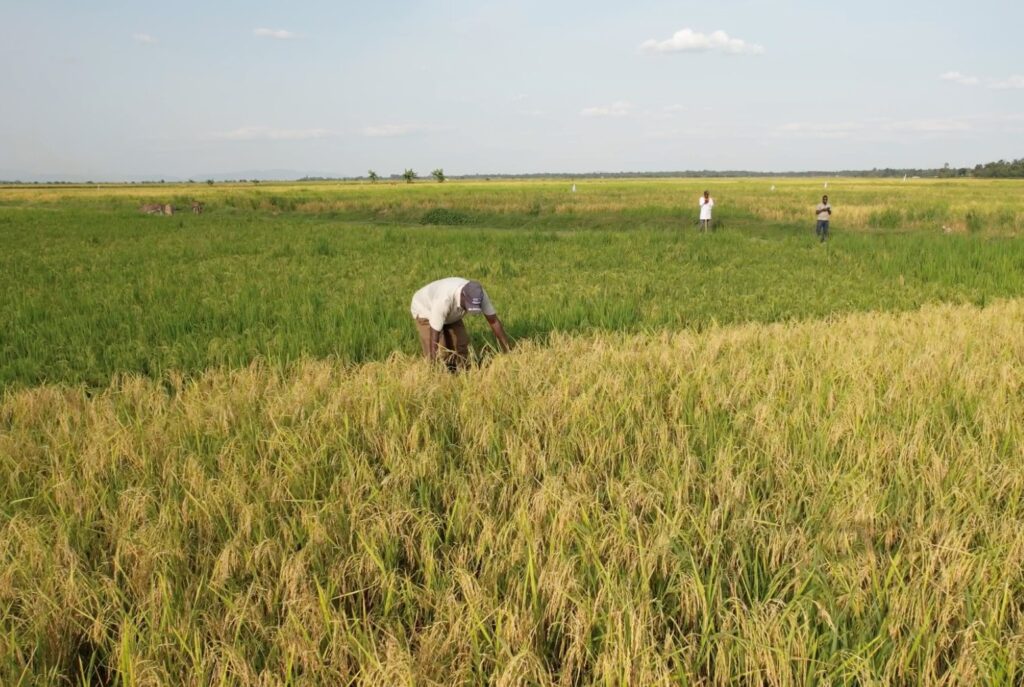
The underlying food security math is worth explaining directly, since it’s worth understanding the actual scale of the problem. Rice accounts for 40% of cereal consumption across West Africa, with regional demand growing at 4% annually against domestic production growth of only 3% — meaning under current trajectories, the region’s rice deficit is structurally widening rather than closing.
It’s worth understanding why this specific gap matters so much economically, connecting the numbers to real cost. Regional self-sufficiency currently sits at just 61%, forcing ECOWAS countries to import roughly 12 million metric tons of rice annually — a dependency that cost the region $3.5 billion in 2021 alone, money that leaves the region entirely rather than supporting local farmers, millers, and processors.
There’s an earlier, largely unmet predecessor effort worth bringing in directly, since it’s essential historical context this topic’s framing skips. ECOWAS had already developed a “Regional Rice Action Plan” in 2020, explicitly designed to accelerate what officials called the “Rice Offensive” toward self-sufficiency by 2025 — the same year the new roadmap now begins.
The Repair: What Actually Got Approved This Time
The December 2024 approval is worth bringing in directly. ECOWAS Heads of State formally approved the Regional Rice Roadmap for 2025-2035 in Abuja, targeting annual production of 34 million tonnes of milled rice, structured around seven thematic areas and twelve priority production basins.
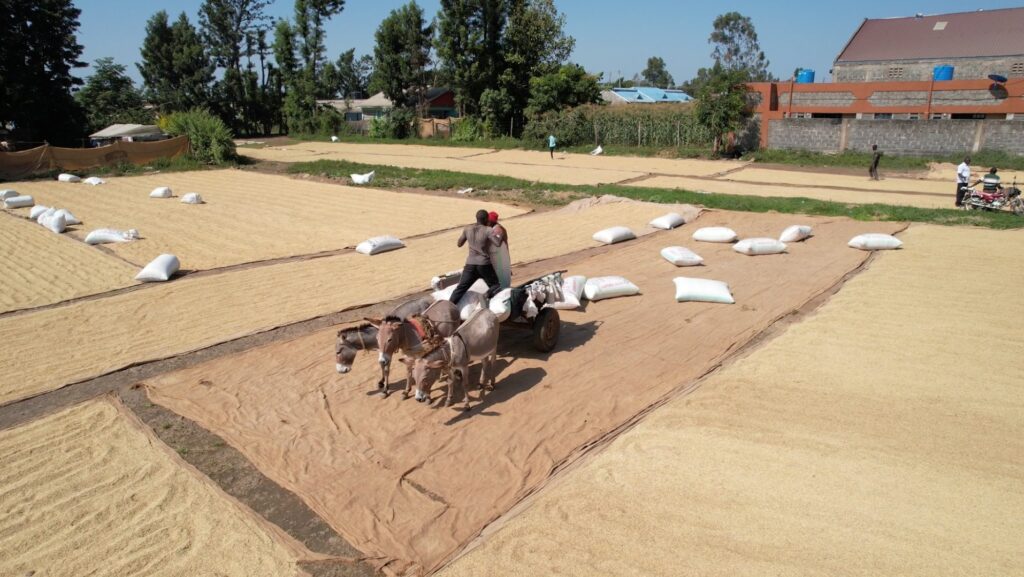
The specific investment scale this plan requires is worth noting, since it’s worth having the real numbers on record. Implementation is estimated to require $15-19 billion in capital investment, plus $4-5 billion in annual operating costs, directed toward storage, milling, mechanization, irrigation, input systems, and access to finance.
There’s genuine institutional groundwork already completed worth bringing in, since it deserves real credit. Over the past two years, every single ECOWAS member state has developed and validated its own National Rice Investment Action Plan, aligned with its individual National Rice Development Strategy — a real, documented step toward translating the regional roadmap into country-specific commitments.
The Track Record: Real Voices From Inside the Roadmap’s Own Rollout
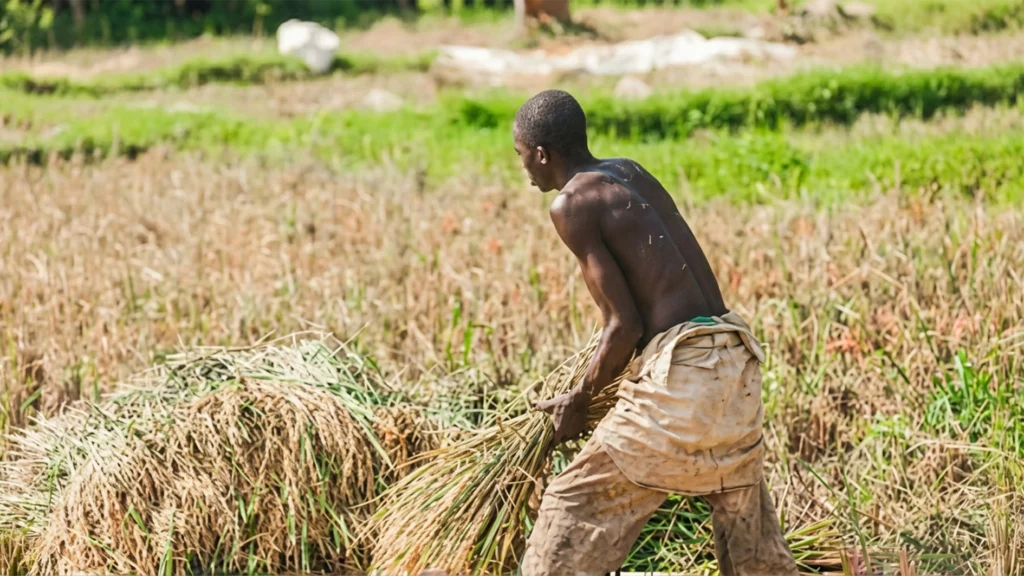
There’s genuine, positive testimony from participating countries worth bringing in directly, since it deserves fair inclusion. Sierra Leone’s Minister of Agriculture and Food Security described concrete local action already underway, stating plainly, “Since I arrived at the Ministry, I have decided to change things by investing in agricultural production… we’ve started by producing certified seeds and marketing them to reduce market prices,” crediting the roadmap’s broader framework as “beneficial for us.”
There’s a specific financing solution one Nigerian state has implemented worth noting, since it shows real, localized problem-solving. Jigawa State’s governor described working directly with financial institutions willing to support rice growers, addressing one of the roadmap’s identified core barriers — access to finance — at the state level.
The Scandal: The Speech About Not Needing More Speeches
Here’s the piece’s central and most pointed finding, worth introducing directly. At the West Africa Rice Investment Roundtable held in Accra in June 2026 — an event specifically organized to attract capital toward the roadmap’s implementation — Ghana’s Deputy Minister of Finance, Thomas Nyarko Ampem, delivered a direct challenge to the room he was addressing.
Ampem’s statement deserves to be read exactly as delivered. “West Africa does not need new declarations of intent: it needs to build bankable project portfolios that can attract long-term capital at scale. Clearly, the time is no longer for speeches on the rice growing potential of the region.”
The irony is worth stating precisely. This criticism was delivered by a sitting government minister, at an official roadmap promotional event, about the exact category of regional planning process the roadmap itself represents — suggesting that even officials directly involved in implementing this effort recognize the risk of it becoming another well-intentioned document that doesn’t translate into bankable, executed projects.
This connects directly to the 2020 predecessor plan’s quiet, undocumented failure to hit its 2025 target, worth stating the pattern plainly. A region that already missed one rice self-sufficiency deadline is now being told, by one of its own finance ministers, that the new plan risks the same fate unless it moves decisively beyond “declarations of intent.”
The Myth vs. The Reality
| What people assume | What actually happened |
| The Regional Rice Roadmap 2025-2035 represents West Africa’s first serious, coordinated attempt at rice self-sufficiency | A 2020 Regional Rice Action Plan had already targeted self-sufficiency by 2025, the exact year the new roadmap begins, without that earlier goal being achieved |
| ECOWAS officials are uniformly confident the new roadmap will succeed where previous efforts fell short | A sitting Ghanaian finance minister publicly warned, at the roadmap’s own investment event, that the region needs “bankable project portfolios” rather than more “declarations of intent” |
| Regional self-sufficiency has been steadily improving toward the roadmap’s targets | Demand is growing faster (4% annually) than domestic production (3% annually), meaning the underlying gap is structurally widening, not closing |
| National-level follow-through on the roadmap remains largely theoretical | Every ECOWAS member state has developed and validated its own National Rice Investment Action Plan, a genuine documented step toward implementation |
Close: A Plan That Knows Its Own Risk
The Regional Rice Roadmap has real institutional depth behind it — validated national investment plans in every member state, genuine local success stories from Sierra Leone and Nigeria, and a specific, quantified path to closing a widening food security gap — but it also launches with the shadow of an earlier, quietly unmet deadline directly behind it, and a government minister’s own on-record warning that speeches alone won’t be enough this time.
This joins the pattern already extensively documented across this blog’s coverage of West African trade and infrastructure policy — genuine institutional ambition, real preparatory work, and an honest, sometimes self-critical awareness among the officials involved that previous versions of exactly this kind of plan have fallen short before.
Sources and further reading.