

A Historical In-depth Discovery of Trade in West Africa Since 1896
Here’s what you need to know:
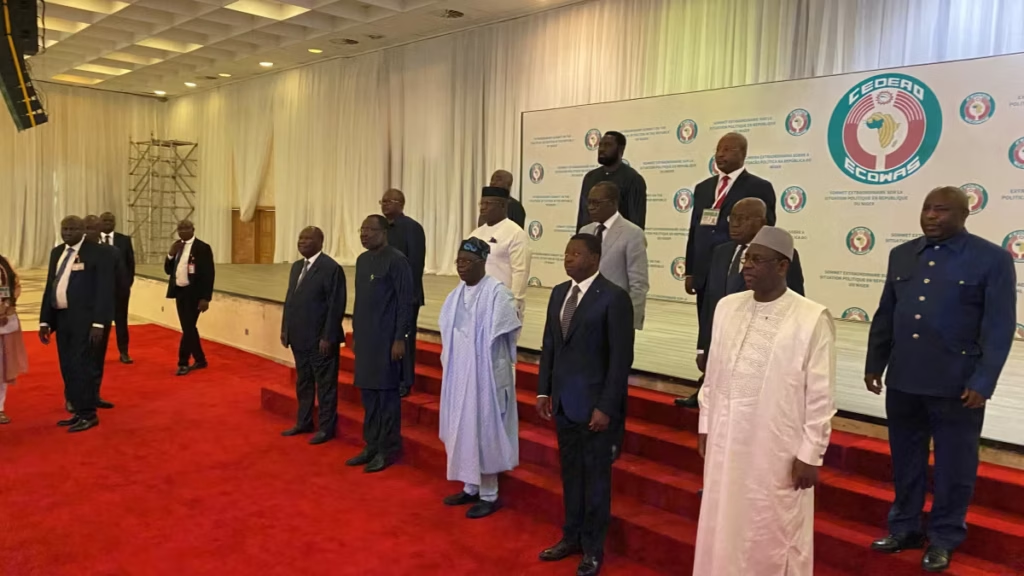
- ECOWAS appointed former Guinean Prime Minister Lansana Kouyaté as chief negotiator with AES in late March 2026, and extended his mandate to December 2026 at the July 19 Lungi summit, explicitly reaffirming that negotiations with Burkina Faso, Mali, and Niger would proceed “exclusively within a collective framework.”
- Real direct engagement has genuinely occurred: an informal May 2026 meeting in Lomé, hosted by Togolese President Faure Gnassingbé, brought together AES foreign ministers, ECOWAS Commission President Omar Touray, and Kouyaté himself.
- The scandal: even as ECOWAS reaffirms its unified negotiating stance, multiple member states — Senegal, Togo, Ghana, and Benin — are documented pursuing bilateral engagement with AES states entirely outside this official framework, with Ghana’s President Mahama calling AES an “irreversible reality” and appointing his own dedicated envoy for Sahel security cooperation.
ECOWAS just extended, with real ceremony, the mandate of the one person officially authorized to negotiate with AES on the bloc’s behalf. Multiple ECOWAS member states appear to already have their own separate conversations going.
Promised, Delivered So Far, Still Pending, and Red Flags.
Section One: Promised
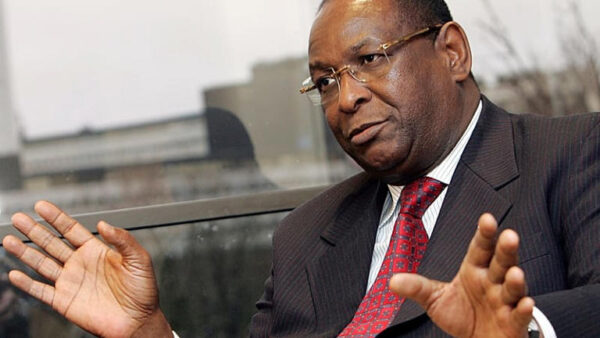
Kouyaté’s appointment and its explicit purpose are worth explaining directly. ECOWAS formally entrusted the former Guinean prime minister with leading negotiations with AES in late March 2026, tasked with “facilitating dialogue, reconciling competing regional interests and promoting the organisation’s strategic priorities.”
It’s worth understanding why ECOWAS specifically insisted on a single, unified negotiating channel. When multiple parties on the same side of a negotiation pursue separate, uncoordinated conversations with the other side, it becomes much easier for the other side to play different negotiators against each other, extracting different concessions from different individual actors rather than facing one consistent, collectively agreed position — meaning ECOWAS’s insistence on a single chief negotiator wasn’t simply procedural tidiness, it was a deliberate strategy to preserve real collective bargaining leverage.
The specific language used to reinforce this principle is worth bringing in. Member states were explicitly urged “to avoid separate bilateral agreements that could undermine the bloc’s unity,” with ECOWAS leaders reiterating their commitment to pursuing “discussions with the Alliance within the framework of a single dialogue.”
Section Two: Delivered So Far
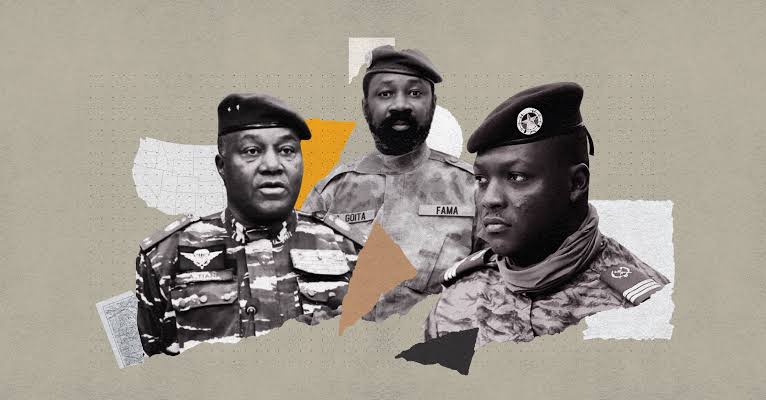
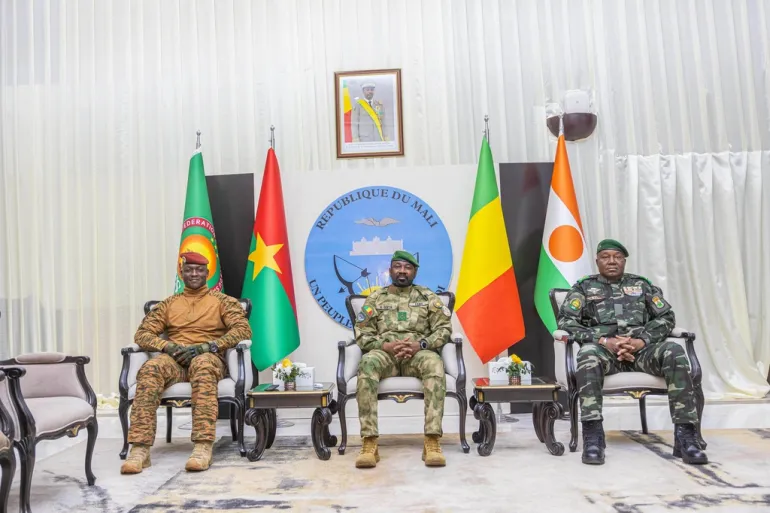
There’s genuine direct engagement that has actually occurred worth bringing in, since real diplomatic contact has taken place. An informal meeting organized in Lomé in May 2026, under the auspices of Togolese President Faure Gnassingbé, brought together AES member states’ foreign ministers, ECOWAS Commission President Omar Touray, and Kouyaté himself.
The July 2026 mandate extension itself is worth noting as a further institutional commitment. At the 69th Ordinary Session in Lungi, Sierra Leone, ECOWAS heads of state formally extended Kouyaté’s mandate to December 2026, describing the extension as reflecting “its commitment to building a new framework for cooperation while preserving regional unity.”
Section Three: Still Pending
It’s worth making the honest point directly. The very fact that Kouyaté’s mandate needed extending at all, roughly nine months after his original appointment, indicates the negotiations hadn’t reached any concluded framework by the original deadline — meaning as of the most recent reporting, this remains an active, unresolved process rather than a settled outcome.
There’s broader diplomatic context suggesting real movement toward eventual resolution worth including for balance. AES itself has “already harmonised its position” ahead of formal talks, according to regional reporting, suggesting the Sahel bloc has done its own internal preparatory work even as the two sides haven’t yet reached a final framework.
The Scandal: The Members Not Waiting for the Official Channel
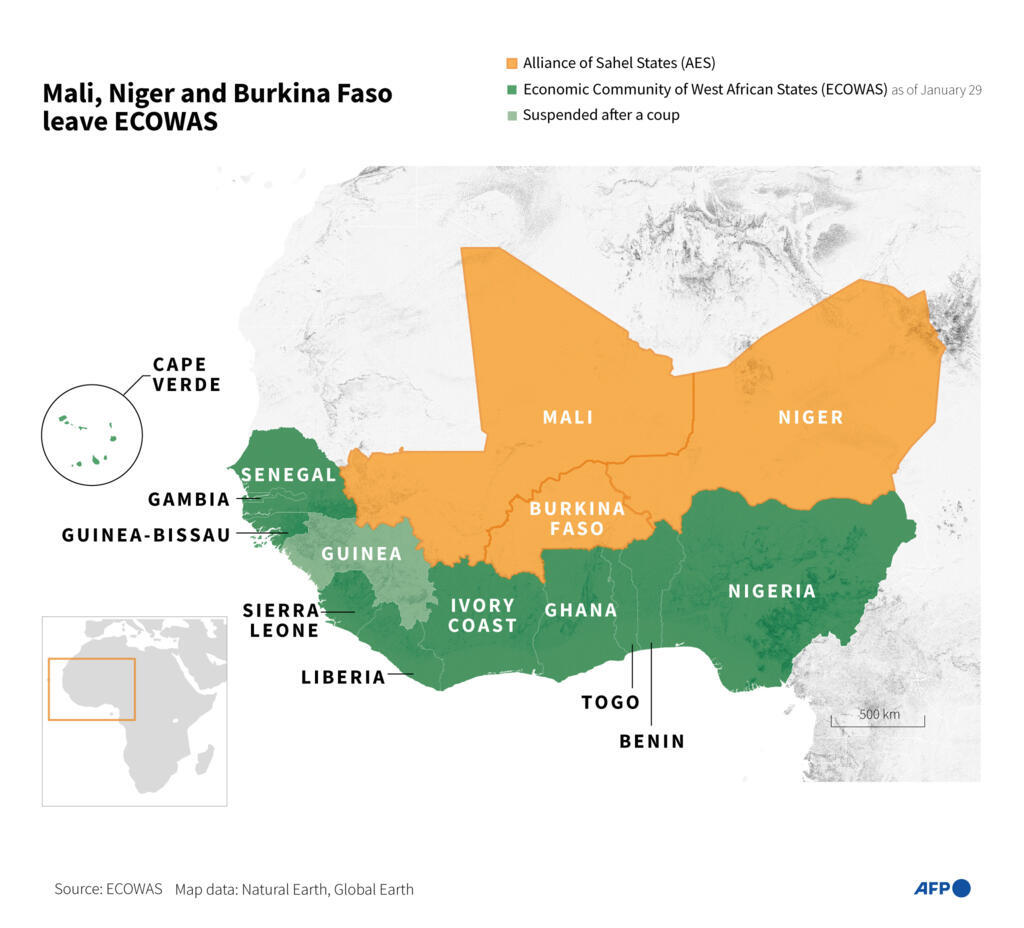
Here’s the piece’s central and most consequential finding, worth introducing directly. Even as ECOWAS reaffirms that negotiations with AES will proceed exclusively through Kouyaté’s collective framework, regional analysis documents that “several coastal states — Senegal, Togo, Ghana, and more recently Benin under the presidency of Romuald Wadagni — are increasingly extending overtures toward the AES outside the ECOWAS framework.”
Ghana’s own documented departure from this framework is worth quoting directly, since it’s the sharpest individual example available. Ghanaian President John Mahama publicly described AES as an “irreversible reality” and appointed a special envoy specifically dedicated to security cooperation with the Sahel bloc — a direct, named instance of exactly the kind of independent bilateral engagement ECOWAS’s collective framework was designed to prevent.
There’s a direct connection to material already covered elsewhere in this blog worth naming explicitly. This blog’s own earlier coverage of Senegal’s renewed transit cooperation with Mali — President Faye’s July 28, 2026 visit to meet Mali’s Assimi Goïta, discussing the Dakar-Bamako corridor directly — represents exactly this same pattern, a bilateral relationship being actively deepened entirely outside Kouyaté’s official negotiating channel.
ECOWAS’s own leadership publicly reaffirmed, with real institutional ceremony, its commitment to negotiating with AES as a unified bloc through a single authorized representative — while several of its own member states were simultaneously documented building separate, independent relationships with individual AES countries, exactly the dynamic the collective framework was explicitly designed to prevent.
The Myth vs. The Reality
| What people assume | What actually happened |
| ECOWAS’s extension of Kouyaté’s mandate reflects a genuinely unified, disciplined negotiating position among all member states | Regional analysis documents multiple ECOWAS member states — Senegal, Togo, Ghana, and Benin — independently pursuing bilateral AES engagement outside the official collective framework |
| Senegal’s bilateral outreach to Mali, already documented elsewhere in this blog, represents an isolated exception rather than a broader pattern | It fits directly into a documented, multi-country pattern of ECOWAS member states pursuing independent bilateral engagement with AES states |
| Ghana’s government has maintained strict adherence to ECOWAS’s official negotiating channel | President Mahama publicly called AES an “irreversible reality” and appointed his own dedicated security envoy, entirely outside that channel |
| Kouyaté’s mandate extension indicates negotiations were nearing a concluded framework | The extension itself, roughly nine months after his original appointment, indicates no concluded framework had yet been reached |
Close: A Unified Front With Visible Cracks
Kouyaté’s extended mandate represents a genuine, institutionally serious attempt to preserve ECOWAS’s collective bargaining position with AES — but the same regional reporting documenting that extension also documents several of ECOWAS’s own members already treating the bloc’s unity principle as more aspirational than binding.
This connects directly to this blog’s own recent coverage of Senegal-Mali cooperation, showing the same broader pattern from a different angle — a formal regional framework, genuinely reaffirmed at the highest institutional level, sitting alongside individual member states quietly building their own separate paths forward regardless.
Sources and further reading.