

A Historical In-depth Discovery of Trade in West Africa Since 1896
Here’s what you need to know:
- China’s zero-tariff policy for 53 African countries took effect May 1, 2026, eliminating duties on 100% of tariff lines — expanding a program that had covered only 33 least-developed African nations since December 2024 to now include Nigeria, Ghana, Senegal, Kenya, and Egypt, with only Eswatini excluded over its diplomatic ties to Taiwan.
- The timing lands directly on top of AGOA’s collapse, already documented elsewhere in this blog: as African exporters faced new US tariffs and a “technically dead” preferential trade agreement, China’s non-reciprocal zero-tariff offer arrived as an explicit alternative, requiring no matching tariff cuts from African governments in return.
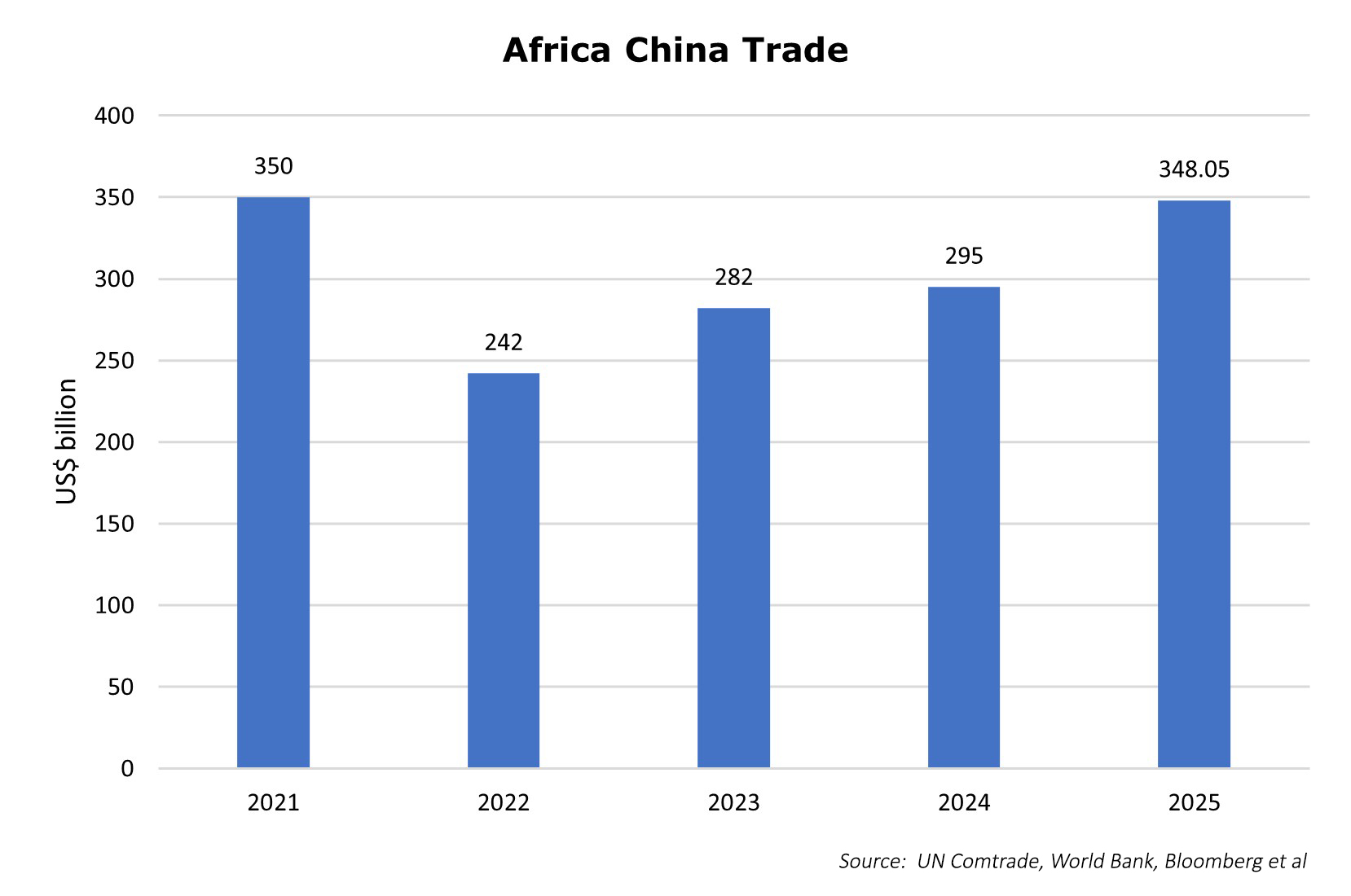
- The scandal: even as tariffs disappear, Africa’s trade deficit with China widened to a record $348 billion, and independent analysis found the same port congestion and documentation bottlenecks already extensively documented in this blog’s coverage of Apapa and Tin Can can “wipe out the savings created by zero tariffs” before they ever reach exporters.
This blog has already documented, in detail, how AGOA’s collapse left countries like Ghana scrambling for alternatives. China’s answer arrived within months — a sweeping, unilateral tariff elimination covering nearly the entire continent.
Symptom, The Repair, and the Track Record — including real, documented limits on how far this “gift” actually goes.
Symptom: The Trade Gap This Policy Was Meant to Address
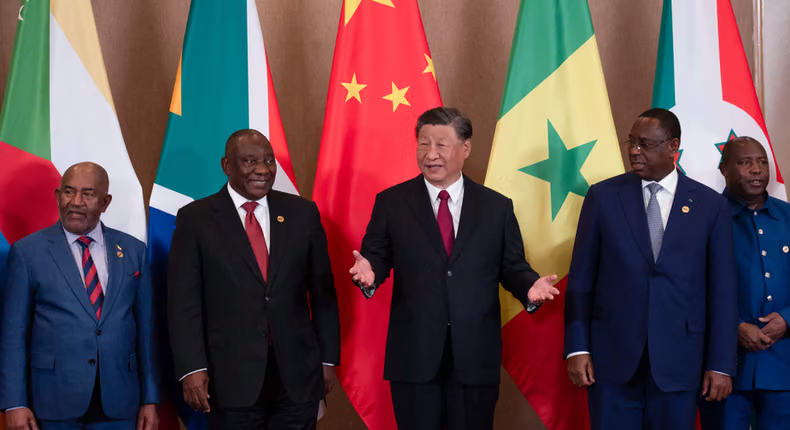
The underlying imbalance is worth bringing in directly, connecting to context already covered elsewhere in this blog. China has been Africa’s largest trading partner since 2008, but that relationship has long been criticized for its lopsidedness — African nations exporting raw commodities while importing manufactured goods, with China’s own officials acknowledging the initiative aims to “address the imbalances that have long characterised bilateral trade relations.”
It’s worth understanding what a “non-reciprocal” trade preference actually means. Unlike a genuine free trade agreement, where both sides typically lower tariffs on each other’s goods, a non-reciprocal preference means only one side — here, China — cuts its tariffs, while African governments remain free to keep their own existing tariffs on Chinese imports; this structure lets China present the move as a unilateral gift rather than a negotiated concession.
There’s a direct connection to AGOA’s collapse already documented in this blog worth noting. This policy’s expansion explicitly serves what one analysis describes as positioning “China as a more open alternative to US protectionism” — arriving at nearly the exact moment this blog’s “Technically Dead” coverage documented Ghana’s President Mahama declaring AGOA effectively finished.
The Repair: What Actually Got Implemented
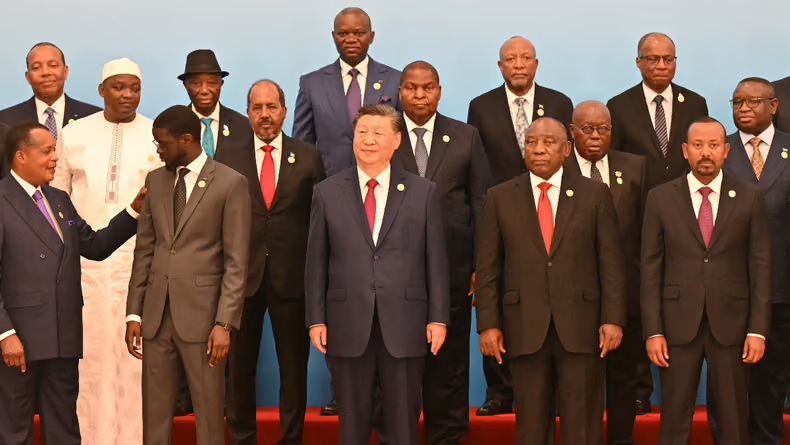
The policy’s actual rollout timeline is worth bringing in directly. Chinese President Xi Jinping first announced the expansion in a televised speech to the 39th African Union Summit on February 14, 2026, with the policy formally taking effect May 1, 2026.
The specific scope and structure are worth noting precisely. The policy builds on an earlier phase that eliminated tariffs on 100% of tariff lines for 33 least-developed African countries starting December 1, 2024, now expanded to cover an additional 20 non-LDC nations — including Nigeria, Ghana, Senegal, Kenya, Egypt, and South Africa — through a preferential tariff rate running until April 30, 2028.
The concrete first test case is worth quoting directly, since it’s worth including as a real, documented moment. Twenty-four tonnes of apples from South Africa cleared customs in Shenzhen in the early hours of May 1, 2026, becoming the first shipment to benefit from the expanded policy — alongside early beneficiaries including Kenyan avocados and Egyptian citrus.
There are specific products this creates real opportunity for, worth including since it’s worth taking the benefit seriously. Cocoa from Côte d’Ivoire and Ghana, coffee and avocados from Kenya, and sesame, ginger, cashew, textiles, and minerals from Nigeria had previously faced Chinese tariffs ranging from 8% to 30%, all now eliminated.
The Track Record: What the Numbers Actually Show
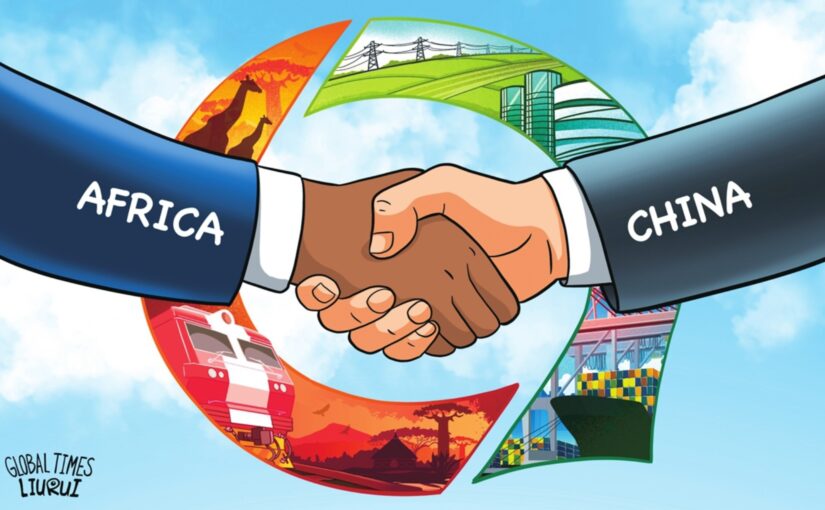
Here’s the piece’s central and most sobering finding, worth introducing directly. Even as this zero-tariff expansion took hold, Africa’s trade deficit with China widened to a record $348 billion, according to documented trade data — meaning the imbalance the policy was explicitly designed to address has, so far, moved in the opposite direction.
It’s worth explaining why this isn’t necessarily a contradiction. Eliminating tariffs removes one barrier to African exports reaching China, but it does nothing to address the underlying structural gap in what each side actually produces and sells — China’s manufactured exports to Africa remain vastly larger in value and volume than Africa’s raw commodity exports to China, meaning a tariff-only fix was never going to fully close a gap driven by deeper structural factors.
The Scandal: The Savings That Never Reach the Exporter
Here’s the ground-level bottleneck problem, worth introducing directly since it connects powerfully to material already extensively documented in this blog. Independent analysis found that “zero tariffs do not automatically create successful trade,” with real infrastructure and regulatory barriers still standing between African producers and the Chinese market this policy was meant to open.
The specific, documented example is worth quoting directly, since it lands with real force given this blog’s own extensive coverage of the exact same ports. The same analysis noted plainly, “A sesame exporter moving goods through Apapa or Tincan ports in Lagos still faces delays and documentation bottlenecks that can wipe out the savings created by zero tariffs” — describing exactly the kind of congestion and processing delay this blog has already documented across dozens of pieces covering those same two ports.
There are additional documented barriers this same analysis identified worth bringing in, since they round out a genuinely serious pattern. A small agro-processor near Accra struggling to afford internationally approved packaging, and farmers in Kampala capable of producing quality crops but still failing Chinese sanitary and phytosanitary requirements — both concrete illustrations of how a tariff-elimination policy alone doesn’t address the practical, technical, and infrastructure barriers actually determining whether African exporters can reach this newly opened market.
There’s a separate legal question worth including, since it’s a genuinely sophisticated scrutiny point. Legal analysis published shortly after the policy’s implementation directly questioned whether extending zero-tariff treatment to non-least-developed countries like Nigeria and Egypt could be justified under the WTO’s “Enabling Clause” — the specific legal provision historically used to justify preferential treatment for developing nations, typically understood as applying most clearly to the poorest, least-developed economies rather than middle-income nations like Nigeria and Kenya.
China’s zero-tariff policy removes a genuine barrier and offers real, celebrated opportunity for specific exporters — but the same ports, documentation systems, and regulatory gaps already extensively documented elsewhere in this blog as undermining Nigerian and Ghanaian trade competitiveness remain fully in place, meaning the value of this tariff elimination for many exporters depends entirely on infrastructure problems this policy itself does nothing to fix.
The Myth vs. The Reality
| What people assume | What actually happened |
| China’s zero-tariff policy will automatically and immediately boost African export earnings across the board | Independent analysis found real infrastructure and documentation bottlenecks, including at Nigeria’s own Apapa and Tin Can ports already extensively documented elsewhere in this blog, can offset or eliminate the savings tariff elimination is meant to provide |
| Eliminating tariffs represents a comprehensive solution to the trade imbalance between China and Africa | Africa’s trade deficit with China widened to a record $348 billion even as the zero-tariff policy took effect, showing tariffs were never the full extent of the underlying imbalance |
| The policy applies uniformly and uncontroversially under existing international trade law | Legal analysis has directly questioned whether extending these preferences to non-LDC countries fits within the WTO’s Enabling Clause |
| African governments are matching China’s tariff cuts with reciprocal reductions on Chinese imports | The policy is explicitly non-reciprocal, requiring no matching tariff reductions from African governments at all |
Close: A Real Opportunity, Sitting on Top of Problems This Policy Doesn’t Touch
China’s zero-tariff expansion is a genuine, substantial trade policy shift, arriving at exactly the moment AGOA’s collapse left African exporters looking for alternatives — but this blog’s own extensive documentation of port congestion, documentation delays, and regulatory friction across Nigeria and Ghana shows exactly why a tariff-only fix was never going to be sufficient on its own.
This is the same throughline running through nearly every piece of this blog’s coverage of West African trade policy — a genuinely significant, celebrated announcement, and a set of underlying, already-documented structural problems that the announcement itself does nothing to resolve, leaving the real question not whether the policy helps, but how much of its promised benefit actually reaches the exporters it’s meant to serve.

Sources and further reading.