

A Historical In-depth Discovery of Trade in West Africa Since 1896
Here’s what you need to know:
- ECOWAS Commission President Omar Touray announced Aliko Dangote as the pioneer Chairman of the newly established ECOWAS Business Council on December 10, 2025, explicitly framing the appointment as part of a strategy to reduce the region’s reliance on “precarious foreign investments” in favor of intra-regional capital.
- As of a follow-up visit by senior ECOWAS Commission officials to Dangote’s Lagos headquarters in May 2026 — nearly six months after the original announcement — the council remained in the process of being “operationalised,” with the meeting’s stated purpose still framed around accelerating that setup rather than reviewing completed work.
- The scandal, worth taking seriously rather than dismissing: the same businessman ECOWAS has chosen to represent private-sector trade interests across fifteen member states is simultaneously facing a formal 2026 court accusation from Nigeria’s own state oil company, NNPC, alleging his refinery has attempted to establish “monopolistic dominance” over the domestic fuel market — a direct, documented tension between his new regional advocacy role and his existing legal fight at home.
ECOWAS just handed Aliko Dangote the job of representing fair, competitive private-sector trade interests across fifteen countries. At almost the exact same time, Nigeria’s own state oil company was in court accusing him of trying to monopolize his own country’s fuel market. Both of these are happening at once.
Section One: Promised
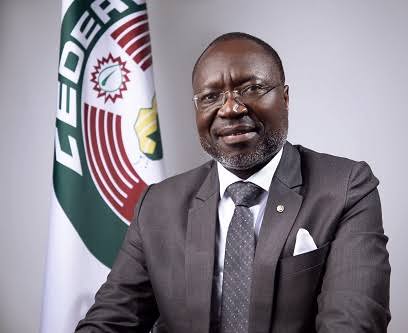
What the ECOWAS Business Council is actually meant to do is worth explaining directly, since it’s worth understanding the institution’s stated purpose. Described as an independent platform established by ECOWAS member states, the EBC is designed to empower the private sector, boost sub-regional trade, foster investment, and drive economic integration by bridging the gap between businesses and policymakers across the region.
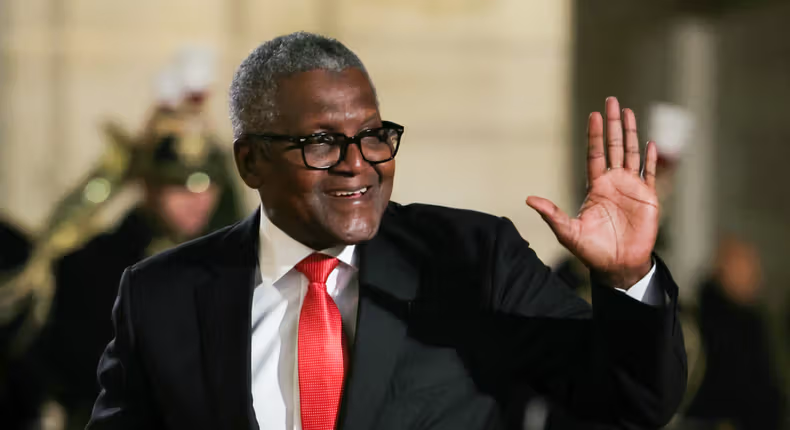
The specific announcement is worth bringing in directly. ECOWAS Commission President Omar Touray unveiled Dangote as the Council’s pioneer chairman at the 95th Ordinary Session of the ECOWAS Council of Ministers in Abuja on December 10, 2025.
Touray’s own stated rationale is worth quoting directly, since it frames the appointment’s underlying economic strategy. Touray explained the selection was motivated by Dangote’s “vast experience doing business within our subregion and across Africa,” adding, “This appetite for intra-regional investment underscores the need to mobilise capital within our region to build our community rather than wait for precarious foreign investments. I am confident that with the kind of investments we have seen from the likes of Alhaji Dangote, our regional private sector actors can lead the way in the development of our Community if given the right incentives and opportunity.”
It’s worth understanding why ECOWAS specifically wanted a private-sector “bridge” institution like this. Regional trade agreements and customs frameworks — the exact kind already extensively documented across this blog’s coverage of single windows, transit corridors, and tariff structures — tend to be negotiated at the government level, but the businesses actually moving goods across those borders often have direct, practical knowledge of where the friction really is; a formal council explicitly designed to channel that private-sector perspective into policy discussions represents a genuine attempt to close that gap.
Section Two: Delivered So Far
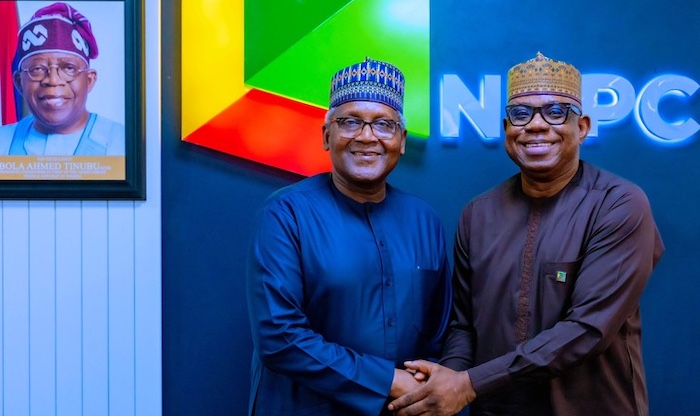
What’s actually happened since the December announcement is worth bringing in directly. On May 25, 2026, a delegation from the ECOWAS Commission, led by Commissioner for Economic Affairs and Agriculture Dr. Kalilou Sylla alongside Commissioner for Internal Services Dr. Habib Yaya Bappah, paid a working visit to Dangote at Dangote Group’s Lagos headquarters.
The stated purpose of this visit is worth noting precisely, since it’s worth being clear about what stage this represents. The visit was specifically framed around efforts “to operationalise the council and accelerate regional economic development,” with the meeting described as focused on “accelerating the operationalisation of the ECOWAS Business Council.”
Section Three: Still Pending
The timeline gap is worth making explicit, stated plainly. Nearly six months after Dangote’s appointment was first announced, the council’s own operationalization remained the primary subject of discussion rather than a completed step — meaning as of the most recent documented reporting, the institution’s practical, functioning form was still being worked out.
There’s a broader technical working group structure still being assembled around this effort worth noting, since it shows genuine institutional machinery in progress. The May 2026 delegation included Gerard Amoi Amangoua, Technical President of the Technical Working Group for the ECOWAS Business Council, alongside other working group members, suggesting the council’s operational structure was still actively being built out at the technical level.
The Scandal: The Monopoly Question Nobody’s Connecting to This Appointment
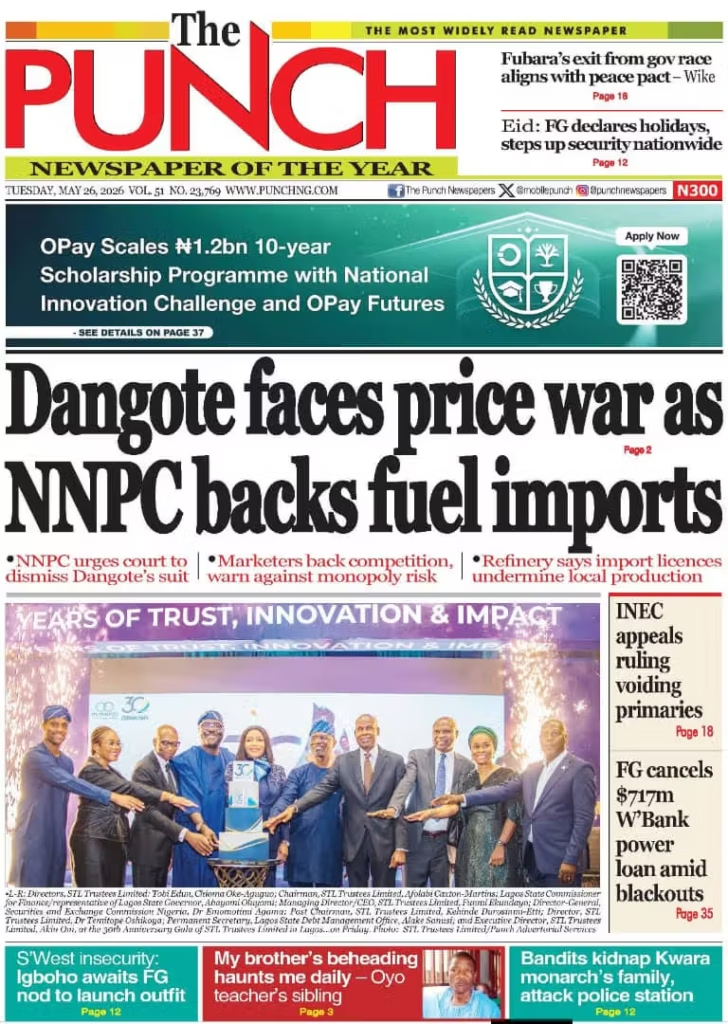
Here’s the piece’s central and most consequential finding, worth introducing directly since it’s already documented elsewhere in this blog. In 2026, Nigeria’s state oil company NNPC formally accused Dangote Refinery in court of attempting to establish “monopolistic dominance” over Nigeria’s fuel market by legally challenging the import licenses granted to competing companies, with NNPC asserting Dangote had not provided “reliable, independent, or verifiable” evidence of its capacity to meet the entire domestic market alone.
The connection to the ECOWAS appointment is worth drawing out precisely. This legal battle was actively unfolding during roughly the same window Dangote was being appointed, and subsequently working to establish, a regional institution explicitly designed to champion fair, competitive private-sector market access on behalf of businesses across fifteen ECOWAS member states.
It’s worth framing this tension fairly, without asserting bad faith on anyone’s part. A genuine monopoly dispute in one specific market doesn’t necessarily disqualify someone from representing broader private-sector interests regionally — but the juxtaposition is worth naming directly, since the same figure now positioned as the institutional voice for competitive, fair regional trade is simultaneously facing formal allegations of pursuing exactly the opposite dynamic within his own home market.
There’s a broader pattern this connects to, worth situating within material already extensively documented in this blog. This is the same underlying question this blog has already raised about Dangote’s dual role as both Nigeria’s dominant refinery operator and a figure central to the country’s genuine, historic shift toward net fuel exporter status — impressive achievement and serious competitive concern, coexisting in the same set of facts, now extended into a new regional advocacy role.
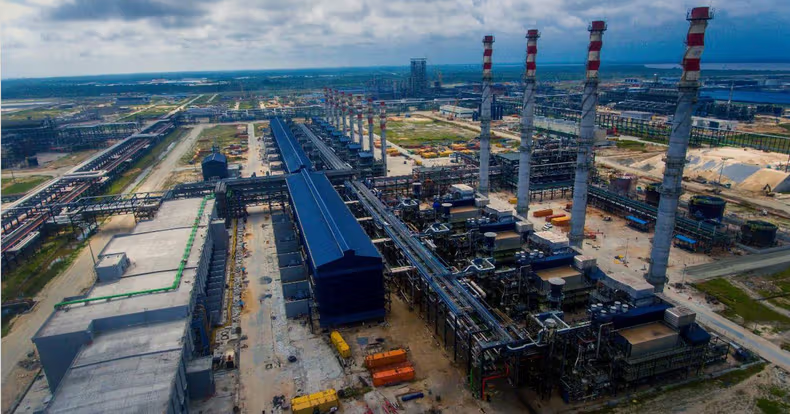
The Myth vs. The Reality
| What people assume | What actually happened |
| Dangote’s appointment as ECOWAS Business Council chairman represents a straightforward vote of confidence with no bearing on ongoing legal disputes in his home market | The same businessman is simultaneously facing a formal NNPC court accusation of pursuing monopolistic dominance domestically, a documented tension worth naming directly |
| The ECOWAS Business Council has moved from announcement to fully functional operation since Dangote’s December 2025 appointment | As of May 2026, ECOWAS officials were still working specifically to operationalise the council nearly six months after the original appointment |
| ECOWAS’s stated rationale for the appointment focused purely on regional economic integration goals | Touray explicitly tied the choice to reducing dependence on foreign investment in favor of intra-regional capital, framing Dangote as a model for that shift |
| The council’s technical structure is fully staffed and operating independently of ongoing setup work | A Technical Working Group President and other working group members were still actively engaged in building out the council’s operational structure as of the May 2026 visit |
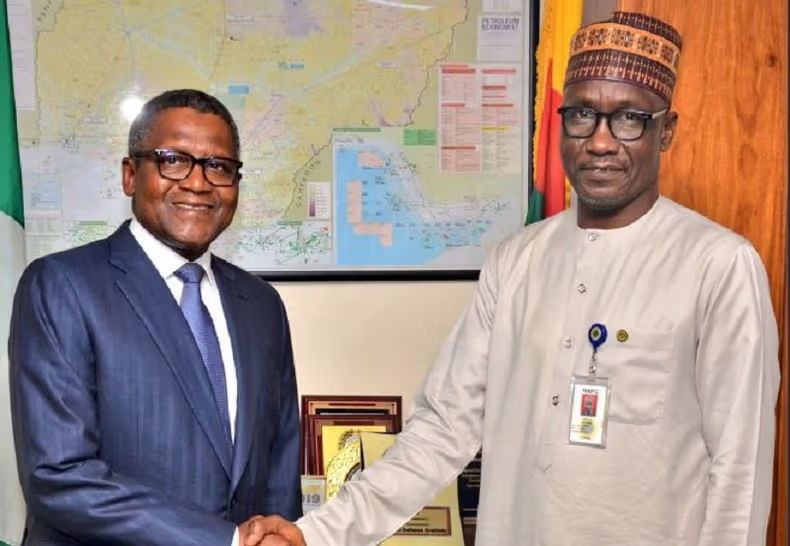
Close: A Bridge Builder With His Own Bridge Still Under Construction
Dangote’s appointment reflects a genuine, defensible institutional logic — ECOWAS wanted someone with real, region-spanning business experience to help build a private-sector bridge into regional trade policy, and few figures have that scale of footprint across West Africa — but the same figure’s simultaneous domestic monopoly dispute, and the council’s own still-incomplete operational status six months in, are both worth tracking honestly rather than treating the December 2025 announcement as the end of this story.
This connects directly to this blog’s earlier coverage of Dangote’s dual role in Nigeria’s genuine net-exporter milestone and its documented regulatory disputes — proof that even a genuinely significant institutional appointment deserves the same “check the math” scrutiny this blog has applied throughout its coverage of West African trade governance.
Sources and further reading.