

A Historical In-depth Discovery of Trade in West Africa Since 1896
Here’s what you need to know:
- Freetown Terminal has operated Sierra Leone’s container port since a 2010 concession agreement, with the government of Sierra Leone holding a 20% equity stake, and delivered a genuine $120 million expansion completed in 2018 that pushed capacity to 750,000 TEUs.
- The scandal: Freetown Terminal is described in its own current materials as “formerly a subsidiary of Africa Global Logistics (AGL)” — the renamed entity Bolloré Africa Logistics became after its 2022 sale to MSC, a transaction already documented elsewhere in this blog as the subject of a 2025 money-laundering complaint filed by a coalition of NGOs across six African countries.
- Freetown’s port modernization sits directly inside the same corporate ownership chain currently facing that unresolved international scrutiny — meaning the same infrastructure success story this blog can genuinely credit also carries the weight of a corporate history under active investigation.
The company that modernized Sierra Leone’s main container port over the past fifteen years has gone by several different names — but underneath every one of them sits the same corporate lineage this blog has already spent considerable time documenting elsewhere.
Section One: Promised
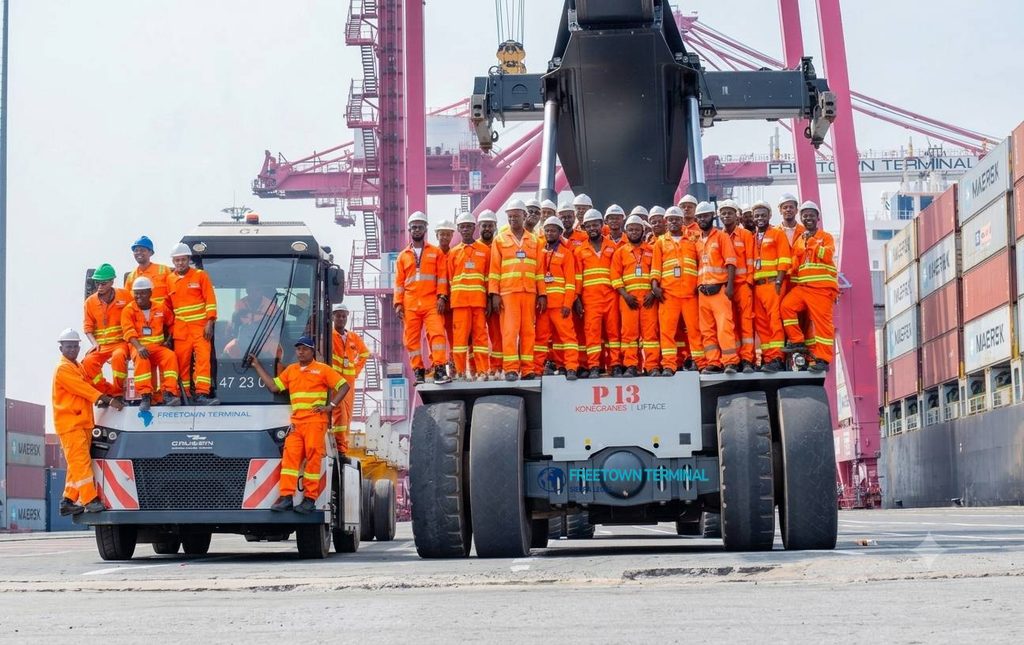
The original concession structure is worth explaining directly, since it’s the foundation everything else builds on. On November 25, 2010, the Sierra Leone Port Authority, the government, and the National Commission for Privatization entered a concession agreement with Bolloré Ports and Freetown Terminal Limited, granting rights to use, manage, operate, and maintain the container terminal’s berths 3-6, effective March 2011.
The government’s retained stake in this arrangement matters for understanding who benefits from the terminal’s performance. The government of Sierra Leone holds a 20% equity ownership in Freetown Terminal, meaning the state retains a direct financial interest in the concession’s success alongside its private operator.
It’s worth explaining why Freetown’s harbor has historically mattered so much, connecting directly to this blog’s earlier historical coverage. Freetown’s natural deep-water bay made it one of the most important British coaling stations in West Africa during the colonial era, already documented in this blog’s history series — a strategic maritime advantage the city has continued leveraging into the container shipping era.
Section Two: Delivered
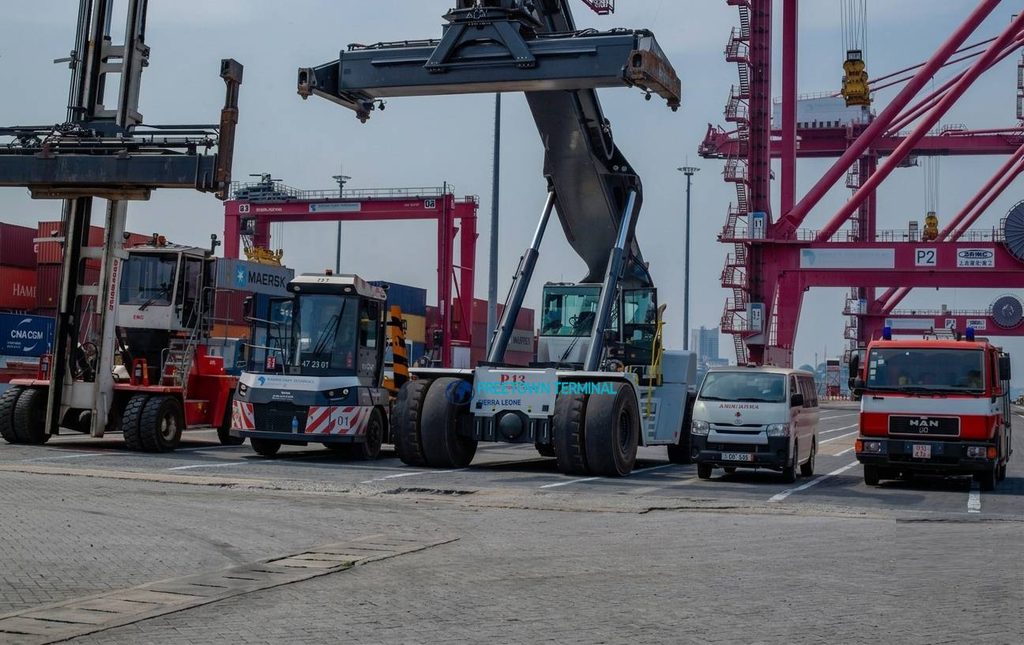
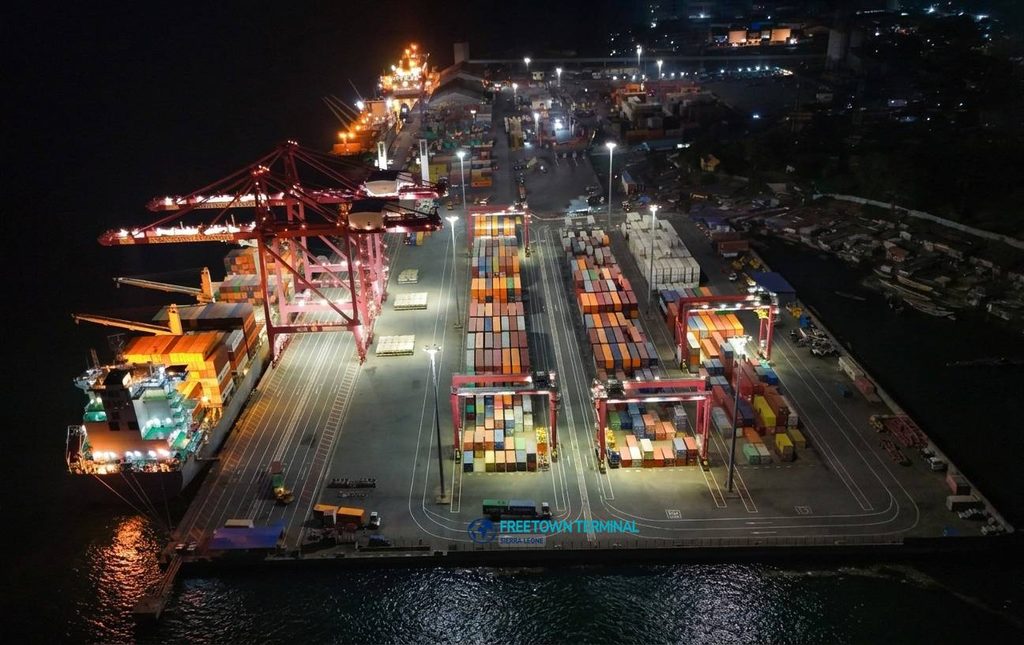
The genuine infrastructure achievement is worth bringing in directly, since it deserves real credit. In October 2016, Bolloré Ports launched a $120 million expansion project, building a new 270-metre deep-water quay with a 13-metre draft, backed by 3.5 hectares of new storage yard, aimed at increasing total container capacity to 750,000 TEUs.
The company’s own stated ambition for the project is worth quoting directly. Eric Melet, Managing Director of Development at Bolloré Transport & Logistics, called it an opportunity “to develop the Port of Freetown into the gateway to Sierra Leone and its hinterland, and a transshipment port,” with new dockside gantries and rubber-tired gantry cranes installed specifically to double the terminal’s productivity.
The genuine completion of this project is worth noting, since the timeline actually held. Construction was fully completed before its September 2018 target date, a rare instance in this blog’s infrastructure coverage of a major West African port project finishing on or ahead of schedule.
There are productivity gains already achieved even before this expansion, worth including since they show real, sustained improvement over time. Bolloré Africa Logistics had already invested $37 million in yard rehabilitation and equipment before the expansion project, contributing to a roughly 30% increase in traffic volume over the preceding four years.
Section Three: Still Pending
The corporate transformation that has happened since this expansion was completed is worth explaining, since it’s the section connecting directly to the scandal ahead. Bolloré Africa Logistics was rebranded to Africa Global Logistics (AGL) following Bolloré Group’s December 2022 sale of its African logistics operations to Mediterranean Shipping Company (MSC) — with Freetown Terminal Limited today describing itself as “formerly a subsidiary of Africa Global Logistics.”
What this means for understanding the terminal’s current ownership is worth noting, since the corporate lineage traces directly back to a transaction already scrutinized elsewhere in this blog. The modern Freetown Terminal exists downstream of the exact same €5.7 billion Bolloré-to-MSC sale this blog has already documented in detail, including the profit booked on that transaction and the international scrutiny it later drew.
The Scandal: The Bloodline Nobody Advertises
Here’s the piece’s central and most consequential finding. In March 2025, a coalition of eleven NGOs across six African countries filed a formal money-laundering complaint in Paris specifically targeting the 2022 Bolloré-to-MSC sale — a complaint already documented in detail elsewhere in this blog, alleging withheld fees in Cameroon and a disputed multi-billion-dollar national loss claim in Ghana tied to the same transaction.
The connection to Freetown is explicit, and it’s the piece’s core argument. Freetown Terminal Limited’s own corporate identity places it directly inside this exact ownership chain — a genuinely successful, on-time port modernization story that nonetheless traces its corporate lineage straight back to a transaction currently facing active international legal scrutiny.
This deserves fair framing, since the scandal belongs to the parent transaction, not necessarily to Freetown Terminal’s own local operations. There’s no evidence presented here that Freetown Terminal itself engaged in wrongdoing — the point is structural, not accusatory: infrastructure success stories in West Africa are frequently built by corporate entities whose broader ownership history carries baggage that rarely appears in the press releases celebrating a completed expansion.
Readers evaluating Freetown’s genuine port modernization achievements deserve to know that the company behind them has changed names twice in less than five years, each change tracing back to corporate transactions this blog has already found reason to scrutinize elsewhere.

The Myth vs. The Reality
| What people assume | What actually happened |
| Freetown Terminal Limited is a straightforward, independent port operator with no connection to broader Bolloré Group controversies already documented in this blog | Freetown Terminal describes itself as formerly a subsidiary of Africa Global Logistics, the renamed entity Bolloré Africa Logistics became after its 2022 sale to MSC |
| The company’s various name changes over the past decade reflect routine corporate rebranding unrelated to any underlying ownership transaction | Each name change traces back to a specific ownership transaction, most recently the 2022 Bolloré-to-MSC sale |
| Freetown’s 2018 port expansion was a rare case of a delayed, over-budget West African infrastructure project | Construction was fully completed before its September 2018 target date |
| The 2025 money-laundering complaint against the Bolloré-to-MSC sale has no bearing on ports outside the specifically named countries in that complaint | Freetown Terminal’s own stated corporate lineage places it inside the same ownership chain, even though it isn’t named as a direct subject of the complaint itself |
Close: The Same River, Different Names
Freetown’s port modernization is a genuine, well-documented infrastructure success story — an on-time expansion, real capacity gains, and a government equity stake ensuring Sierra Leone retains a direct interest in its performance — but the corporate entity behind that success has changed its name twice in under five years, each time tracing back to ownership transactions this blog has already found reason to scrutinize.
Sources and further reading.