

A Historical In-depth Discovery of Trade in West Africa Since 1896
Here’s what you need to know:
- Nigeria formally gazetted and adopted its AfCFTA tariff schedule in April 2025 — but the actual coverage is 80% of traded goods, not the 90% AfCFTA’s general framework targets, according to a June 2026 World Bank report describing Nigeria as one of only 24 state parties to have published tariff schedules by that point.
- Nigeria’s own Minister of Industry, Trade and Investment offered a candid, on-record acknowledgment of the gap between rhetoric and results, telling the 31st Nigerian Economic Summit plainly, “The question is not just about policy ambition, but about delivery.”
- The scandal, worth taking seriously: even as Nigeria champions continental tariff liberalization, the country’s own textile imports have more than doubled since 2020, reaching roughly ₦1.3 trillion annually — a domestic protectionism gap that mirrors the exact vulnerability already documented in this blog’s coverage of Ghana’s AGOA-dependent textile sector.
Nigeria is genuinely being praised for a major AfCFTA tariff liberalization commitment. The actual figure it adopted is smaller than the headline number usually cited — and the gap between what’s promised and what’s actually landed matters more than the round number suggests.
The Framework: What AfCFTA Actually Requires
AfCFTA’s general tariff modality is worth explaining directly, since it’s worth understanding the baseline the “90%” figure usually refers to. Under the AfCFTA Protocol on Trade in Goods, African Union member states committed to liberalise at least 90% of tariff lines on intra-African trade, with non-least-developed countries given five years and least-developed countries ten years to fully phase in that liberalization.
It’s worth understanding the remaining categories AfCFTA’s framework carves out, since it’s worth understanding the full structure, not just the headline number. Of the remaining 10% of tariff lines, up to 7% can be classified as “sensitive goods” liberalized over an extended timeline, while a final 3% can be excluded from liberalization entirely, subject to periodic review — meaning even a country in full AfCFTA compliance never actually reaches 100% tariff elimination by design.
There’s intra-African trade context this framework was built to address worth bringing in, since it’s worth understanding the scale of the underlying problem. African countries still trade more with the rest of the world than with each other, with intra-African trade sitting at around 14% of the continent’s total trade, compared to roughly 60% within the European Union and 50% within Asia.
The Actual Number: What Nigeria Specifically Adopted
Nigeria’s actual gazetted schedule is worth bringing in directly, since it’s the piece’s central factual correction. Nigeria formally gazetted and transmitted its ECOWAS Schedule of Tariff Offers to the AfCFTA Secretariat in April 2025, ahead of the 16th Council of Ministers Meeting on Trade — but a June 2026 World Bank analysis specifically describes this schedule as covering 80% of traded goods, not the full 90% target.
Nigeria’s position among other state parties is worth noting, since it’s worth including for context. As of May 2026, Nigeria was one of only 24 AfCFTA state parties to have actually published tariff schedules, and one of only 25 countries to have completed the full process of finalizing negotiations, securing AfCFTA Secretariat approval, and incorporating the schedule into domestic law.
There’s a phased timeline this schedule follows worth bringing in, since it shows genuine, structured commitment even if the headline percentage runs lower than sometimes cited. Nigeria’s tariff reductions follow a phased approach over a ten-year period beginning in 2021, with a 50% tariff reduction targeted for 2025, the agreement’s fifth implementation year.
The Delivery Gap: What Nigeria’s Own Officials Admit
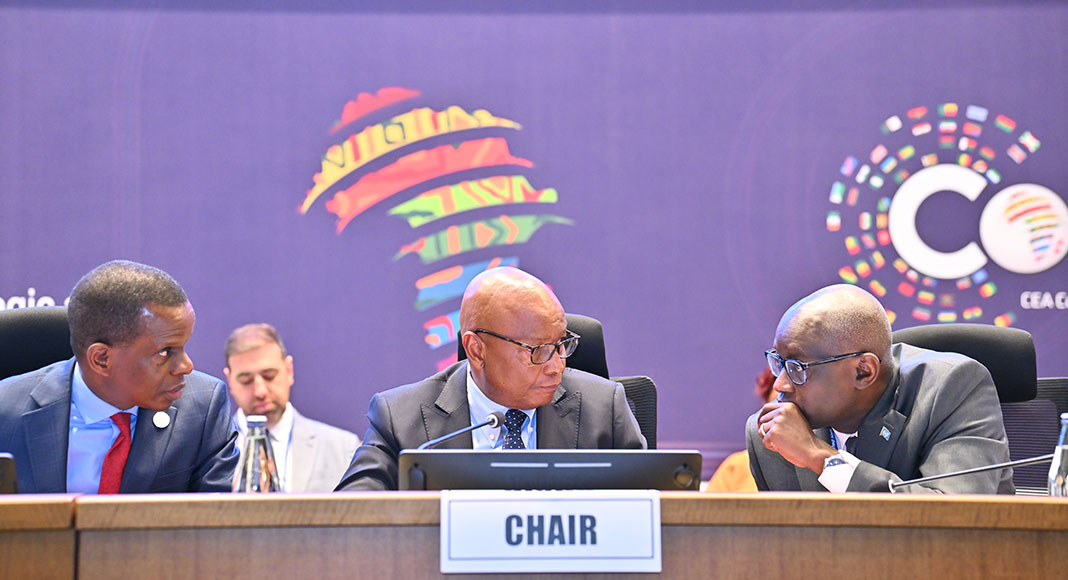
Here’s the piece’s central and most candid documented finding, worth introducing directly. Speaking at the 31st Nigerian Economic Summit in Abuja, Minister of Industry, Trade and Investment Dr. Jumoke Oduwole stated plainly, “The question is not just about policy ambition, but about delivery,” directly asking, “How do we translate trade policy into practice so that exporters can begin to feel the impact?”
The National AfCFTA Coordinator’s own assessment of what’s actually missing is worth quoting directly. Olusegun Awolowo stressed that aligning tariffs alone won’t deliver real gains, stating Nigeria must “streamline customs procedures and interconnected transport systems which are essential to ensuring the seamless movement of goods within and across her borders” — connecting directly to the exact port and documentation bottlenecks already extensively documented across this blog’s Customs, Logistics & Infrastructure coverage.
There’s genuine positive momentum worth including for balance, since real progress has occurred alongside the acknowledged gaps. Between January and May 2026, Nigeria Customs processed 21,376 export containers worth roughly $1.218 billion, with first-quarter 2026 export values up nearly 39% year-over-year and export container throughput rising almost 96%.
The Scandal: The Protectionism Nigeria Doesn’t Advertise
Here’s the piece’s sharpest and most consequential finding, worth introducing directly. Even as Nigeria champions AfCFTA’s continental liberalization and adopted its own tariff schedule, the country’s textile imports have more than doubled since 2020, with Nigeria now spending roughly ₦1.3 trillion annually on textile imports according to National Bureau of Statistics data.
The connection to material already documented elsewhere in this blog is worth making explicit, since it’s genuinely illuminating. This mirrors the exact structural vulnerability already covered in this blog’s “Technically Dead” AGOA coverage, where Ghana’s largest private employer, a textile manufacturer supporting 6,000 jobs, sits directly exposed to shifting trade preferences — Nigeria’s own surging textile import bill suggests its domestic textile industry faces comparable pressure, even as the country positions itself as a continental trade liberalization leader.
There’s an honest warning this pattern has already provoked from within Nigeria’s own trade policy community, worth including directly. Analysis of this dynamic warned plainly that “without tariff enforcement and targeted incentives, Nigeria risks hollowing out” its own domestic textile capacity, even while pursuing the broader liberalization agenda its officials are publicly championing.
Nigeria’s genuine, real commitment to AfCFTA tariff liberalization coexists with a domestic textile sector absorbing a rapidly growing import bill, a tension its own trade officials haven’t fully reconciled — championing open continental markets in principle while watching a specific domestic industry lose ground to exactly the kind of import competition that liberalization is designed to increase.
The Myth vs. The Reality
| What people assume | What actually happened |
| Nigeria’s AfCFTA tariff schedule liberalizes 90% of traded goods, matching the continental framework’s general target | Nigeria’s actual gazetted schedule, per a June 2026 World Bank report, covers 80% of traded goods, not 90% |
| Nigeria’s push for continental trade liberalization has been matched by comparable protection and support for its own vulnerable domestic industries | Nigeria’s own textile imports have more than doubled since 2020, reaching roughly ₦1.3 trillion annually, even as the country champions broader continental liberalization |
| Nigeria’s officials publicly present AfCFTA implementation as a settled success | The country’s own Trade Minister has directly acknowledged the gap between “policy ambition” and actual “delivery” |
| Tariff alignment alone is understood to be sufficient for Nigeria to fully benefit from AfCFTA | Nigeria’s own National AfCFTA Coordinator states customs procedures and transport infrastructure remain essential missing pieces |
The Myth vs. The Reality
| What people assume | What actually happened |
| Nigeria’s AfCFTA tariff schedule liberalizes 90% of traded goods, matching the continental framework’s general target | Nigeria’s actual gazetted schedule, per a June 2026 World Bank report, covers 80% of traded goods, not 90% |
| Nigeria’s push for continental trade liberalization has been matched by comparable protection and support for its own vulnerable domestic industries | Nigeria’s own textile imports have more than doubled since 2020, reaching roughly ₦1.3 trillion annually, even as the country champions broader continental liberalization |
| Nigeria’s officials publicly present AfCFTA implementation as a settled success | The country’s own Trade Minister has directly acknowledged the gap between “policy ambition” and actual “delivery” |
| Tariff alignment alone is understood to be sufficient for Nigeria to fully benefit from AfCFTA | Nigeria’s own National AfCFTA Coordinator states customs procedures and transport infrastructure remain essential missing pieces |
Close: Real Commitment, With an Honest Number Attached
Nigeria’s AfCFTA engagement is genuine and substantial — a formally gazetted tariff schedule, real export growth documented through 2026, and unusually candid public acknowledgment from its own trade officials about the gap between policy and delivery — but the specific percentage often cited deserves the same fact-check scrutiny this blog has applied to other headline trade figures, and the country’s own textile sector shows exactly the kind of domestic vulnerability its officials haven’t yet fully addressed.
Sources and further reading.