A Historical In-depth Discovery of Trade in West Africa Since 1896
Here’s what you need to know:
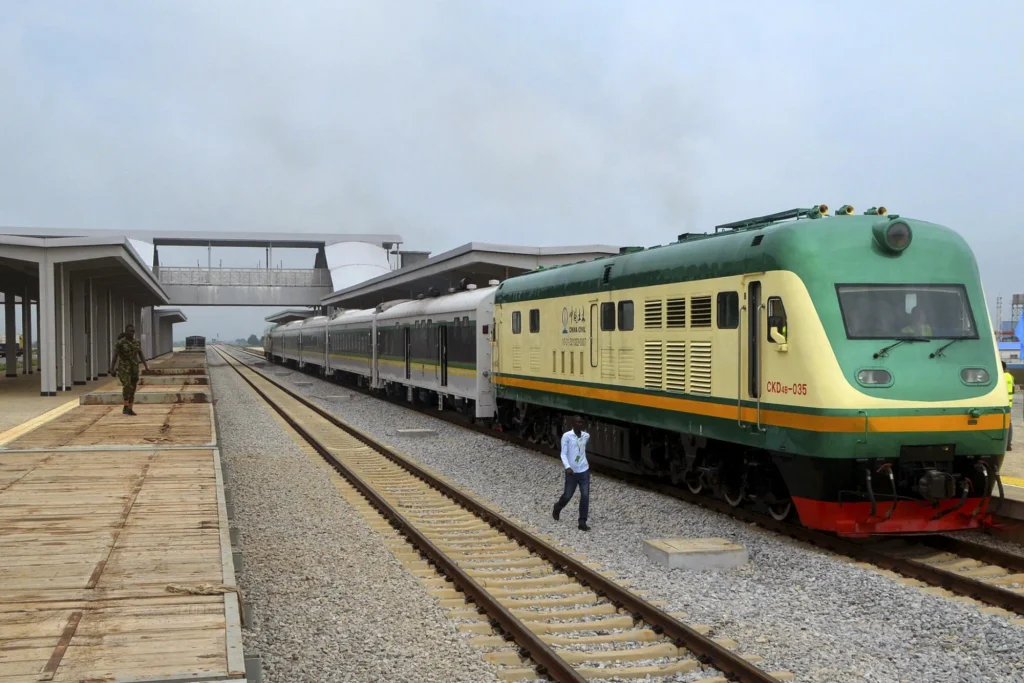
- The Lagos-Kano Standard Gauge Railway, first contracted to China Civil Engineering Construction Corporation in 2006 for an estimated $8.3 billion, is meant to replace the colonial-era narrow-gauge line built in 1912 — the same railway already documented in this blog’s coverage of the Kano groundnut pyramids.
- Nigeria spent a cumulative $17.7 billion on rail rehabilitation and modernization between 2006 and 2023, yet the full Lagos-Kano corridor remains incomplete as of the most recent 2026 reporting, with the final Kaduna-Kano segment’s completion target shifting between 2025 and 2026 across different official statements.
- The scandal: the freight link connecting the completed Lagos-Ibadan line to Apapa Port — the exact connection needed for the “agricultural and mineral cargo” this corridor is meant to carry — has sat stalled for years, with contractor CCECC demanding roughly $300 million in outstanding payment before completing it.
Nigeria first signed a contract to modernize this exact railway corridor in 2006. Two decades, roughly $18 billion, and several changes of government later, the line still isn’t fully operational.
Symptom: The Railway This Project Is Actually Replacing
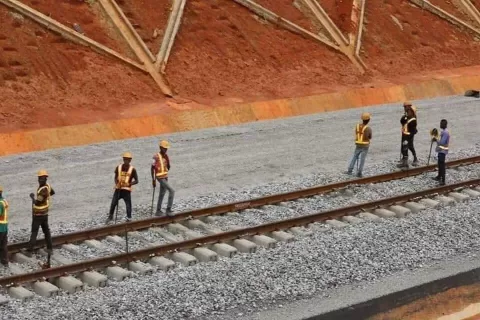
There’s a direct historical connection to material already covered in this blog worth bringing in first. The original Lagos-Kano railway line was completed by British colonial administrators in 1912, already documented in this blog’s coverage of the Kano groundnut pyramids as the infrastructure that transformed Kano into a major export hub, moving groundnuts south to the coast for shipment.
It’s worth explaining why that century-old line eventually became inadequate, since it sets up the modernization case plainly. The original railway operates on 1,067mm narrow gauge track, now considered obsolete for the freight and passenger volumes a modern Nigerian economy actually requires — the same basic capacity and efficiency limitations that have driven road-based freight to dominate Nigerian trade logistics, with all the congestion and cost documented elsewhere in this blog’s coverage of Nigeria’s ports.
The Repair: What Was Actually Promised
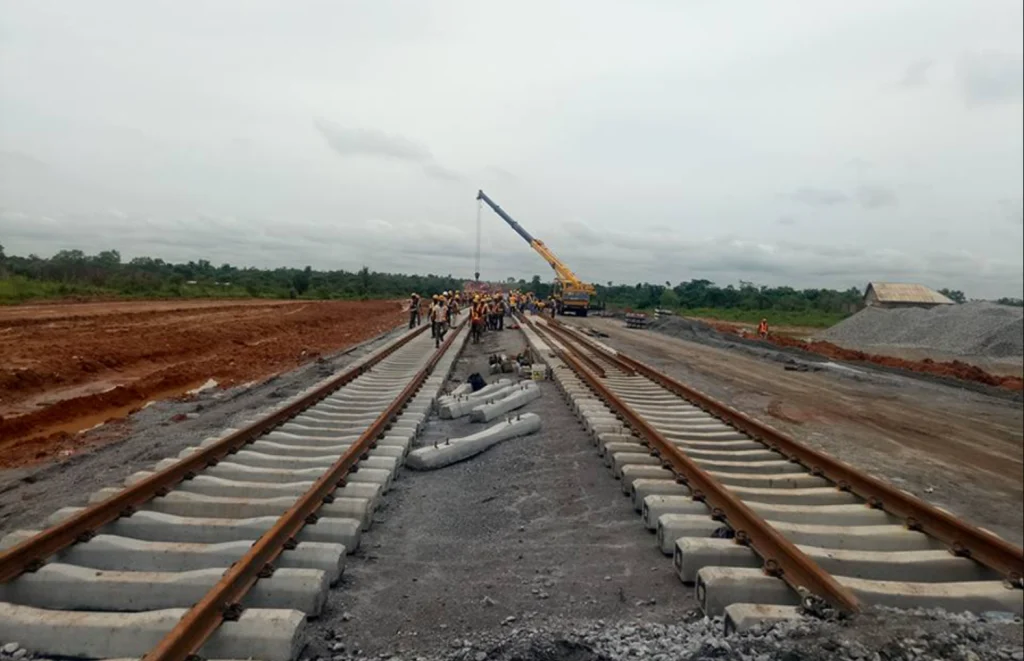
The original 2006 contract is worth laying out precisely, since it’s the starting point for everything that followed. China Civil Engineering Construction Corporation was awarded the Lagos-Kano standard gauge railway contract in 2006, valued at approximately $8.3 billion, covering the Lagos-Ibadan-Ilorin-Minna-Kano corridor with a branch line connecting Minna to Abuja and Kaduna.
The scale of the full network vision is worth including, since it’s genuinely ambitious. The complete alignment spans over 1,300 kilometres, using standard 1,435mm gauge track intended to carry both passengers and freight far more efficiently than the narrow-gauge predecessor it replaces.
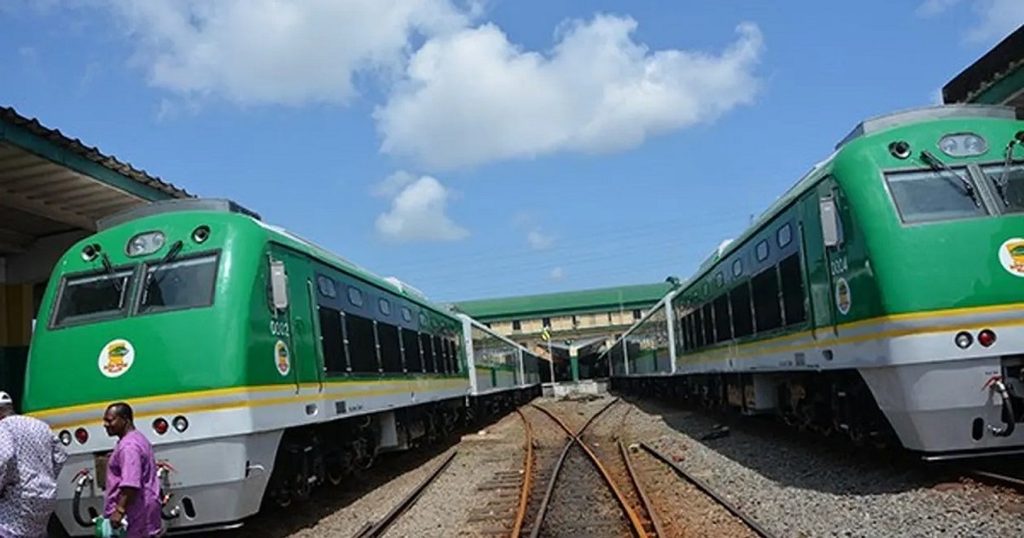
There are genuine milestones actually achieved along the way worth noting, since real progress has occurred over these two decades. The Abuja-Kaduna segment became operational in 2016, and the Lagos-Ibadan segment launched commercial operations on June 10, 2021, with Phase 2 of that section reaching “substantial completion” by December 2024.
The Track Record: Twenty Years of Funding Standoffs
Here’s the piece’s central recurring theme. Progress on the corridor has repeatedly stalled specifically over financing disagreements between Nigeria and Chinese lending institutions, not primarily construction or engineering setbacks.
A former transport minister’s own frustration captures the pattern precisely, worth quoting directly. Rotimi Amaechi stated bluntly regarding delayed Chinese Export-Import Bank loan approval, “We are actually waiting for the Chinese to give us the loan we applied for and they kept delaying us. Will we wait for them forever? The answer is no.”
A more recent minister’s own ultimatum to the contractor shows the same pattern persisting years later, worth quoting directly. Minister of Transportation Mu’azu Sambo stated plainly, “The CCECC have not brought anything to the table. I gave them a deadline which is October 30. If I don’t get that money on ground, I know what to advise Mr President to do.”
The cumulative financial scale this pattern has produced is worth bringing in. Between 2006 and 2023, Nigeria’s government spent a total of $17.7 billion on rail rehabilitation and modernization broadly, a figure that includes billions in direct borrowing alongside budget allocations, and the corridor still remained incomplete as of the most recent 2025-2026 reporting.
The Scandal: The Missing Link the Topic’s Own Framing Depends On
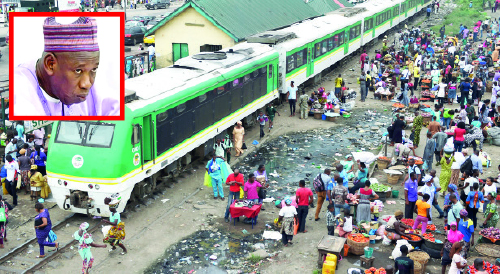
Here’s the piece’s sharpest and most relevant scandal for a story specifically about agricultural and mineral cargo. The short but critical link connecting the completed Lagos-Ibadan railway to Apapa Port — extending the line just 6.5 kilometres further to reach the port itself — has sat stalled for years after track-laying reached the APM Terminal.
The specific financial dispute behind this stall is worth including directly. CCECC has demanded approximately $300 million (N124.3 billion) in outstanding payment before completing this final port connection, a sum the federal government had not resolved even a full year after the Lagos-Ibadan line began passenger service.
This directly undercuts the modernization narrative, and it’s worth stating precisely. A railway corridor being promoted specifically for its potential to carry agricultural and mineral cargo has, for years, lacked the one short segment that would actually connect it to Nigeria’s busiest port — meaning the freight capability this entire multi-billion-dollar project is meant to deliver has remained functionally incomplete at its most critical connection point.
There’s an earlier, separate corruption allegation worth including for historical context, since it shows funding controversy around this corridor predates even the recent standoffs. A 2016 investigative report specifically alleged Nigeria had been “fleeced” in a related $1.76 billion Lagos-Kano rail rehabilitation contract, with unresolved questions at the time about which contractors were actually responsible for which sections of work.
The Myth vs. The Reality
| What people assume | What actually happened |
| The Lagos-Kano railway corridor has been substantially complete and operational for years, based on the Lagos-Ibadan and Abuja-Kaduna sections already running | The full corridor remains incomplete two decades after the original 2006 contract, with the Kaduna-Kano segment’s completion target still shifting between 2025 and 2026 |
| The corridor’s freight capability, including its connection to Apapa Port, has been fully functional since the Lagos-Ibadan line’s 2021 commissioning | The critical freight link to Apapa Port has sat stalled for years over an unresolved $300 million payment dispute with the contractor |
| Funding disputes with Chinese lenders and contractors are a recent development in this project’s history | The pattern of funding standoffs dates back years, with ministers issuing public ultimatums to both Chinese lenders and CCECC across multiple administrations |
| This modern railway represents an entirely new corridor unrelated to Nigeria’s colonial-era infrastructure | It directly replaces the 1912 narrow-gauge line already documented in this blog’s coverage of the Kano groundnut pyramids |
Close: A Colonial Railway’s Replacement, Still Under Construction
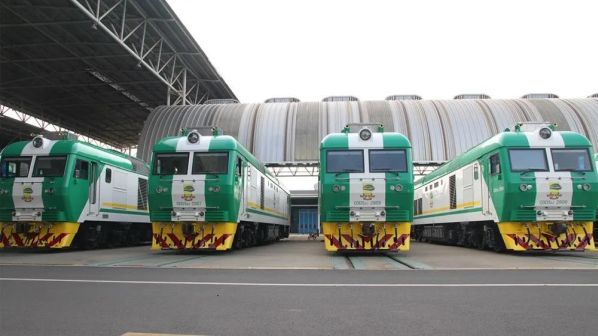
The modern Lagos-Kano railway represents a genuinely necessary upgrade to infrastructure whose colonial-era predecessor this blog has already documented in detail — but two decades, roughly $18 billion, and repeated funding standoffs later, the corridor still hasn’t delivered the complete, freight-ready connection its own promotional framing has promised for years.
Sources and further reading.