

A Historical In-depth Discovery of Trade in West Africa Since 1896
Here’s what you need to know:
- Since Niger’s border closure with Benin stretched into its third year, container traffic bound for Niamey now requires one of three detours instead of the original direct route — through Lomé and Burkina Faso, via Nigeria’s Tsamiya-Kamba corridor already documented elsewhere in this blog, or a much longer haul from Dakar.
- The verified 2025 numbers are striking: Abidjan’s transit traffic to Mali surged 76.4% to 1.47 million tonnes, while Burkina Faso-bound transit rose 16.6% — a shift analysts describe as the largest reshaping of West African port hinterlands since the 2002 Ivorian civil war first redirected Malian trade away from Abidjan.
- The scandal: Togo’s tax authority updated incentives specifically benefiting goods bound for Mali, Burkina Faso, and Niger — but explicitly only if those goods are unloaded at the Port of Lomé, a deliberate fiscal tool for capturing Sahel-bound trade rather than simply benefiting from natural market shifts.
A shipping container bound for Niamey used to take one obvious route. Since 2023, that route has effectively stopped existing, and three different, longer, costlier alternatives have taken its place.
Section One: Promised
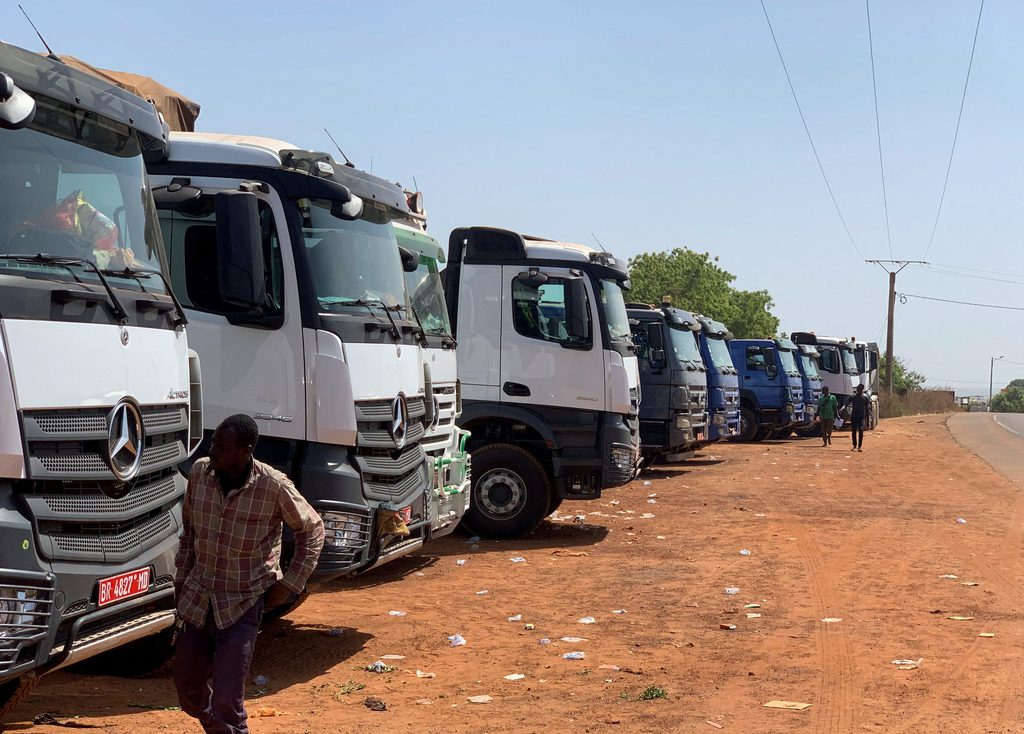
The underlying disruption is worth explaining directly, since it’s the root cause of everything that follows. Niger’s border closure with Benin, already documented extensively elsewhere in this blog, has now stretched into its third year, eliminating the direct Cotonou-to-Niamey route that once ran 1,030 kilometres over the Malanville-Gaya bridge.
It’s worth explaining what the actual alternatives look like now, since the detour distances tell the real story. A container now faces a 950-kilometre haul from Lomé through Burkina Faso, a Nigerian detour via the Tsamiya-Kamba corridor already covered in this blog that adds 600 to 900 kilometres to the original Cotonou route, or a considerably longer transit from Dakar exceeding 2,200 kilometres — meaning every available alternative to the original route costs more time, fuel, and money.
There’s a historical echo this rerouting represents, worth noting since it’s genuinely striking. Analysts describe this shift as the single largest reshaping of West African port hinterlands since the 2002 Ivorian civil war, when instability first redirected Malian trade flows away from Abidjan and toward other regional ports — meaning current trade patterns are, in effect, partially reversing a shift that had held for over two decades.
Section Two: Delivered So Far
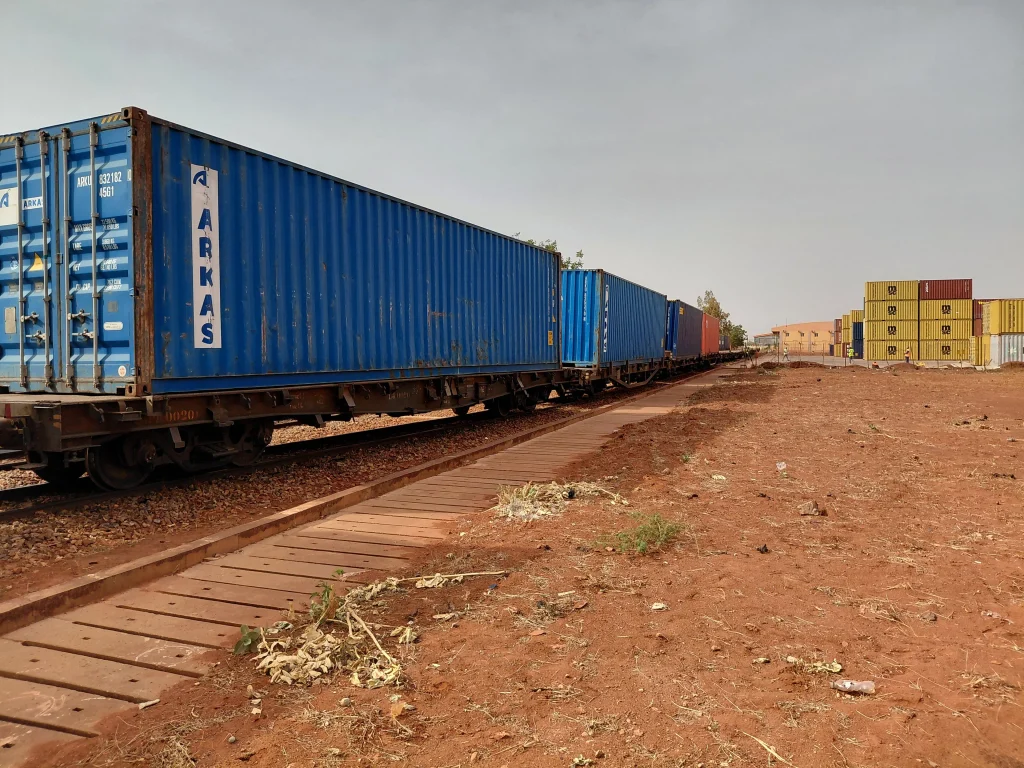
The verified, striking Abidjan data is worth bringing in directly, since it shows how dramatic this shift has actually been. Transit traffic through Abidjan to Mali and Burkina Faso combined reached 3.92 million tonnes in 2025, a 34.1% increase, with Mali-bound volumes specifically surging 76.4%, from 835,216 tonnes in 2024 to 1.47 million tonnes in 2025.
There are Burkina Faso figures as well worth including, since the recovery there followed a different earlier trajectory. After Burkinabe transit through Abidjan actually declined 6.6% in 2024, it rebounded 16.6% in 2025, reaching 2.4 million tonnes.
The Port of Abidjan’s own framing of this recovery is worth quoting directly. The port authority stated that “despite some socio-political tensions observed in the past, commercial and economic relations with hinterland countries remain strong and resilient,” describing 2025 as marking “a vigorous recovery of flows and stronger regional trade.”
There’s Lomé’s own continued, simultaneous dominance worth noting, since this isn’t a story of one port winning at another’s expense. The Port of Lomé moved 30.6 million metric tons in 2024, set a continental record with 123,000 container moves in a single month in March 2025, and Lloyd’s List ranked it 92nd worldwide — the only Sub-Saharan African port in the global top 100 — with AES member states still accounting for 92% of Lomé’s transit volume.
Section Three: Still Pending
There’s infrastructure racing to catch up with this trade shift worth bringing in directly, since it shows real institutional investment following the rerouted cargo. The Islamic Development Bank signed a $235 million loan agreement with Côte d’Ivoire in June 2026 specifically to finance the Tafiré-Ferkessédougou section of the Northern Highway, a corridor explicitly designed to strengthen Abidjan’s connection to Mali and Burkina Faso.
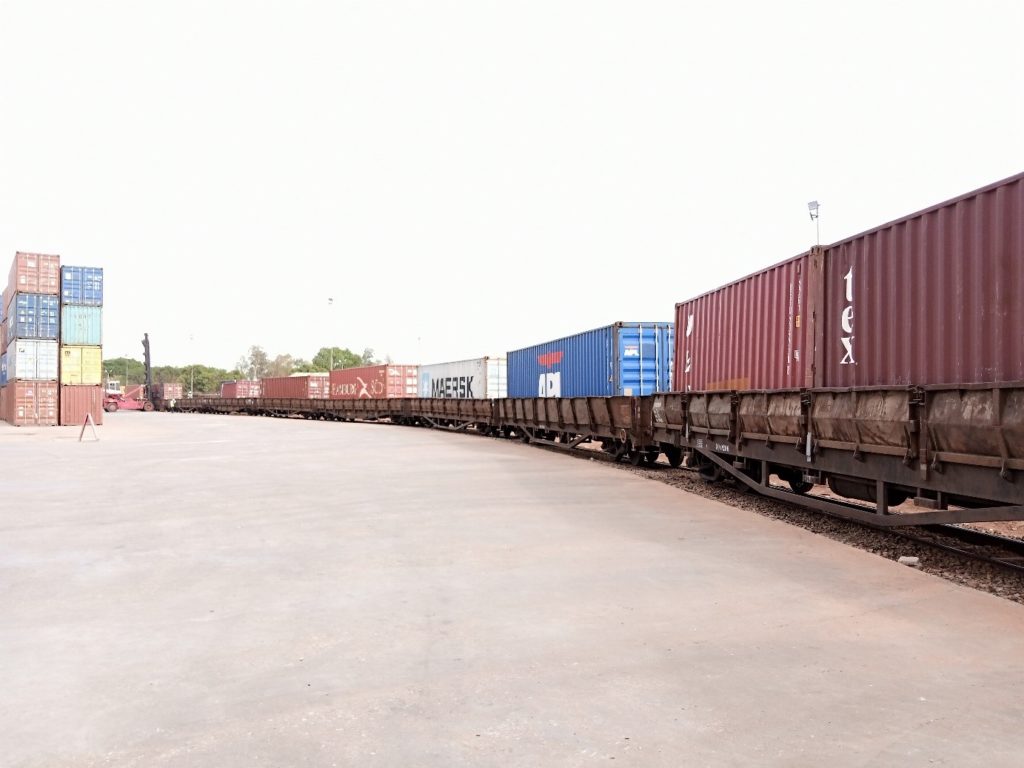
There’s capacity expansion underway at Abidjan itself worth noting, since it shows the port preparing for continued growth. A planned second container terminal is set to increase Abidjan’s capacity to 2.5 million TEUs annually, while the port’s total cargo volume already reached approximately 46.6 million tons in 2025.
The Scandal: The Red Flags
Here’s the piece’s central and most pointed finding. Togo’s tax office, the OTR, updated tax incentives specifically benefiting goods transiting to the three AES states via Lomé — but the office explicitly clarified that only goods unloaded at the Port of Lomé itself would qualify for the measure.
This matters as a distinct kind of competitive behavior, since it’s not simply passive benefit from a market shift. This is a deliberate fiscal policy tool, designed specifically to make routing cargo through Lomé more financially attractive than routing it through a competing port, actively shaping trader behavior rather than simply reflecting existing preference.
The diplomatic warmth this strategy has apparently produced is worth quoting directly, since it shows the policy’s apparent success. Niger’s own transport minister told Togo’s maritime economy minister, following a visit to Lomé, “Because of Togo, since July 26, the people of Niger kept getting supplies” — a genuinely striking statement of dependency and gratitude from a government official toward a specific competing port’s home country.
The current reshuffling of Sahel-bound trade isn’t simply the neutral outcome of geography and insecurity. It’s also being actively steered through targeted fiscal incentives and diplomatic relationship-building, meaning the ports “winning” this competition are doing so partly through deliberate policy design, not simply superior infrastructure alone.

The Myth vs. The Reality
| What people assume | What actually happened |
| The current shift of Sahel-bound cargo toward Abidjan and Lomé reflects purely organic market responses to insecurity and cost | Togo’s own tax authority has implemented targeted incentives specifically favoring cargo routed through Lomé, showing deliberate policy competition alongside natural market shifts |
| Abidjan’s dramatic 2025 growth in Mali-bound transit represents an entirely new trade pattern with no historical precedent | Analysts describe the current rerouting as substantially reversing a pattern first set by the 2002 Ivorian civil war |
| Ports are competing for Sahel-bound trade purely through infrastructure quality and pricing | Diplomatic relationship-building and government-to-government gratitude also visibly shape which routes traders and governments favor |
| Lomé’s dominance has declined as Abidjan’s Mali-bound volumes have surged | Lomé simultaneously set a continental record for container moves in March 2025, showing both ports growing rather than one displacing the other |
Close: The Roads Keep Changing, the Destination Doesn’t
Mali, Burkina Faso, and Niger still need their goods to reach the coast and their imports to reach the interior — what’s changed, repeatedly, over the past several years, is which port, which road, and which government gets to capture the value of moving those goods, a competition being fought with both genuine infrastructure investment and deliberate fiscal policy.
Sources and further reading.