
A Historical In-depth Discovery of Trade in West Africa Since 1896
Here’s what you need to know:
- In February 2022, Bolloré Group agreed to sell its Africa Logistics subsidiary — including its 67% majority stake in Sitarail — to Mediterranean Shipping Company for €5.7 billion, with Sitarail’s own management publicly promising that “all agreements and commitments” made under Bolloré would be maintained.
- That promise didn’t hold: as already documented elsewhere in this blog, Burkina Faso formally withdrew Sitarail’s concession in 2024, following years of unmet commitments including the long-promised Kaya-Tambao railway extension.
- The scandal: independent commentary published as the sale was announced sharply questioned whether MSC would “recognize Bolloré’s failures,” directly accusing the outgoing operator of running its African concessions as, in its own words, “the family’s cash machine” for 27 years without fulfilling its investment promises to either government.
When Bolloré agreed to sell Sitarail to MSC in 2022, the company’s own spokesperson promised customers and governments that nothing about their existing agreements would actually change. That promise turned out to be more accurate than anyone probably intended — for better and for worse.
Symptom: The Trust Deficit Already Building Before the SaleSection Heading
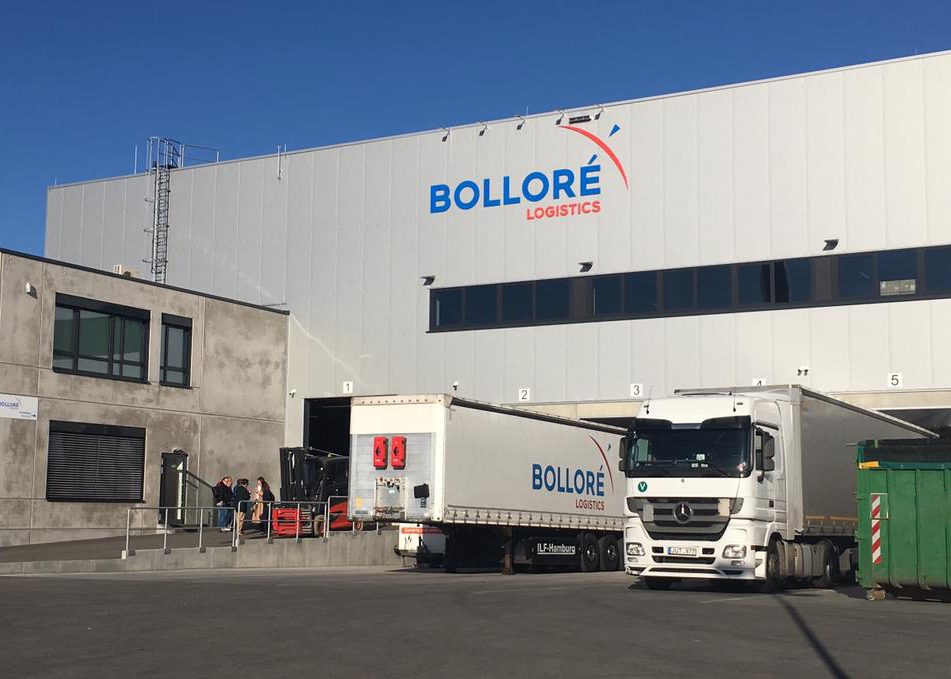
The pre-existing operational problems are worth bringing in directly, since they set up why this sale mattered so much. Sitarail’s passenger service between Abidjan and Ouagadougou had been suspended since March 2020, and the railway’s long-promised extension toward Kaya and Tambao — already documented in this blog’s earlier coverage — remained unfulfilled years after Bolloré’s 2016 commitment to begin construction by 2019.
There’s a direct public protest this generated worth including, connecting to material already covered elsewhere in this blog. The Burkina 2050 collective organized demonstrations demanding Bolloré be stripped of its management role, with a Change.org petition collecting 9,000 signatures urging Burkinabè authorities to terminate the concession entirely, alleging the company had neither refunded the state nor met its investment commitments.
There’s a specific theory this protest movement raised for why Bolloré’s investment had stalled, worth including since it’s a pointed allegation. The collective suspected Bolloré delayed work specifically after learning of a competing railway project connecting Burkina Faso directly to Ghana’s Tema port — already documented elsewhere in this blog — fearing the new route would undercut the cost-effectiveness of completing its own Kaya-Tambao extension.
The Repair: What the 2022 Sale Actually Promised
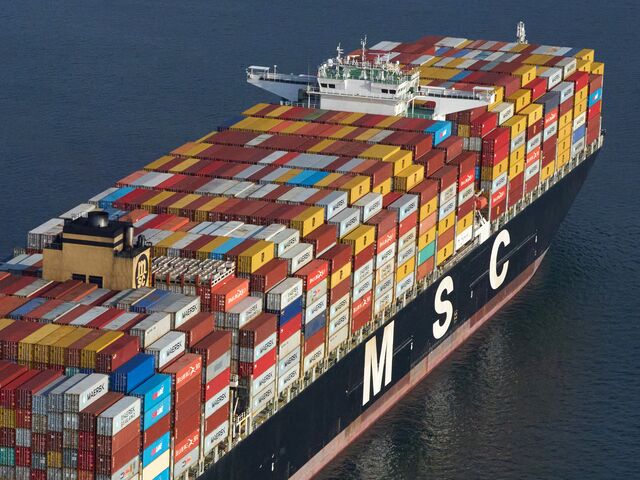
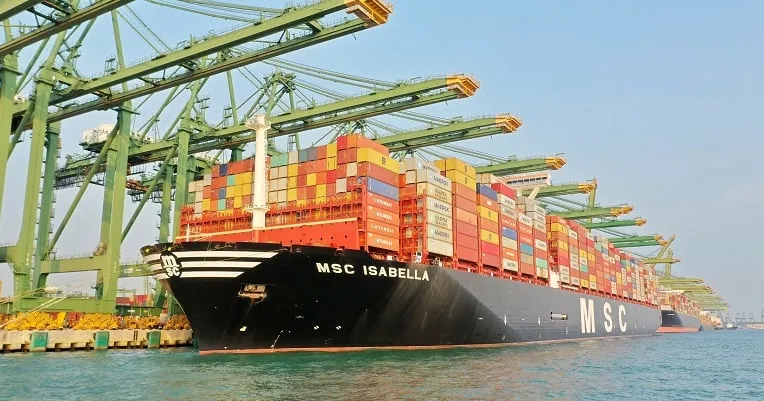
The sale’s actual scope is worth explaining directly, since it was part of a much larger transaction. Bolloré Group’s February 2022 agreement to sell Bolloré Africa Logistics to Mediterranean Shipping Company for €5.7 billion included not just Sitarail, but Bolloré’s entire African rail concession portfolio — Camrail in Cameroon and Bénirail in Benin alongside it.
The precise ownership structure being transferred is worth bringing in, since it clarifies exactly what changed hands. Bolloré’s stake in Sitarail, which had grown to 67% of shares by the time of the sale, represented the core asset in the transaction, with the governments of Côte d’Ivoire and Burkina Faso each still holding 15%.
Sitarail’s own public reassurance is worth quoting directly, since it’s the promise the rest of this piece checks against reality. Secretary General Marie-Antoinette Sorgho stated plainly that under MSC’s plan, “all agreements and commitments made by the Bolloré group toward its clients, state partners, and private partners will be maintained and executed as concluded” — a direct, specific pledge of continuity.
MSC’s own stated rationale for the acquisition is worth noting, since it frames the company’s intent at the time. MSC described the purchase as reaffirming “its long-standing commitment to invest in Africa and to strengthen supply chains across the continent, as well as connecting it to the rest of the world.”

The Scandal: The Question Nobody Answered Before the Sale Closed
Here’s the sharpest contemporary criticism, worth introducing directly since it names the concern plainly. Independent commentary published as the sale was finalized asked bluntly whether MSC would “recognize Bolloré’s failures” upon taking over — and separately posed an even sharper question about why the concession hadn’t already been terminated for documented breaches dating back to September 2021.
The harshest characterization of Bolloré’s African investment record is worth quoting directly, since it’s a serious, pointed allegation. The same commentary described Bolloré’s African concessions bluntly as “the family’s cash machine, an important source of profits obtained under questionable conditions” — accusing the company of exploiting the railway for 27 years without making its promised investments or paying owed fees to either government.
The accountability point implicates more than just Bolloré, worth stating precisely. The same critique explicitly faulted both the Ivorian and Burkinabè governments for failing to enforce the concession’s terms or terminate it despite years of documented non-compliance — framing the 2022 sale as a French company cashing out its profits while leaving unresolved obligations for its successor and the two governments to sort out.
What Actually Happened Next
Bring the story forward to the outcome already documented elsewhere in this blog, since it’s the piece’s real verdict. Rather than the continuity Sorgho promised, Burkina Faso’s government formally withdrew Sitarail’s concession in 2024, citing the same unmet commitments — including the still-unfinished Kaya-Tambao extension — that had already provoked mass protest before the sale to MSC ever closed.
The promise that “all agreements and commitments… will be maintained and executed as concluded” did not survive even two years past the sale’s completion — meaning the change of ownership, whatever else it accomplished, did not resolve the specific trust deficit that had already been building between Sitarail and the government of Burkina Faso for years beforehand.
The Myth vs. The Reality
| What people assume | What actually happened |
| The 2022 Bolloré-to-MSC sale represented a genuine fresh start for Sitarail’s relationship with Burkina Faso | Sitarail’s own spokesperson publicly promised continuity of all existing commitments, a promise that did not survive Burkina Faso’s 2024 concession withdrawal |
| Sitarail’s operational and investment problems were specific to Bolloré’s management and would resolve once new ownership took over | Independent commentary at the time specifically questioned whether new ownership would actually address the underlying pattern of unmet obligations, rather than simply inheriting it |
| Burkina 2050’s protest campaign was resolved by the change in ownership | The concession was ultimately terminated in 2024, two years after the sale, for the same category of unmet commitments the protest movement had already raised |
| Both governments actively enforced the concession’s terms throughout Bolloré’s tenure | Independent commentary directly faulted both governments for failing to terminate the concession despite documented breaches dating back to at least September 2021 |
Close: A Change of Ownership Isn’t a Change of Outcome
The 2022 sale changed who owned Sitarail, but it didn’t change the specific, documented history of unmet commitments that had already provoked mass public protest in Burkina Faso — and within two years, that same unresolved history led directly to the outcome this blog has already covered: the concession’s formal termination.
This closes a loop this blog has been tracing since its earliest coverage of Sitarail’s 1995 privatization — a company changed hands, changed names, and made fresh public promises of continuity, and none of it changed the underlying pattern of broken commitments that eventually cost it the concession altogether.
Sources and further reading.