

A Historical In-depth Discovery of Trade in West Africa Since 1896
Here’s what you need to know:
- Faso Rail, officially launched in 2025, is explicitly conceived as Burkina Faso’s alternative to Bolloré/MSC-controlled Sitarail — already documented elsewhere in this blog as the concession Burkina Faso formally withdrew in 2024 after years of unmet commitments.
- The planned 950-kilometre (590-mile) standard-gauge line would connect Ouagadougou to Ghana’s Port of Tema, with only about 90 kilometres of the route actually falling within Burkina Faso’s own territory — the vast majority runs through Ghana.
- The scandal isn’t corruption, it’s honesty about timeline: as of the most recent detailed reporting from September 2025, the project remained at the feasibility study stage, with officials themselves projecting initial operations only “within five years” — a genuinely early-stage status that “launch” framing tends to obscure.
This blog has already documented, in detail, why Burkina Faso withdrew Sitarail’s concession in 2024. Faso Rail is the government’s answer to that failure — but understanding what “launched” actually means for this project requires being honest about how early-stage it still is.

Section One: Promised
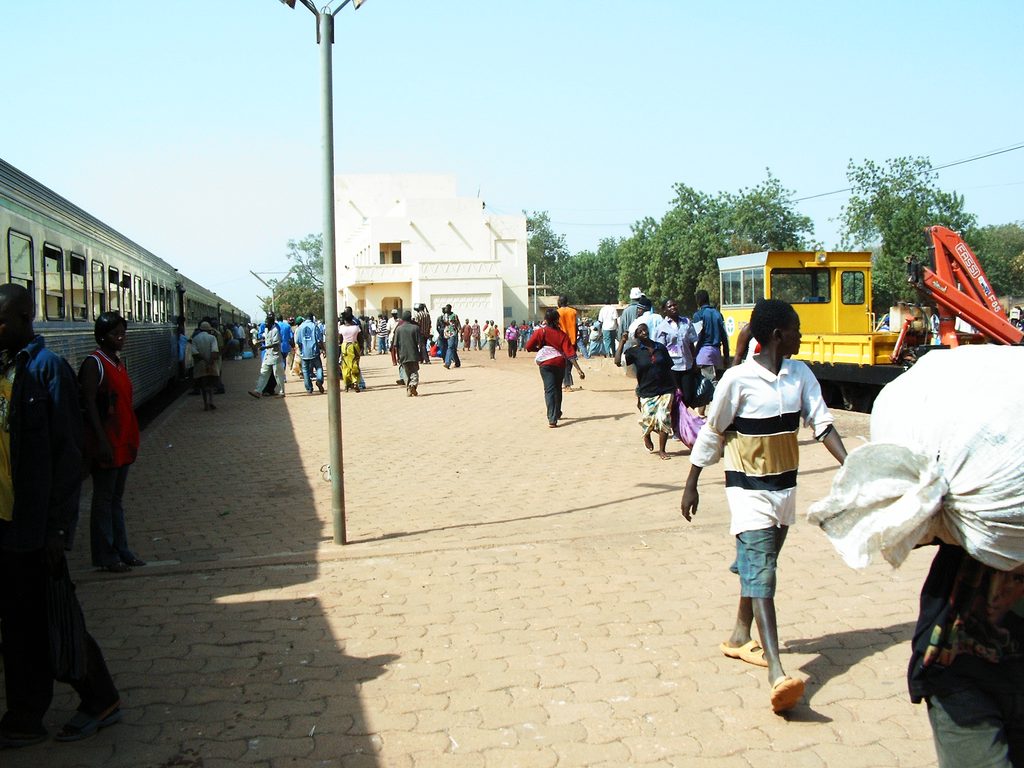
There’s a direct motivating context worth bringing in, connecting straight to the Sitarail arc already documented. After years of unmet commitments under Bolloré’s management, including the long-promised but never-completed Kaya-Tambao extension already covered in this blog, and the eventual 2024 concession withdrawal, Burkina Faso needed an alternative route to the coast that didn’t depend on Bolloré-controlled — later MSC-controlled — infrastructure.
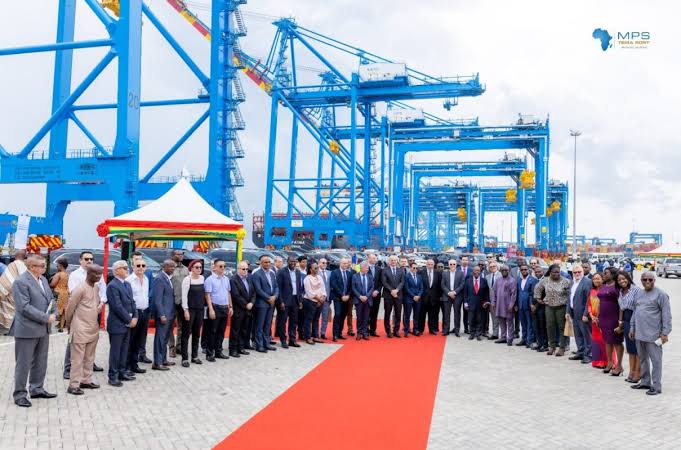
The actual proposed route is worth explaining directly. The planned line would run 950 kilometres (590 miles), connecting Ouagadougou to Ghana’s Port of Tema, with roughly 90 kilometres of that route falling within Burkina Faso itself — meaning the large majority of the physical corridor would run through Ghanaian territory.
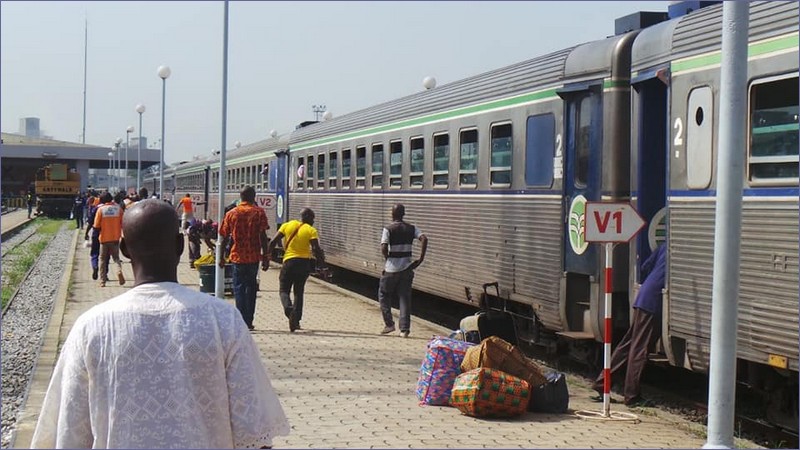
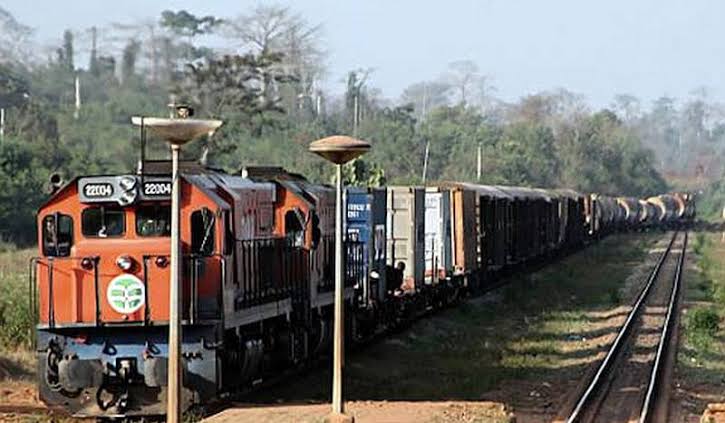
It’s worth explaining why “standard gauge” matters, since it’s a genuine technical upgrade. The existing Sitarail line to Abidjan runs on metre-gauge track, an older, narrower rail standard with real capacity and speed limitations; a standard-gauge line, at 1,435mm, is the same width used by most modern high-capacity rail systems worldwide, allowing for heavier loads and generally faster, more efficient freight movement.
Section Two: Delivered So Far
The actual diplomatic and planning milestones achieved are worth bringing in, since real institutional steps have occurred. Ghana and Burkina Faso signed a formal railway cooperation agreement in Accra in early September 2025, described by officials as a “landmark move for regional integration.”
Ghanaian officials’ own framing of the project’s strategic alignment is worth quoting directly. The project was described as resonating strongly with President John Dramani Mahama’s “Reset Agenda,” with Ghana’s Transport Minister explicitly connecting the effort to “H.E. John Dramani Mahama’s resetting our economy, the ECOWAS agenda, and Ghana’s Railway Master Plan.”
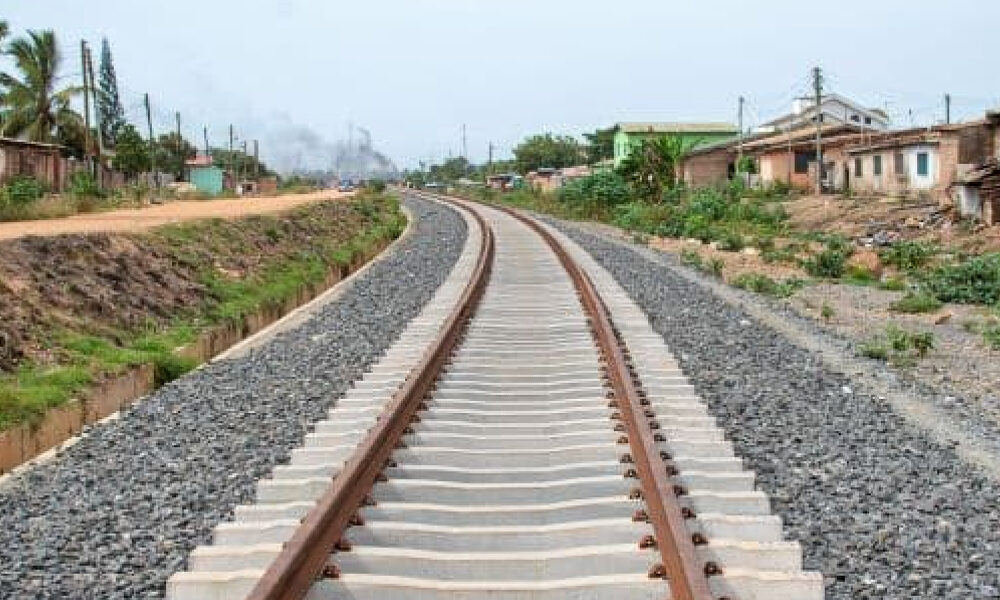
There’s existing Ghanaian infrastructure this new line would connect to, worth noting since it’s relevant context. The Tema-Mpakadan Railway Line, built by India’s Afcons Infrastructure and funded by a $440 million loan from the Export-Import Bank of India, was described by then-President Nana Akufo-Addo in February 2024 as being in its “final stage of completion” — infrastructure the new Ouagadougou line would need to link into.
Section Three: Still Pending
Here’s the honest, current project status, worth bringing in directly since it’s the section’s central fact. As of the September 2025 reporting on the formal cooperation agreement, the project remained explicitly in its feasibility study phase, with officials themselves projecting that “the Tema-Ouagadougou line could see initial operations within five years.”
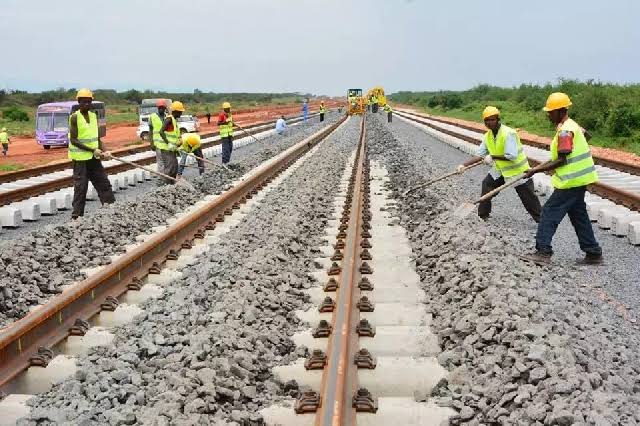
It’s worth stating this precisely, since it’s easy to read past this detail. A “launch” in 2025 that projects “initial operations” as much as five years later describes a project still in its early planning phase, not one under active construction — an important distinction for readers evaluating how close this genuinely is to actually moving freight.
There’s a broader regional rail vision this project connects to, worth noting since it shows real, if very long-term, ambition. Transport ministers from Côte d’Ivoire, Burkina Faso, Niger, Benin, and Togo have separately agreed on an action plan for an even larger international rail network connecting Abidjan, Ouagadougou, Niamey, Cotonou, and Lomé, spanning over 3,000 kilometres combined.
The Scandal: What “Launch” Actually Means Here
Here’s the piece’s central point, worth introducing directly, rather than a single dramatic revelation. Describing a project as having “launched” in 2025, when the same reporting describes it as still in feasibility studies with a five-year runway to initial operations, creates a meaningful gap between how these announcements get covered and what’s actually been built.
The connection to the broader Bolloré/Sitarail story is worth stating explicitly. The political motivation behind Faso Rail is real and well-documented — a genuine, government-stated desire to reduce dependence on infrastructure this blog has already shown was managed by a company whose own commitments went unmet for years — but political motivation and physical construction progress are two different things, and as of the most recent detailed reporting, this project has much more of the former than the latter.
There’s a pattern this fits into worth noting, since it connects to nearly everything else in this section. This joins Ghana’s Keta Port, the Trans-Volta corridor, and the Dakar-Bamako railway’s own “currently inactive” 2019 baseline, all already documented elsewhere in this blog, as further evidence that ambitious announcements and genuine construction milestones in West African rail infrastructure routinely arrive years apart.
The Myth vs. The Reality
| What people assume | What actually happened |
| Faso Rail’s 2025 launch represents the beginning of active construction on a new Ouagadougou-to-Tema railway | As of the most recent detailed reporting, the project remained at the feasibility study stage, with officials projecting initial operations only within roughly five years |
| The project is a purely Burkinabè initiative, separate from Ghana’s own existing rail infrastructure plans | The vast majority of the planned 950-kilometre route runs through Ghana, connecting to infrastructure Ghana itself was separately building and financing through an Indian Export-Import Bank loan |
| Faso Rail emerged from nowhere as a new, standalone infrastructure idea | It is directly, explicitly motivated by the failures of Sitarail’s Bolloré-era management, already extensively documented elsewhere in this blog |
| This project stands entirely apart from the broader regional rail ambitions covered elsewhere in West Africa | It connects to a separately agreed, much larger international rail network plan spanning Côte d’Ivoire, Niger, Benin, and Togo as well |
Close: A Real Motivation, an Early-Stage Project
Faso Rail’s underlying motivation is genuine and well-earned — this blog has already documented, in detail, exactly why Burkina Faso wanted out from under Sitarail’s management — but “launched” and “under construction” aren’t the same milestone, and the most recent detailed reporting available describes a project still years away from actually moving freight.
Sources and further reading.