
A Historical In-depth Discovery of Trade in West Africa Since 1896
Here’s what you need to know:
- Tema Port’s modernization wasn’t originally a multinational corporate initiative — it began with two Ghanaian entrepreneurs, Michael Wilson and Mr. Annan, who approached the Ghanaian government in 1999 with the idea, spending three years developing the project before it became the Meridian Port Holdings consortium.
- Maersk (through APM Terminals) and Bolloré were only brought into the project at the sitting Ghanaian president’s own request, specifically because they were already Tema Port’s biggest users — becoming, alongside the Ghana Ports and Harbours Authority, the dominant shareholders in the resulting joint venture.
- The scandal: the original Ghanaian founders say they were then “denied the chance to participate in its success” through what they describe as “egregious and unfair conduct from the majority shareholders” — a grievance serious enough that a Member of Parliament formally called for a government investigation into MPS’s shareholding structure in 2017.
Ask most people who modernized Tema Port, and the answer will be Maersk and Bolloré, the multinational giants whose names appear on every press release. The idea, and the years of work developing it, actually belonged to two Ghanaian entrepreneurs whose names rarely make it into the story at all.
Symptom: A Port That Needed a New Idea
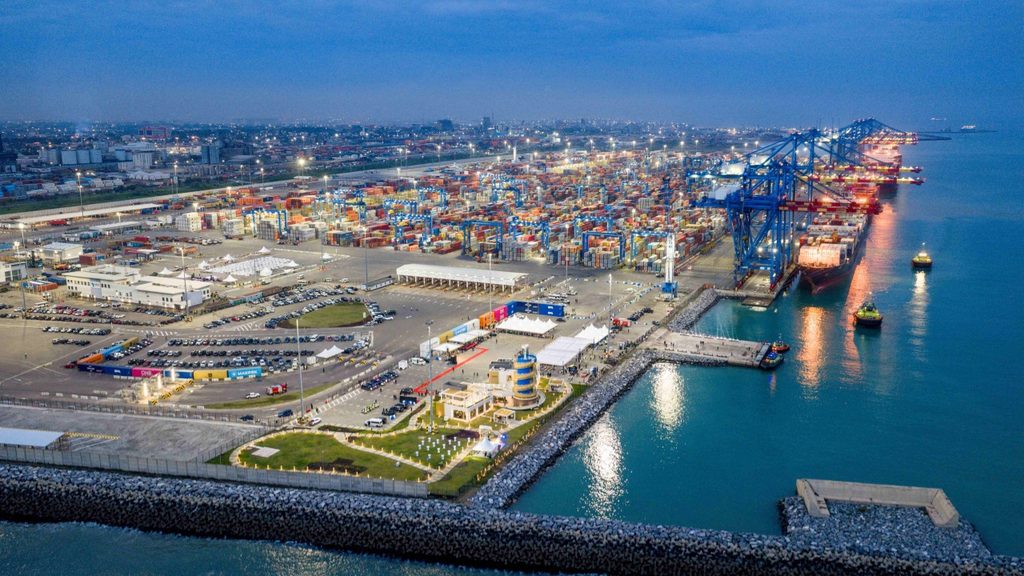
It’s worth explaining Tema Port’s condition before this project began, since it sets up why a new idea was needed at all. By the late 1990s, Ghana’s main container port needed exactly the kind of comprehensive modernization this blog has already documented across multiple other West African ports — outdated capacity, insufficient depth, and a facility not equipped to handle the scale of container traffic the region increasingly needed to move.
The Repair: Who Actually Started This
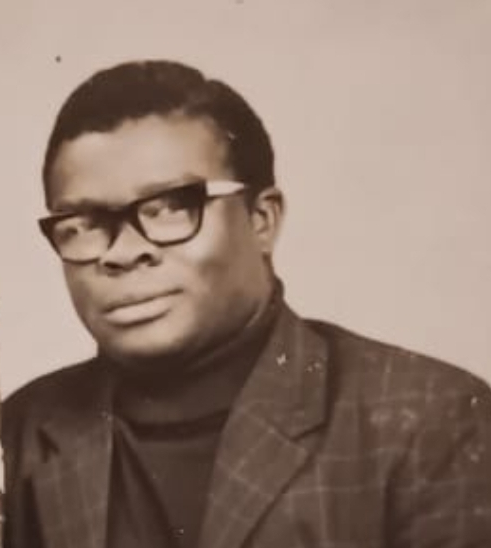
The original founders are worth introducing directly, since their story is the piece’s central, underreported fact. Michael Wilson and Mr. Annan first approached the Ghanaian government in 1999 with an idea for rationalizing the operation and management of Tema Port, spending the following three years — 1999 to 2002 — discussing and refining the project directly with the country’s highest officials.
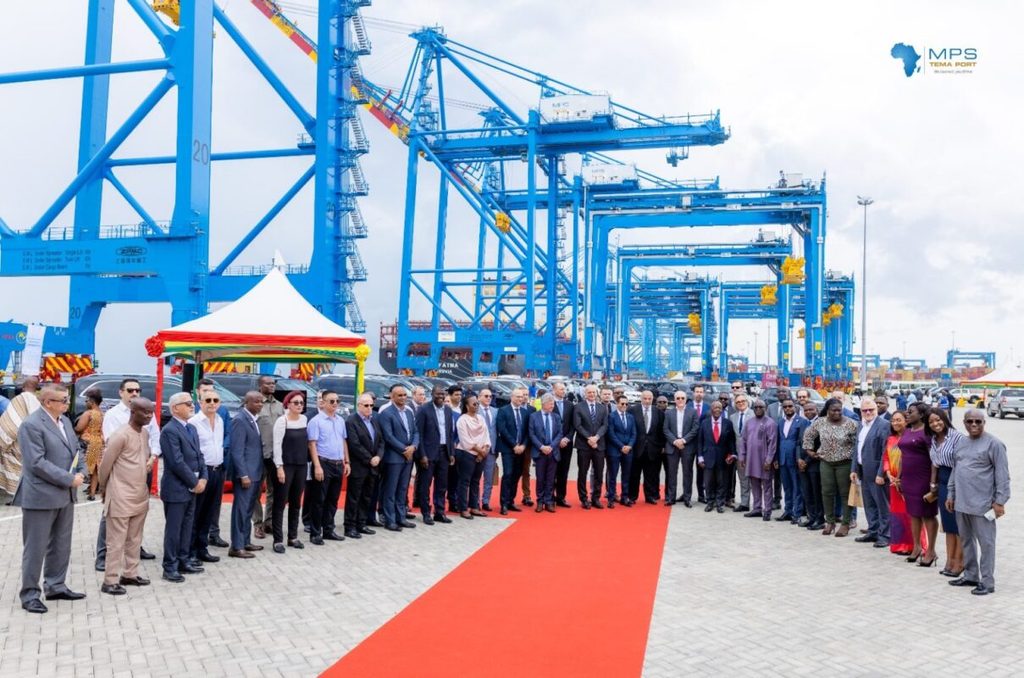
It’s worth bringing in exactly how this initiative became the modern MPS structure, since the sequence matters. Their work became the foundation of what eventually developed into the Meridian Port Holdings consortium, which operates Tema Port today through its subsidiary, Meridian Port Services Limited.
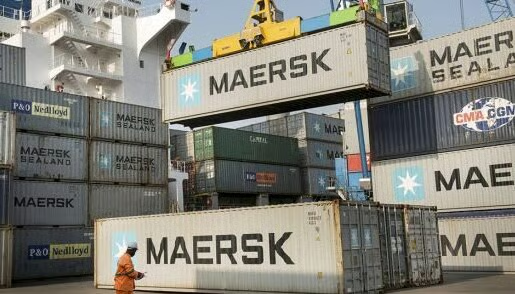
It’s worth explaining precisely how the multinational partners entered the picture, since it wasn’t the founders’ own choice. At the request of Ghana’s sitting president at the time, the consortium came to include AP Moller (the Maersk Group) and Bolloré — specifically because they were already the biggest users of Tema Port, giving the government a clear commercial rationale for bringing them in as partners.
The resulting formal ownership structure this produced is worth noting. Meridian Port Services was ultimately divided between Ghana Ports and Harbours Authority (30%), APM Terminals (35%), and Bolloré (35%) — with the government’s own account confirming SEL, the founders’ company, was originally “part of this public announcement and listed as a shareholder.”
The Track Record: What Happened to the Founders
Here’s the piece’s sharpest and most consequential finding. Despite originating the entire concept and spending years developing it with the government, Wilson and Annan say they were subsequently “denied the chance to participate in its success due to egregious and unfair conduct from the majority shareholders.”
This pattern echoes a story already documented elsewhere in this blog, worth making explicit. This is structurally the same story this blog has already told about Tetteh Quarshie, the Gold Coast cocoa pioneer who “did not benefit financially from the industry he founded” — a founder’s original initiative building something eventually captured almost entirely by larger, better-resourced parties who arrived later.
There’s a parliamentary-level seriousness this grievance eventually reached, worth including since it’s sourced to a separate, corroborating report. A Member of Parliament formally called for a government probe into MPS’s shareholding structure, describing concerns serious enough to warrant official investigation — confirmation that this wasn’t simply a private business dispute dismissed as sour grapes, but a matter that reached Ghana’s own legislature.
The celebrated version of Tema’s modernization story credits multinational capital and expertise for transforming West and Central Africa’s best-performing container terminal. But the idea, and years of foundational work turning it into a real project, belonged to two Ghanaian entrepreneurs whose own account describes being pushed out once the venture proved commercially serious enough for larger players to want full control.
What This Means for the Success Story Already Documented
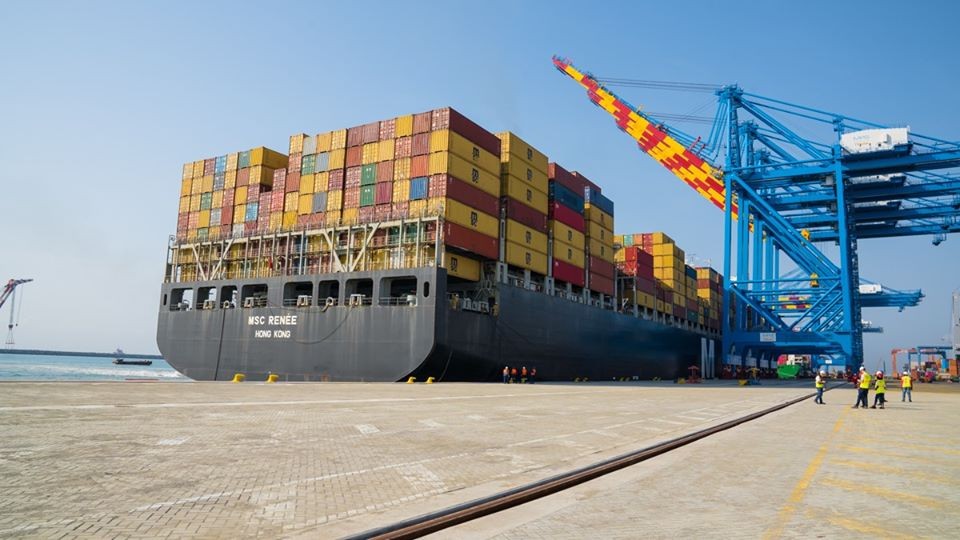
Bring the story back to the genuine achievement already covered elsewhere in this blog, since both things can be true at once. The $1.5 billion expansion, the 15 new gantry cranes, and Tema’s rise to West and Central Africa’s top-performing container terminal remain real, well-documented accomplishments — but crediting that success purely to Maersk and Bolloré’s initiative erases the Ghanaian entrepreneurs whose original idea and years of government engagement made the entire venture possible in the first place.
The Myth vs. The Reality
| What people assume | What actually happened |
| Tema Port’s modernization was conceived and initiated by Maersk and Bolloré as part of their own African expansion strategy | The project originated with two Ghanaian entrepreneurs who spent three years developing it with the government before Maersk and Bolloré were invited in at the president’s request |
| Meridian Port Services’ current ownership structure reflects an uncontested, straightforward business partnership | The founders’ own account of being pushed out of the venture’s ownership was serious enough to prompt a formal parliamentary call for investigation in 2017 |
| SEL, the founders’ company, was never formally part of MPS’s ownership structure | The government’s own public announcement of the project originally listed SEL as a shareholder |
| Maersk and Bolloré’s involvement in Tema Port began independent of any prior local initiative | They were brought in specifically at the sitting president’s request, because they were already the port’s biggest users |
Close: The Idea Doesn’t Always Keep Its Name on the Door
Tema Port’s transformation into one of West Africa’s genuinely best-performing terminals is a real achievement worth documenting fully — but a full accounting means remembering that the idea belonged, first, to two Ghanaian entrepreneurs who by their own account never got to see it through on the terms they’d originally built it toward.
Sources and further reading.