
A Historical In-depth Discovery of Trade in West Africa Since 1896
Here’s what you need to know:
- Simandou’s infrastructure — 600+ kilometres of trans-Guinean railway and a deep-water port at Forécariah — began operations in November 2025, with first iron ore shipments departing Morebaya port in December 2025 and arriving in China the following month, backed by a total project cost of roughly $24 billion.
- When the joint venture company overseeing this infrastructure was incorporated in 2022, its partners explicitly committed to “internationally recognised ESG standards.”
- The scandal: at least 18 workers have died during construction, Reuters reviewed over 40 previously undisclosed accidents, and in 10 documented cases, families of dead or injured workers signed liability waivers exempting the developer from responsibility — while hundreds of people were displaced and conservationists warn the railway threatens one of West Africa’s last forest elephant populations.
In 2022, before construction had even seriously begun, the companies building Simandou’s railway and port publicly committed to internationally recognized environmental, social, and governance standards. This is a check on what actually happened once the building started.
Section One: Promised
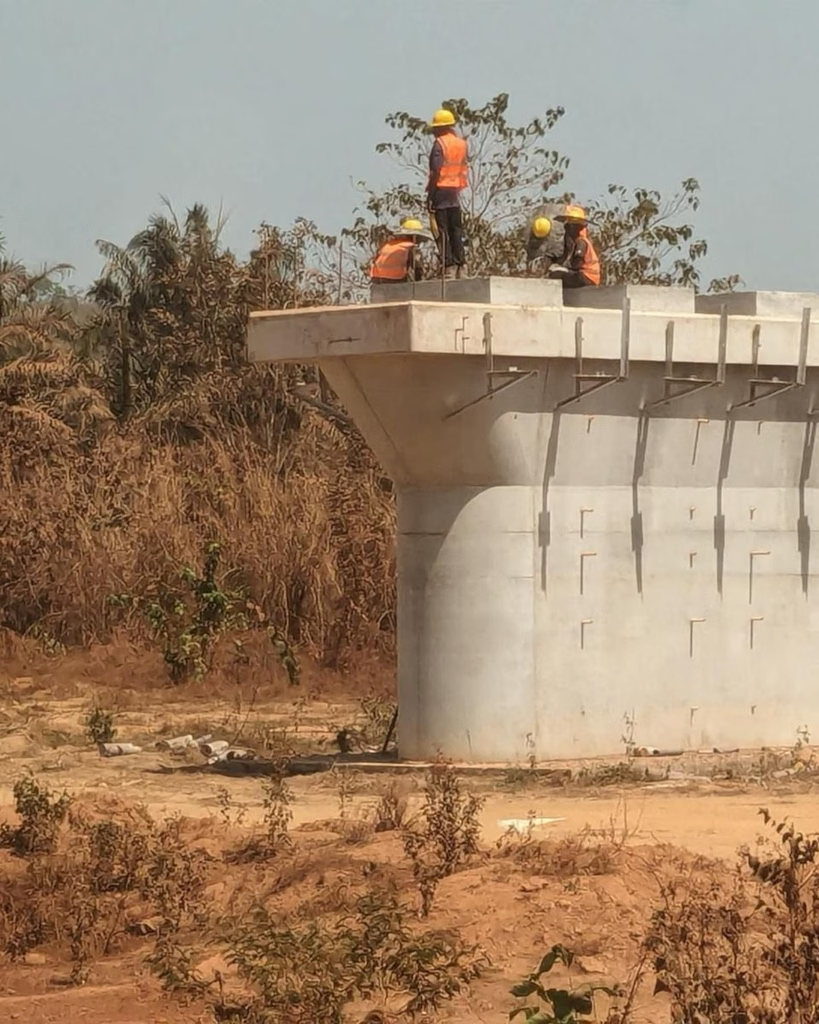
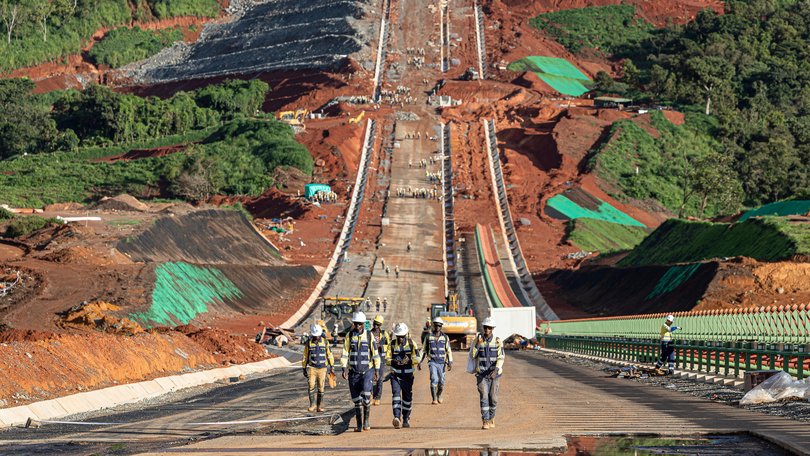
The infrastructure’s actual scale and purpose are worth explaining directly, since it’s genuinely massive. The project involves constructing more than 600 kilometres of new multi-use trans-Guinean railway alongside port facilities at Forécariah, enabling the export of up to 120 million tonnes of iron ore annually — described by Rio Tinto as “the most significant greenfield integrated mine and infrastructure investment in Africa.”
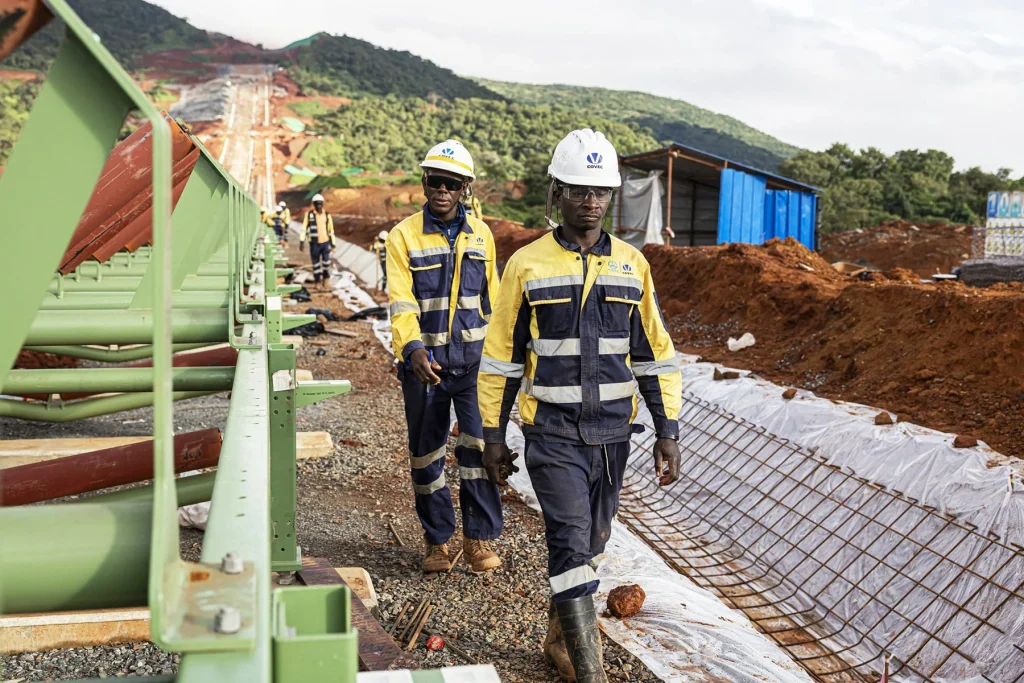
It’s worth understanding why building a railway this long through this specific terrain matters, since it’s a genuine engineering challenge. The corridor runs the length of the country, crossing forested terrain in Guinea’s southeast that had never previously carried this kind of heavy industrial infrastructure — a genuine engineering undertaking on the scale of the mine itself, not simply a connecting road.
There’s an explicit governance commitment made at the project’s institutional founding worth bringing in. When the Government of Guinea, Winning Consortium Simandou, and Rio Tinto Simfer formally incorporated La Compagnie du TransGuinéen in July 2022 to co-develop this infrastructure, the announcement specifically stated that “partners have committed to internationally recognised ESG standards.”
Section Two: Delivered So Far
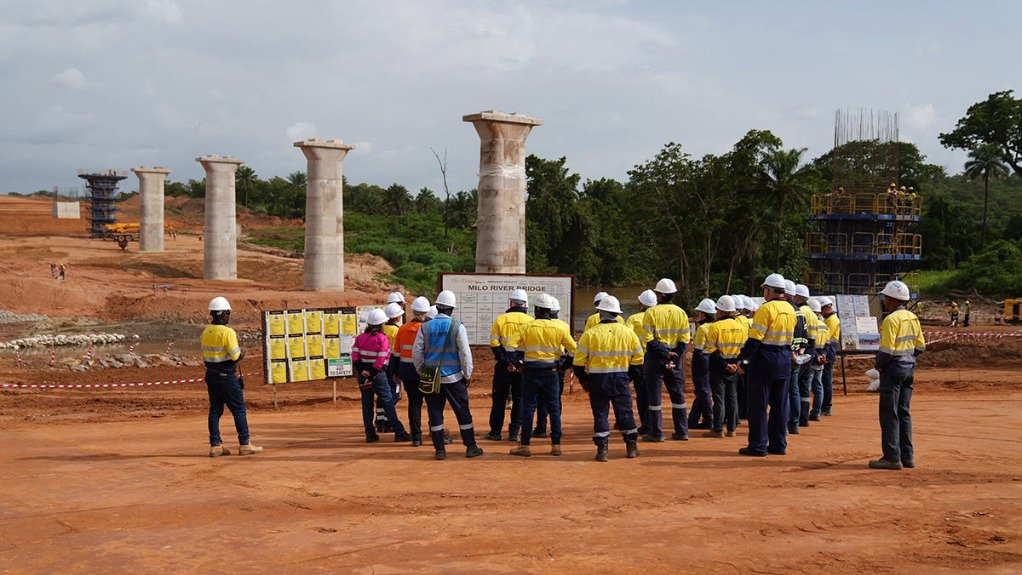
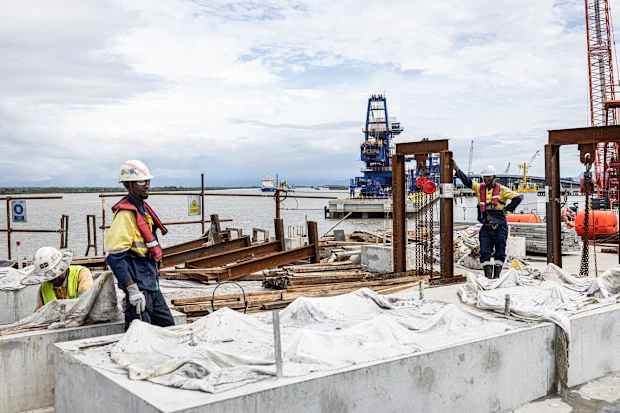
The genuine completion milestones are worth bringing in directly, since real infrastructure has actually been built and is operating. Following completed transport along the Trans Guinéen corridor in November 2025, first iron ore shipments departed Morebaya port in December 2025 and arrived at China’s Majishan port the following month — the project has now formally entered its operational phase.
The ceremonial recognition this milestone received is worth noting. Guinea’s president joined project partners WCS, Baowu, Chinalco, and Rio Tinto at a ceremony in Forécariah prefecture specifically to mark the start of operations, celebrated as Africa’s largest greenfield integrated mine and infrastructure project.
The ownership structure governing this now-operational infrastructure is worth bringing in. Once completed, the co-developed infrastructure and rolling stock transferred to the Compagnie du Transguinéen joint venture, with Simfer and WCS each holding 42.5% and the Guinean state holding a 15% interest.
Section Three: Still Pending
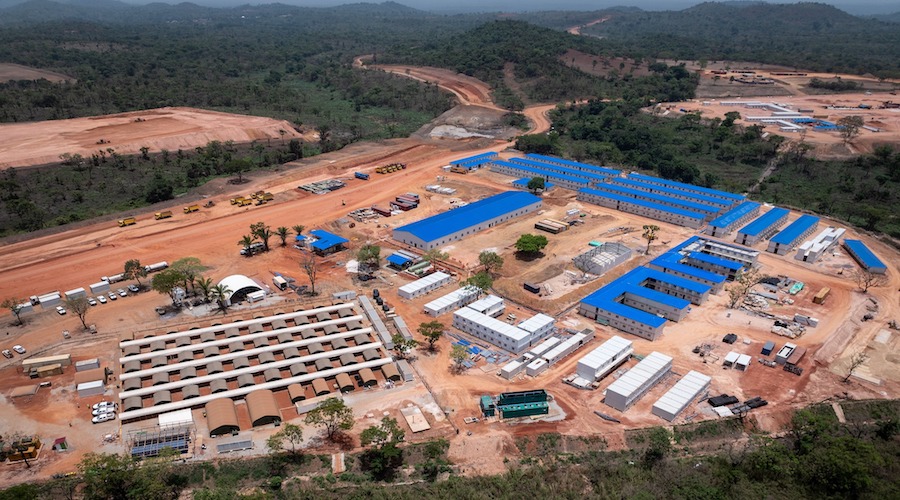
What full capacity actually requires is worth explaining, since the operational launch isn’t the end of the story. First production is expected to ramp up over 30 months to an annualised capacity of 60 million tonnes from the Simfer side alone, with the combined project targeting up to 120 million tonnes annually once fully ramped across both mining blocks.
The Scandal: The Red Flags
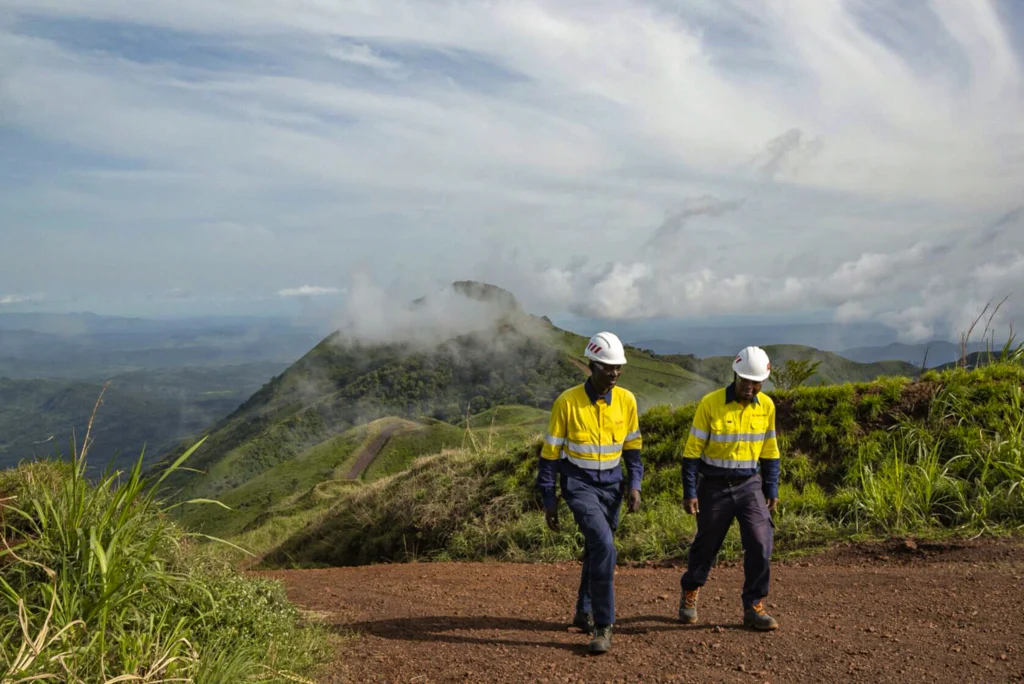
Here’s the piece’s central and most serious documented finding. At least 18 workers have died since port and railway construction began, with the most recent reported death occurring in February 2026 at Rio Tinto’s mine — a fatality count independent monitors describe as “unusually high,” raising concerns that safety was sidelined as construction accelerated toward its late-2025 completion target.
There’s a scale of undisclosed incidents worth including directly, since it shows the documented deaths may understate the real toll. Reuters reviewed reports of over 40 undisclosed accidents beyond the confirmed fatalities, with a safety audit conducted by French firm Artelia, alongside officials from both operating companies, specifically citing poor safety and health conditions on site.
Here’s the liability waiver practice, worth including since it’s the scandal’s single most disturbing documented detail. In 10 cases, families of workers who died or were injured signed waivers exempting Winning Consortium Simandou from liability — a practice independent researchers describe as “uncommon” in industrial settings generally, raising serious questions about the circumstances under which grieving families agreed to sign away their legal recourse.
There’s displacement and environmental concerns worth bringing in directly, since they round out a genuinely serious pattern of documented harm. Hundreds of people have been displaced during the project’s construction, while a 2024 report from the Wildlife Conservation Foundation warned the railway threatens habitat fragmentation for some of the last forest elephants remaining in West Africa, estimated at just 64 to 138 individuals confined to isolated forest fragments in the exact region the corridor bisects.
A joint venture that explicitly pledged “internationally recognised ESG standards” at its 2022 founding has, by the time of its own celebrated operational launch, generated a documented worker death toll independent monitors call unusually high, a pattern of undisclosed accidents, a disturbing liability waiver practice, hundreds of displacements, and warnings about irreversible harm to one of the region’s most endangered wildlife populations.
The Myth vs. The Reality
| What people assume | What actually happened |
| Simandou’s developers have operated in line with the internationally recognized ESG standards they publicly committed to in 2022 | Independent safety audits and Reuters’ own review of undisclosed accidents describe a construction period marked by poor safety conditions and an unusually high death toll |
| The project’s celebrated November 2025 operational launch represents a clean, uncomplicated infrastructure success story | Families of at least 10 dead or injured workers signed liability waivers, a practice researchers describe as uncommon in industrial settings |
| Displacement and environmental impact from the project have been limited and well-managed | Hundreds of people have been documented displaced, alongside serious conservation warnings about one of West Africa’s last forest elephant populations |
| Worker safety concerns at Simandou are limited to a small number of isolated, disclosed incidents | Reuters reviewed over 40 previously undisclosed accidents beyond the confirmed fatalities |
Close: What Gets Built Fast Sometimes Costs More Than Money
Simandou’s railway and port represent a genuine, historic infrastructure achievement, delivered on a scale and timeline few African megaprojects match — but the same acceleration that got it built by late 2025 appears to have come with real, documented human and environmental costs that sit uncomfortably alongside the ESG commitments made when the project began.
Sources and further reading.