

A Historical In-depth Discovery of Trade in West Africa Since 1896
Here’s what you need to know:
- The chartered company model didn’t begin with Africa’s colonization — its roots trace back to 1330s Spanish invasions of the Canary Islands, where royal charters let private investors conquer territory “without costing the monarch any money.”
- The model’s most famous 19th-century failure was the British East India Company, whose private army provoked the 1857 Sepoy Rebellion and led the British government to strip it of its governing powers entirely — a collapse contemporaries believed had permanently discredited the entire model.
- The scandal: George Goldie explicitly revived this “buried” model to found the Royal Niger Company in 1886, and internal British correspondence from the era shows officials privately worried about publicizing exactly what these companies were doing — with one 1889 letter warning that revealing a company’s “acquisition… of sovereignty” from African chiefs could “jeopardize our relations with them.”
- A separate colonial official was even more cynical about the whole scheme, writing that a proposed chartered company was “something to be got which will look well enough to invite fools to subscribe to,” doubting it would ever actually turn a profit.
By the 1880s, the chartered company — a private corporation given governing powers over foreign territory — was widely considered a failed, discredited idea. Its most famous example had just been forcibly dismantled by its own government less than three decades earlier. Africa’s colonizers built their empires using it anyway.
This is the genealogy of an idea that should have died once already, tracing it from its true 14th-century origins through its most catastrophic failure, to its deliberate revival across Africa.
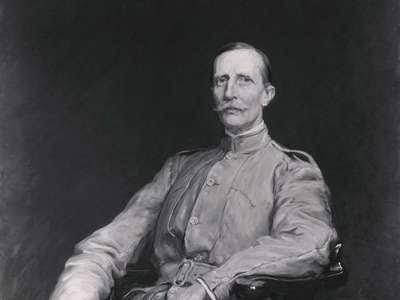
Origin Point: Six Centuries Before the Scramble for Africa
Most accounts start the chartered company story in the 1600s, but the model’s actual roots run much further back. The concept dates to the 1330s, when the European discovery of the Canary Islands prompted impoverished Spanish nobles, backed by investor financing and royal charters, to organize repeated invasions of the islands, finally conquering the native inhabitants in 1496 under a charter from the sovereign of Castile.
It’s worth explaining the core mechanism that made this model so appealing to monarchs for the next 500 years. The charter authorized invasion and territorial control “without costing the monarch any money” — investors and the company bore the financial risk, while the crown collected authority, taxes, and territorial claims essentially for free.
This is the model’s defining feature, worth explaining directly. Chartered companies were routinely granted functions normally reserved exclusively for sovereign states — the power to make war, administer justice, collect taxes, and govern populations — creating what historians describe as a genuine “state within a state,” with some companies, like the British and Dutch East India Companies, fielding military and naval forces larger than most actual European nations possessed.
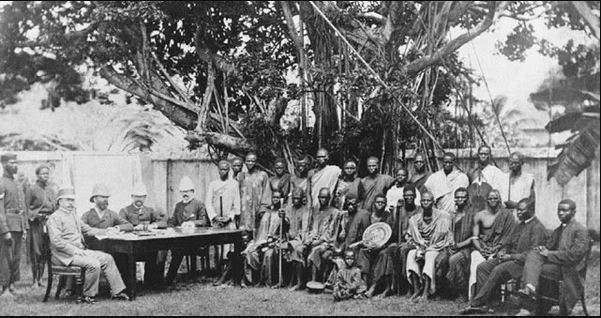
The Great Failure: What Happened to the Original Template
Here’s the model’s most famous catastrophic collapse. The British East India Company, the wealthiest and most powerful chartered company in history, saw its private army provoke the 1857 Sepoy Rebellion — a massive uprising against company rule so severe that the British government formally stripped the company of its governing powers over India entirely.
The historical significance of this collapse is worth stating explicitly, since it directly sets up the irony at the heart of this piece. Contemporaries genuinely believed the chartered company model itself had been discredited and effectively “buried” by this failure — a private corporation attempting to govern millions of people had triggered one of the largest anti-colonial uprisings of the century, and the model that enabled it appeared finished.
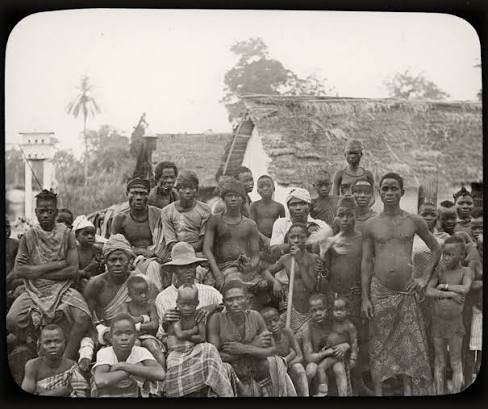
The Scandal: Reviving a Model Everyone Thought Was Dead
Here’s the piece’s central irony. George Goldie, founder of what became the Royal Niger Company, explicitly argued for amalgamating British trading firms in the Niger region into a single monopolistic chartered company — using a method, historical records note, that “contemporaries supposed had been buried with the ultimate failure of the East India Company following the Sepoy Rebellion.”
There’s internal British correspondence that shows officials knew exactly what they were concealing, worth quoting directly. In a March 1889 letter, British colonial official Robinson wrote to Knutsford that neither Chief Khama of the Bamangwato nor King Lobengula “are at present in the least disposed to part with their sovereign rights,” warning that discussion of “the acquisition by a commercial company of a sovereignty of those chiefs might, if it became public at the present time, jeopardize our relations with them.”
This letter matters enormously. It isn’t a modern historian’s retrospective critique of chartered company practices. It’s a British official, writing at the time, explicitly acknowledging that African rulers had not consented to giving up their sovereignty, and worrying specifically about the political risk of the public finding out what these companies were actually doing.
There’s a second, even more cynical internal quote worth including, since it undercuts any claim that officials genuinely believed in these ventures. Another colonial official, Fairfield, dismissed a proposed chartered company bluntly, writing that “something is to be got which will look well enough to invite fools to subscribe to,” and doubting outright that “such a Chartered Company would never really pay.”
This wasn’t a case of well-meaning colonial officials genuinely believing in a discredited-but-worth-retrying governing model. Internal correspondence shows officials privately aware both that African rulers hadn’t consented to losing their sovereignty, and that the commercial premise itself was dubious enough to be described as bait for gullible investors.
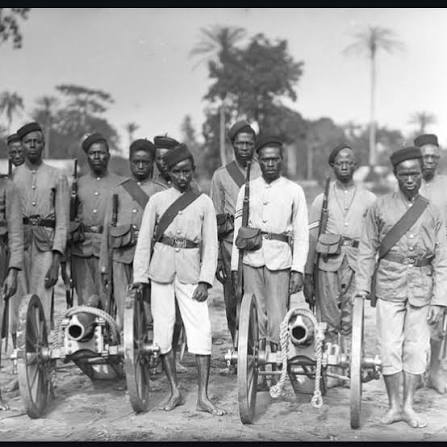
The Roster: Africa’s Second Generation of Chartered Companies
Here’s the actual roster of companies this revived model produced across the continent, since the scale shows how thoroughly the “buried” idea was resurrected. The Royal Niger Company, chartered in 1886, already extensively documented elsewhere in this blog. The Imperial British East Africa Company, chartered in 1888. The British South Africa Company, chartered in 1889. And Germany’s own chartered ventures in Togo, Cameroon, South-West Africa, and Tanganyika.
Each shared the same design feature. Every one of these companies was authorized to perform functions normally reserved for sovereign governments — administering territory, collecting taxes, maintaining armed forces, and negotiating directly with African rulers — precisely the “state within a state” model that had already triggered catastrophic failure in India.
The Myth vs. The Reality
| What people assume | What actually happened |
| The chartered company model used to colonize Africa was a novel 19th-century innovation | Its roots trace back to 1330s Spanish conquests, more than five centuries before the Scramble for Africa |
| The East India Company’s collapse had no bearing on how African chartered companies were designed | Contemporaries considered the model discredited after the 1857 Sepoy Rebellion, yet Goldie explicitly revived it for the Royal Niger Company anyway |
| British officials genuinely believed African rulers had consented to, or would peacefully accept, chartered company governance | Internal correspondence shows officials privately acknowledging African rulers had not consented to losing their sovereignty |
| Colonial administrators had genuine confidence in these companies’ commercial viability | At least one official privately dismissed a proposed chartered company as bait “to invite fools to subscribe to” |
Close: An Idea That Refused to Stay Buried
The chartered company model wasn’t a fresh solution European powers arrived at for colonizing Africa. It was a five-century-old template, already discredited by its own most famous failure, revived specifically because it let governments extract territory and resources “without costing the monarch any money,” exactly as it had in the Canary Islands four and a half centuries earlier.
Every company this blog has profiled in detail — the Royal Niger Company, and the pattern it set for CFAO, UAC, and BBWA’s own quasi-governmental behavior — operated inside the logic of this same recycled template, one that officials privately knew rested on sovereignty nobody had actually agreed to surrender..

Sources and further reading.