

A Historical In-depth Discovery of Trade in West Africa Since 1896
Here’s what you need to know:
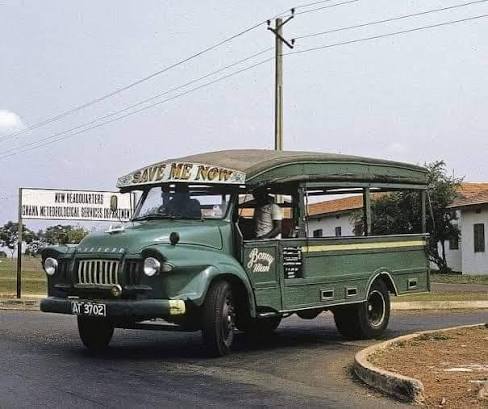
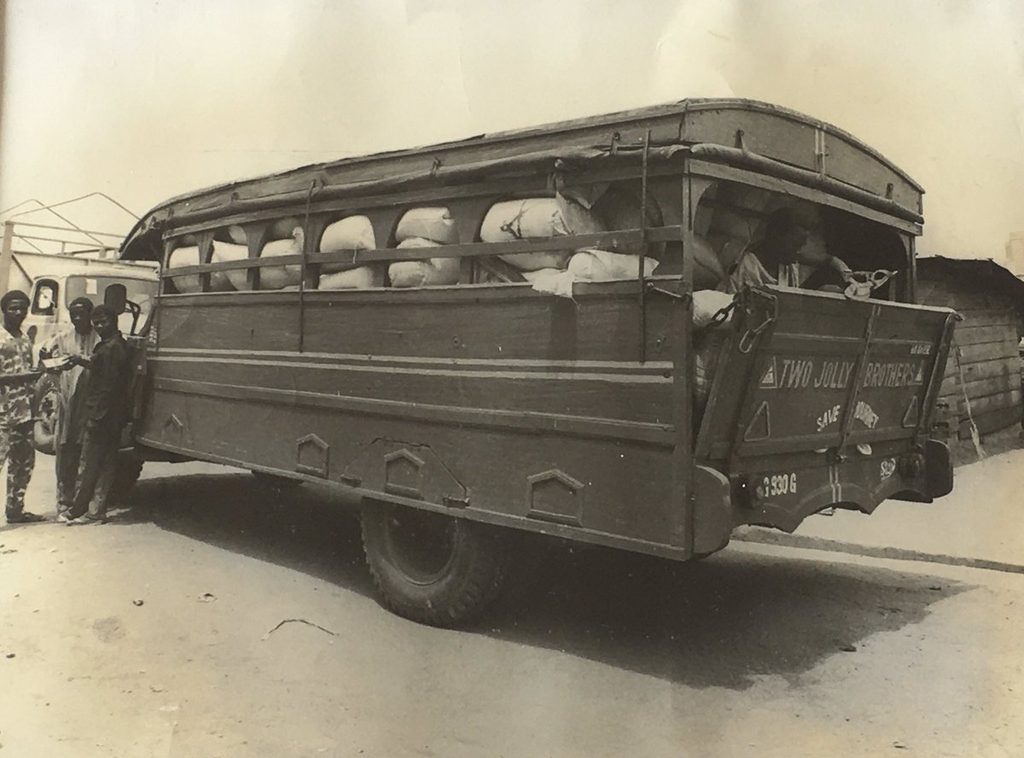
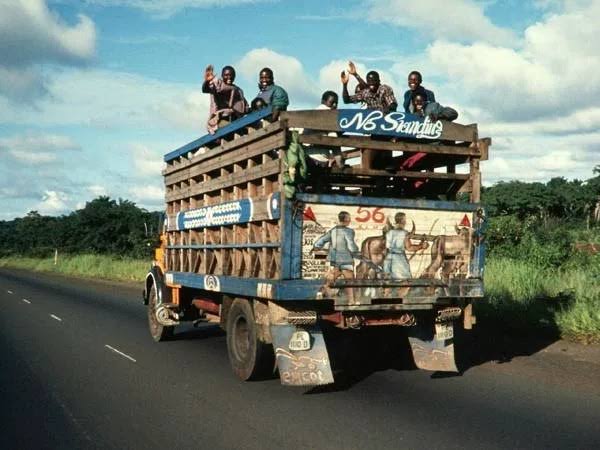
- African entrepreneurs began buying and operating their own “mammy trucks” in the Gold Coast from the early 1900s, using them to transport farmers, market women, and cash crops directly to market — a genuine act of economic independence historians describe as resistance to colonial railway-centralized extraction.
- By the mid-20th century, drivers were respected as “modern men,” building real wealth and status through vehicle ownership outside the colonial education and employment system.
- The scandal: for years, Lebanese and Syrian traders held what one historian directly calls a “near-monopoly” over the hire-purchase financing that let African drivers actually afford these vehicles — until the early 1950s, when big commercial companies, including UAC, began offering their own hire-purchase terms and broke that monopoly.
- Owning the truck was never the same as controlling the credit that paid for it — meaning even genuine African economic independence on the road ran through financing layers controlled first by one set of intermediaries, then another.
An African driver saw a lorry as a path to genuine economic independence. A Lebanese trader saw it as a financing opportunity. A British trading company eventually wanted that financing business for itself.
This is the story of who actually controlled rural West African transport, told through three distinct layers of ownership that rarely get separated out in the usual telling.
Layer One: The Drivers
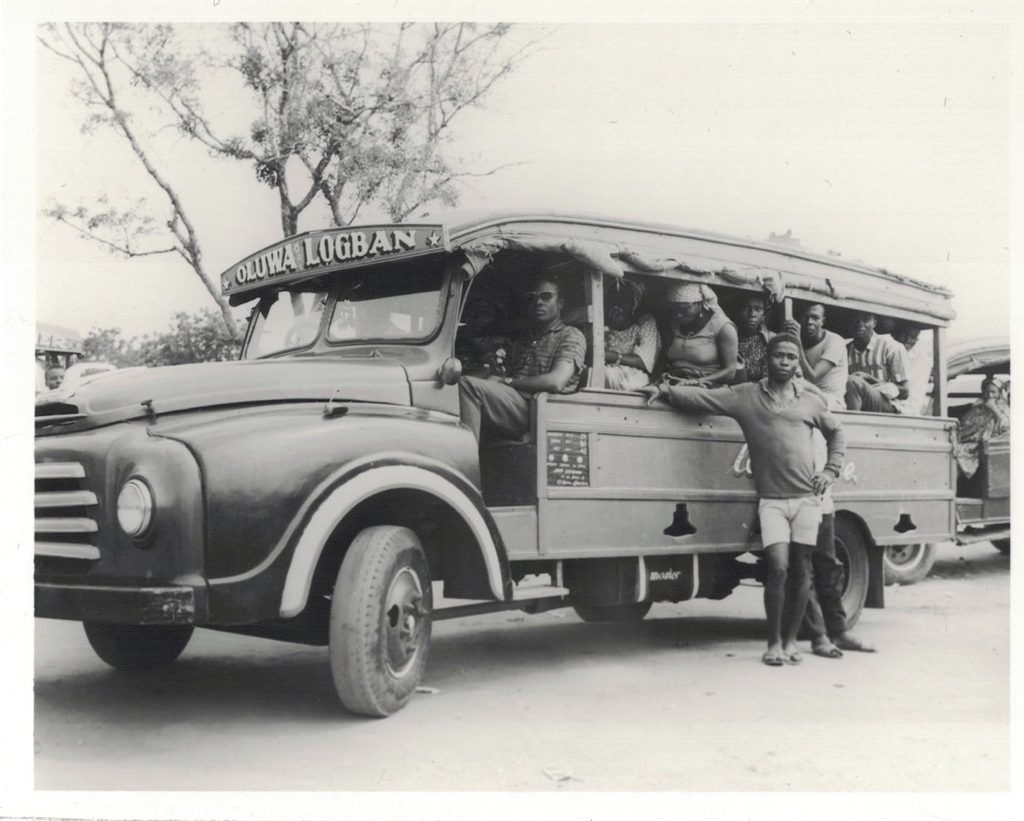
Africans began adopting motor vehicles in large numbers almost immediately after their introduction to the Gold Coast Colony in the first decade of the twentieth century, and by the 1930s, motor transportation was firmly established as a major commercial activity among Africans in the southern Gold Coast.
What this actually meant for the men who became drivers is worth explaining directly. Driving offered real economic opportunities outside the narrow colonial pathways of formal education and salaried employment, letting drivers save their earnings to eventually purchase their own vehicles and achieve genuine economic autonomy.
It’s worth explaining why this counted as resistance, not just commerce. The British colonial government had invested heavily in railways specifically built through regions rich in agricultural and mineral resources, designed to centralize resource extraction and increase European control over nearly every part of the export trade. Independently owned “mammy trucks” — the wooden-sided lorries that came to dominate Gold Coast roads — let African farmers and traders route their own produce to market outside that centrally planned, colonially controlled system.
The social status this eventually produced is worth noting. By the 1950s and 1960s, drivers were widely respected as “modern men,” defined specifically by their steady incomes, mobile lifestyles, and independence from colonial employment structures.
Layer Two: The Financiers Nobody Talks About
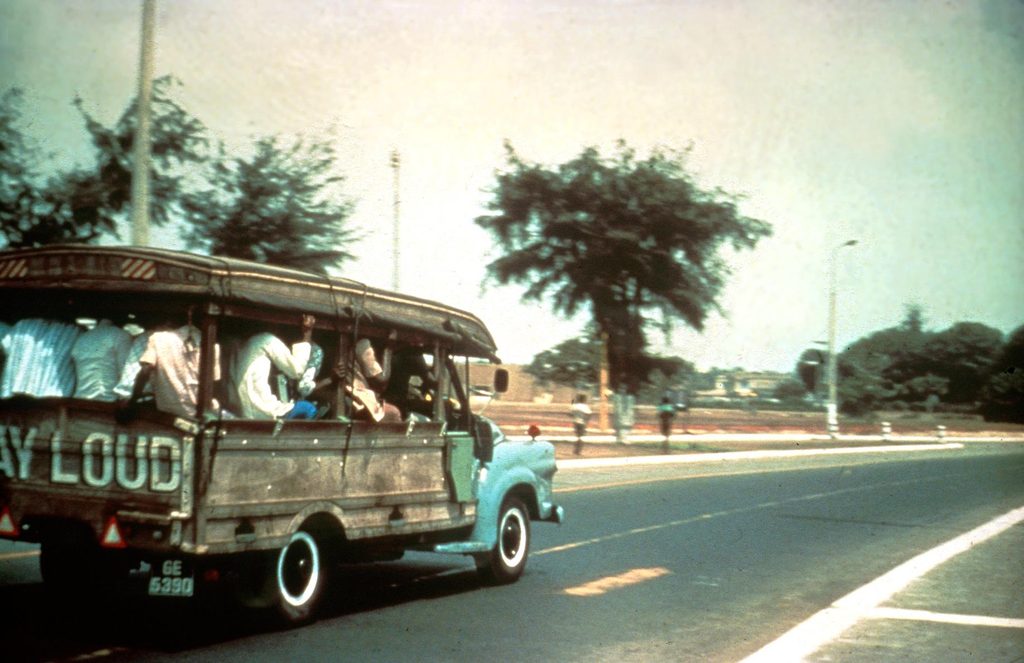
Here’s the part of this story that usually gets left out. Owning a lorry required real capital most individual drivers didn’t have upfront, which meant the actual gatekeepers to this new economic opportunity weren’t the drivers themselves, but whoever controlled access to hire-purchase credit.
Here’s the scandal, sourced to a specific academic footnote most retellings of this story never mention. For years, that financing was substantially controlled by Lebanese and Syrian traders — described by one historian as holding “a near-monopoly” over the hire-purchase of lorries and motor-cars for taxi use, a hardworking, family-run business sector operating with minimal competition from the region’s larger commercial players.
This connects directly to a company already extensively profiled elsewhere in this blog. This is the same trading community whose credit practices with agricultural producers, already documented in this blog’s earlier coverage, extended “sometimes at exorbitant rates” — meaning the mechanism controlling access to the road wasn’t fundamentally different from the mechanism controlling access to farm credit decades earlier.
The Scandal: When the Big Companies Wanted In
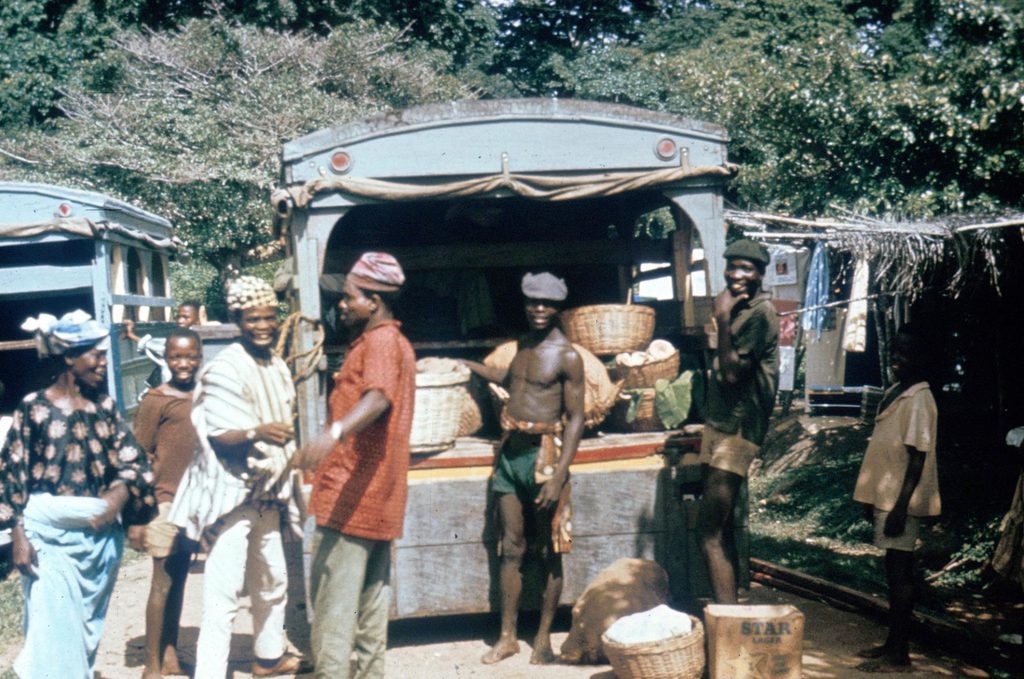
Here’s the piece’s central turning point. The Lebanese and Syrian near-monopoly over lorry hire-purchase financing was, in the words of the same historical source, “greatly modified early in the 1950s when the big commercial companies began to offer hire-purchase terms” of their own.
What this shift actually meant in practice is worth explaining. Large trading firms, including UAC — the same company already documented in this blog as running Nigerian Motors Ltd from 1931 and operating its own extensive department store and credit network by the 1960s — recognized that financing vehicle purchases was a profitable business in its own right, and moved to capture a share of a market that smaller Lebanese family businesses had built and controlled for years.
This wasn’t a case of big companies inventing a new market. It was a case of large, already-dominant trading firms watching a smaller intermediary community successfully build a profitable niche, then using their far greater scale and capital to move in and take a share of it — the same consolidation pattern this blog has already documented across cocoa buying, banking, and shipping.
Layer Three: What This Meant for the People Actually Driving
Bring the story back to the drivers themselves, since they’re easy to lose sight of once the financing layer takes over the narrative. An individual African entrepreneur seeking to buy a mammy truck in the 1950s now had a choice between two very different kinds of creditor — smaller, community-based Lebanese and Syrian financiers, or large, colonially entrenched commercial companies with far greater institutional reach.
It’s worth noting what this competition may have actually meant for drivers in practical terms, since more lenders competing for the same financing business could plausibly have meant more available credit and better terms — even as it meant the underlying economic independence driving had promised was still, at its foundation, mediated by whichever intermediary controlled the loan.
Genuine African economic agency and persistent intermediary control operated simultaneously in this story. Drivers built real wealth and real independence through motor transport, while the credit making that independence possible in the first place kept passing through hands that weren’t their own.
The Myth vs. The Reality
| What people assume | What actually happened |
| African drivers who owned mammy trucks in the 1950s achieved economic independence entirely on their own initiative and capital | Drivers typically depended on hire-purchase credit to afford their vehicles at all, meaning genuine economic independence still ran through an intermediary’s financing terms |
| Hire-purchase financing for lorries and taxis was always dominated by the same large European trading companies already documented elsewhere in this blog | For years, that intermediary role was held by Lebanese and Syrian family businesses, not the large trading companies |
| Mammy trucks represented a clean break from colonial economic control | The vehicles resisted colonial railway-centralized extraction while still depending on financing systems controlled by other intermediaries |
| The shift to big-company hire-purchase financing in the 1950s happened because Lebanese and Syrian financiers withdrew from the market | It happened because large trading companies deliberately entered a profitable market smaller businesses had already built |
Close: The Road Was Never Owned By Just One Party
The mammy truck era of West African road transport is a genuine story of African economic agency and resistance to colonial extraction infrastructure — and, at the exact same time, a story of successive intermediary groups competing to control the credit that made that agency possible in the first place.
This is the same layered pattern this blog keeps finding whenever it looks closely enough at any single story of African economic independence during the colonial period — real agency existing alongside, and often financed through, exactly the kind of intermediary control this series has spent so much time documenting elsewhere.
Sources and further reading.