

A Historical In-depth Discovery of Trade in West Africa Since 1896
Here’s what you need to know:
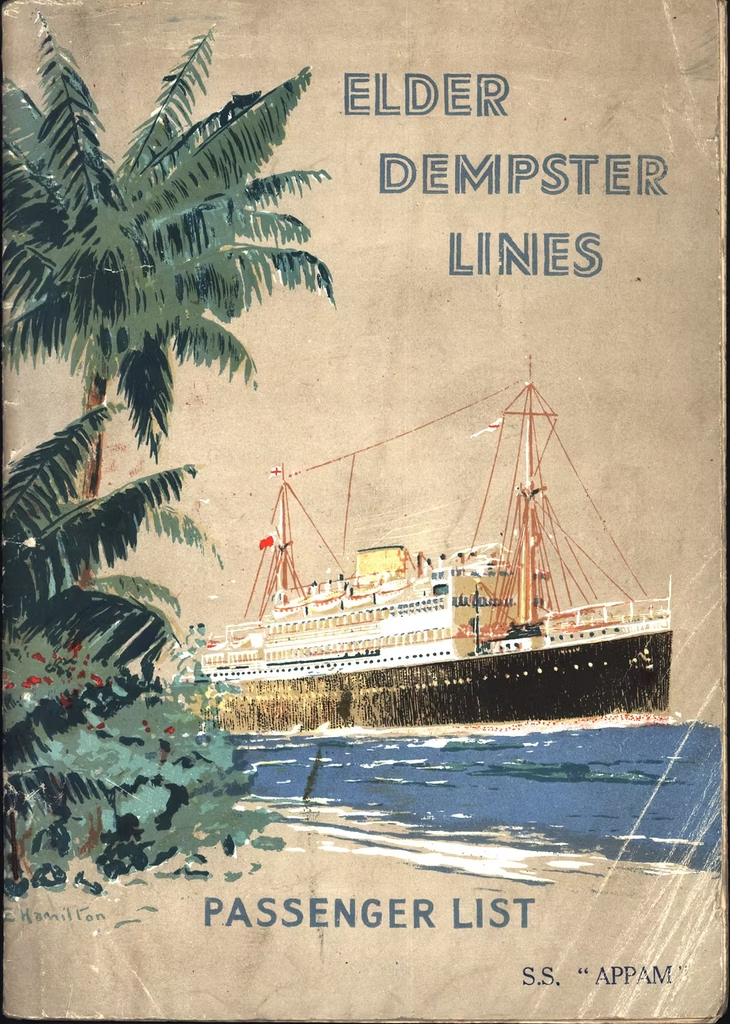
- By 1892, Elder Dempster controlled roughly 90% of West African shipping trade, and by 1900 held effective control over Nigerian shipping specifically — meaning virtually nothing left West Africa’s ports without passing through ships it owned or scheduled.
- During the First World War, Elder Dempster raised freight rates by 10% shortly after the war began, then used its control over scarce cargo space to favor large “Combine” firms and the colonial government itself, disadvantaging smaller European and African traders alike.
- The scandal: peer-reviewed research found the colonial government “largely favored Elder Dempster” in these disputes, doing little to address the complaints — and Governor Frederick Lugard himself dismissed the issue publicly, noting that merchants “were not unduly bothered by high freights” since they could simply pass the cost onto Africans through lower produce prices and higher import prices.
- This wasn’t a temporary wartime measure that faded afterward — Elder Dempster remained the pre-eminent force in West African shipping well into the 1920s and beyond, having used the war to entrench a dominance it never fully surrendered.
By the early twentieth century, if a bag of palm kernels, a load of timber, or a shipment of cocoa was going to leave West Africa for Europe, there was an overwhelming chance it would travel on a ship Elder Dempster owned, scheduled, or controlled. There was, in the most literal sense, only one real door out — and one company controlled it.
This is a look at exactly how that control operated in practice, using the sharpest, best-documented example available — what happened when the First World War made cargo space genuinely scarce, and Elder Dempster had to decide who got through the door and who didn’t.
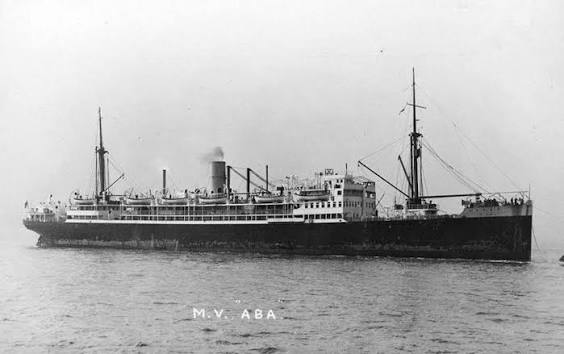
Setting the Stage: How the Monopoly Got Built
The consolidation is worth tracing precisely, building on the founding story already documented elsewhere in this blog. Under Alfred Lewis Jones, who took control of Elder Dempster in 1884, the firm acquired management of its major competing lines by 1891, securing a near-monopoly controlling approximately 90% of West African shipping trade by 1892.
The specific mechanism that formalized this dominance is worth explaining. The 1895 West African Shipping Conference, instigated by Jones himself, standardized schedules and rates among member shipping lines, offering rebates to shippers who stayed loyal to Conference members — a coordination arrangement that reduced competitive pressure on rates across the entire trade.
It’s worth explaining why “conference” shipping arrangements mattered so much for what could actually be exported. In a conference system, member lines agreed on shared schedules, rates, and cargo space allocation rather than competing openly — meaning access to shipping space wasn’t simply a matter of who could pay the going rate. It depended on relationships with, and standing within, the conference system itself.
By 1900, Elder Dempster had consolidated effective control over Nigerian shipping specifically, a dominance that held steady through the pre-war period.
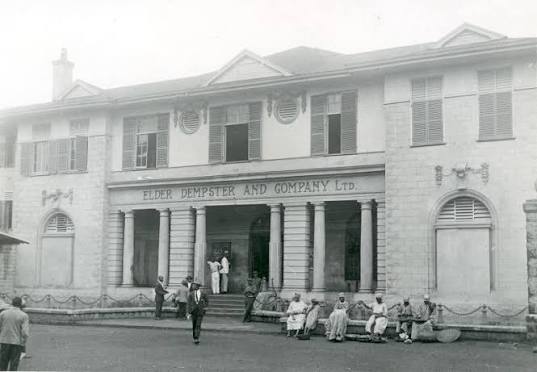
The War That Tested the Gate
The wartime pressure is worth introducing directly, since it’s what forced this control into sharp, documented relief. The outbreak of the First World War created genuine, severe global shipping shortages, as vessels were requisitioned for military use and the ordinary flow of merchant shipping was disrupted across every ocean.
Elder Dempster’s immediate response, sourced directly to peer-reviewed research, is worth stating plainly. The company implemented a 10% freight rate increase shortly after the war’s onset — a direct, immediate financial response to reduced competition and increased demand for the cargo space it controlled.
What scarce cargo space actually meant for who got to export is the heart of the title’s claim. With shipping space now a genuinely limited resource, Elder Dempster’s control over its allocation meant the company effectively decided which firms’ goods left West Africa and which firms’ goods sat waiting. Research found the company favored large “Combine” firms and the colonial government itself, disadvantaging both non-Combine European traders and African shippers simultaneously.
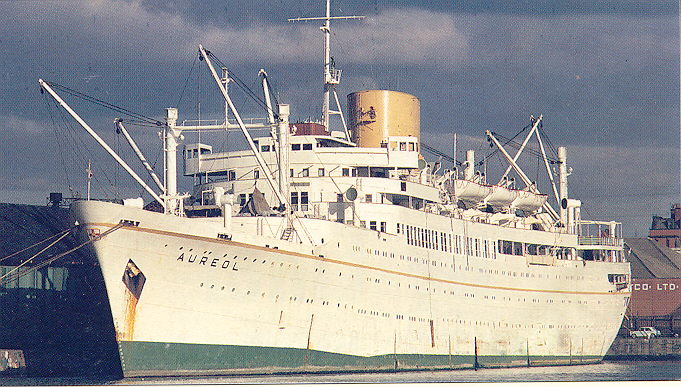
The Scandal: When the Referee Was Also a Player
Here’s the piece’s central argument. The colonial government, which should have functioned as a check on this kind of wartime profiteering, instead “largely favored Elder Dempster” in shipping arrangements, according to peer-reviewed historical research — acknowledging traders’ complaints without meaningfully addressing them.
Why this happened is worth stating directly. Researchers describe “a community of interests between the colonial state and Big Business” — the colonial government depended on Elder Dempster to keep Nigeria physically linked to Britain during a global crisis, giving the company enormous leverage to set terms with little real government pushback.
Governor Lugard’s own dismissal of the issue is the sharpest piece of evidence in this entire case, and it’s worth quoting directly. Addressing the Nigerian Council in 1917, Lugard suggested merchants “were not unduly bothered by high freights as they could always pass them on to Africans in the form of lower produce prices and higher prices for imports” — a colonial governor, on the record, acknowledging that the actual cost of the shipping monopoly’s wartime rate increases would ultimately be absorbed by African producers and consumers, and treating that as an acceptable resolution rather than a problem.
This wasn’t a case of a shipping monopoly quietly extracting excess profit while everyone looked the other way. The colonial government’s own highest official in Nigeria stated openly, in a public address, that the true cost of this arrangement would simply be pushed down onto the African population, and offered that as a reason not to intervene.
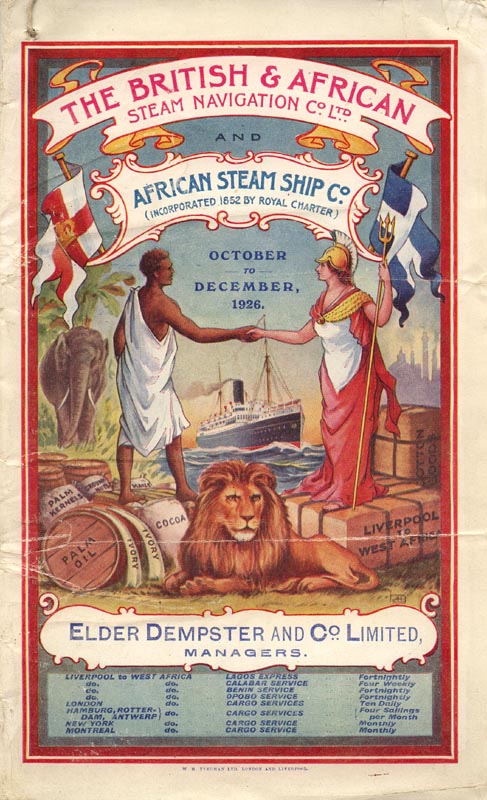
What Happened When the War Ended
Bring the story to its actual resolution, since the ending matters for understanding how entrenched this power really was. Peer-reviewed research found only a “gradual return to normality” in the early 1920s, but Elder Dempster “remained pre-eminent in the West African shipping trade” well beyond the war itself.
The war didn’t create Elder Dempster’s dominance, and it didn’t end with the war either. The crisis simply gave the company an unusually clear, documented opportunity to demonstrate exactly how much power its control over shipping space actually carried — power that outlasted the emergency conditions that had first put it on such visible display.
The Myth vs. The Reality
| What people assume | What actually happened |
| Elder Dempster’s wartime freight increases were a reasonable, temporary response to genuine global shipping shortages | The company used scarce wartime cargo space specifically to favor large Combine firms and the colonial government itself over smaller traders |
| The colonial government acted as a neutral referee protecting traders from wartime shipping monopoly abuses | The government’s own highest official in Nigeria publicly acknowledged that the cost of the arrangement would be passed onto African producers, treating that as acceptable rather than intervening |
| Elder Dempster’s shipping dominance was primarily a wartime phenomenon | The company had already controlled roughly 90% of West African shipping since 1892, and remained pre-eminent for decades after the war ended |
| Smaller European traders and African shippers were affected differently by wartime cargo space allocation | Research found both groups were disadvantaged simultaneously by the same favoritism toward large firms and government interests |
Close: The Door Only Opened for Some
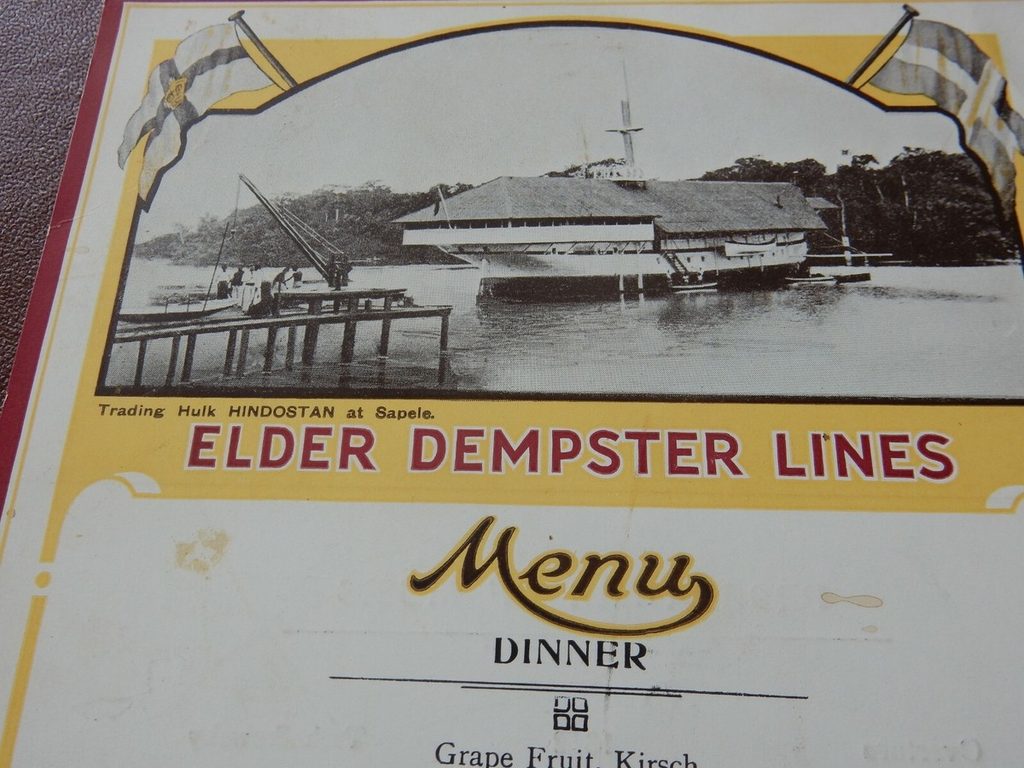
“Deciding what West Africa could export” wasn’t a metaphor for Elder Dempster’s power. During the First World War specifically, it was a literal, documented, government-acknowledged reality, with cargo space allocated to favor the firms and institutions already closest to power, and the resulting costs explicitly expected to land on the African producers who had no say in any of it.
This is the same throughline already running across this blog’s coverage of Alfred Jones’s broader commercial empire — a company that controlled the ships, the currency, and, when the moment tested it directly, the actual physical ability of West African goods to reach the outside world at all.
Sources and further reading.