

A Historical In-depth Discovery of Trade in West Africa Since 1896
Here’s what you need to know:
- Nigeria’s cocoa industry wasn’t planned or introduced top-down by colonial administrators — it began with a Niger Delta chief, Squiss Bamengo, who brought cocoa seedlings from Fernando Po to Bonny in 1874, and spread through independent farmer experimentation for decades afterward.
- Sierra Leonean Yoruba returnee James Pinson Labulo Davies — once described as the wealthiest man in West Africa — is credited by contemporary colonial sources as the figure who actually introduced cocoa to West Africa, a claim that predates Ghana’s more widely known Tetteh Quarshie story.
- Farmers themselves built the institutions that spread this innovation: J.K. Coker, a protégé of Davies, founded the democratically governed Agege Planters’ Union, which freely distributed cocoa seeds and pest information to other farmers with no profit motive attached.
- The complication: academic research documents that some of the early farmers who built this industry drew labor not just from family and mutual aid, but from debtors working off loans under the iwofa system, and in documented cases, from enslaved people — meaning this story of genuine African agricultural innovation existed alongside indigenous labor coercion, not entirely separate from it.
Nobody in a colonial office in London decided Nigeria should grow cocoa. A Niger Delta chief brought some seedlings home from an island off the coast in 1874, and from that unplanned, unauthorized starting point, an entire farmer-built industry grew.
This is a genuine story of African agricultural innovation, told honestly — including the parts of it that complicate a purely triumphant retelling.
Part One: The Chief Who Started It
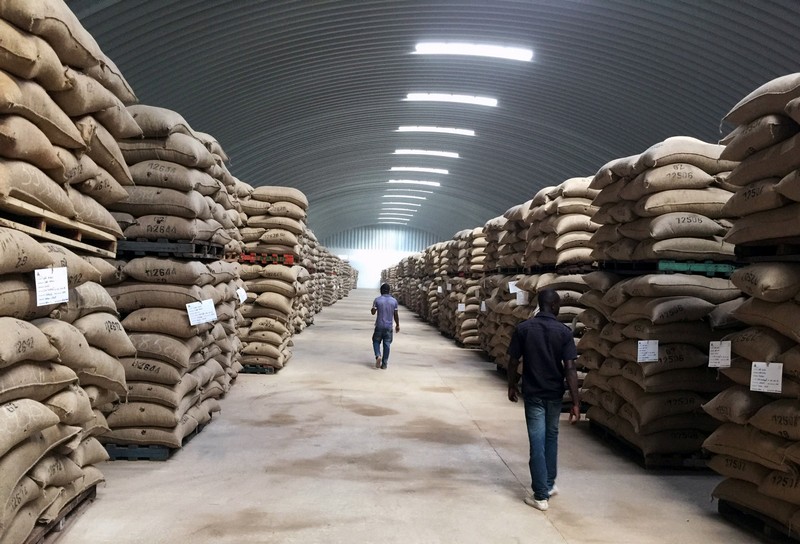
Squiss Bamengo is the figure most standard accounts credit first, and it’s worth introducing him directly. A chief of the Niger Delta, Bamengo brought cacao seedlings from the island of Fernando Po, planting them at Bonny in 1874 — a full five years before the more widely known introduction of cocoa to the Gold Coast by Tetteh Quarshie in 1879.
It’s worth being honest about the limitation in this first attempt, since the story isn’t a single clean success. The Bonny site proved unsuitable for sustained cultivation, meaning this first planting didn’t itself launch the industry, even though it demonstrated the crop could grow in West African soil at all.
The real starting point of commercial cultivation followed. The first commercial cocoa plantings in Nigeria were established around Lagos in 1880, with farms following in the Agege and Ota districts shortly afterward.
Part Two: The Man Contemporary Sources Actually Credited
James Pinson Labulo Davies deserves far more attention than he usually receives, and it’s worth introducing him directly. A Sierra Leonean Yoruba returnee, once described as the wealthiest man in West Africa, and related by marriage to Queen Victoria’s own household.
The documented historical credit is worth stating directly, sourced to a contemporary colonial official’s own account. A biography of Davies cites a reference from the one-time colonial Chief Justice of the Gold Coast, crediting Davies specifically as the man who introduced cocoa to West Africa — a claim that predates and rivals the more famous Tetteh Quarshie narrative most popular accounts default to.
What made Davies’s approach distinctive is worth explaining. Rather than simply planting cocoa for his own profit, Davies became a model and mentor for other entrepreneurs, directly inspiring the next generation of Nigerian cocoa pioneers.
Part Three: The Institution Farmers Built for Themselves
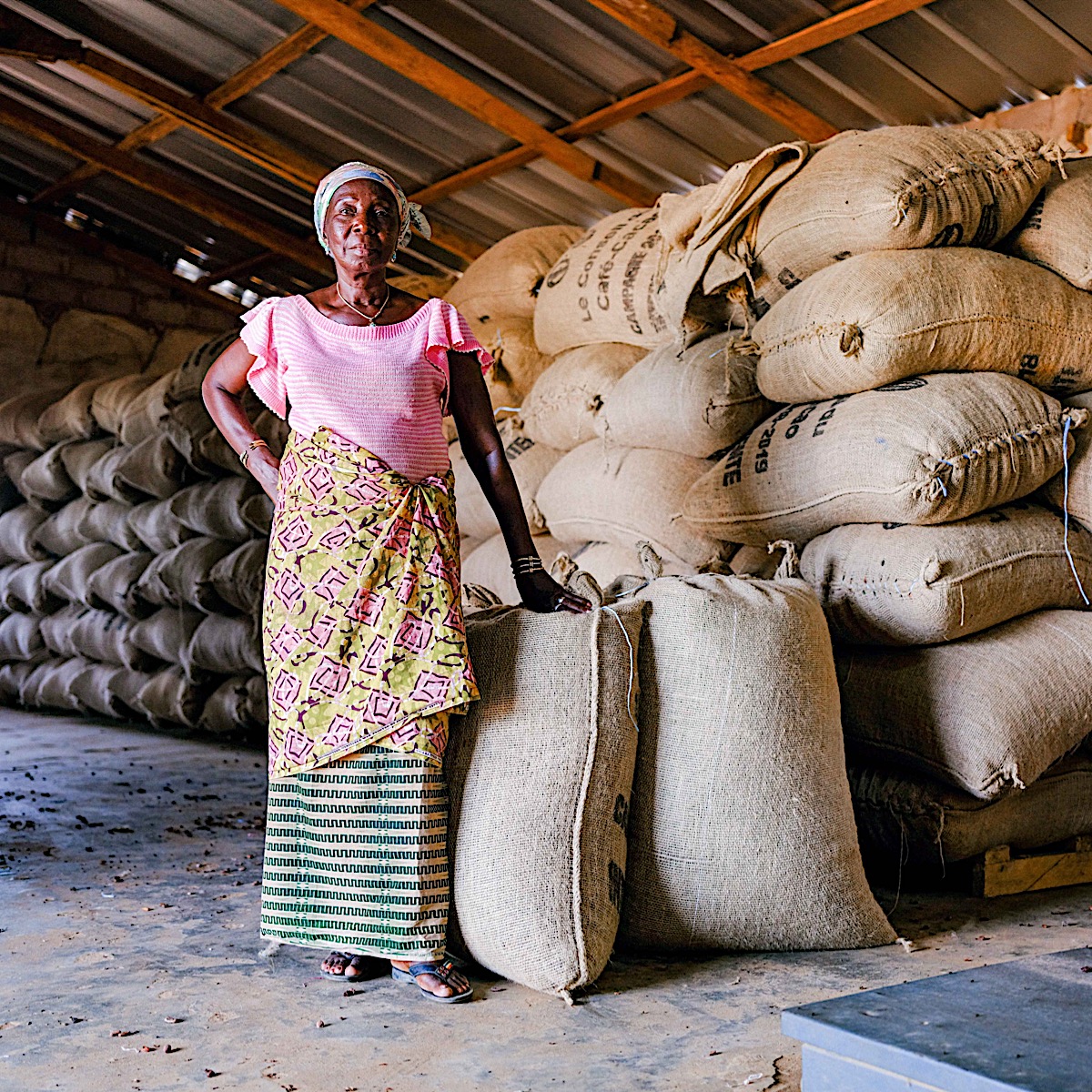
J.K. Coker’s story shows genuine, organized African agricultural innovation at its clearest, and it’s worth introducing him directly. A protégé of Davies, Coker founded the Agege Planters’ Union (APU), a farmer cooperative built around spreading cocoa cultivation across the Yoruba hinterland.
What the APU actually did is a genuinely impressive institutional achievement, worth explaining in full. It supported farmers in acquiring land, raising capital, recruiting workers, and receiving business training, distributed cocoa pods and seeds freely, shared information about pests and diseases, and cooperated directly with the colonial administration’s botanical station at Ebute Metta — all under a board elected democratically each year, with no distinction made between different religious denominations.
The market reputation this cooperative achieved is worth noting. Cocoa from Agege set the regional quality standard at the Lagos commodity exchange, known as “best Accra,” and the district was considered a model farming operation worth emulating.
It’s worth explaining why this diffusion pattern matters educationally, since it shows genuine grassroots innovation rather than centralized planning. Cocoa cultivation spread outward from Agege and Ota into the Yoruba hinterland through farmer-to-farmer knowledge transfer — Ibadan and Egba farmers began experimenting with sowing cocoa in virgin forest around 1890, with Ilesha-area farmers following around 1896, and cultivation continuing to spread to Ife, Gbongan, and Ekiti territory afterward — an organic, bottom-up expansion pattern, not a colonial administrative rollout.
The Complication: Whose Labor Actually Built This
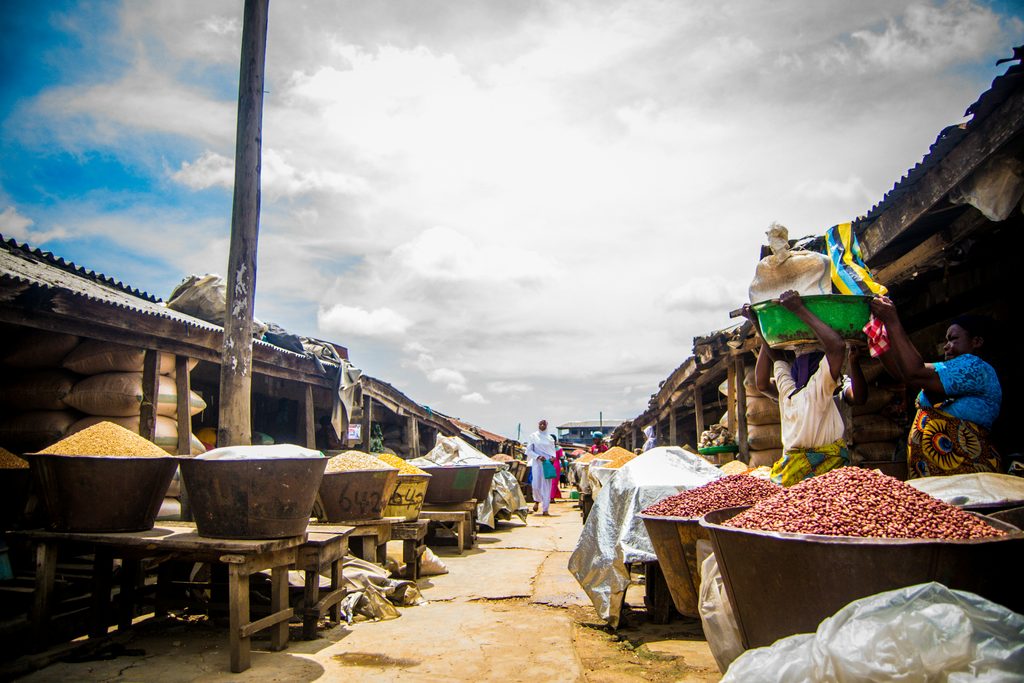
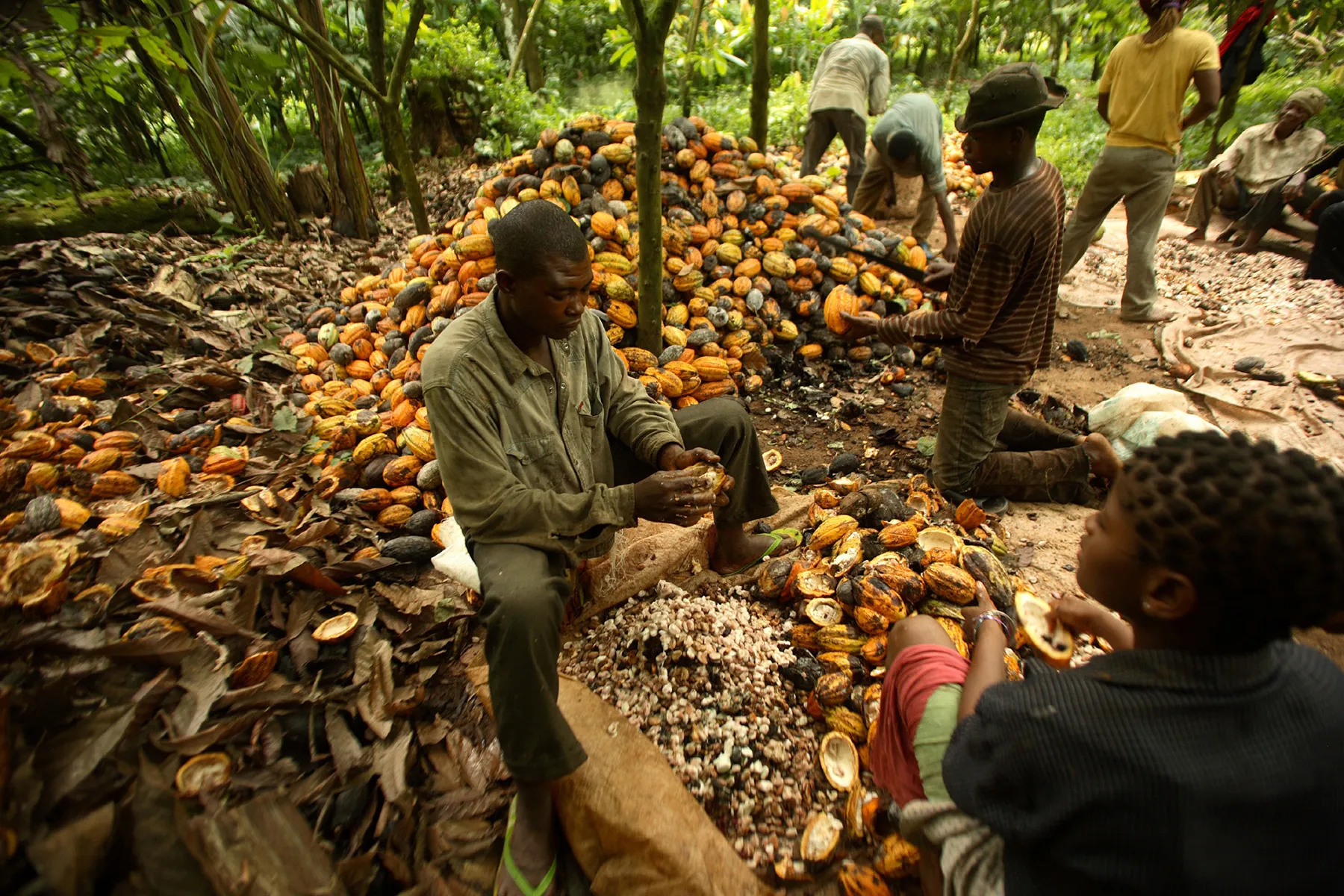
Here’s an honest complication worth including rather than omitting. Academic research into early Nigerian cocoa farming’s labor sources documents that farmers drew assistance not only from family members and mutual aid arrangements known as owe and aro, but also from debtors, known as iwofa, who worked for a creditor specifically to pay off a loan.
There’s a more serious detail worth including directly, since it complicates the story further and deserves honest treatment. The same academic source notes that early cocoa farmers could also draw labor from slaves — meaning indigenous systems of debt bondage and slavery, not colonial imposition, supplied part of the labor force behind this celebrated farmer-led innovation.
This doesn’t mean Nigeria’s early cocoa industry was fundamentally a slave-labor enterprise — the primary labor base was genuinely family, cooperative, and hired work. But a full accounting of “farmers who built this without being asked” has to include that some of those farmers, in turn, relied on indigenous coercive labor systems that predated and operated independently of colonial rule.
The Myth vs. The Reality
| What people assume | What actually happened |
| Cocoa cultivation was introduced to Nigeria by colonial administrators as part of a planned agricultural policy | It arrived through the independent initiative of a Niger Delta chief in 1874, five years before the more famous Gold Coast introduction |
| The popularly known story of Tetteh Quarshie represents the definitive account of how cocoa reached West Africa | Contemporary colonial sources credited James Pinson Labulo Davies with introducing cocoa to West Africa, a claim predating and rivaling the Quarshie narrative |
| Cocoa’s spread across western Nigeria followed a top-down colonial administrative rollout | It spread through farmer-led experimentation and a genuinely democratic farmer cooperative, the Agege Planters’ Union |
| The labor behind this farmer-led innovation was entirely free, cooperative work | Documented sources show it also included debtors working off loans under the iwofa system, and in some cases, enslaved people |
Close: A Genuine Achievement, Honestly Told
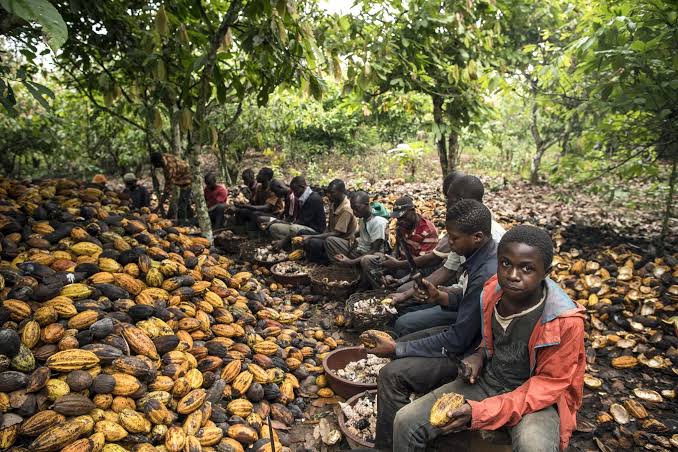
Nigeria’s cocoa industry really was built by farmers who organized, experimented, and cooperated without waiting for colonial direction — Squiss Bamengo, James Pinson Labulo Davies, and J.K. Coker represent a genuine, underrecognized chapter of African agricultural innovation that deserves far more attention than it usually receives.
Telling that story honestly, the way this blog has tried to do with every figure and institution it has covered, means including the parts that complicate a purely triumphant version too — genuine African agency and indigenous labor coercion existed side by side in this story, just as they have in nearly every other chapter this series has traced.
Sources and further reading.