
A Historical In-depth Discovery of Trade in West Africa Since 1896
Here’s what you need to know:
- Palm oil imports to Britain surged from just 157 metric tonnes a year in the 1790s to 32,480 tonnes by the early 1850s, as it replaced animal-based tallow in soap, candles, industrial lubricants, and tin-plating — genuinely “greasing the wheels of the Industrial Revolution.”
- Early British marketing explicitly sold palm oil as the anti-slavery commodity: one candle advertisement depicted a palm-oil candle literally “burning away the rope holding the African in bondage.”
- The scandal: decades later, William Lever — the same industrialist whose company eventually became Unilever, UAC’s own parent — secured Congo concessions built on “a pre-existing system of forced labor,” using military posts, torture, and forced village relocations to extract the same commodity once marketed as freedom’s fuel.
- By the First World War, Lever’s margarine production alone had grown from 78,000 to 238,000 tons a year — a scale of demand that, this blog’s earlier coverage shows, ran directly through the same corporate lineage that built UAC’s dominance across West Africa.
A 19th-century British advertisement for palm-oil candles showed an aproned candle maker handing a liberty cap to an African figure, while a burning candle — made from palm oil — literally singes away the rope binding him in chains.
This is the story of how that image’s promise and its eventual betrayal actually played out, tracing palm oil from its genuine industrial rise to the forced-labor system it was later used to justify.
Part One: The Commodity That Ran the Industrial Revolution
The scale of the shift is worth stating precisely. Palm oil imports to Britain grew from just 157 metric tonnes a year in the late 1790s to 32,480 tonnes by the early 1850s — a more than two-hundredfold increase in barely half a century.
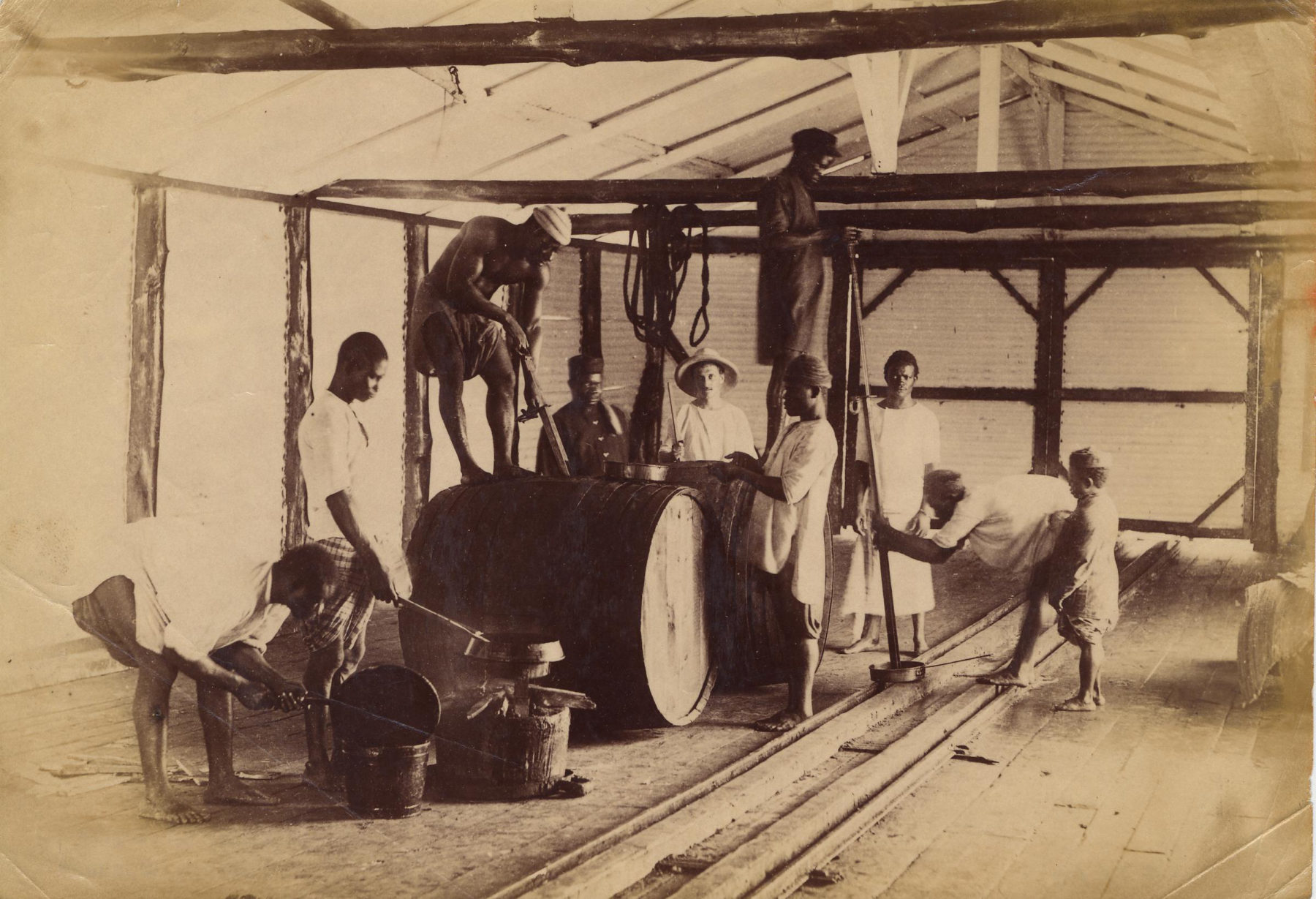
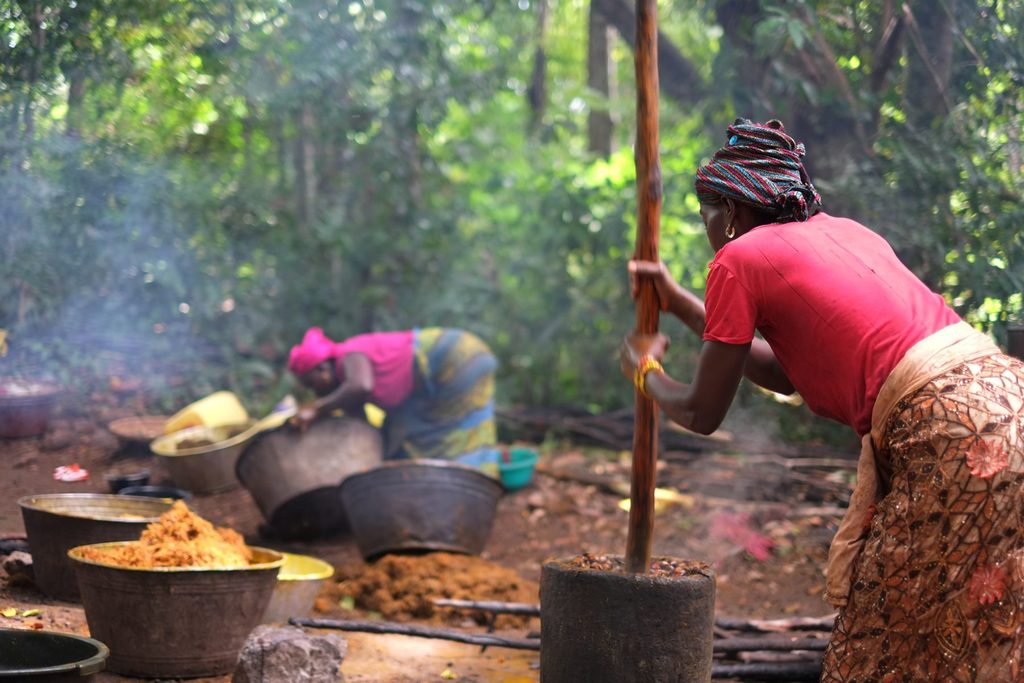
The specific industrial uses that drove this demand weren’t limited to a single application. Palm oil replaced animal-based tallow, lard, and whale oil in soap manufacturing and candle-making — its lather was more satisfying, and its candles burned odorlessly — while also serving as an industrial lubricant for engine parts and a critical ingredient in tinplate production and street lighting.
It’s worth explaining the specific scientific breakthrough that unlocked this transition, since it wasn’t purely a market shift. French chemist Michel Eugène Chevreul’s 1823 discovery that oils and fats were compounds of fatty acids and glycerine directly enabled the shift to large-scale, industrial soap production, giving manufacturers the scientific understanding needed to substitute palm oil for animal fats reliably.
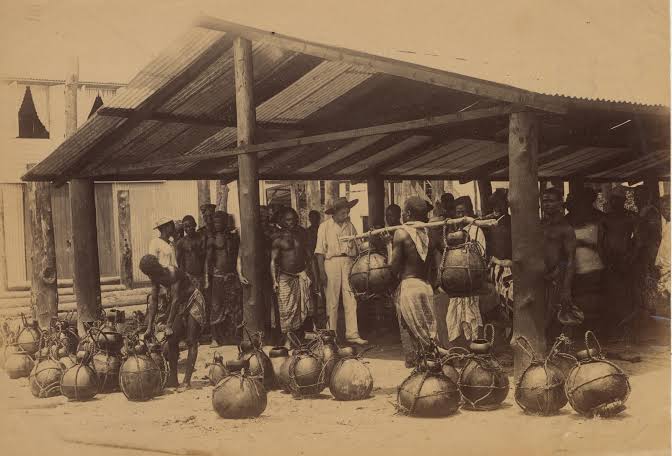
The traders who actually carried this commodity weren’t doing glamorous work. Small-scale British traders who spent up to six weeks in schooners traveling between coastal trading stations came to be nicknamed “palm oil ruffians” — a name reflecting the genuinely difficult and dangerous nature of the early trade.
Part Two: The Candle That Was Supposed to Mean FreedomSection Heading
Here’s the piece’s central irony. British merchants explicitly marketed palm oil products, especially candles, as the moral, “legitimate” alternative to the slave trade Britain had abolished in 1807 — commerce in goods, not in people.
The specific advertisement captures this marketing at its most literal, and it’s worth quoting directly. One advertisement featured an aproned candle maker handing an African figure a liberty cap, while, in the words of one historian’s account, “he burns away the rope holding the African in bondage with a palmitic candle.”
There’s devastating context this marketing conveniently ignored. American “spermaceti and adamantine” candles — competitors to palm-oil candles — were themselves staples of the illegal slave trade, with an estimated 150 million candles swapped for African captives between 1807 and 1865, meaning candles themselves, palm-oil or otherwise, sat on both sides of this era’s central moral question simultaneously.
The Scandal: The Man Who Turned Freedom’s Fuel Into a Forced Labor Product
William Lever’s story is the piece’s sharpest and most direct evidence of the marketing’s betrayal, and it’s worth introducing directly. Seeking a reliable, low-cost source of palm oil — described bluntly by one historian as “cheap grease” — for his soap factories at Port Sunlight, Lever turned his attention to the Belgian Congo, securing land and produce-buying concessions starting in 1911.
There’s a specific historical irony worth quoting directly from academic research. In the aftermath of King Leopold’s documented “reign of terror” in the Congo, Lever “found in the Congo a pre-existing system of forced labor ripe for his exploitation” — meaning the infrastructure of coercion palm oil’s marketing had once promised to help dismantle was, decades later, directly repurposed to extract the very same commodity.
The specific coercive mechanisms Lever’s company employed are well documented and severe. Military posts were established to enforce compliance, contracts forbade fruit cutters from selling to anyone but Lever’s company, workers who tried to sell elsewhere or keep fruit from what had previously been their own trees risked being charged with theft, jailed, and tortured, and entire Congolese villages were forcibly relocated closer to industrial processing sites.
This connects directly back to the advertisement that opened this piece. A commodity once marketed with the explicit promise that buying it would help end African bondage was, within a single lifetime, being extracted through a colonial concession system built on exactly the kind of forced labor and physical coercion that promise claimed to oppose.
Part Three: Where This Empire Actually Led
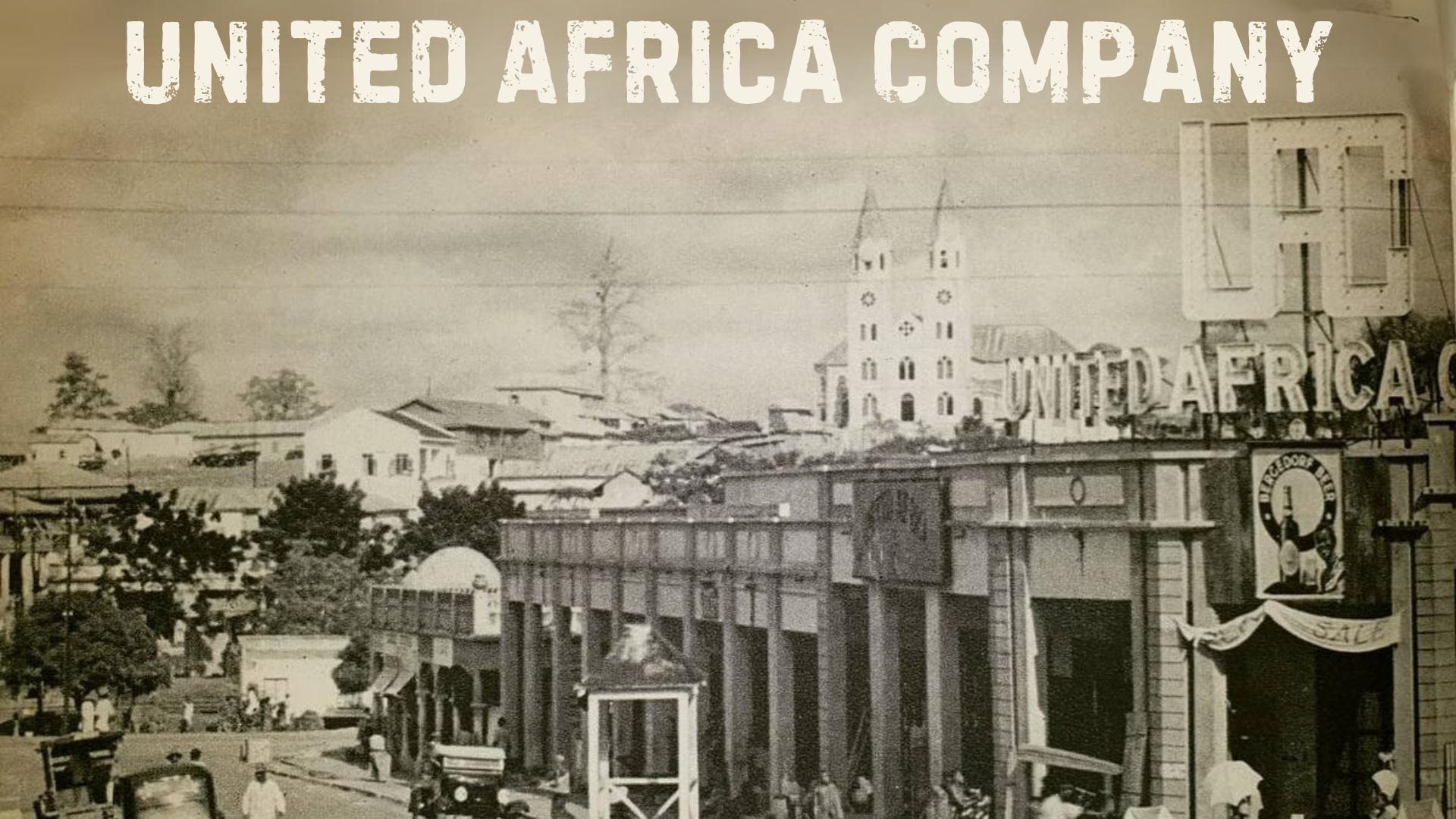
Bring the story forward to its direct corporate destination, since it connects straight back to material already extensively covered elsewhere in this blog. Lever’s company, Lever Brothers, merged in 1929 with the Margarine Union to form Unilever — the same parent company already documented in this blog’s coverage of UAC, whose West African dominance this series has traced in detail.
The wartime scale this demand reached shows how central palm oil had become to industrial capacity by this point. During the First World War, British margarine production under Lever’s leadership grew from 78,000 to 238,000 tons a year, a nearly threefold increase driven substantially by palm oil as a base ingredient.
The same corporate lineage that built a Congo forced-labor concession system to extract “cheap grease” is the direct parent company of UAC, whose scale, dominance, and quasi-governmental power across West Africa this blog has already documented extensively. Palm oil’s journey from abolitionist symbol to forced-labor commodity runs in an unbroken corporate line to companies this series has already profiled in depth.
The Myth vs. The Reality
| What people assume | What actually happened |
| Palm oil’s marketing as an anti-slavery commodity in the 19th century reflected a genuine, lasting shift away from coercive labor systems in Africa | Within decades, palm oil extraction gave way to a Congo concession system built explicitly on inherited forced labor infrastructure, complete with military enforcement and torture |
| William Lever’s Congo palm oil operations were a separate, later chapter unrelated to companies already covered in this blog’s West African coverage | Lever’s company became, through its 1929 merger into Unilever, the direct parent of UAC, connecting this story straight back to material already extensively documented elsewhere in this series |
| Palm-oil candles and slave-trade currency candles represented entirely separate, unrelated markets | American candle types competing with palm oil were themselves documented staples of the illegal slave trade during the same period |
| Palm oil’s industrial rise was driven primarily by simple market demand | A specific 1823 scientific breakthrough by chemist Michel Eugène Chevreul directly enabled the large-scale industrial soap production that made palm oil commercially essential |
Close: The Candle Kept Burning, Just Not the Way It Promised
Palm oil genuinely did grease the wheels of the Industrial Revolution, and it genuinely was marketed, at least once, as a symbol of African liberation from bondage — but within a single generation, the same commodity was being extracted through a forced labor system built on exactly the coercive infrastructure that marketing had promised to help dismantle.
This is the origin point sitting behind the corporate empire this blog has already traced through UAC — a commodity, a company, and a promise of freedom that, in practice, built one of colonial West and Central Africa’s most extensively documented forced labor systems instead.
Sources and further reading.