
A Historical In-depth Discovery of Trade in West Africa Since 1896
Here’s what you need to know:
- By 1916, the Bank of British West Africa had been designated Liberia’s official banker, and its coins and sterling notes had already displaced the collapsed Liberian dollar as the country’s dominant currency in practice — meaning the one West African nation that had never been formally colonized still ended up financially dependent on a private British bank’s own monetary system.
- In 1918, an American diplomat stationed in London warned Washington directly, in writing, that unless the United States intervened financially, “there is danger of Great Britain obtaining a predominating control of the country through this British bank” — a direct, contemporaneous American acknowledgment that BBWA’s financial position inside Liberia amounted to a genuine threat to Liberian sovereignty itself.
- The scandal: BBWA’s own assistance to Liberia’s government during this genuine financial crisis was documented as minimal and tightly capped — a monthly advance of just $9,000, hard-limited to $100,000 in total indebtedness, with the bank’s own manager confirming its “attitude towards extending further financial aid to Liberia” would not change once that ceiling was reached, even as the country faced what its own president called an imminent financial crisis.
The Setup: How a British Bank Became Liberia’s Banker (Educational/explanatory core)
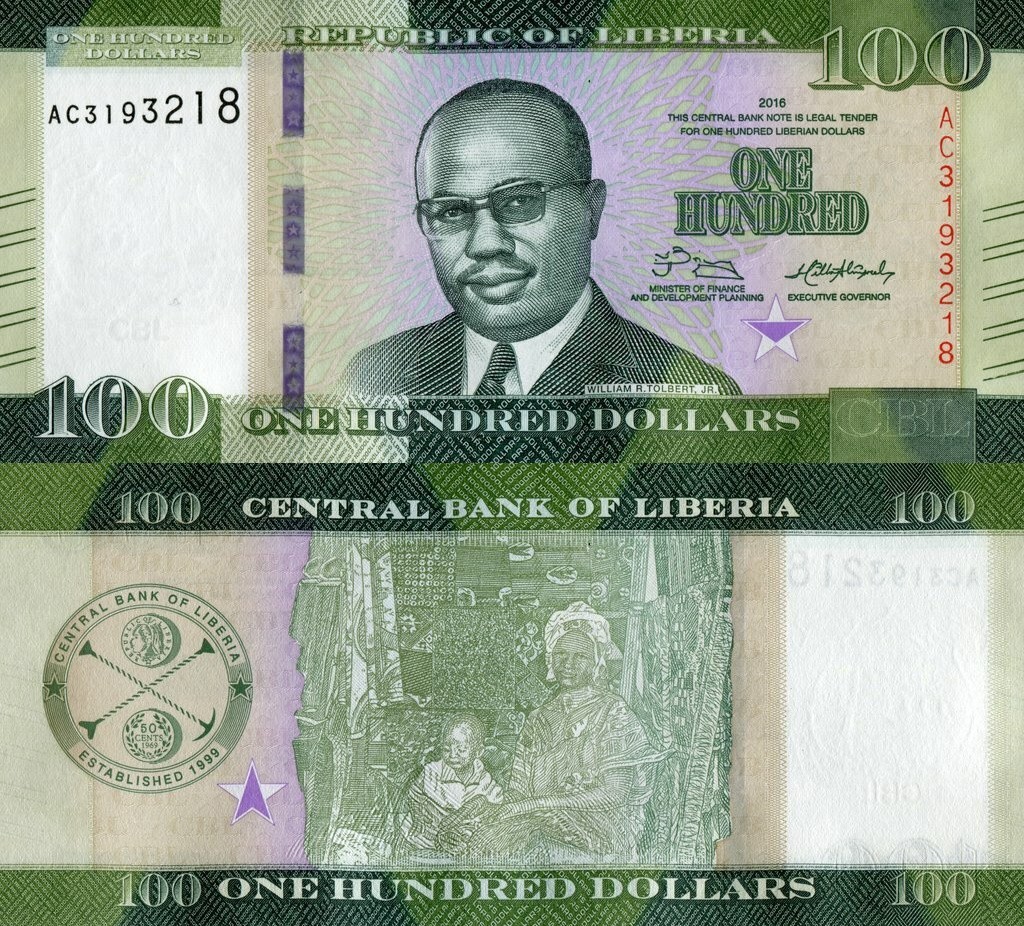
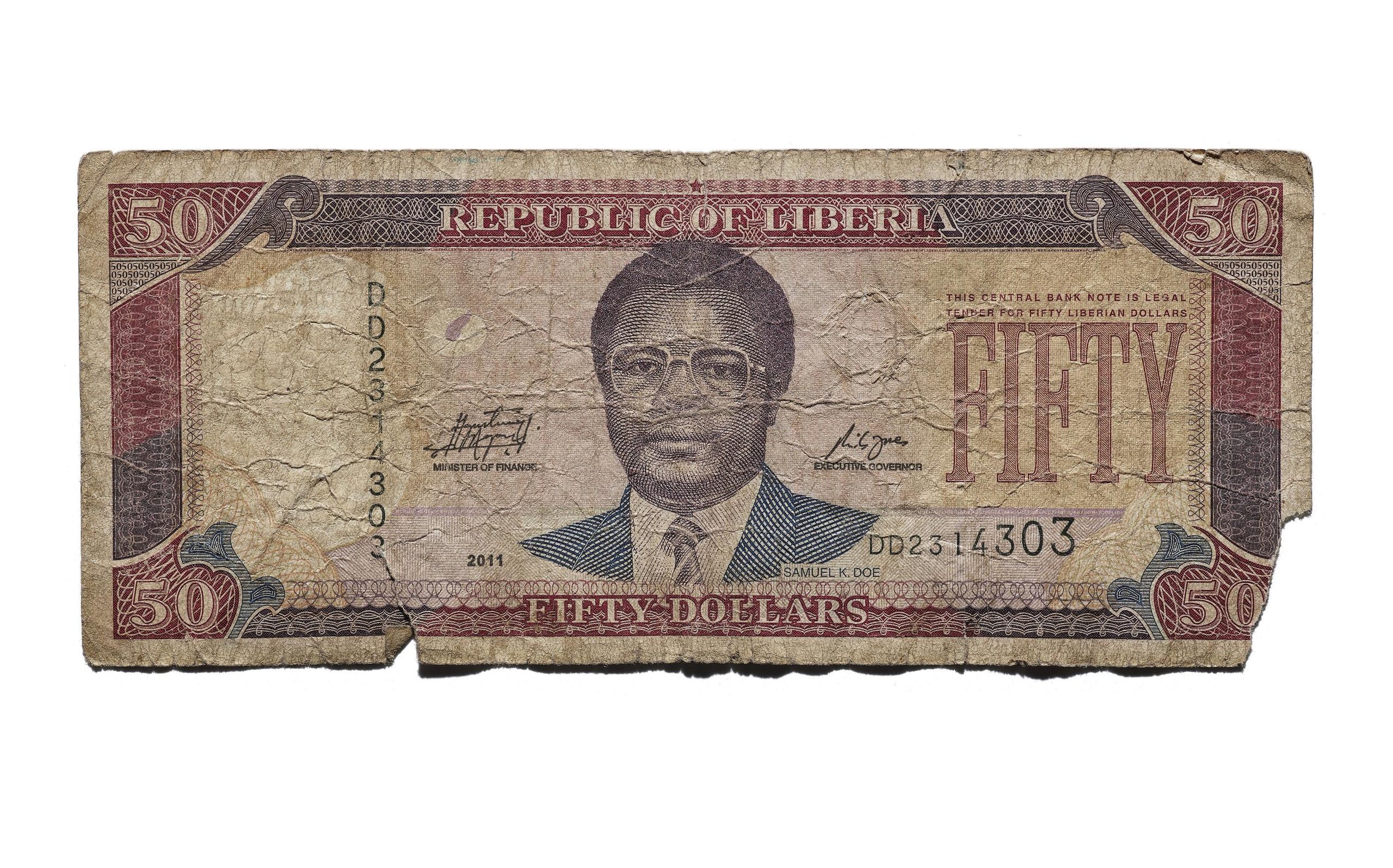
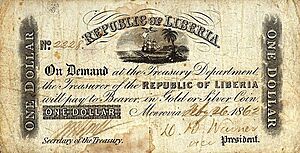
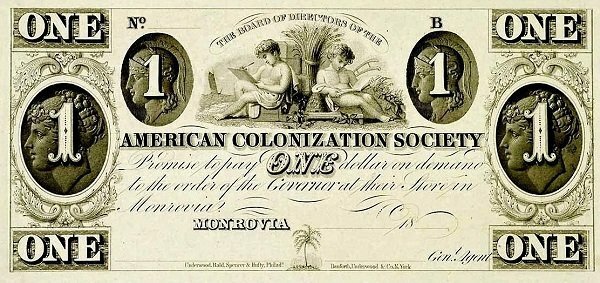
It’s worth tracing precisely how Liberia’s currency situation deteriorated to the point where a foreign private bank could occupy this position at all. Following Liberian independence in 1847, the country issued its own coins, minted in England, as a genuine symbol of nationhood. But by the early 1900s, chronic Liberian government fiscal deficits made it impossible to maintain the Liberian dollar’s value or its peg to the US dollar, and the currency was effectively abandoned as a medium of exchange by 1907 — with British sterling notes and British West African coins assuming dominance in everyday Liberian transactions instead.
It’s worth understanding the specific financial mechanism that entrenched this British currency dominance further. Liberia’s 1906 loan of £100,000 from British bankers was secured directly against Liberian customs revenues, which were collected exclusively in gold or sterling under British oversight — meaning the very revenue stream funding Liberia’s government was, by contractual arrangement, denominated and controlled in a currency the country didn’t itself issue. Sterling’s dominant role solidified formally in 1916, when the Bank of British West Africa was designated Liberia’s official banker.
There is a genuinely important, quotable Liberian voice worth including here, since it shows this currency dependence wasn’t accepted passively even by Liberia’s own officials. A Liberian official named Howard told BBWA’s own Monrovia branch manager directly that “the people did not want any coins bearing the description ‘British West Africa’ in Liberia. They do not mind the imperial coins so much, but they strongly objected to the Colonial coins, and fancy that an attempt is being made” — a direct, documented statement of Liberian discomfort with the specific colonial branding stamped onto the very coins their economy now depended on.
The Crisis: What American Diplomats Actually Said About This in Real Time
Here is the piece’s central and most consequential finding, worth presenting through the actual primary-source diplomatic correspondence this research uncovered. By 1918, Liberia faced a genuine, acute financial crisis, and BBWA was actively drafting an agreement with the Liberian government to provide emergency assistance. American officials watching this unfold reacted with real alarm — not over Liberia’s welfare in the abstract, but specifically over what British financial control might mean geopolitically.
Acting Secretary of State William Phillips wrote directly to the Secretary of the Treasury on July 11, 1918, stating the concern in stark terms: “unless financial assistance is rendered to Liberia by this Government, there is danger of Great Britain obtaining a predominating control of the country through this British bank.” This is worth reading precisely — an American official, in an official State Department communication, explicitly named BBWA as the specific instrument through which Britain might come to dominate a nominally sovereign African republic.
The US Consul in London separately forwarded a draft agreement between Liberia and BBWA, warning it represented “further evidence of the danger of the financial control of Liberia passing from the United States” to Britain instead — language that reveals something genuinely striking about how this period’s great powers actually viewed Liberian sovereignty: not as something to be respected on its own terms, but as a prize to be contested between competing foreign financial interests, with the only real debate being which foreign power’s bank would end up controlling it.
The Scandal: What BBWA Actually Offered, & What It Withheld
It’s worth stating precisely what BBWA’s assistance to Liberia’s government actually amounted to during this crisis, since the documented figures reveal a strikingly limited commitment relative to the geopolitical stakes surrounding it. Under its February 21, 1917 agreement with the Liberian government, BBWA provided a monthly advance of just $9,000. By August 1918, Liberia’s total indebtedness to the bank under this arrangement stood at $91,000, with US diplomatic correspondence noting directly that “advances will cease when indebtedness reaches $100,000” — a hard ceiling expected to be reached within about two months. The American Chargé in Liberia reported plainly that “as far as known, bank’s attitude towards extending further financial aid to Liberia after $100,000 limit of loan is reached, remains much the same policy” — meaning BBWA had no stated intention of extending additional support once this modest cap was hit, regardless of Liberia’s continuing need.
There is a further, genuinely revealing detail worth including from later correspondence, since it shows Liberian officials themselves actively lobbying for more generous terms and largely failing to secure them. Liberian President Charles King personally submitted a memorandum to the US State Department, warning that “owing to the terms of the then existing arrangements between the Bank of British West Africa Limited, and the Liberian Government, a financial crisis as then foreseen was imminent,” and specifically requesting American diplomatic pressure to persuade BBWA to raise its credit limit from $108,000 to $150,000 annually. The State Department’s own response was notably noncommittal, stating only that the matter “will receive careful consideration” — offering Liberia’s own president little more than a polite acknowledgment rather than concrete intervention.
Close
BBWA’s designation as Liberia’s official banker from 1916 reveals something genuinely important about the limits of Liberian sovereignty during this period, well beyond the currency substitution and customs arrangements this piece has already traced.
American officials, in their own contemporaneous diplomatic correspondence, explicitly identified this British bank as a real vehicle through which “Great Britain obtaining a predominating control of the country” was a live and serious concern — meaning Liberia’s independence, even as the one West African nation formally spared colonization, existed in practice as a contested space between competing foreign financial powers, with a private commercial bank’s own lending limits and internal policy determining, in real terms, how much genuine financial room the Liberian government actually had to maneuver.
This directly foreshadows the pattern this blog has already documented in far greater detail regarding Firestone’s own 1926 concession and the American Financial Adviser arrangement that followed — BBWA’s quiet, earlier role inside Liberia’s finances was simply the British chapter of the same underlying story: formal Liberian sovereignty, persistently overridden in practice by whichever foreign financial institution happened to hold the government’s own books.