

A Historical In-depth Discovery of Trade in West Africa Since 1896
Here’s what you need to know:
- In March 1900, British Governor Frederick Mitchell Hodgson traveled to Kumasi and demanded the Ashanti produce the Golden Stool — their most sacred royal symbol — specifically so he could sit upon it, triggering a rebellion led by Queen Mother Yaa Asantewaa that became the bloodiest of all the Anglo-Ashanti wars.
- The resulting conflict, which killed more than 2,000 Ashanti and 1,000 British and allied troops — casualties exceeding every previous Anglo-Ashanti war combined — devastated Ashanti Goldfields’ operations, halting work and leaving mines to fall into disrepair.
- The scandal: the mine’s recovery was directly enabled by a railway line built specifically to serve colonial extraction, reaching Obuasi in late 1902 — almost exactly as Britain completed its final, formal annexation of Ashanti territory on January 1, 1902, meaning military conquest, colonial infrastructure investment, and the mine’s renewed profitability all converged within the same narrow window.
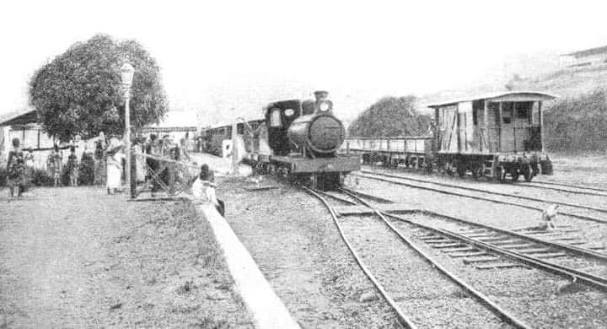
The Spark: A Demand to Sit on a Sacred Object
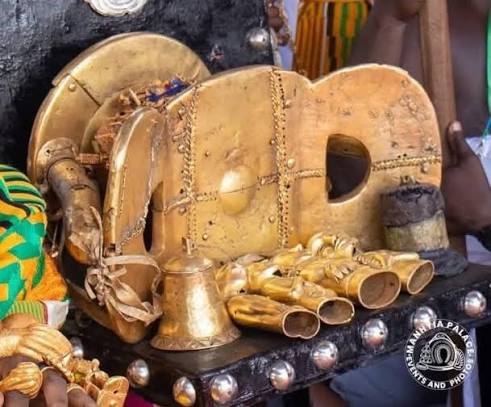
The origins of this final and most violent Anglo-Ashanti conflict lie in an act of deliberate cultural provocation. In March 1900, Frederick Mitchell Hodgson, the British governor of the Gold Coast, traveled to Kumasi accompanied by his wife and a military escort. There, he delivered a speech demanding that the Ashanti produce the Golden Stool — the tribe’s most sacred object, understood by the Ashanti to embody the very soul of their nation — so that he could sit upon it himself.
This demand cannot be understood as a simple administrative miscalculation. The Golden Stool held a spiritual and political significance to the Ashanti comparable to a monarch’s crown or a nation’s founding constitution, and Hodgson’s explicit intention to physically sit upon it represented a calculated act of humiliation directed at the core of Ashanti identity and sovereignty. Nana Yaa Asantewaa, Queen Mother of Ejisu, responded by rallying her people into armed resistance, in what became known as the War of the Golden Stool, or the Yaa Asantewaa War.
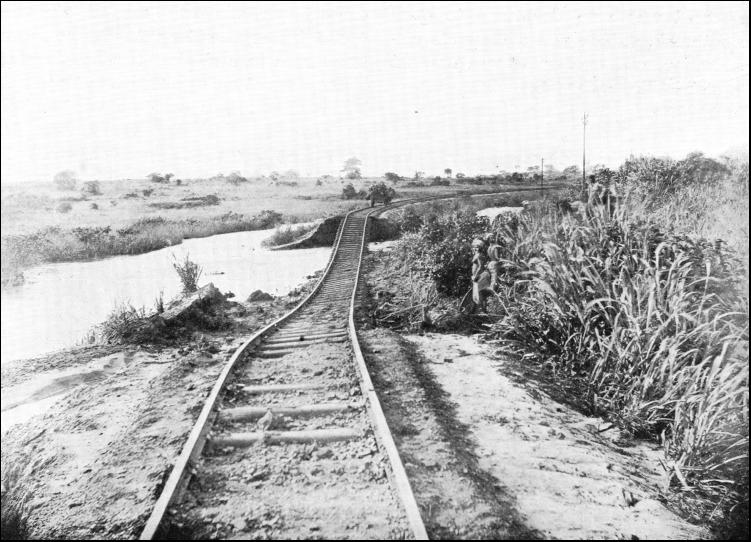
The War: Yaa Asantewaa’s Uprising and Its Cost
Yaa Asantewaa’s own motivation for leading this rebellion carries a direct, personal connection to the earlier conquest of Ashanti already documented in this blog’s coverage of the Fourth Anglo-Ashanti War. Her own grandson had been among those exiled to the Seychelles alongside King Prempeh I following the 1896 annexation, and Yaa Asantewaa herself was compelled to assume rulership of Edweso as regent during his absence. This personal loss, layered onto the broader grievance of colonial subjugation, hardened her opposition to British rule considerably.
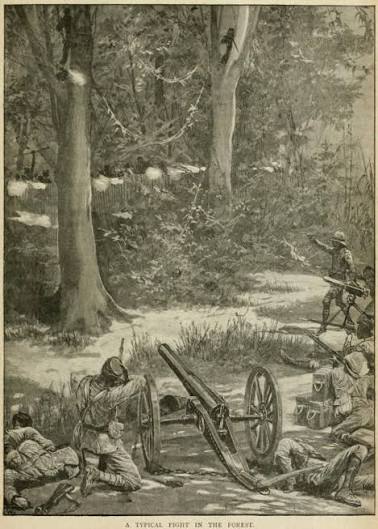
Beginning on March 28, 1900, Yaa Asantewaa led an army estimated at 5,000 fighters, laying siege to the British fort at Kumasi. The scale of the resulting violence was genuinely unprecedented in the history of Anglo-Ashanti conflict. Combined casualties — more than 2,000 Ashanti dead alongside roughly 1,000 British and allied troops — exceeded the total losses from every previous Anglo-Ashanti war combined. The fighting ran for approximately six months before the British, deploying a relief force of some 1,400 troops, finally suppressed the rebellion. Yaa Asantewaa was captured in 1901 and exiled to the Seychelles, where she died in 1921 — joining Prempeh I in the same island exile Britain had already imposed on Ashanti’s earlier leadership.
There is a remarkable postscript to this conflict worth including, since it reveals something genuine about the Ashanti’s continued relationship to their own sovereignty even after military defeat. Despite the war’s outcome, the British never actually captured the Golden Stool itself — it remained successfully hidden by the Ashanti throughout the conflict and for two decades afterward. It was only discovered accidentally in 1920, by a group of African railroad workers who stripped it of its gold ornaments. The Ashanti themselves tried these men under customary law and sentenced them to death — a striking demonstration that the Stool’s sacred status, and the Ashanti’s own capacity to enforce justice regarding it, persisted well into the colonial period despite decades of British administrative control.
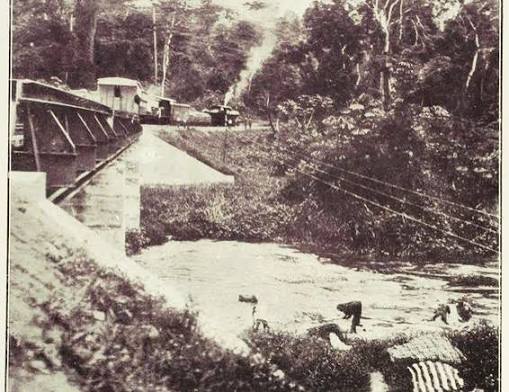
The Collapse: What the War Actually Did to Ashanti Goldfields
The direct commercial consequence of this uprising for Ashanti Goldfields Corporation is worth stating plainly. The company’s operations, still in their early years following the 1897 founding, were devastated by the conflict. Work at the mine was halted entirely during the fighting, and the physical infrastructure — shafts, equipment, and support facilities established just a few years earlier — fell into disrepair without ongoing maintenance or operation. A company built on the promise of steady, industrial-scale gold extraction found itself with its core productive asset effectively idle during precisely the period when the surrounding political order that made its concession legally secure was itself under direct, violent challenge.
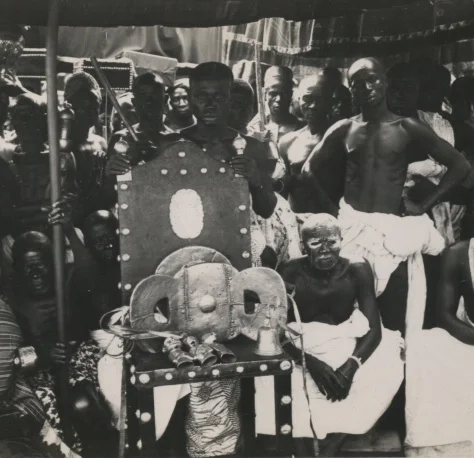
The Recovery: A Railway Built for Extraction
Here is the specific mechanism worth examining closely, since it directly links colonial infrastructure investment to the mine’s eventual recovery. Following the earlier 1896 annexation, British colonial authorities had already begun constructing a railway line inland from the coast specifically to serve the region’s resource extraction — connecting the port town of Sekondi to the interior. In May 1901, this line reached Tarkwa, another significant mining district, finally linking it to the coast. Eighteen months later, in late 1902, the railway was extended a further 86 miles, finally connecting it directly to the Obuasi goldfields.
The timing here deserves direct attention. This railway extension to Obuasi arrived in the immediate aftermath of the War of the Golden Stool’s suppression, and almost exactly coincided with Britain’s final, formal annexation of Ashanti territory on January 1, 1902 — the moment the Asante Empire’s remaining autonomous political structures were fully absorbed into the Gold Coast colony. Ashanti Goldfields’ own operational recovery followed directly: the mine “scaled rapidly” once rail access removed the transport bottleneck that had previously constrained large-scale ore movement, and cyanidation processing technology was introduced in 1904 to further improve extraction efficiency. By the 1930s, annual output had reached 300,000 ounces, eventually pushing past 500,000 ounces annually by the mid-twentieth century following further shaft developments.
The underlying relationship this sequence reveals is direct and worth stating without euphemism. A railway specifically designed to serve colonial resource extraction was built by the same colonial administration that had just militarily suppressed the Ashanti’s most violent resistance to that very colonial order — and the mine whose operations that uprising had devastated became dramatically more profitable and productive precisely because of the infrastructure investment colonial conquest and pacification made possible. War, annexation, and railway construction were not three separate historical events that happened to occur in sequence; they were three interconnected components of the same colonial project, each one enabling the next.
The Myth vs. The Reality
| What people assume | What actually happened |
| The 1900 Ashanti uprising was a minor, easily suppressed disturbance with limited consequences | It produced casualties exceeding every previous Anglo-Ashanti war combined, and required a dedicated British relief force of roughly 1,400 troops to suppress |
| The Sekondi-Obuasi railway was built as general regional infrastructure unrelated to Ashanti Goldfields’ specific commercial interests | It was constructed specifically to serve colonial resource extraction, and its completion in late 1902 directly enabled the mine’s rapid post-war scaling |
| Britain’s colonial control over Ashanti was fully established by the 1896 annexation alone | Formal, complete annexation was only finalized on January 1, 1902, following the suppression of the 1900 uprising |
| The Golden Stool was captured or destroyed by British forces during the war | It remained successfully hidden by the Ashanti for two decades, only discovered accidentally in 1920 |
Section Heading
The 1900 War of the Golden Stool represents one of the clearest, most directly documented instances anywhere in this blog’s coverage of how colonial military conquest and private commercial infrastructure became functionally inseparable. A British governor’s deliberate provocation triggered the bloodiest Anglo-Ashanti conflict in the entire series of wars; that conflict’s suppression completed Britain’s formal annexation of Ashanti territory; and the railway extension built specifically to serve that same colonial administration’s extraction interests arrived at Obuasi in the immediate aftermath, directly enabling Ashanti Goldfields Corporation’s recovery from a war that had otherwise halted its operations entirely. The mine’s long-term productivity was not simply protected from anti-colonial resistance — it was actively rebuilt on the infrastructure that resistance’s suppression made possible.
Sources and further reading.