
A Historical In-depth Discovery of Trade in West Africa Since 1896
Here’s what you need to know:
- Edwin Arthur Cade, a London merchant’s clerk with no prior mining expertise, became owner of one of the richest gold deposits on Earth after marrying into the family firm that supplied Ellis and Biney’s original mining equipment — placing just a £200 deposit to acquire the concession that would become Ashanti Goldfields Corporation.
- Cade died of malaria in May 1903, at age 46, in the Offin River village of Dominassi — just six years after founding the company, and buried in the European cemetery at Obuasi, on the same land his concession had extracted from the Ashanti people.
- The scandal isn’t a single dramatic event — it’s the quieter, more revealing detail of what happened after his death: exactly one hundred years later, in 2003, Obuasi’s hospital was renamed the Edwin Cade Memorial Hospital, permanently attaching his name to the town whose gold made his company’s fortune, even as his own son later died fighting in a separate European war of empire.
Who Edwin Cade Actually Was
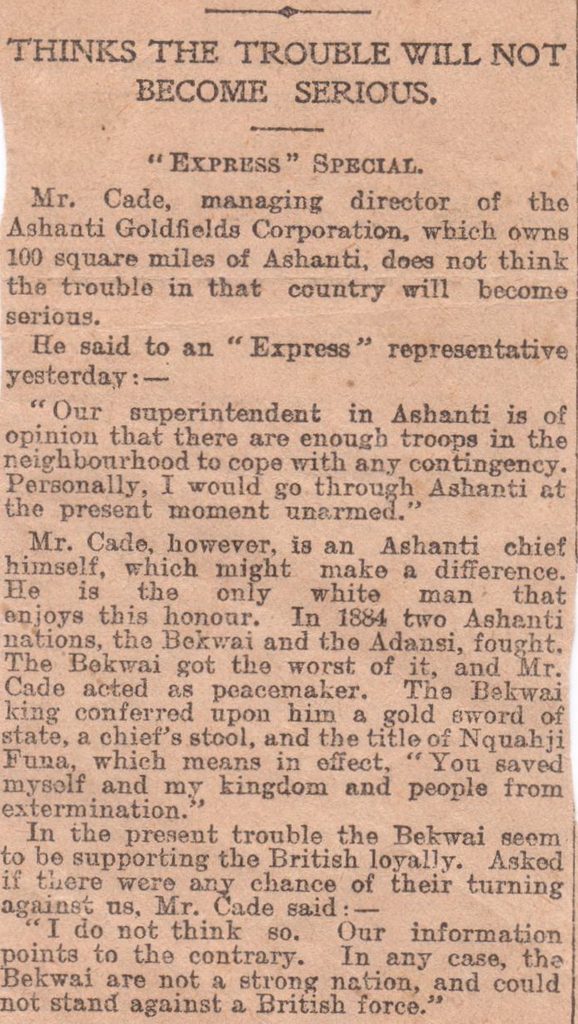
It’s worth being precise about Cade’s background, since it complicates any assumption that he arrived in Africa as a mining expert or industrialist with specialized knowledge of the resource he came to control. Cade was, by his own biographers’ account, “a man who knew so little about mining” — his path into the Ashanti gold trade began not through technical expertise, but through marriage. In 1892, he joined the London firm Smith & Cade as a partner by marrying one of the Smith daughters — the same firm that had been supplying mining equipment to Joseph Ellis and Chief Joseph Biney’s original Ellis Mine operation.
Chief Biney had been sending ore samples to Smith & Cade for some time, hoping to generate serious commercial interest, but the samples drew little response until Cade himself became personally involved. Biney’s persistent request that Cade “come and see” the operation directly eventually convinced him to act. Cade had a sample of ore from the Ellis Mine formally assayed at Johnson Matthey in London on April 20, 1895, and the results were striking enough — described in one account as running roughly eight ounces of gold per ton — to send him hurrying to the Cape Coast.
The £200 That Started an Empire
What happened next is worth stating precisely, since the scale of the eventual outcome relative to the initial commitment is genuinely remarkable. Cade signed a sale agreement with Ellis and Biney at Cape Coast Castle on August 27, 1895, placing a deposit of just £200. This single payment — from a man with no mining background, acting essentially as an opportunistic investor rather than a technical operator — is what founded the Côte d’Or Mining Company, the entity that would, within two years, be transformed into Ashanti Goldfields Corporation and listed on the London Stock Exchange with £250,000 in nominal capital.
The mine that this £200 deposit ultimately secured access to would go on to produce roughly 25 million ounces of gold in its first hundred years of operation alone, from 1897 to 1997. Cade himself, in other words, purchased his way into ownership of one of the richest gold deposits in Africa for a sum that, measured against the eventual scale of extraction, was almost incalculably small — a transaction made possible not by mining knowledge or industrial capability, but by a marriage that happened to connect him to a firm already positioned near the discovery.
The Death
Cade’s own time in Africa was brief, and the manner of his death carries its own weight. He died of malaria in May 1903, at the age of 46, in the small Offin River village of Dominassi — just six years after the company bearing the Ashanti name had been formally registered in London. His son, sent away to Bengeo preparatory school in Hertfordshire, was still a schoolboy when word of his father’s death reached England.
Cade is buried in the European cemetery at Obuasi. One detailed account of his life and legacy describes this burial site with particular precision: “His grave sits in the European cemetery at Obuasi — one colonial administrator among the stones, buried in the land he had signed away from the people who lived on it.” The phrasing is worth sitting with directly. Cade did not simply extract wealth from Ashanti land and return home to enjoy it in Britain, as many colonial-era investors did. He remained in Africa, died there, and was buried there — permanently interred on the very ground his 1895 agreement, and the war and annexation that followed it, had transferred out of Ashanti hands.
What Came After: A Hospital, a Son, and a Century of Extraction
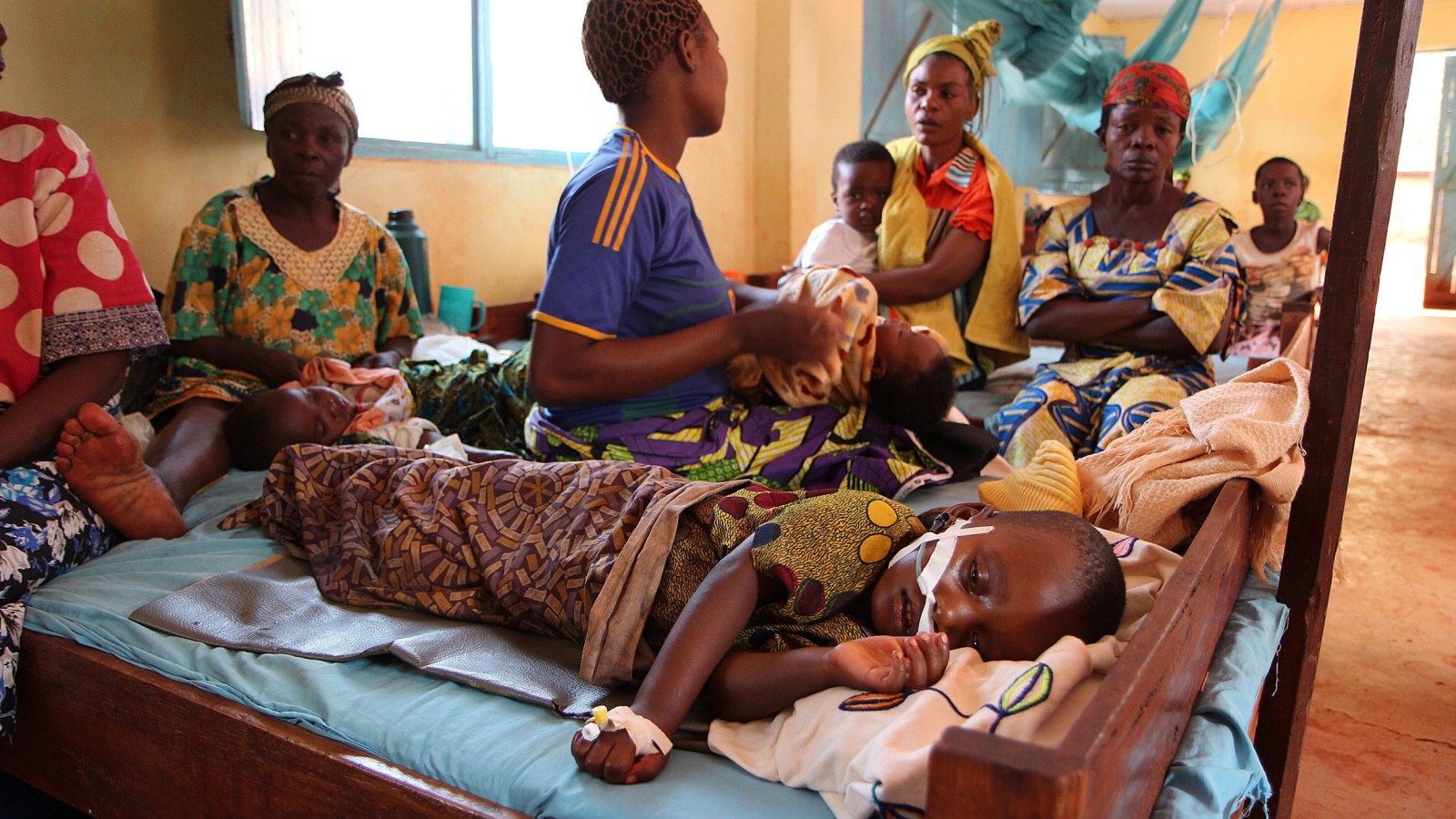
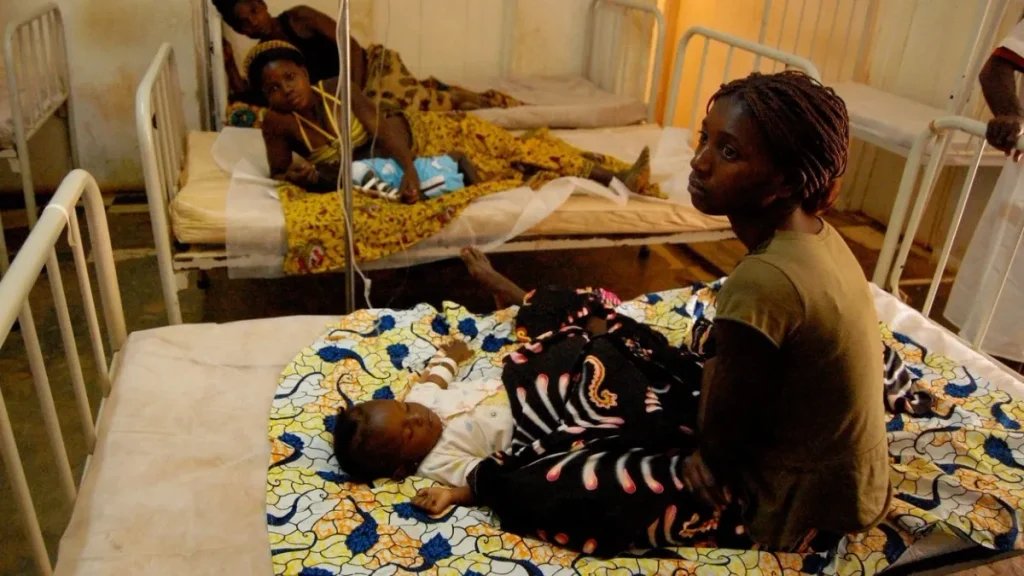
There is a genuinely striking detail worth including about how Cade’s memory was eventually formalized in Obuasi itself. In May 2003 — precisely one hundred years after his death — the hospital in Obuasi was renamed the Edwin Cade Memorial Hospital. This is worth pausing on directly: a full century after his death, the town whose gold deposit had made his company’s fortune chose to permanently attach his name to its own hospital, a facility presumably treating, among other things, the ongoing health consequences of over a century of industrial mining in the same district.
There is a further, quieter irony worth including from Cade’s own family history. His elder son, known within the family as “Jim,” went on to a distinguished British Army career, earning a Military Cross at Neuve Chapelle in 1915, a Bar to that Military Cross later the same year, and a Distinguished Service Order in September 1917. He was killed in action at Mont Kemmel on April 26, 1918 — just months after marrying, and shortly before the birth of his own daughter. Two generations of the same family, in other words, gave their lives in service to different projects of British imperial expansion: the father extracting African gold in a company built on a colonial military conquest, the son dying in the trenches of a European war fought over imperial rivalries of an entirely different scale.
The Myth vs. The Reality
| What people assume | What actually happened |
| Cade was a mining expert who developed the Obuasi deposit through specialized technical knowledge | He was a merchant’s clerk with no prior mining background, who gained access to the concession primarily through a marriage connection |
| Cade’s stake in what became one of Africa’s richest gold mines required substantial upfront capital | He secured the founding concession with a deposit of just £200 |
| Cade extracted wealth from Africa and returned to Britain to enjoy it, as many colonial investors did | He remained in Africa until his death from malaria in 1903, and is buried permanently in Obuasi |
| Obuasi’s later commemoration of Cade reflects straightforward historical honor without complication | The 2003 renaming of the town’s hospital in his honor sits alongside over a century of mining-related extraction and, more recently, documented violent conflict over the same concession |

Close
Edwin Cade’s grave in the European cemetery at Obuasi is a small, physical detail, but it carries the full weight of the story this blog has already traced in depth — a man with no mining expertise, who acquired one of Africa’s richest gold deposits for a £200 deposit, built on a concession whose most durable legal terms were only secured after British military conquest of the Ashanti kingdom.
He died in the country whose gold made his company’s fortune, was buried in the very ground his agreement had extracted from its original owners, and was memorialized a century later with a hospital bearing his name in the same town his company’s operations had reshaped permanently. His grave doesn’t simply mark where one man died — it marks the exact spot where individual colonial ambition, imperial military force, and a century of resource extraction all converged on the same square mile of land.
Sources and further reading.