A Historical In-depth Discovery of Trade in West Africa Since 1896
Here’s what you need to know:
- Obuasi operated continuously from 1897 to 2014, closed, redeveloped, and reopened in 2019 — a mine that has produced over 62 million troy ounces of gold across more than a century, described directly as “the richest square mile in Africa.”
- In 2018, Ghana’s Parliament ratified a tax concession agreement giving AngloGold Ashanti approximately $259 million in tax relief specifically to fund the mine’s $880 million to $1,045 million redevelopment — in exchange for which the company agreed to donate just $2 per ounce of gold extracted to a community development trust.
- The scandal: Ghana’s own opposition finance spokesperson at the time — Cassiel Ato Forson, who would later become Ghana’s Finance Minister overseeing the country’s major 2026 cocoa sector reforms — directly called the deal “badly negotiated,” warning Ghana would lose “in excess of $300 million,” while independent academic research on Obuasi’s surrounding communities documents “increased poverty and reduced livelihoods” and “allegations of neglect and inadequate compensation for land loss” persisting well into the mine’s second century of operation.
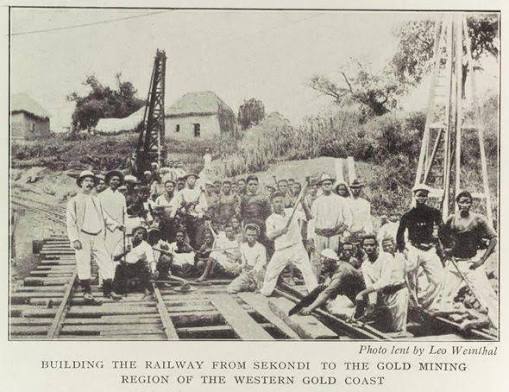
This closing piece draws together the full sweep of Obuasi’s history already documented across this blog — the 1890 discovery, the annexation-linked concession, the war and railway, and the 2004 merger — to ask the sharpest question directly: measured against everything this single square mile has generated, what has actually flowed back to Ghana and the people living on this land?

The Scale: What This Mine Has Actually Produced
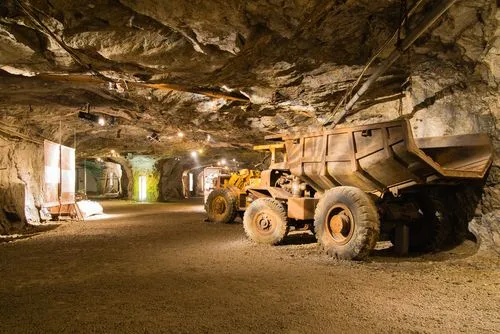
It’s worth restating the sheer magnitude involved, since it’s easy for a number this large to become abstract. Obuasi has produced over 62 million troy ounces of gold across its history — a figure that, at almost any point in gold’s modern price history, represents tens of billions of dollars in raw extracted value. The mine has been described directly, and accurately, as “the richest square mile in Africa,” a designation earned through an unusually rich ore body that, as documented earlier in this series, ran as high as 10.5 ounces of gold per ton in Cade’s original 1895 assay — an extraordinary grade by any contemporary or modern standard.
The 2018 Deal: What Ghana Actually Traded for Obuasi’s Revival
By 2013, falling gold prices had undermined efforts to restore the mine’s profitability, and Obuasi entered a period of “limited operation” toward the end of 2014, focused only on processing existing tailings and maintaining infrastructure rather than active new extraction. Production during this wind-down phase fell sharply — from 243,000 ounces in 2014 to just 53,000 ounces in 2015. In February 2016, a large number of illegal miners intruded into the mine complex; it took until October 2016, with direct government support, to remove them, after which AngloGold Ashanti placed the mine under formal care and maintenance.
Negotiations for the mine’s redevelopment began in 2017, and in June 2018, Ghana’s Parliament ratified both a Development Agreement and a Tax Concession Agreement setting the terms for Obuasi’s revival. The structure of this deal is worth examining closely, since it represents the most recent, formally negotiated statement of what Ghana believed this century-old asset was actually worth to secure its own future. AngloGold Ashanti committed to investing an estimated $1,045 million over the mine’s projected 22-year remaining lifespan — with earlier reporting citing an $880 million investment figure specifically tied to creating over 3,000 jobs — in exchange for a tax concession Ghana’s government valued at $259 million.
The community benefit attached to this agreement is worth stating precisely, since the specific figure reveals how modest the direct local return actually was. Under the deal, AngloGold Ashanti agreed to donate $2 to a trust for the development of the Obuasi community for every single ounce of gold extracted going forward. Measured against gold prices that were trading well above $1,200 per ounce at the time of this agreement — and have since climbed considerably higher — a $2-per-ounce community contribution represents a genuinely small fraction, well under 1%, of the raw market value of the gold being extracted from underneath the same community.
The Scandal: “Badly Negotiated,” According to Ghana’s Own Opposition
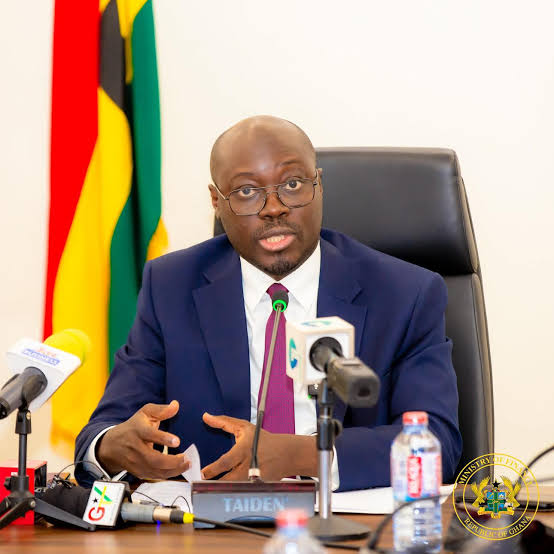
Here is the piece’s central, most directly quotable finding. Cassiel Ato Forson, then serving as the Minority Spokesperson on Finance in Ghana’s Parliament, offered a blunt public assessment of the 2018 tax concession deal: he said the deal was “badly negotiated,” and stated directly that Ghana would lose “in excess of $300 million” as a result. He went further, stating publicly that “the intention is that AGA is going to invest $880 million to revamp the Obuasi mines,” but that the project’s stated viability depended entirely on the government granting “a tax concession worth $259 million dollars” — and that, in his assessment, the actual concessions granted would exceed even that stated figure.
There is a genuinely striking detail worth noting about who Forson later became, since it connects this critique directly to material already documented elsewhere on this blog. The same Cassiel Ato Forson who called this 2018 Obuasi tax deal badly negotiated would go on to become Ghana’s Finance Minister, overseeing the country’s landmark 2026 COCOBOD Bill reforms already covered in this blog’s cocoa sector coverage — meaning the same individual who publicly challenged one major foreign extractive concession later found himself in the position of actually negotiating the terms of Ghana’s next major resource sector reform.
Independent academic research on the communities actually surrounding Obuasi paints a picture consistent with Forson’s skepticism about whether the benefits genuinely reached the people most directly affected. A detailed case study of the mining community in Obuasi municipality found that “despite CSR initiatives, local communities report increased poverty and reduced livelihoods due to land exploitation by mining,” and that “the relationship between AngloGold Ashanti and the Obuasi community remains strained, with allegations of neglect and inadequate compensation for land loss.” Community interviews conducted for this research revealed a widespread belief that “the company prioritizes profits over community wellbeing” — a direct, first-hand assessment from the people actually living on and around a mine that has, by this point, been generating wealth continuously for well over a century.
There is a genuine, fair counterpoint worth including, since not every documented outcome has been negative. The same body of research on Obuasi confirms that AngloGold Ashanti’s Malaria Control Programme achieved a documented reduction in malaria cases of over 75%, at a cost of approximately $1.87 million — a real, quantifiable public health achievement, and evidence that corporate investment in Obuasi has produced at least some genuinely significant, verifiable community benefit alongside the broader pattern of complaint.
Close: A Century of Extraction, Measured Against a Trust Fund of $2 an Ounce
Obuasi’s full history, traced across this entire series — from Ellis, Biney, and Brown’s original 1890 discovery sold for a documented pittance, through Cade’s annexation-secured 90-year concession, through a colonial war and railway that rebuilt the mine’s fortunes, through the 2004 merger that left Ghana with no meaningful direct ownership stake, and finally to a 2018 redevelopment deal Ghana’s own future finance minister publicly called badly negotiated — traces a remarkably consistent pattern across 135 years. The single square mile beneath Obuasi has generated over 62 million ounces of gold and, by any reasonable accounting, tens of billions of dollars in value. What has flowed back to Ghana and the Ashanti people across that same span has been measured, at nearly every stage this series has documented, not in proportionate ownership or control, but in modest concessions, minority stakes, and community trust contributions worth a small fraction of what the ground beneath them has actually been worth all along.