

A Historical In-depth Discovery of Trade in West Africa Since 1896
Here’s what you need to know:
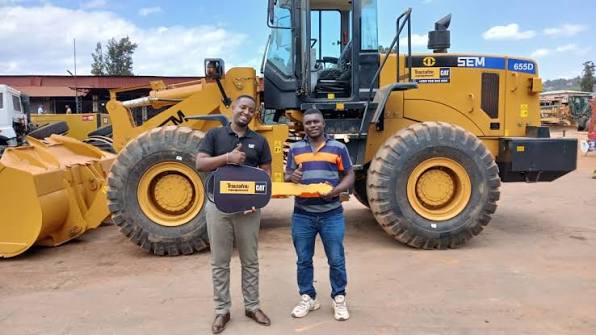
- Caterpillar granted exclusive representation rights to a company then called Traction Africaine de Débardage — the future Tractafric — in 1932, covering the French colonies of Equatorial Africa (Congo, Gabon, Chad, and Central African Republic) and Cameroon, a partnership that has now run continuously for over 90 years.
- Rather than diluting over time, this exclusivity expanded: Caterpillar extended Tractafric’s territory to Morocco, then later to Rwanda, the Democratic Republic of the Congo, and Burundi, eventually covering ten countries with a single dealer network.
- The scandal isn’t a fraud or a single dramatic event — it’s structural: for nearly a century, anyone building a road, a mine, a dam, or an oil field across this enormous swath of Central Africa has had exactly one possible supplier relationship for Caterpillar’s machinery, with no competing dealer to negotiate against, and Caterpillar’s own 2007 response to genuine growth potential in DRC’s mineral-rich Katanga province was to merge its two existing African dealers together rather than ever open the market to real competition.
The Origin: A Colonial-Era Exclusivity Deal
It’s worth tracing precisely how this arrangement began, since the timing and territorial scope reveal it as a deliberate colonial-commercial partnership from the outset, not an organic market outcome. In 1932, Caterpillar contracted a company then named Traction Africaine de Débardage — which would later become Tractafric — to represent the brand specifically across the French colonies of Equatorial Africa: the Congo, Gabon, Chad, and the Central African Republic, alongside Cameroon. This was, from its very first day, an exclusivity arrangement granted by an American manufacturer, covering territory under French colonial administration, to a single designated commercial intermediary.
It’s worth understanding the corporate lineage this exclusivity then passed through, since ownership changed hands repeatedly while the underlying exclusive right itself never opened to competition. Tractafric was acquired in 1937 by Société du Haut-Ogooué (SHO), itself a trading company founded in 1894 already doing business throughout Central Africa. SHO was in turn acquired in 1947 by the Optorg Group — a company whose own origins had nothing to do with Africa at all. Optorg was founded in 1919 by a French textile group specifically to develop wholesale distribution business in Russia and the Far East, only pivoting toward a specifically African commercial focus once it acquired SHO and, with it, Tractafric’s existing Caterpillar exclusivity. The dominant West African trading pattern this blog has already documented in CFAO and PZ Cussons repeats itself here: a European commercial conglomerate acquiring pre-existing colonial trade relationships wholesale, rather than building African market presence from scratch.
The Scale: Exclusivity That Grew Rather Than Faded
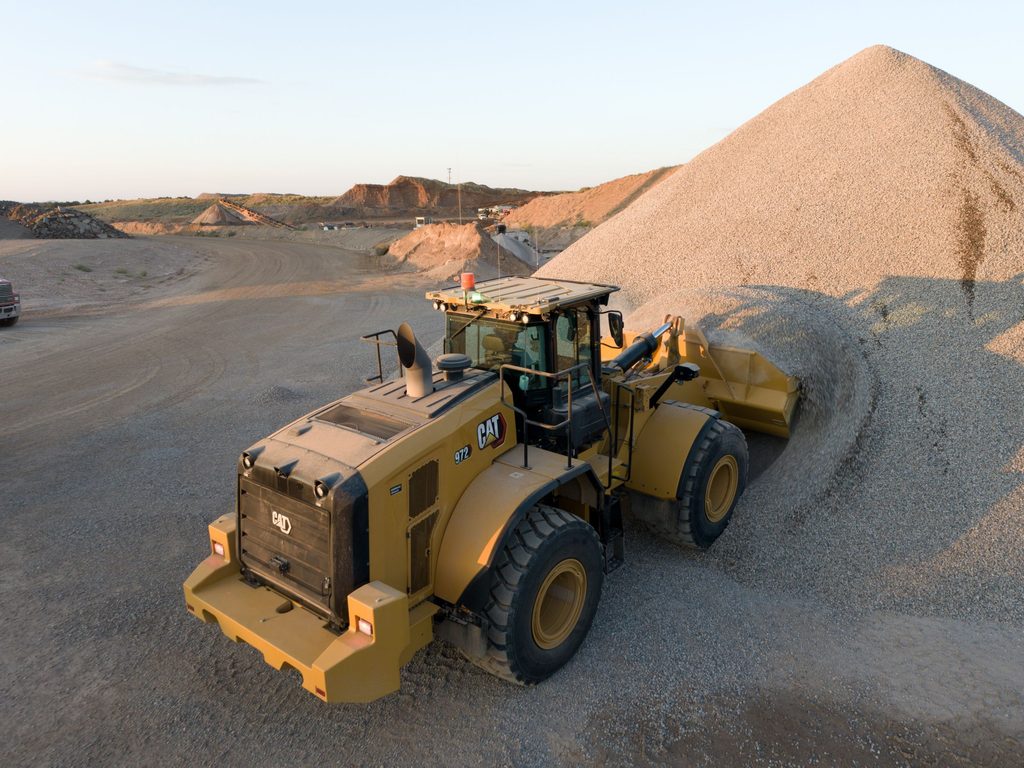
It’s worth stating plainly how this arrangement actually evolved over subsequent decades, since it directly contradicts any assumption that colonial-era exclusive dealerships naturally dissolved as African markets matured and independence arrived. Caterpillar didn’t simply maintain its original 1932 territory — it actively expanded Tractafric’s exclusive rights over time. Caterpillar selected Tractafric as its representative in Morocco in a subsequent period, and later still specifically extended the partnership to cover Rwanda, the Democratic Republic of the Congo, and Burundi. By the present day, Tractafric Equipment operates as Caterpillar’s exclusive dealer across ten countries: Burundi, Cameroon, Congo, Gabon, Equatorial Guinea, Morocco, the Central African Republic, the DRC, Rwanda, and Chad.
It’s worth including how Optorg’s own corporate marketing frames this longevity, since the framing itself is revealing. The company’s own centennial materials describe “the exclusive partnership with Caterpillar, signed in 1932” as “a determining factor” in Tractafric’s success, stating directly that “the 87 year-long collaboration makes Tractafric one of Caterpillar’s oldest partners.” An unnamed company spokesperson is quoted celebrating Caterpillar as “without a doubt one of the most important industrial enterprises in the world,” expressing explicit pride “to belong” to its dealer network. This is worth noting precisely because it shows the company itself treats near-century-long, uncontested exclusivity as a badge of honor and a marketing asset — not as something requiring justification or explanation to the customers who have never had an alternative supplier to compare it against.

The Scandal: What “No Competitor Permitted” Actually Meant on the Ground
Here is the structural issue worth stating directly, since it doesn’t require a single dramatic scandal to be genuinely consequential. Caterpillar is the dominant global manufacturer of the heavy earthmoving, mining, and construction equipment that any large-scale infrastructure project — a road, a railway, a mine, a dam, an oil field — fundamentally depends on. For the better part of a century, across ten separate African countries, there has been exactly one legal channel through which that equipment could be purchased, serviced, or supplied with parts: Tractafric. A construction firm, a mining company, or a government infrastructure ministry operating anywhere within this territory has never had the basic commercial leverage that genuine competition provides — the ability to solicit a competing quote from a second authorized Caterpillar dealer, to negotiate service contract terms against an alternative supplier, or to simply walk away from unfavorable pricing toward another vendor selling the same manufacturer’s machines.
It’s worth including a specific, concrete illustration of how this exclusivity has actually been managed when genuine growth opportunity emerged, since it shows the pattern persisting into the 21st century rather than belonging purely to the colonial era. In 2007, facing the significant earthmoving equipment needs of the Democratic Republic of the Congo’s copper- and cobalt-rich Katanga province — precisely the kind of high-growth, high-demand market that might normally attract new competitive entrants — Caterpillar’s response was not to open this market to a new, independent dealer. Instead, Tractafric merged with Barloworld Equipment, itself Caterpillar’s separate long-standing exclusive dealer for Southern Africa, to form a joint venture (Bartrac Equipment, later restructured as Congo Equipment) specifically to service this province. Two of Caterpillar’s own existing, already-dominant African dealer networks were combined rather than a genuine third, independent competitor ever being permitted to enter — even in a mineral-rich growth region worth serious continued investment.
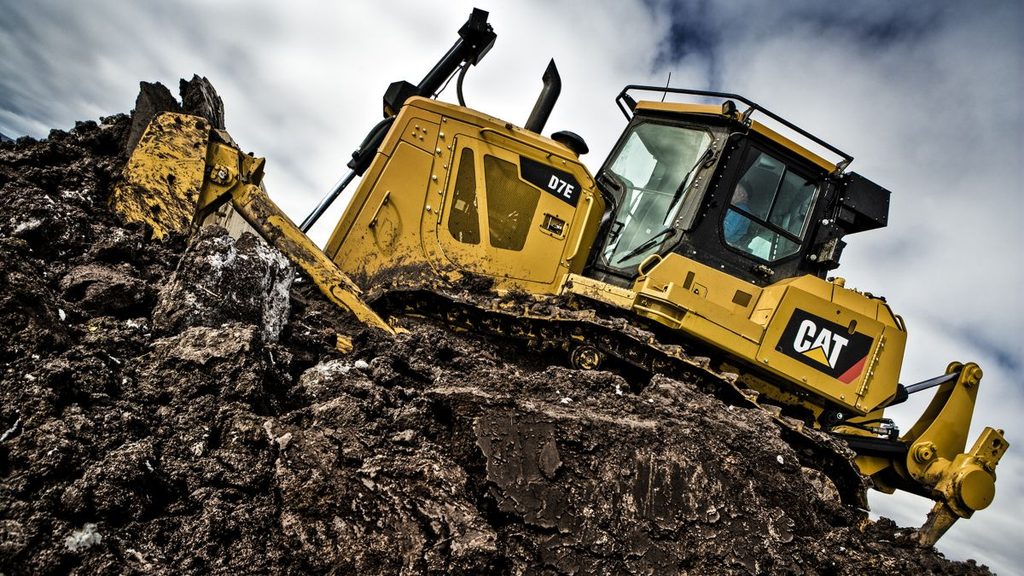
It’s worth stating what this pattern reveals about infrastructure development across the territories this exclusivity covers. Every mining company negotiating equipment costs in the DRC’s cobalt belt, every construction firm bidding on a road contract in Cameroon, every government ministry procuring machinery for a dam project in Gabon, has been negotiating for nearly a century against a supplier who has never once had to worry about a competitor undercutting price, improving service terms, or offering better financing to win the same business. This is precisely the kind of concentrated commercial power this blog’s broader research has already documented in different forms — BBWA’s silver coin monopoly, Halco’s 49-51 ownership structure, CFAO’s produce trade brokerage chain — here taking the specific form of a single company holding the only key to the actual machinery a continent needs to build its own roads, mines, and infrastructure, decade after decade, with no local or competing alternative ever permitted to exist.
Close
Tractafric’s exclusive Caterpillar representation didn’t emerge from open market competition and it hasn’t been tested by any since — it was granted by an American manufacturer to a single French colonial-era trading company in 1932, passed through successive corporate acquisitions without ever opening to a rival dealer, and actively expanded across additional African territories over subsequent decades rather than dissolving as those countries gained independence. When genuine new market opportunity emerged in DRC’s Katanga province in 2007, Caterpillar’s own response was to merge its existing dealers rather than introduce real competition. Nearly a century after that original 1932 contract, the basic commercial reality remains unchanged: across ten African countries, anyone needing the specific heavy machinery required to build the roads, mines, and infrastructure a growing continent needs has never had more than one place to go.

Sources and further reading.