
A Historical In-depth Discovery of Trade in West Africa Since 1896
Here is what you need to know:
- A monopoly bought, not built. Optorg didn’t earn its way into Central Africa through years of investment — it simply acquired a company called S.H.O. in 1947 and inherited, in a single transaction, the exclusive rights to sell Caterpillar equipment across the entire region.
- The machinery arrived decades after the human cost did. Central Africa’s most brutal infrastructure project, the Congo-Océan railway, was built years earlier using forced African labor precisely because the mechanized alternative barely existed — and once it did exist, it stayed locked behind a single company’s franchise.
- One firm, one supplier, one price. For decades, any government, contractor, or business in Central Africa that needed a bulldozer, grader, or excavator had exactly one legal door to walk through, and Optorg owned it.
A Monopoly Bought Fully Formed
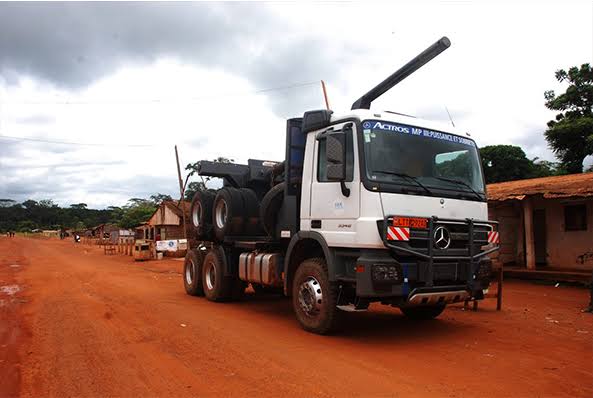
Picture the entire earth-moving and construction equipment supply for a region spanning multiple countries, controlled not by a government, not by a competitive market, but by the outcome of a single corporate handshake in Paris. That is, almost without exaggeration, what happened in 1947, when Optorg — a company that had never operated in Africa a day in its life — acquired a modest-sounding trading company called S.H.O. Tucked inside that acquisition was a brand called Tractafric, and tucked inside Tractafric was something far more valuable than any balance sheet line item: the exclusive right, held since 1932, to be Caterpillar’s sole representative across Central Africa. Optorg didn’t build this monopoly. It simply bought it, fully formed, the way you might buy a house with the furniture still inside.
Quick Explainer: Why Did One Company Get to “Own” Caterpillar in an Entire Region?
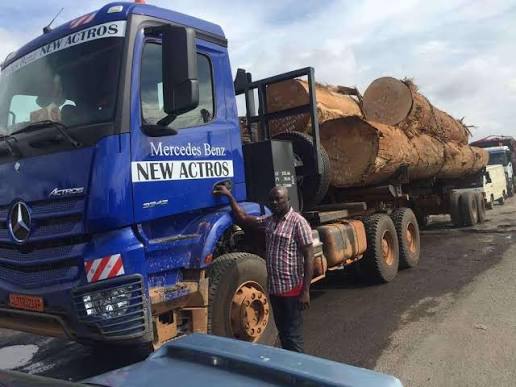
Colonial-era manufacturers like Caterpillar didn’t sell directly into African markets. Instead, they granted a single local firm the exclusive legal right to import, sell, service, and supply parts for their machines across an entire territory — sometimes an entire region spanning several countries. Whoever held that franchise effectively controlled the price, the pace, and the availability of the equipment an entire economy needed to build roads, mines, ports, and railways. There was no second supplier to shop around with. If Tractafric said no, or said “not yet,” there was no legal alternative.
The Scandal: What Came Before the Machines
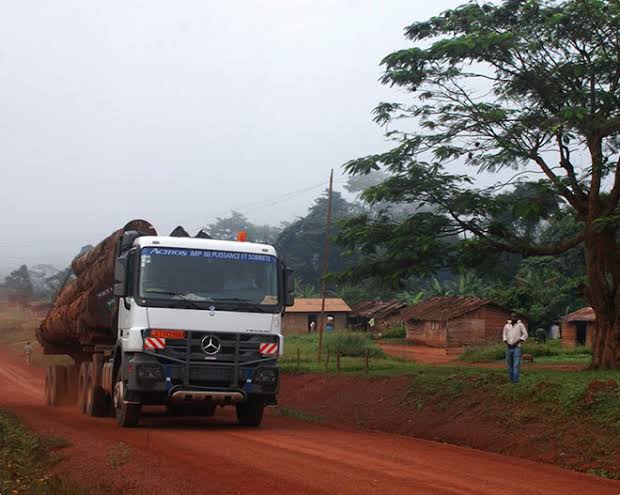
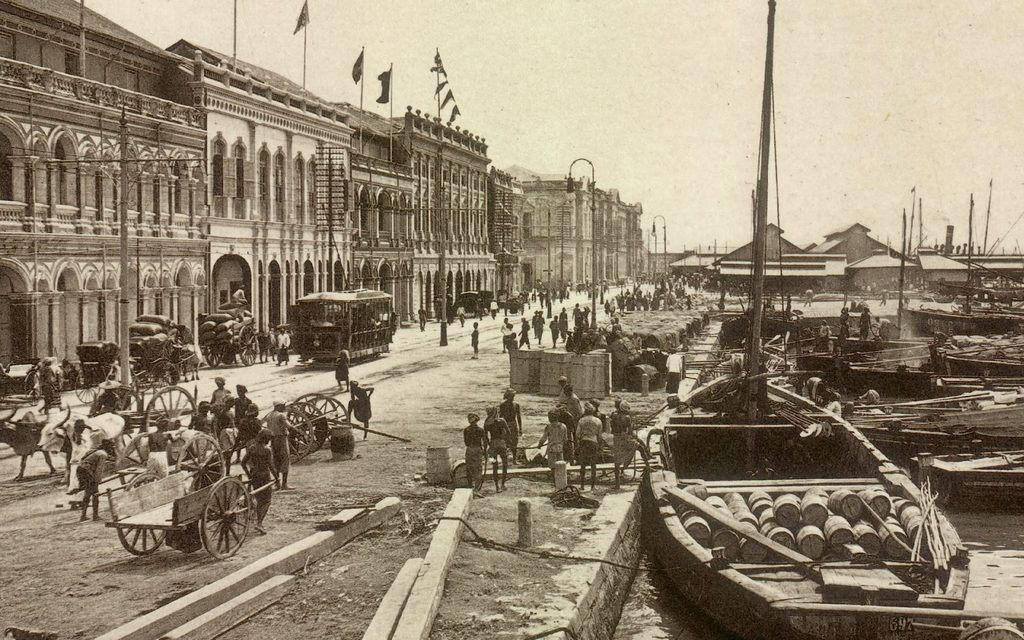
The timing of all this is where the story turns from merely unfair into genuinely damning. Just fifteen years before Caterpillar’s exclusive Central African franchise was even established in 1932, French Equatorial Africa had already discovered, at horrific cost, exactly what happens when heavy infrastructure gets built without heavy machinery. Between 1921 and 1934, the French colonial administration constructed the Congo-Océan railway using tens of thousands of conscripted African laborers instead of mechanized equipment, hacking through some of the most disease-ridden terrain in the region by hand. Historians estimate that at least 20,000 people died during construction — from exhaustion, disease, and violence — a death toll so severe it eventually forced a debate in the French Parliament itself. As historian J.P. Daughton has put it, the railroad’s brutality was “petty, unthinking and often cruel,” enabled by racist beliefs that conveniently let colonial administrators displace their own moral responsibility for what was happening on the ground.
Mechanization as Privilege, Not Relief
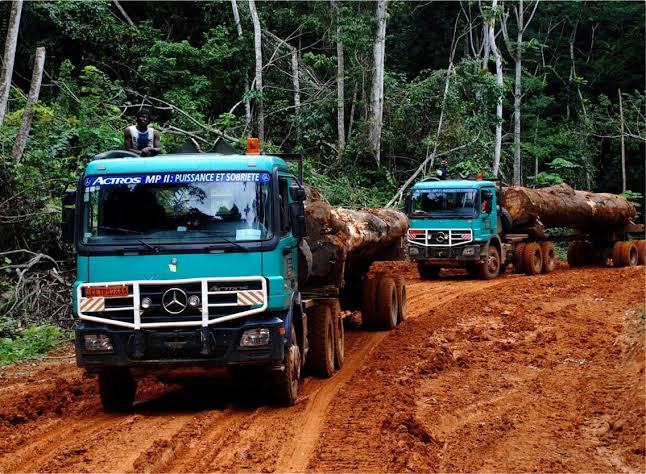
Here is the part rarely said out loud: the very equipment that could have replaced that human suffering with machines was arriving in the region at almost exactly the same moment the railway’s death toll was mounting, and it did not go to the people who needed it most. It went into a single exclusive distribution channel, controlled first by S.H.O. and then, from 1947 onward, by Optorg. Mechanization didn’t arrive in Central Africa as a public good meant to spare the next generation of laborers from the Congo-Océan railway’s fate. It arrived as a monopoly product, priced and rationed by a foreign trading consortium answering to shareholders in Paris, not to the workers who had already paid for the region’s lack of machinery in blood. Even decades later, after independence, that exclusive arrangement didn’t dissolve — it simply changed hands again, passing from Optorg into a Moroccan royal holding conglomerate in 1993, while the franchise model itself stayed fully intact.
The Real Inheritance
That is the real inheritance of the 1947 S.H.O. acquisition: not just a piece of construction equipment distribution, but proof of how consistently colonial and post-colonial commerce in Central Africa treated life-saving technology as a private privilege to be owned and licensed, rather than a tool that should have reached the region as urgently as the human cost of its absence had already been paid.Paste the final body section here.

Sources and further reading.