
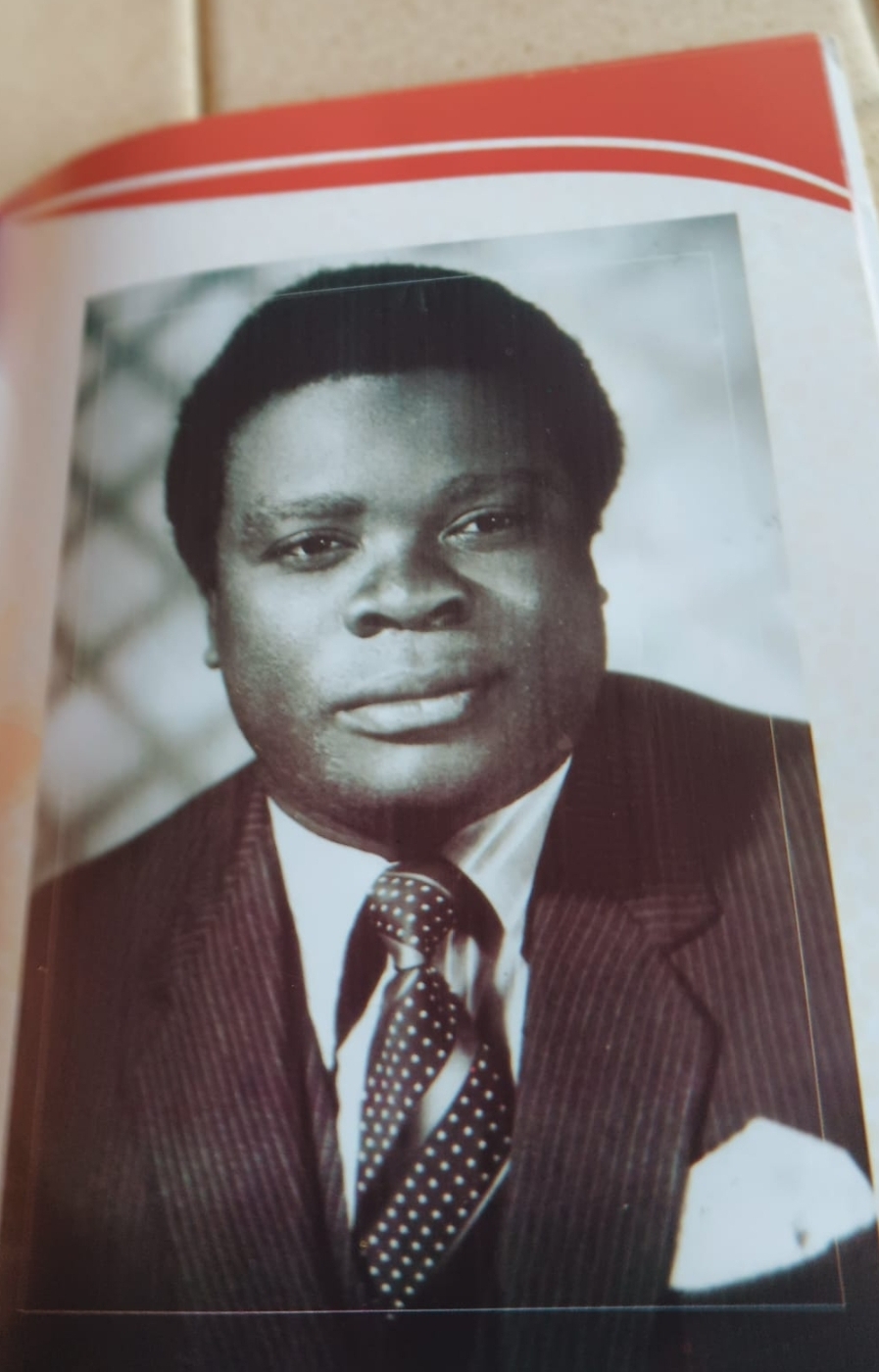
A Historical In-depth Discovery of Trade in West Africa Since 1896
In this article:
- A company built for the wrong continent. Optorg wasn’t founded to trade with Africa at all — it was created in 1919 by French textile industrialists chasing opportunities in Asia and Russia. Its name is literally the Russian word for “wholesale.”
- Africa was Plan C, not a calling. It took nearly three decades, and the collapse of its original markets, before Optorg ever set foot on African soil — arriving in 1947 not through investment or vision, but through a straightforward corporate acquisition.
- The company’s final owner tells the real story. Optorg didn’t end up African-owned or independent — it was absorbed into a Moroccan royal holding empire that has spent decades fending off its own corruption and transparency scandals, a fitting endpoint for a firm built on going wherever the money was.
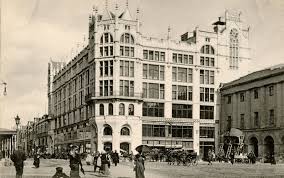
It took nearly three decades after its founding before Optorg established any presence in Africa whatsoever.
A Name That Was Never Meant for Africa
Here is the sentence that should reframe how you think about the “great French trading houses” of colonial Africa: Optorg, one of the three dominant wholesale conglomerates that would go on to control huge swaths of Central and West African commerce, was not founded with a single thought about Africa in its charter. It was founded in 1919, in the aftermath of the First World War, by three French textile men — Jules Lorthiois, James Schwob d’Héricourt, and Félix Vanoutryve — with one target market in mind: Asia and Russia. The name they picked for the company wasn’t French, English, or African. It was Russian. “Optorg” simply means “wholesale.”
That single fact does more to explain the DNA of colonial trading houses than any amount of romantic company history ever could. These weren’t firms with a mission to “develop” Africa, whatever their later marketing materials might claim. They were opportunistic wholesale operations, built to chase whichever market looked most extractable at the time, and entirely willing to pack up and point themselves in a completely different direction the moment that market stopped paying off. Russia and the chaos of the Bolshevik Revolution made that particular bet a bad one, and it would take Optorg until 1947 — nearly thirty years later — to even arrive on the African continent at all.
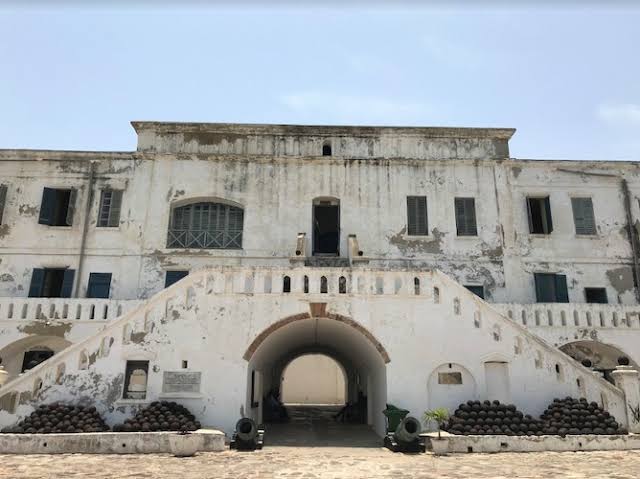
Quick Explainer: What Was a “Colonial Trading House,” Really?
When historians use the term “trading house,” they aren’t describing a shop or a bank. These were sprawling wholesale conglomerates — often French, British, or German — that held near-total control over which imported goods reached a colonized territory, and which local export commodities were allowed to leave it. A handful of these houses, rather than any colonial government ministry, quietly decided the actual terms of everyday commerce for tens of millions of Africans, simply by controlling the wholesale pipeline itself.
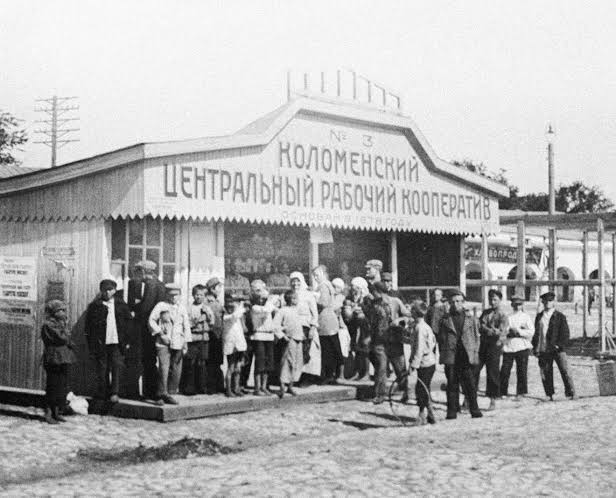
Arriving by Acquisition, Not Ambition
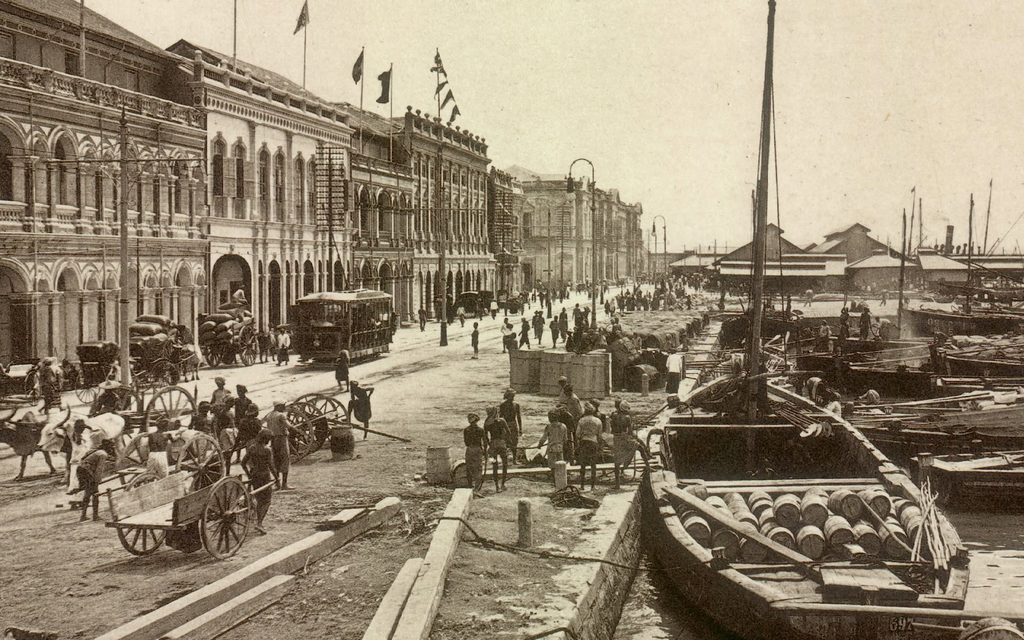
Optorg’s actual entry into Africa was almost anticlimactic in how ordinary it was. In 1947, the company acquired a trading house called S.H.O. — a modest deal, on paper, about industrial materials and automotive distribution. But buried inside that acquisition was something far more consequential: the S.H.O. brand Tractafric, which had held the exclusive Caterpillar equipment distribution rights across Central Africa since 1932. In one purchase, a company with zero African history inherited a monopoly on the earth-moving and construction machinery that any serious infrastructure project on the continent would eventually require. Eight years later, in 1955, Optorg repeated the same playbook westward, buying up the Ch. Peyrissac trading house to gain instant control of vehicle and industrial equipment distribution across French West Africa — arriving, again, by acquisition rather than by building anything of its own.
The Scandal: Where Optorg Actually Ended Up
The company’s own modern language, ironically, undercuts the story it was built on. Optorg’s current compliance materials state that the group has “chosen to conduct its business in a responsible manner,” aligned with “integrity, professional ethics, and loyalty.” That language sits uneasily next to what actually happened to Optorg’s ownership decades after decolonization. In 1993, Optorg became a subsidiary of ONA, at the time Morocco’s largest industrial and financial conglomerate — a holding group majority-owned by the Moroccan royal family itself. ONA, and its successor SNI (now rebranded Al Mada), has spent years fending off accusations of monopolistic practice and corruption, serious enough that a batch of U.S. diplomatic cables released via WikiLeaks in December 2010 openly cast doubt on the transparency of the group’s dealings and the integrity of the king’s business affairs. When ONA and SNI merged in 2010, the Casablanca Stock Exchange’s own chief executive, Karim Hajji, publicly said the deal “will improve greatly the liquidity of Casablanca bourse” — a tidy piece of financial-press optimism that conveniently said nothing about who actually controlled the combined entity, or why.
The Real Takeaway
Follow the thread all the way through, and Optorg’s story stops looking like an isolated case and starts looking like the rule. A firm built for Russia pivoted to Africa purely because Africa was where the opportunity had moved. It grew not through building anything new, but by acquiring existing monopolies — first over heavy machinery, then over vehicle distribution — that African economies had no say in creating. And when its own colonial chapter finally closed, it didn’t pass into African hands or public accountability at all. It passed quietly into one of the most scrutinized, least transparent private fortunes on the continent. For a company whose very name means “wholesale,” it turns out the one thing Optorg was never actually selling was a genuine commitment to the continent it spent a century profiting from.
Sources and further reading.