

A Historical In-depth Discovery of Trade in West Africa Since 1896
Here’s what you need to know:
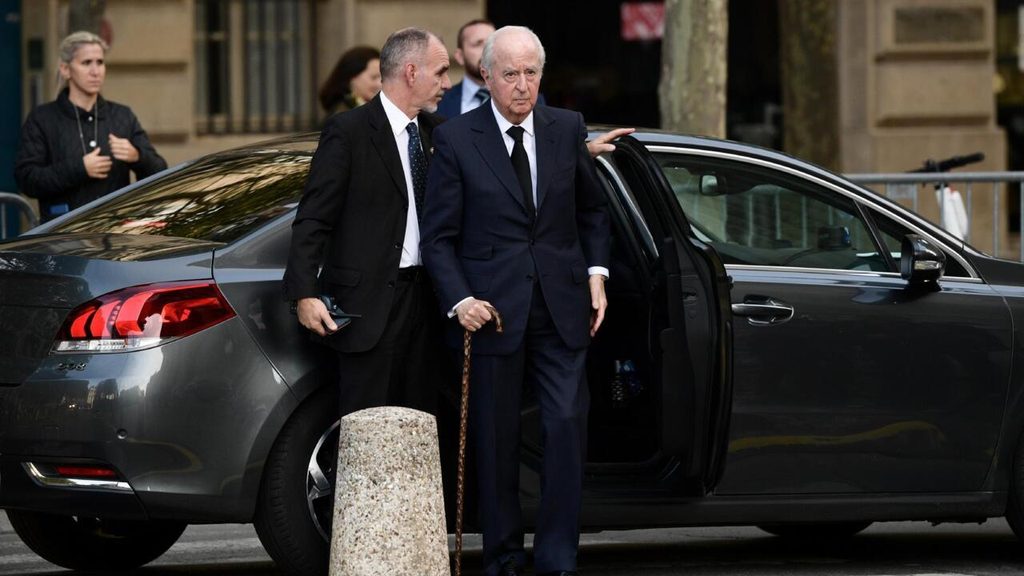
- On January 11, 1994, France unilaterally devalued the CFA franc by 50% — a decision French Prime Minister Édouard Balladur later confirmed directly, stating plainly, “The CFA franc was devalued in 1994 at the instigation of France, because we felt it was the best way to help these countries in their development.”
- Fourteen African heads of state were summoned to a hotel in Dakar and, according to multiple documented accounts, held there for roughly thirty hours while French Treasury and IMF officials informed them of a decision already made — with neither French President François Mitterrand nor Balladur himself bothering to make the trip.
- The scandal: economic research confirms currency speculators and companies operating in the CFA zone had already begun converting their holdings out of CFA francs at a dramatically accelerated rate years before the devaluation — 730 million French francs converted monthly by 1992, compared to under 284 million per month before 1984 — meaning well-connected regional commercial interests appear to have anticipated and profited from a decision the very African governments whose currency it was were never meaningfully consulted on.
The Decision: What Actually Happened in Dakar
It’s worth understanding precisely what the CFA franc’s fixed peg meant, and why this particular devaluation became the moment it did. The CFA franc — used across West and Central African nations formerly under French colonial administration — has always been directly pegged to the French currency, with its exchange rate set not by any African monetary authority independently, but by France. Throughout the 1980s and early 1990s, this fixed rate had become artificially overvalued relative to the actual economic conditions of the countries using it, contributing to prolonged economic stagnation across the CFA zone.
It’s worth stating precisely how this correction was actually decided, since the process itself is the piece’s central finding. On January 11, 1994, France, working with the International Monetary Fund, devalued the CFA franc by 50%, changing the fixed rate from 50 CFA francs per French franc to 100 CFA francs per French franc — instantly halving the currency’s value. The decision was announced to African leaders at a Franco-African Summit in Dakar. Multiple independent accounts describe the actual scene directly: fourteen African Heads of State and Government were, in the words of one detailed account, “locked for hours in a large hotel in the Senegalese capital,” accompanied specifically by “the French Minister of Cooperation and the director of the French Treasury,” alongside the IMF’s own Director General — officials who had come specifically “to inform” the assembled African presidents of a decision that had already been made, not to negotiate one with them as equals.
It’s worth including a detail that speaks directly to how this moment was actually experienced by the leaders summoned to it. Neither French President François Mitterrand nor Prime Minister Balladur made the trip to Dakar themselves, sending subordinates in their place instead — a choice one contemporary account describes bluntly as demonstrating “the degree of ‘consideration’ they had for the Heads of State and Government in Africa.” And there is no ambiguity about whose decision this actually was, because Balladur himself later confirmed it directly, on the record: “The CFA franc was devalued in 1994 at the instigation of France, because we felt it was the best way to help these countries in their development.” This is worth reading precisely: France’s own Prime Minister describing a decision affecting the currency and daily purchasing power of tens of millions of people across an entire continent as something France decided France felt was best — not something those countries’ own governments had genuinely co-determined.
The Consolidation: How This Decision Actually Reshaped Optorg’s West African Position
Here is the direct, traceable corporate consequence this piece set out to examine. This blog’s own immediately preceding research has already established that following this exact 1994 devaluation, CFAO acquired the West African activities of both SCOA and Optorg, with Optorg’s own vehicle distribution operations in Mali and Senegal specifically passing into CFAO’s ownership. This wasn’t a coincidental timing — the devaluation created precisely the kind of destabilizing economic pressure across the CFA zone that made consolidation among the region’s major French commercial conglomerates both necessary and newly attractive, with CFAO emerging as the entity best positioned to absorb its weakened counterparts.
It’s worth stating what this actually means for the sovereignty question this piece is centered on. Thirty-four years after Mali and Senegal had achieved full political independence from France, the specific question of which French conglomerate would control wholesale vehicle distribution across their own national economies was still, in practical terms, being answered by a monetary policy decision made unilaterally in Paris — one that neither Mali’s nor Senegal’s own government had genuinely co-authored, communicated to them at a summit their own presidents experienced as something closer to a notification than a negotiation.
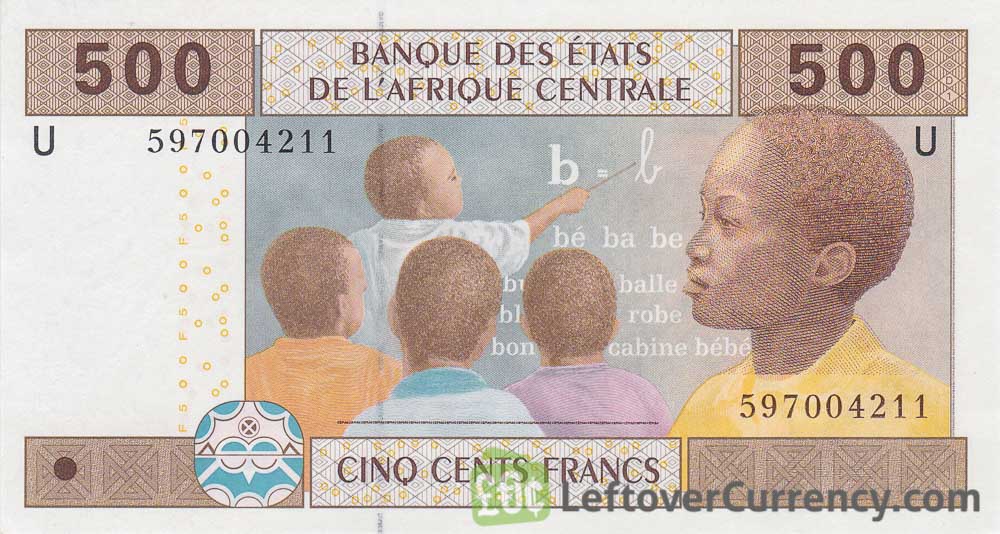
France requires CFA zone central banks to deposit a large share of their foreign exchange reserves directly into a French Treasury account. This “operations account” (compte d’opérations) — historically requiring up to 65% of reserves, later reduced to 50% — is the ongoing structural mechanism, distinct from the 1994 devaluation itself, through which France has continued to hold direct custodial control over CFA zone monetary reserves.
The Scandal: Who Actually Knew This Was Coming
Here is the piece’s most serious and directly documented finding, worth stating precisely. Economic research on the 1994 devaluation confirms that “the devaluation was preceded by rumours that allowed speculators and companies based in the region to deposit huge amounts of CFA francs in tax havens, patiently waiting for January 1, 1994 to come” — an operation described directly as “very lucrative,” since “one CFA stored abroad gave them two new CFA as of January 1994,” effectively doubling the value of anyone’s holdings who had converted their CFA francs into French francs before the devaluation, then converted back afterward.
The specific, quantified scale of this pattern is worth including precisely, since it comes from rigorous academic economic research rather than speculation. French economist Cécile Richard’s 1995 study found that in 1992 — two full years before the devaluation was formally announced — an average of 730 million French francs were being converted out of CFA francs every single month, compared to less than 284 million French francs per month before 1984. This represents a documented, more than 150% increase in currency conversion activity, occurring years in advance of an announcement that African heads of state themselves only received notice of at the Dakar summit itself.
It’s worth stating precisely what this pattern implies, while being careful about what is and isn’t directly proven. This research doesn’t name Optorg, CFAO, or any single specific company as having engaged in this currency conversion activity — the phrase used is “companies based in the region” broadly. But it’s worth stating plainly that major, deeply capitalized, decades-embedded French commercial conglomerates — precisely the category of firm this entire series has examined — represent exactly the kind of institutional actor genuinely positioned to have the banking relationships, political access, and capital reserves necessary to benefit from advance knowledge of a monetary policy decision that African governments themselves were only informed of at the moment it was finalized.
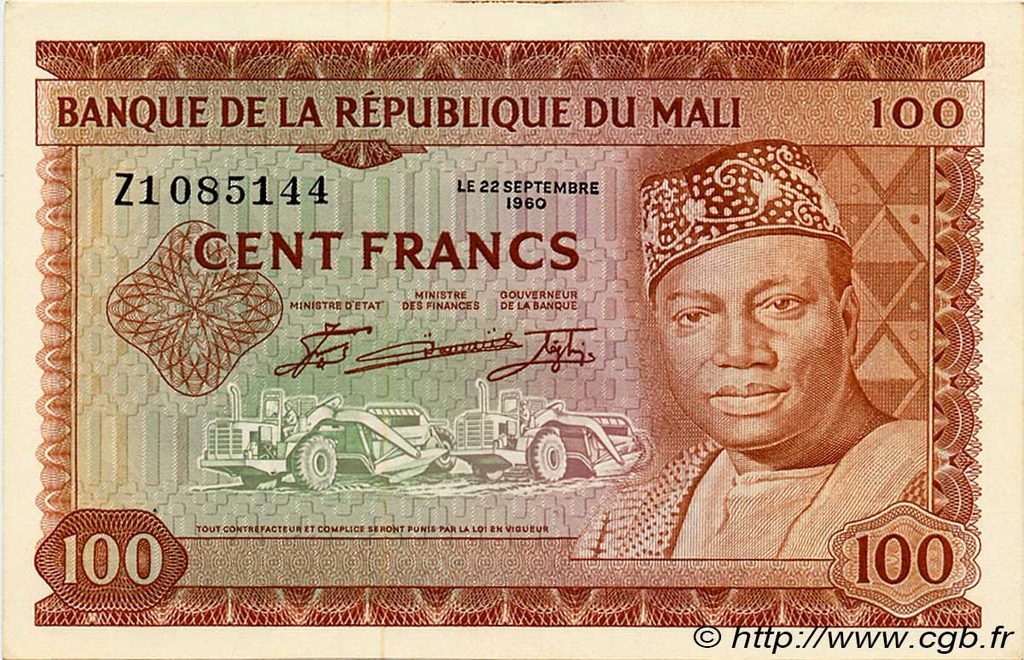
There is a final, considerably darker layer of historical context worth including, since it explains precisely why the fourteen African presidents assembled in that Dakar hotel had genuinely limited practical ability to resist the decision being announced to them. This wasn’t the first time an African leader had confronted the CFA franc arrangement’s underlying sovereignty question. When Mali’s newly independent president, Modibo Keita, created an independent Malian franc in 1962, his CFA-zone neighbors “raised commercial barriers and isolated him economically.” The following year, Togo’s Sylvanus Olympio, who had planned his own independent monetary project, “was assassinated by a group of military personnel trained by France.” Multiple independent accounts identify both Keita and Burkina Faso’s Thomas Sankara as leaders “assassinated and overthrown and replaced by strongmen aligned with France” specifically over positions challenging this exact monetary arrangement. Whatever genuine reservations any of the fourteen presidents gathered in that Dakar hotel in January 1994 may have held privately, this documented historical pattern gave them direct, specific reason to understand what open resistance to a French monetary decision had previously cost other African leaders before them.
Close
The 1994 CFA franc devaluation wasn’t simply a technical monetary correction — it was a decision made unilaterally in Paris, announced to African heads of state in circumstances multiple independent accounts describe as closer to notification than negotiation, confirmed as unilateral by France’s own Prime Minister, and preceded by a documented, quantified surge in currency conversion activity suggesting well-connected regional commercial interests had genuine advance knowledge unavailable to the ordinary citizens whose savings the devaluation would instantly halve. Optorg’s absorption into CFAO followed directly from this same decision — a French conglomerate’s West African commercial fate determined, thirty-four years after independence, not by market competition or African governmental policy, but by a currency decision made in a country neither Mali nor Senegal had any formal vote in.
Sources and further reading.