A Historical In-depth Discovery of Trade in West Africa Since 1896
Here’s what you need to know:
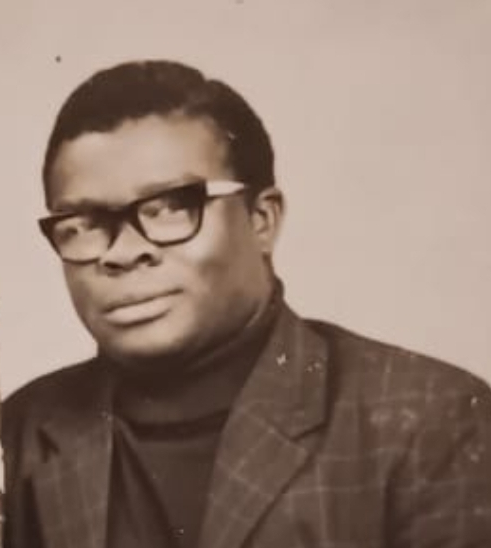
- In June 2025, Niger’s military government formally nationalized SOMAIR, revoking Orano’s operational control — nearly 58 years to the month after Hamani Diori signed the original 1967 protocol handing 85% of the same company to French interests.
- Niger’s stated justification directly echoed the deal’s founding imbalance: the government said Orano had taken 86.3% of the mine’s output despite holding only a 63.4% stake, framing the nationalization as reclaiming “full sovereignty.”
- The scandal — and the historical reversal: twice before, in 1974 and 2010, Nigerien leaders were overthrown in coups shortly after challenging uranium terms, widely read as protecting France’s position. In 2023, for the first time, a coup did the opposite — it became the mechanism that finally broke the deal rather than preserving it.
- Orano disputes Niger’s framing entirely, and the dispute is now tied up in international arbitration — meaning six decades after the original protocol, the relationship’s ending is proving just as contested as its beginning.
In July 1967, Hamani Diori signed a protocol handing 85% of Niger’s first uranium company to French interests. In June 2025 — nearly 58 years later, almost to the month — Niger’s government tore that arrangement up entirely.
This is the story of how that circle finally closed, and why the way it closed broke a pattern that had held for nearly six decades.
Part One: What Actually Happened in 2023–2025
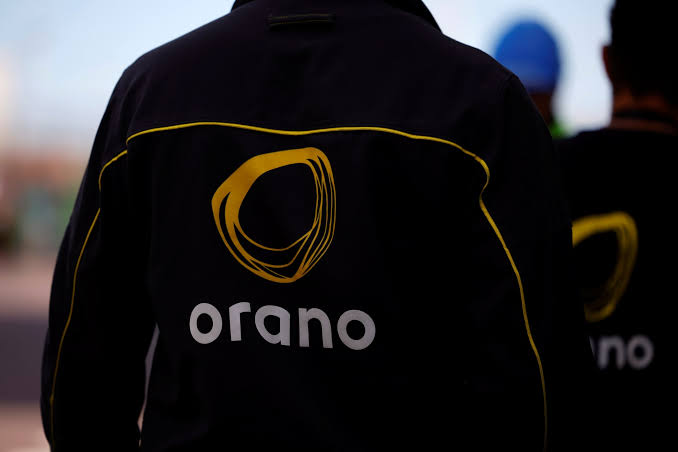
Following the July 2023 coup that brought General Abdourahamane Tiani’s military government to power, Niger progressively revoked Orano’s operational control across all three of its major mining sites — Somair, Cominak, and the still-undeveloped Imouraren deposit, one of the largest untapped uranium reserves on Earth.
The formal nationalization step is worth stating directly. In June 2025, the government moved beyond revoking operational control and formally nationalized Somair outright, ending Orano’s ownership position in the mine that had operated, under French involvement, since the 1968 concession decree.
Niger’s stated justification is worth quoting directly, since it echoes the exact imbalance this blog has already traced back to 1967. The government said Orano had extracted 86.3% of everything the mine produced since the post-1967 ownership structure was last revised, despite holding only a 63.4% ownership stake — framing the nationalization explicitly as reclaiming “full sovereignty.”
Part Two: The Scandal — When a Coup Used to Mean the Opposite
Here’s the piece’s sharpest analytical point. Twice before in this relationship’s history, a Nigerien leader challenging uranium terms was followed by a coup removing that leader from power.
The pattern is worth recalling precisely. In 1974, President Diori was overthrown shortly after demanding a higher uranium sale price, with French troops already stationed in Niamey under a defense agreement, and analysts noting those troops would likely have intervened to protect him had Paris not sanctioned his removal. In 2008, President Tandja successfully won a substantial uranium price increase — and was overthrown in a coup in 2010.
Here’s the scandal’s core finding. The 2023 coup broke that fifty-year pattern completely. Rather than removing a leader for challenging the uranium arrangement, this coup’s government became the actor that most aggressively challenged it — revoking operational control, then nationalizing outright, then defying international arbitration rulings already documented elsewhere in this blog.
This raises an interpretive question worth treating honestly, rather than settling for a simple triumphant reading. Does this represent Niger genuinely reclaiming sovereignty after decades of documented imbalance, or does it represent a different kind of external pressure — from Russia, from a shifting geopolitical landscape — simply replacing the old French-aligned pattern with a new one, using the language of sovereignty either way?
Part Three: Orano’s Side of the Reckoning
Orano’s own account deserves fair presentation, since a genuine reckoning requires both perspectives. The company disputes Niger’s framing of the 86.3% figure directly, stating that its Nigerien state partner, Sopamin, had avoided sharing production costs during periods of low uranium prices, forcing Orano to purchase additional uranium above its shareholding just to keep the joint venture financially viable.
This dispute produced real legal escalation. Orano pursued international arbitration through ICSID, and — as already documented elsewhere in this blog — Niger has since been found in defiance of at least two separate provisional rulings from that same tribunal, continuing to move uranium and detain an Orano representative despite explicit orders not to.
With international arbitration still active and unresolved, and both sides maintaining fundamentally incompatible accounts of what’s owed to whom, the “reckoning” this section is named for is a legal and financial process still very much in progress, not a closed chapter.
The Myth vs. The Reality
| What people assume | What actually happened |
| The 2023-2025 nationalization represents Niger’s first real challenge to the uranium arrangement France established in 1967 | Niger’s leadership had challenged uranium terms twice before, in 1974 and 2008, each time followed by a coup removing the challenging leader |
| Coups in Niger have historically been unrelated to the country’s uranium relationship with France | 2023 wasn’t the first uranium-related political challenge — it was the first time a coup didn’t undo one |
| The dispute over Orano’s 86.3% production share is a new complaint specific to 2025 | It directly traces back to the exact ownership imbalance this blog has documented from the 1967 protocol forward |
| Niger’s nationalization ended the dispute over Somair’s ownership | International arbitration remains active and unresolved, with both sides maintaining incompatible accounts |
Close: A Circle That Took 58 Years to Close, and Still Isn’t Finished
Nearly 58 years after Hamani Diori signed away 85% of Niger’s first uranium company, the country’s government finally reversed that imbalance — but it did so through a coup, amid an active geopolitical realignment toward Russia and Iran, and against a backdrop of ongoing international arbitration that Niger itself has continued defying.
Whether this represents the genuine end of the pattern this blog has traced since 1956 — pre-independence reconnaissance, a 75-year concession, a coup pattern that protected the deal for fifty years — or simply its latest chapter under new geopolitical management, is a question this blog will keep tracking as the arbitration, and the relationship itself, continues to unfold.
Sources and further reading.