

● ECOWAS confirms AES countries will still be treated under the ETLS
despite their formal exit, pending separation negotiations. (2025)
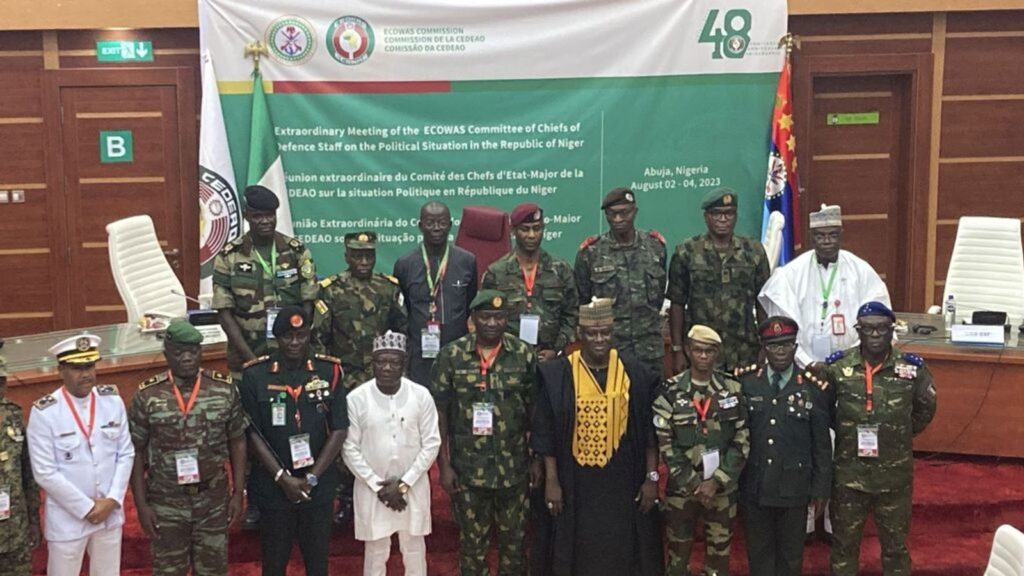
In 2023, ECOWAS assembled troops and threatened military intervention against
Niger’s junta.
Less than two years later, when that same junta walked out of the bloc entirely,
ECOWAS’s response wasn’t retaliation. It was a unilateral offer to keep trading
with them duty-free anyway.
This isn’t generosity. Read against the numbers, it looks a lot more like an
organization that just lost over half its territory trying to keep the door open
before it loses everything else too.
Two years ago, ECOWAS was ready to send an army into Niger. In 2025, it was
pleading with the same government to please keep using its trade rules.
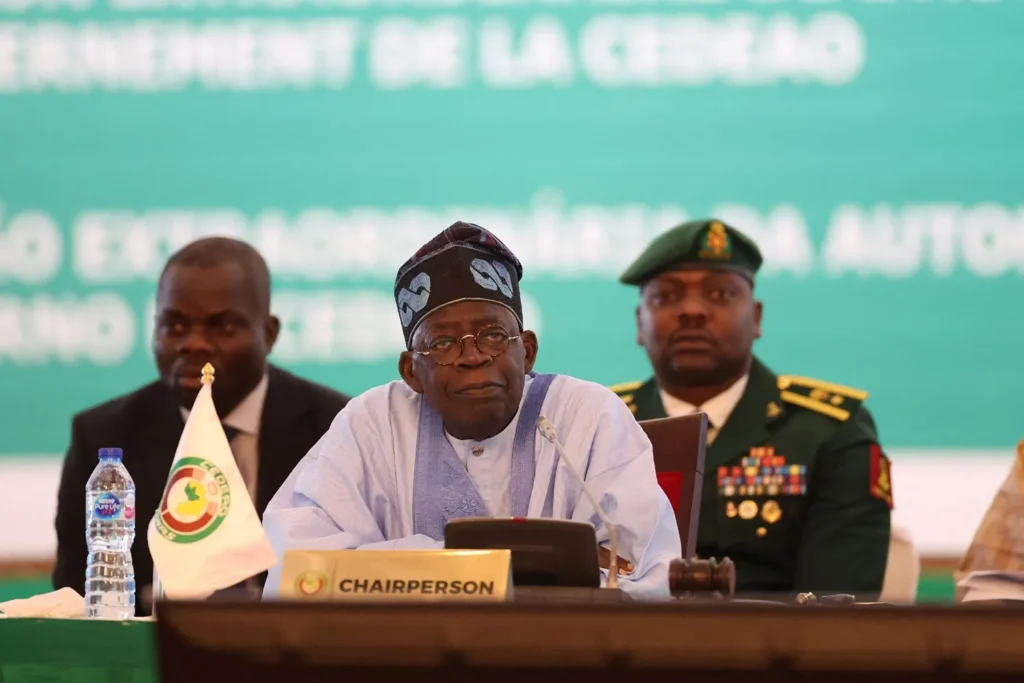
Here’s What Actually Happened
Under Article 91 of the ECOWAS Treaty, member states must give one year’s
written notice to withdraw. Mali, Burkina Faso, and Niger’s formal exit took legal
effect on January 29, 2025.
Before that date arrived, ECOWAS offered a six-month grace period, until July
2025, during which the three countries could still reverse course and return. AES
leaders rejected that offer almost immediately, describing their withdrawal as
“irrevocable.”
Despite that rejection, here’s precisely what ECOWAS chose to preserve for the
departing states: recognition of ECOWAS-branded documents, continued trade
benefits under the ETLS, visa-free movement rights, and continued support for
ECOWAS officials originally from these three countries.
Here’s the myth-check. This wasn’t how ECOWAS had handled the situation
before. This “measured, pragmatic” approach marked a clear departure from
ECOWAS’s earlier posture toward Niger specifically, when the bloc had
threatened military intervention following the July 2023 coup.
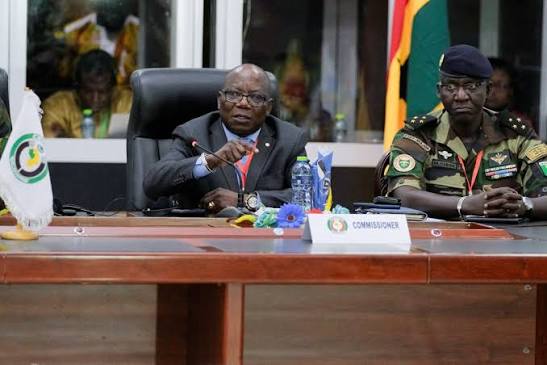
The Scandal: The Same Bloc That Threatened Invasion Started
Making Concessions
Here’s the reversal worth sitting with. The organization that mobilized toward
possible military action against Niger’s junta in 2023 spent 2025 appointing
mediators — Senegalese President Bassirou Diomaye Faye and Togolese
President Faure Gnassingbé — and offering unilateral trade and travel
concessions to keep the relationship from collapsing entirely.
What actually drove this shift is worth stating in plain numbers. Mali, Burkina
Faso, and Niger together represented over half of ECOWAS’s total territory,
roughly 17% of its population, and about 7.7% of its combined GDP. Losing all
three at once wasn’t a minor administrative matter. Multiple analysts have
described it as the most significant crisis in West Africa’s regional integration
since ECOWAS’s founding in 1975.
ECOWAS’s sudden conciliatory posture reads less like principled patience and
more like an organization managing real, existential stakes — reduced collective
bargaining power, a weakened position within the African Union, and the risk of
becoming a smaller, less relevant bloc if it pushed the departing states away
entirely.
Here’s the punchline that makes this scandal land. Within two months of ECOWAS
extending this olive branch, AES responded by imposing its own 0.5% import levy
directly on ECOWAS goods — already covered elsewhere in this series —
undermining the very duty-free framework ECOWAS had just unilaterally chosen
to preserve.
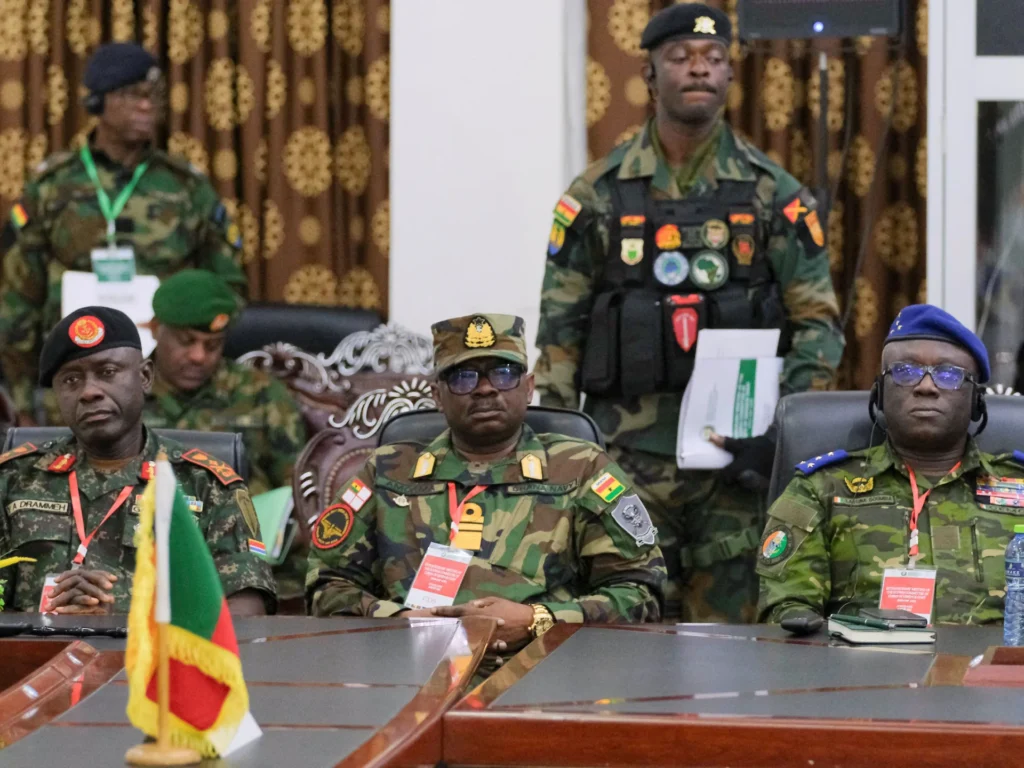
Goodwill Gesture, or Desperate Bargaining Chip?
Both readings of this deserve honest treatment here, since it’s a genuinely
contested interpretation.
Supporters of ECOWAS’s approach argue it reflects a mature, stability-focused
strategy — preserving people-to-people ties and trade relationships gives both
sides room to eventually reconcile, rather than punishing ordinary citizens and
traders for a political rupture between governments.
Critics see it differently. They argue this looks like an organization negotiating
from a position of weakness, offering unilateral concessions with no matching
commitment in return, while AES leaders have publicly and repeatedly called
their withdrawal “irrevocable.”
The human cost underpinning the urgency of this whole situation is worth
bringing in, because it shows what’s actually at stake beyond bloc politics.
Analysts have noted that the daily cost of a nutritious diet in the three AES
countries already runs 110% higher than the region’s daily minimum wage, in a
part of West Africa where nearly 17 million children under five are already acutely
malnourished.
Here’s the sovereignty point worth making precisely. ECOWAS’s continued ETLS
offer, on paper, protects ordinary traders and consumers from the worst effects
of the split. But it also means the bloc absorbed the political cost of a one-sided
compromise while receiving a new tariff in return within weeks.
The Myth vs. The Reality
| What people assume | What actually happened |
|---|---|
| ECOWAS’s continued ETLS treatment for AES states reflects a united, cooperative separation process | ECOWAS made this offer unilaterally, without a reciprocal commitment, after AES had already rejected a six-month reconciliation window |
| ECOWAS negotiated this arrangement from a position of strength | The same bloc had threatened military intervention against one of these same governments just two years earlier |
| AES has responded to ECOWAS’s goodwill with reciprocal cooperation | AES responded to the concession with a new tariff targeting ECOWAS goods directly, within two months |
| This is simply standard diplomatic procedure for any bloc separation | Losing Mali, Burkina Faso, and Niger simultaneously is widely described as the most significant crisis in ECOWAS’s 50-year history |
Why This Still Matters
This is the diplomatic backdrop behind every other AES-ECOWAS story already
covered in this series — the currency naming dispute, the workaround trade
corridors, the copied import levy — all of it unfolding inside a relationship where
one side is negotiating from genuine institutional anxiety, and the other has
already declared the split final.
ECOWAS’s continued ETLS treatment for AES states is real, and it’s genuinely
protecting ordinary trade in the short term. But it’s also a measure of just how
much leverage the bloc lost the moment three of its founding members walked
out the door.