
● Niger reopens its border with Nigeria, following Nigeria’s own reopening,
after ECOWAS lifted coup-related sanctions. (March 2024)
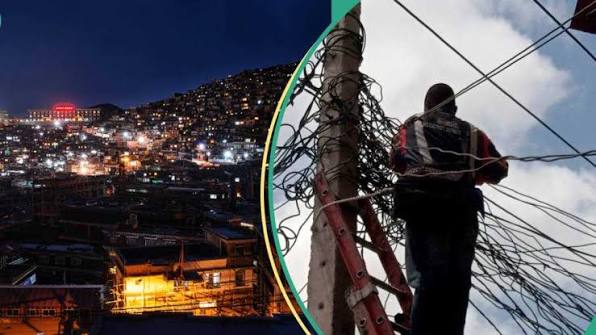
In Niamey and across Niger, on August 3, 2023, the power simply stopped.
Not from a technical fault. From a directive. Nigeria, complying with a fresh
ECOWAS sanctions package following the July 26 coup that had just deposed
President Mohamed Bazoum, cut its electricity exports to Niger.
This is a story about a light switch used as a diplomatic weapon — who flipped it
off, why, what happened in the dark months that followed, and what it took to flip
it back on.
Section One: Why the Lights Went Out
On July 26, 2023, Niger’s presidential guard arrested and detained President
Bazoum, in what was the fifth successful coup in Niger since independence from
France in 1960.
ECOWAS’s sanctions response was broad, and the electricity cutoff was one piece
of a much larger package. The bloc ordered the closure of land and air borders,
an ECOWAS no-fly zone, suspension of commercial and financial transactions,
and — critically — the freezing of “all service transactions, including energy
transactions” with Niger.
It’s worth pausing on Niger’s actual electricity dependency, because this wasn’t a
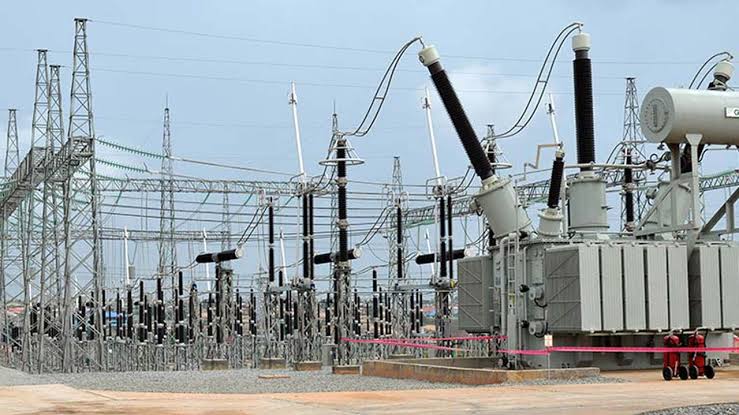
symbolic gesture. Niger relies substantially on imported power from Nigeria,
making the energy cutoff one of the sanctions package’s most immediately felt
measures — a lever with direct, physical consequences for hospitals, homes, and
businesses across the country.
ECOWAS’s stated justification at the time was direct: the bloc demanded full
restoration of constitutional order and declared Bazoum’s detention illegal,
framing the sanctions package, including the energy freeze, as necessary
pressure on the ruling junta to reverse course.
Section Two: The Seven Months in Between
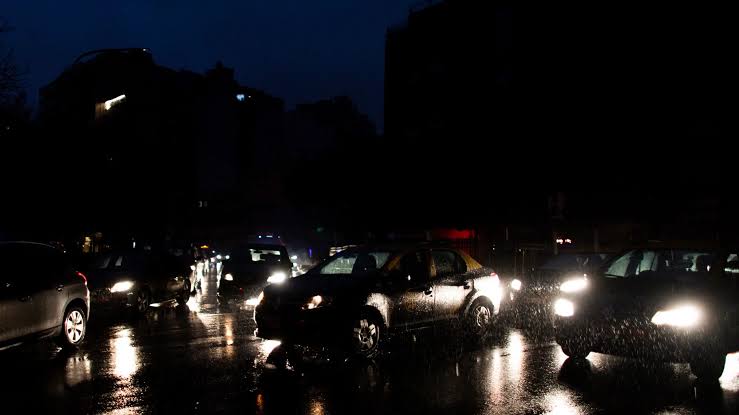
Here’s where the human cost of this actually lives. Nearly seven months without
full power access, layered on top of closed borders and frozen financial
transactions, for a population that had no role in staging the coup that
triggered any of it.
The political outcome next to that human cost is worth sitting with, because the
contrast is the point. Despite the sanctions, Niger’s junta refused to release
Bazoum or restore constitutional order. Instead, the country moved further away
from ECOWAS entirely, joining Mali and Burkina Faso to form the Alliance of
Sahel States during this exact window.
Here’s the scandal’s sharpest moment, and it comes directly from ECOWAS’s own
words. When the bloc finally announced it was lifting the sanctions on February
24, 2024, ECOWAS Commission chairman Omar Touray stated the decision was
based on “humanitarian considerations, the socio-economic impacts of the
sanctions on Nigeriens and the security of the sub-region.” The organization that
imposed the blackout effectively conceded, in its own official language, how
much damage that blackout had caused to the very civilians it claimed to be
protecting.
Sanctions justified as pressure on an illegitimate government ended up, by
ECOWAS’s own admitted reasoning, primarily harming the ordinary population —
while doing nothing to achieve the sanctions’ stated goal of reversing the coup.
Section Three: The Lights Come Back On
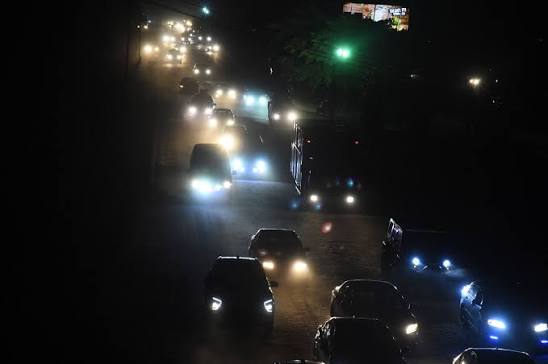
The reversal unfolded in stages, and the dates matter. ECOWAS made its
decision to lift sanctions on Niger, Mali, Burkina Faso, and Guinea simultaneously
on February 24, 2024. Nigeria followed with its own announcement on March 13,
2024, reopening land and air borders and restoring electricity.
President Tinubu’s own directive language is worth quoting directly. The Nigerian
presidency announced the lifting of “the suspension of all commercial and
financial transactions between Nigeria and Niger, as well as freeze of all service
transactions, including utility services and electricity to Niger Republic,” with
immediate effect.
The pace of reopening wasn’t perfectly symmetrical, and that adds real texture to
the story. Nigeria acted swiftly on March 13, but Niger’s own side of the border
didn’t formally reopen until roughly a week later at Birni N’Konni — a small but
telling sign that trust hadn’t simply snapped back the moment the directive was
issued.
The regional picture was uneven too, worth including for accuracy. While Benin
promptly reopened its own border in compliance with the ECOWAS directive, its
border with Niger specifically remained closed on the Beninese side for a period
afterward, particularly affecting trade routes tied to uranium resources.
Section Four: What This Blackout Actually Proved
Step back, and the analytical point is direct. This episode is one of the clearest,
most literal illustrations available of how regional interdependence in West Africa
can be weaponized rather than relied upon — a neighboring country’s electricity
supply, treated as a lever to be switched off in a political dispute.
This connects to the broader AES story already documented elsewhere in this
blog. This specific episode is frequently cited by analysts as a defining example
of exactly the kind of vulnerability that later pushed AES toward permanent
withdrawal from ECOWAS altogether, rather than simply weathering the next
political disagreement.
ECOWAS’s own admission that its sanctions harmed ordinary Nigeriens without
achieving their stated political goal is a genuinely rare thing — an official body
conceding, on the record, that a punitive policy failed on its own terms.
Close: A Switch, Not a Solution
The lights went out on August 3, 2023, and came back on roughly seven months
later. But the coup that triggered the blackout was never reversed. Bazoum was
never released. The underlying political rupture between Niger and ECOWAS
only deepened in the meantime.
Flipping the power back on solved the sanctions’ most visible humanitarian cost.
It didn’t solve anything the sanctions were actually meant to achieve — a genuine
reminder that punitive economic leverage between neighbors can hurt the
people living under it long before it changes the minds of the people ruling over
them.