

● Mali, Burkina Faso, and Niger jointly announce withdrawal from ECOWAS, citing
the bloc’s perceived subservience to foreign (French) interests. (January 2024)
On Sunday, January 28, 2024, a joint statement was read on state television
across Mali, Burkina Faso, and Niger simultaneously — Colonel Abdoulaye Maïga
reading it in Mali, Colonel Amadou Abdramane delivering it in Niger — declaring
the “immediate withdrawal” of all three countries from ECOWAS.
This piece walks through that actual statement, phrase by phrase, checking each
claim against what was legally and factually true at the time. Because the gap
between what was declared and what was actually happening is the real story
here.
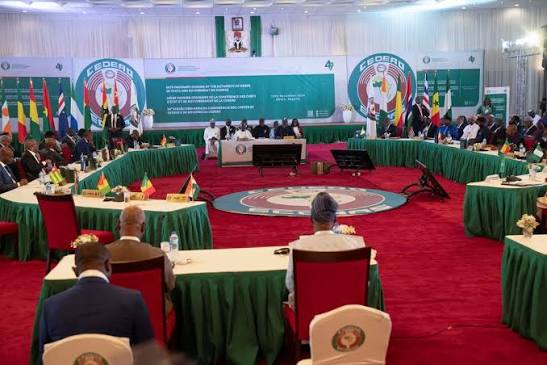
Annotation One: “Decided in Complete Sovereignty”
The statement’s opening framing was direct: the juntas said they had “decided in
complete sovereignty on the immediate withdrawal of Burkina Faso, Mali and
Niger from the Economic Community of West African States.”
Here’s the fact-check, and it’s the scandal’s core. Under Article 91 of the ECOWAS
revised treaty, “any Member State wishing to withdraw from the Community shall
give to the Executive Secretary one year’s notice in writing,” and only “at the
expiration of this period” does membership actually end.
ECOWAS’s own real-time response makes the gap unmistakable. The bloc stated
plainly that it had not even been formally notified of the countries’ decision to
quit — meaning the dramatic “immediate withdrawal” declared on television was,
under the treaty both sides had signed, not a legal event at all. It was a political
one.
What this actually means is precise: the three countries did not leave ECOWAS on
January 28, 2024. They announced their intention to leave, triggering a process
that wouldn’t legally conclude for another full year, until January 29, 2025.
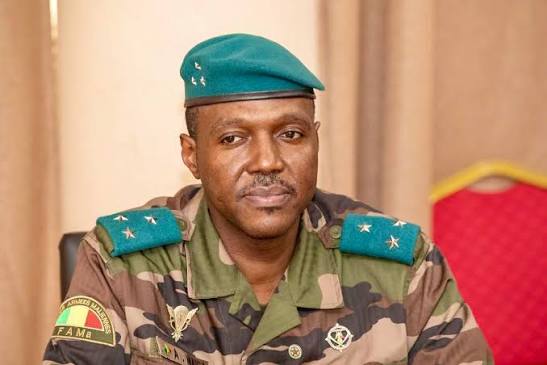
Annotation Two: “Departed From the Ideals of Its Founding
Fathers”
The statement continued: “After 49 years, the valiant peoples of Burkina Faso,
Mali, and Niger note with regret and great disappointment that the ECOWAS
organization has departed from the ideals of its founding fathers and the spirit
of Pan-Africanism.”
There’s a layer of historical irony worth unpacking here. All three countries were
founding members of ECOWAS in 1975. The organization they were now accusing
of abandoning pan-Africanism was one their own nations had helped build from
its first day.
This connects directly to a thread already covered elsewhere in this blog’s history
series. In its own way, this is an echo of the same instinct that led Kwame
Nkrumah to break apart the shared anglophone currency board decades earlier
— a rejection of a regional structure perceived as compromised, made in the
name of a purer sovereignty.
Annotation Three: “Under the Influence of Foreign Powers”
The statement’s sharpest line came next: “ECOWAS, under the influence of foreign
powers, betraying its founding principles, has become a threat to its member
states and its populations whose happiness it is supposed to ensure.”
This accusation deserves real engagement, not dismissal. Commentary at the
time noted that “few people will argue with the fact that the organization appears
to be under the influence of former colonial masters,” pointing directly to French
President Macron’s public statements on the crisis as part of the evidence cited.
Nigeria offered a direct rebuttal, worth quoting in full. The country’s foreign
ministry responded that it “stands with ECOWAS to emphasise due process and
our shared commitment to protect and strengthen the rights and welfare of all
citizens of member states” — a direct rejection of the framing that ECOWAS itself
was compromised or illegitimate.
The honest, balanced conclusion here is that this specific claim — French or
Western influence over ECOWAS decision-making — is a real, ongoing debate
rather than a settled fact in either direction, and deserves to be presented as
contested rather than resolved.
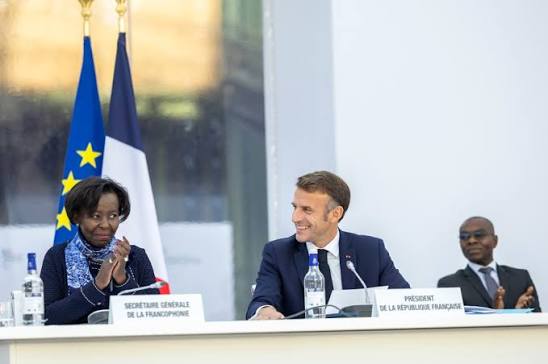
Annotation Four: The Line That Wasn’t in the Statement at All
Here’s what the announcement never mentioned, and it’s the human cost hiding
beneath the political rhetoric. Human Rights Watch flagged directly that
withdrawal from the ECOWAS Treaty “will deprive these countries’ citizens of a key
avenue for accountability—an independent and impartial tribunal—especially
where access to justice at national courts is restricted.”
What this means in practice is significant. The ECOWAS Community Court of
Justice has functioned, however imperfectly, as a venue where citizens of
member states could seek redress for human rights violations when domestic
courts failed them or were themselves compromised.
Here’s the scandal’s sharpest point. A statement built around protecting “the
rights and welfare” and “happiness” of Sahelian populations, in its own quoted
language, never once acknowledged that the exit itself would close off one of the
only independent legal avenues those same populations had for holding their
own governments accountable.
Close: What the Statement Actually Achieved
Measured against its own words, the January 28 statement was simultaneously
legally premature (the withdrawal wasn’t immediate at all), historically loaded
(invoking a pan-Africanist legacy the departing states helped author), politically
contested (the foreign-influence claim remains genuinely disputed), and
conspicuously silent on its most serious real-world consequence — the loss of
judicial recourse for ordinary citizens.
A year later, on January 29, 2025, the withdrawal the statement declared
“immediate” finally became real — proof that even the most dramatic political
declarations still, eventually, have to answer to the paperwork.
Everything that followed this announcement — the AES’s formal confederation,
the currency plans, the tariff disputes, the border standoffs already documented
elsewhere in this blog — traces back to this one Sunday broadcast, and the year
of legal limbo that came after it.