

● Regional traders describe “turning to smuggling” as formal ECOWAS-AES
trade corridors weaken under new tariffs and restrictions. (2026)
This isn’t one person’s exact biography. It’s a composite portrait, built from
documented patterns, expert testimony, and direct quotes from traders across
the region — representing a transformation happening to thousands of real
people simultaneously.
The arc runs in four stages: Before, The Break, Now, and The Toll — tracing how a
legitimate regional trader ends up working as a smuggler two years into the
AES-ECOWAS split.
Stage One: Before
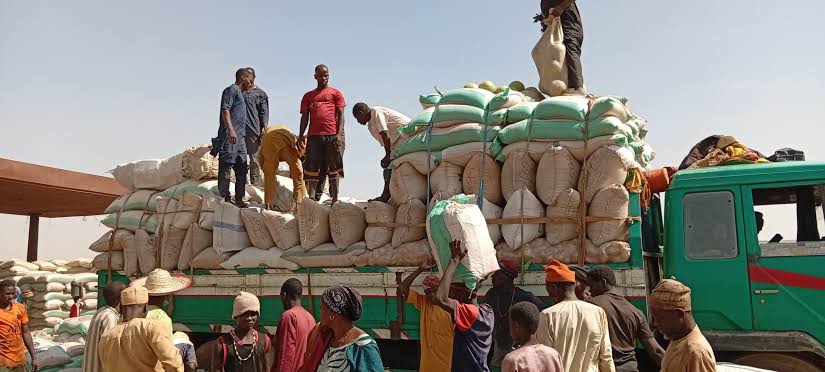
Before 2025, this trader’s livelihood looked like ordinary regional commerce:
moving grain and goods across formal ECOWAS-AES corridors, operating within
a regional system that, however imperfect, offered functioning trade guarantees
and predictable costs.
What that formal system actually provided is worth explaining in specific terms.
Sadiq Aliyu, Deputy Director and Head of Public Relations at Nigeria’s Export
Promotion Council, put it plainly: exiting the regional bloc “granted political
autonomy but also removed access to West African financial safety nets, regional
trade guarantees and investor confidence anchored in established ECOWAS
mechanisms.”
Those “safety nets” meant something concrete for someone in this trader’s
position: predictable tariff treatment, trade guarantees that protected against
certain risks, and a level of institutional trust that made cross-border commodity
trading a viable, legitimate livelihood — not a gamble.
Stage Two: The Break
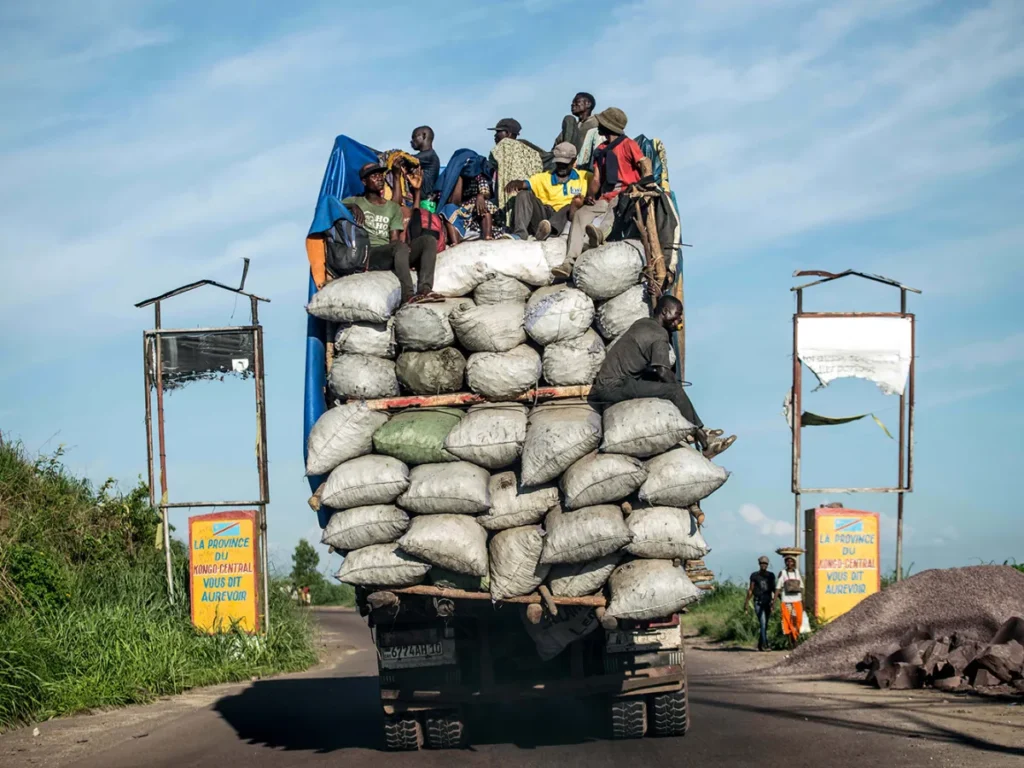
As AES’s new tariffs and export restrictions took hold, formal trade corridors
didn’t collapse outright. They weakened — slower, costlier, and less predictable,
pushing traders toward a decision point they hadn’t faced before.
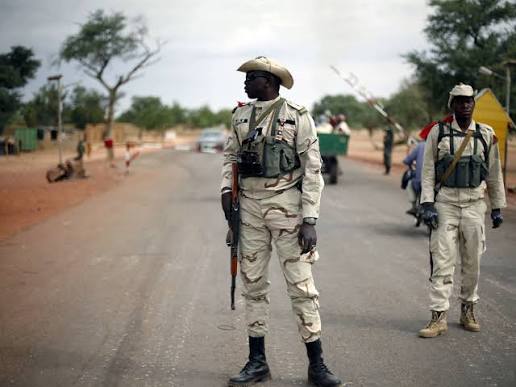
The hard cost data explains the calculation a trader in this position would have
made. OECD and World Bank Trade and Transportation Assessment findings
show that moving a single bag of rice from the coast to Bamako now requires
paying bribes at a minimum of 12 to 15 unofficial checkpoints. A separate
regional trade survey found that 83% of respondents reported arbitrary charges
collected without official receipts along their routes.
Faced with a formal system that had become slower and more expensive than the
informal alternative, this trader’s shift toward smuggling wasn’t reckless
risk-taking. In a narrow economic sense, it was the rational choice available.
Stage Three: Now
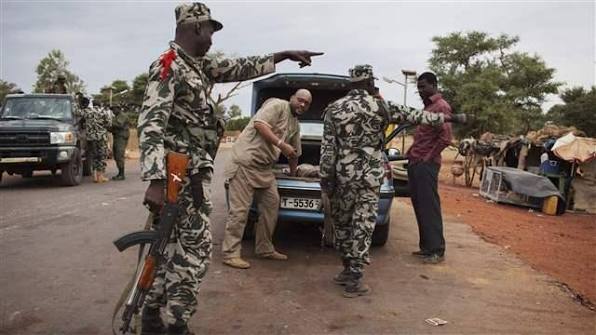
The actual work this transformation produces is a genuine downgrade in both
status and income. Many traders like this one have abandoned commodity
trading altogether to work as “porters” for smuggling syndicates, carrying
50-kilogram bags of grain on foot across borders, earning a fraction of what they
once made as legitimate traders and business owners.
This connects directly to a pattern already documented elsewhere in this blog.
The same informal checkpoint network has pushed the final price of food in
Sahelian cities up by 18% since early 2026, even as farmers are paid less for their
crops. This trader-turned-porter is both a victim of that system and, unwillingly, a
small part of what keeps it running.
It’s worth clarifying what “informal trade” actually means at scale across the
region, since it’s easy to underestimate. A survey on smuggling between Benin
and its neighbors found five times more smuggled goods moving from Benin to
Nigeria than officially recorded exports. This isn’t a marginal phenomenon.
Across much of West Africa, it’s the dominant form of actual trade activity.
The Scandal: The Cost Nobody Puts in the Trade Statistics
Here’s the piece’s most serious and underreported element. Academic research
on informal cross-border trade across Africa has documented that women
engaged in this kind of trade face disproportionate risks, including health risks
and sexual exploitation and harassment, frequently used as a means of evading
taxes or gaining passage at checkpoints.
This deserves to be handled with care and precision. This isn’t a hypothetical or
a rare edge case. It’s a pattern documented across multiple peer-reviewed
studies of informal cross-border trade in West Africa, describing coercive
exploitation that specifically targets women traders navigating checkpoint
networks with limited legal protection.
Here’s the scandal’s core point. When formal, regulated trade corridors weaken,
what replaces them isn’t simply “the same trade, minus the paperwork.” It’s a
parallel system where the most vulnerable participants — disproportionately
women — can face a fundamentally different and more dangerous set of costs
than male traders navigating the same routes.
This is the sharpest possible illustration of what “informal economy” actually
costs the people inside it, beyond the price inflation and lost tax revenue already
documented elsewhere in this blog.
Stage Four: The Toll
Bring the composite trader’s position together now. Someone who once ran a
legitimate trading business works as a porter or informal smuggler today,
earning less, facing arbitrary checkpoint charges with no receipt or recourse,
operating in a system that specifically endangers women in ways the trade
statistics never capture.
This shift to informal trade isn’t a personal failure or poor decision-making by
individual traders. It’s the predictable, documented outcome of formal corridors
becoming more expensive and less reliable than the informal alternative.
There’s a broader economic irony worth stating plainly. AES’s tariffs and
restrictions were framed around building economic independence. Yet the
documented result, two years on, is a parallel economy that is “harder to regulate
and more expensive to operate, with the costs ultimately borne by ordinary
people.”
Close: The Economic “Independence” That Hasn’t Arrived
This trader’s transformation — from legitimate commerce to informal,
checkpoint-taxed, sometimes dangerous smuggling — is not an isolated story. It’s
a pattern repeating across thousands of individual lives throughout the
AES-ECOWAS trade corridors.
The informal economy that’s absorbed this displaced trade isn’t a footnote to the
AES-ECOWAS story. For millions of people living it day to day, it has become the
actual story, regardless of what the official trade statistics or political
declarations from either side claim.