

● Ghana and Togo see shifting trade patterns as AES countries reroute
trade away from traditional ECOWAS coastal partners. (2025)
A labor strike at Tema Port. A rejected utility tariff hike. Warnings from an industry
association about smuggling. A rival port next door quietly setting a continental
record.
Individually, these look like routine news items. Together, they’re symptoms of
something more serious.
What’s actually wrong with Ghana’s position as West Africa’s premier trade hub —
and is the diagnosis a temporary illness, or something more structural?
Symptom One: The Labor Strike
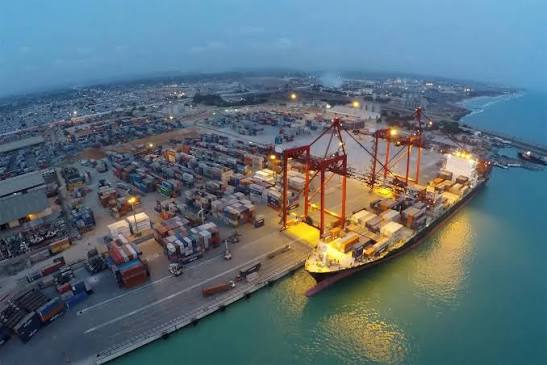
On December 29, 2025, the Food and Beverages Association of Ghana (FABAG)
issued what it called a “final warning,” stating that persistent delays at Tema Port
were forcing businesses to consider diverting bulk and bagged cargo to the Port
of Lomé in Togo.
The underlying cause is straightforward: a strike by unskilled laborers who
traditionally handle the physical offloading of ships, following failed
compensation negotiations with port management. Authorities brought in
temporary labor to bridge the gap, but FABAG described the intervention as
“minimal” and insufficient to meet the country’s basic supply chain needs.
The human cost shows up clearly in a direct quote from the ground. One
wholesaler at Ghana’s Kaneshie market put the disconnect between official
statistics and plain reality: “They say inflation is down, but the price of a bag of
sugar keeps climbing because the ships aren’t moving.” It’s worth noting why that
gap matters so much — food costs make up nearly 43% of Ghana’s Consumer
Price Index, meaning port delays function as a hidden tax on ordinary
Ghanaians, regardless of what the headline inflation number says.
This wasn’t an isolated flare-up. The strike followed a separate, blistering FABAG
statement on December 8, 2025, rejecting proposed Electricity Company of
Ghana tariff hikes as “unjustifiable” and demanding a full audit — a second
symptom of the same underlying operational strain.
Symptom Two: The Rival Getting Stronger While the Patient
Weakens
Lomé’s parallel rise is worth bringing in directly, with the hard comparative
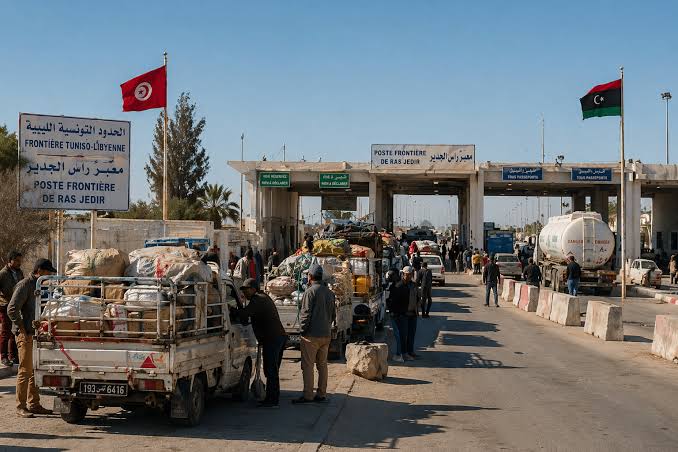
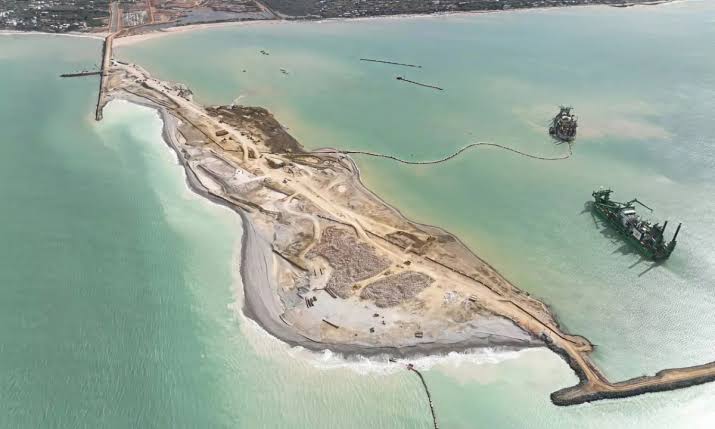
numbers. Lomé Container Terminal completed dredging in September 2025,
enabling it to accommodate fully loaded container ships of up to 24,000 TEUs,
making it the only natural deep-sea port in West Africa with depths reaching 18.6
meters, capable of handling ultra-large container vessels.
The cost comparison is the clearest diagnostic evidence available. Marine
charges at Lomé run nearly 15% cheaper than Tema, while container handling
charges are 44 to 58% lower, depending on container size and type.
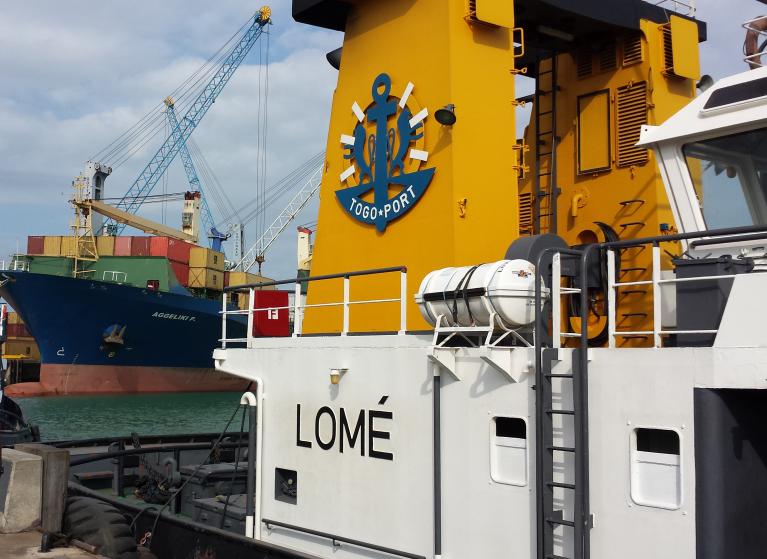
The scale this has already achieved is significant. The Port of Lomé moved 30.6
million metric tons in 2024, container throughput reached 2.06 million TEUs, up
8% year-on-year, and in March 2025 the port set a continental record with 123,000
container moves in a single month. Lloyd’s List ranked it 92nd worldwide in its
2025 index — the only Sub-Saharan African port in the global top 100.
Here’s an important explanatory point on the AES connection specifically. The
three AES members — Burkina Faso, Niger, and Mali — account for 92% of Lomé’s
transit volume, a threshold first crossed back in 2019. Togo’s advantage with
Sahelian transit traffic significantly predates the current political rupture and
isn’t purely a story about AES politics.
The Scandal: A Self-Inflicted Diagnosis
Here’s what separates Ghana’s story from a simple case of losing out to political
circumstances beyond its control. Analysts and industry groups alike describe
this less as AES actively choosing to punish Ghana, and more as years of Tema’s
own operational inefficiencies, higher costs, and systemic challenges eroding a
competitive advantage the port once held almost by default.
The smuggling warning is the scandal’s sharpest edge. FABAG warned explicitly
that rerouting cargo through neighboring ports “could create opportunities for
smuggling goods back into Ghana, leading to revenue leakages and
undermining established trade controls.” The cure for the immediate labor crisis,
if mishandled, risks creating a longer-term enforcement problem.
This connects to Ghana’s own broader smuggling concerns, already flagged by
the same association. FABAG has separately blamed high import duties for
driving a surge in illicit rice and sugar smuggling across Ghana’s borders,
creating unfair competition for businesses that comply with import duties and
trade regulations. The port crisis isn’t an isolated incident — it’s one symptom of
a wider pattern of regulatory and competitive strain.
The diagnosis is worth stating explicitly: this isn’t primarily a story about AES
rerouting trade away from Ghana through political choice. It’s a story about
Ghana’s own infrastructure and labor relations problems creating the opening
that a better-positioned, better-invested neighbor was ready to fill.
Prognosis: What Happens If This Goes Untreated
The stakes for Ghana’s broader economic ambitions are worth bringing in
directly. The country’s aspiration to build a “24-hour economy” — one designed to
operate around the clock to maximize productivity and attract investment —
depends on efficient ports as a foundational requirement, since seamless goods
movement is the linchpin of that entire vision.
There’s a compounding risk industry voices have flagged. Continued cargo
diversion threatens not just immediate revenue, but Ghana’s underlying
reputation as a reliable trade hub — a harder thing to rebuild than a single
strike settlement, since shippers and logistics firms that reroute once often
simply stay rerouted even after the original problem is fixed.
The transit trade dimension deserves specific mention. Transit trade with Burkina
Faso, Mali, and Niger has long been a critical revenue source for Ghana, and
industry analysis has warned that Togo’s stronger positioning with AES
specifically could shift this trade away from Ghana entirely, not just temporarily.
Close: Diagnosis, Not Destiny
None of what’s happening to Ghana’s port competitiveness is irreversible. Labor
disputes can be resolved, tariffs can be revisited, infrastructure can be
modernized. But the diagnosis matters, because treating this purely as an
external political problem caused by AES’s choices would mean missing the
actual, addressable causes sitting inside Ghana’s own ports.
Lomé’s rise happened for reasons that predate and outlast any single political
rupture. Even if AES and ECOWAS eventually reconcile, the competitive ground
that’s shifted during this period may not simply shift back.