

● Ghana’s cedi and Nigeria’s naira volatility complicate ECOWAS
cross-border pricing and trade settlement. (2022–2023)
Any cross-border trader working between Ghana and Nigeria in 2022–2023
needed one basic thing to do business: a currency conversion they could trust to
hold steady between the day they priced a shipment and the day they got paid
for it.
This is a ledger of what happened when both currencies on either side of that
transaction collapsed at nearly the same time, and what that did to the actual
mechanics of cross-border settlement.
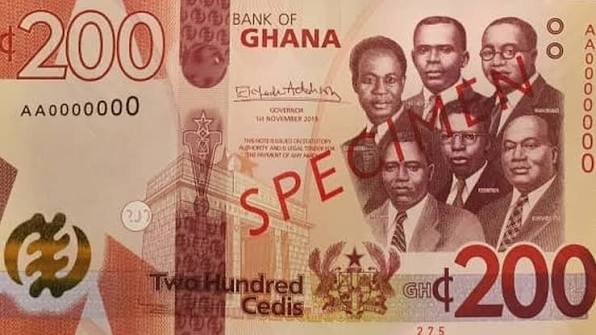
Entry One: Debit — The Cedi’s Collapse
The numbers here are stark. In 2022 alone, Ghana’s cedi depreciated by nearly
54% against the US dollar, becoming, at one point, the world’s single
worst-performing currency out of 148 tracked by Bloomberg — worse even than
the Sri Lankan rupee, which was in the middle of a full economic collapse.
What actually drove this is worth explaining plainly. Ghana’s gross international
reserves fell from $10.7 billion to $6.6 billion in a single year, shrinking import
cover from nearly five months to under three, while foreign investor holdings in
Ghanaian government bonds dropped to their lowest level ever recorded.
The consequence followed directly. Ghana defaulted on its sovereign debt in
December 2022 and entered formal negotiations with the IMF for a $3 billion
extended credit facility. For any Nigerian exporter pricing goods in cedis, this
meant the currency they were being paid in was actively losing value while they
waited to be paid.
Entry Two: Debit — The Naira’s Slide
The parallel numbers on Nigeria’s side tell a similar story. In October 2022,
Nigeria’s official exchange rate sat around 430 naira to the dollar. By 2024, the
market rate had climbed past 1,700 naira to the dollar — nearly a fourfold
devaluation in under two years.
It’s worth explaining why this specific period was so chaotic, not just weak. Unlike
a currency that simply weakens steadily, Nigeria’s naira during this window
traded under multiple, simultaneously operating exchange rates — an official
rate, an “investors and exporters” window rate, and a black market rate — each
telling a trader a different price for the same transaction on the same day.
This mattered specifically for cross-border settlement. A Ghanaian importer
agreeing a price with a Nigerian supplier had no single, reliable naira-to-cedi
rate to actually calculate that price against, since the “correct” exchange rate
depended entirely on which of several official channels either party could
actually access.
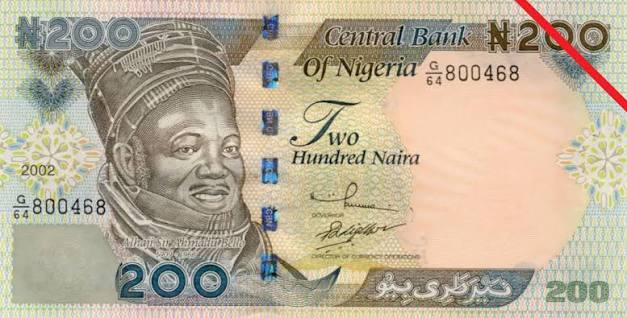
The Scandal: Cooking the Books
Here’s what explains why Nigeria’s multiple exchange rate system existed in the
first place, and why it eventually collapsed under scrutiny. Under then-Central
Bank of Nigeria Governor Godwin Emefiele, Nigeria operated a system of multiple
official exchange rate windows, creating a persistent, large gap between the
official rate and what the market actually needed to pay.
The mechanism of exploitation is worth explaining plainly, since it’s the
educational core of the scandal. That gap between official and market rates
created a lucrative arbitrage opportunity — anyone with privileged access to the
cheaper official rate could buy dollars low and resell them at the higher market
or black-market rate, pocketing the difference, a practice widely referred to in
Nigerian financial reporting as “round-tripping.”
The consequence for Emefiele himself was severe. He was removed from his
position in June 2023 and subsequently arrested and detained on
corruption-related charges, in a case that became one of the most high-profile
financial scandals in recent Nigerian central banking history.
Here’s the scandal’s core point for cross-border trade specifically. Ordinary
traders moving real goods across the Ghana-Nigeria corridor were operating in
a currency environment where insiders with privileged access to preferential
exchange rates could profit purely from arbitrage, while legitimate cross-border
businesses absorbed the actual volatility and uncertainty with no comparable
advantage.
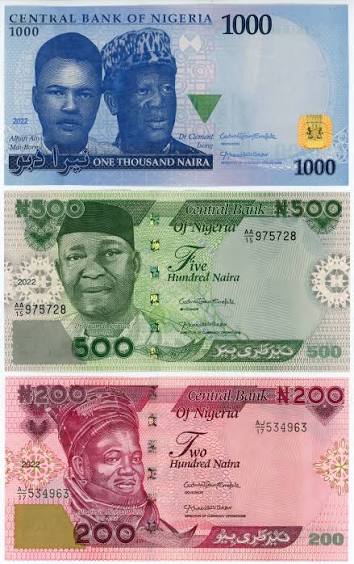
The Reconciliation Problem
Bring this back to the practical, ground-level mechanics of trade settlement. With
both the cedi and the naira collapsing simultaneously, and Nigeria’s own
exchange rate system internally inconsistent, cross-border traders faced a
genuine pricing problem — a shipment priced on the day of shipment could be
worth substantially less, in real terms, by the day payment was actually settled.
The practical workaround this produced is worth noting. Traders increasingly
priced transactions in US dollars rather than either local currency, or demanded
faster settlement terms specifically to reduce their exposure to currency
movement between agreement and payment — informal adaptations to a formal
system that had stopped providing reliable price stability.
This connects directly to the broader Eco currency ambition already covered
extensively elsewhere in this blog. This exact volatility is precisely the kind of
problem a genuinely functioning single regional currency is supposed to solve —
and precisely why, even amid all the institutional disputes over the Eco’s design,
the underlying economic case for it doesn’t actually disappear.
Close: Closing the Books
Two currencies, collapsing on two different timelines for two different reasons,
converged into a single period where cross-border trade between two of West
Africa’s largest economies became measurably harder to price, settle, and trust.
Currency volatility between the cedi and naira hasn’t gone away in the years
since. The black market cedi-to-naira exchange rate remains a live, closely
tracked figure years later, a sign that the reconciliation problem this period
exposed was never fully resolved.
This is the ledger entry that makes the entire Eco debate personal rather than
abstract. A currency union isn’t just an institutional milestone — it’s the difference
between a trader knowing what a transaction is actually worth and finding out
only after the money changes hands.