Here’s what you need to know:
● ECOWAS appointed General Birame Diop of Senegal, a retired air force
general and former defence minister, as President of the ECOWAS
Commission for 2026-2030, taking office September 1, 2026.
● Diop was the only candidate for the post and previously served as a UN
military adviser and Chief of Staff of Senegal’s armed forces.
● The same summit endorsed a sweeping new digital governance package —
cybersecurity coordination, data protection, and digital trade instruments
— expanding on rules first adopted in 2023.
● A smaller but telling detail: Nigeria requested an extra two weeks to resolve
an internal dispute over its own allocated Vice-President seat, even as the
summit’s headline appointments proceeded smoothly.
ECOWAS has spent the better part of three years condemning, sanctioning, and
threatening military governments across its own former membership. In July
2026, it appointed a career general to run its own executive commission.
This isn’t a story about impropriety — Diop was appointed through entirely
legitimate civilian channels — but it’s worth examining what the choice itself
signals, alongside the genuinely substantial digital governance agenda that got
less attention at the same summit.
Section One: Who Diop Actually Is
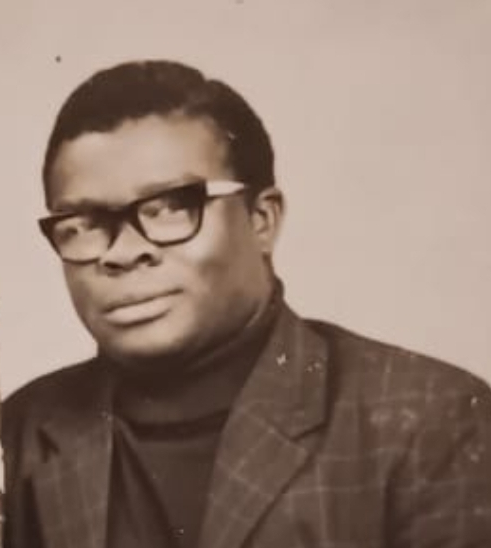
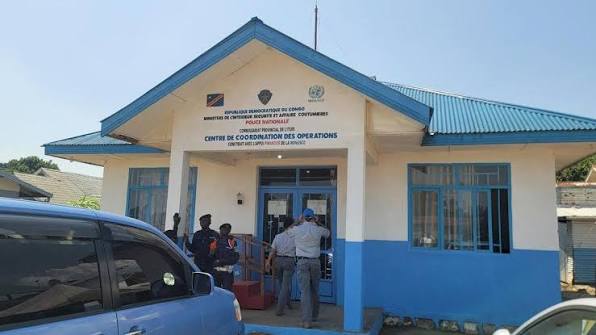
His career is worth laying out precisely. A retired two-star air force general, Diop
served as Senegal’s defence minister from 2024 until June 2026, previously
headed Senegal’s armed forces as Chief of Staff, and later became a military
adviser to the UN Department of Peace Operations — with earlier service in the
UN peacekeeping mission in Bunia, in eastern Democratic Republic of Congo.
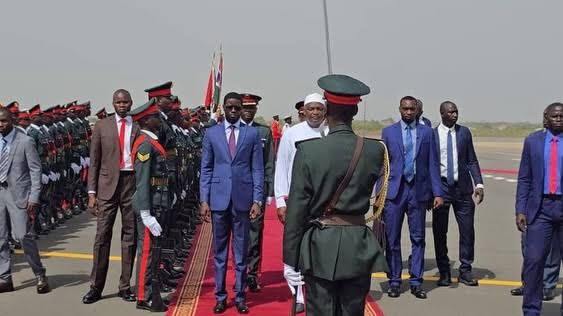
The process that led to his appointment matters for the “irony, not impropriety”
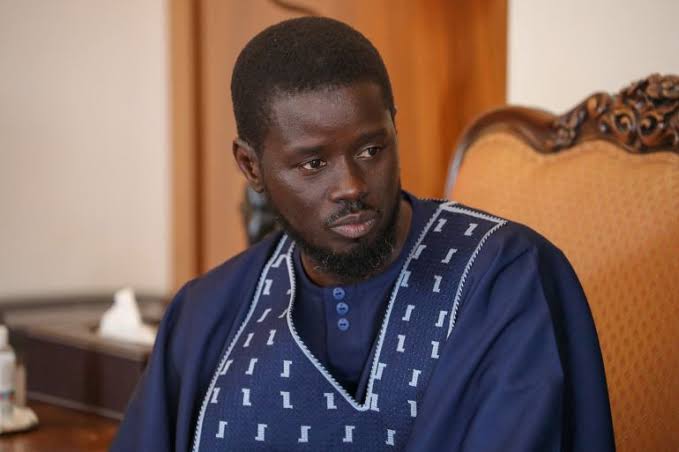
framing here. He was nominated by Senegal’s civilian president, Bassirou
Diomaye Faye, in May 2026, and confirmed as the only candidate for the post at
the July 2026 summit — a normal, uncontested institutional appointment, not a
seizure of power.
A West African diplomat cited in coverage of the appointment offered the
diplomatic rationale directly: “Birame Diop knows the inner workings of
international organisations very well. He served at the highest levels of the
Senegalese military. That will be useful, for example, in the fight against terrorism
and in coordinating policies.”
There’s practical logic behind choosing a security-focused figure for this specific
moment. ECOWAS’s most pressing current challenges — coordinating
counter-terrorism efforts, managing relations with the AES juntas, and
stabilizing a security crisis already extensively documented elsewhere in this
blog — are exactly the areas where military and defense experience offers
genuine relevant expertise.
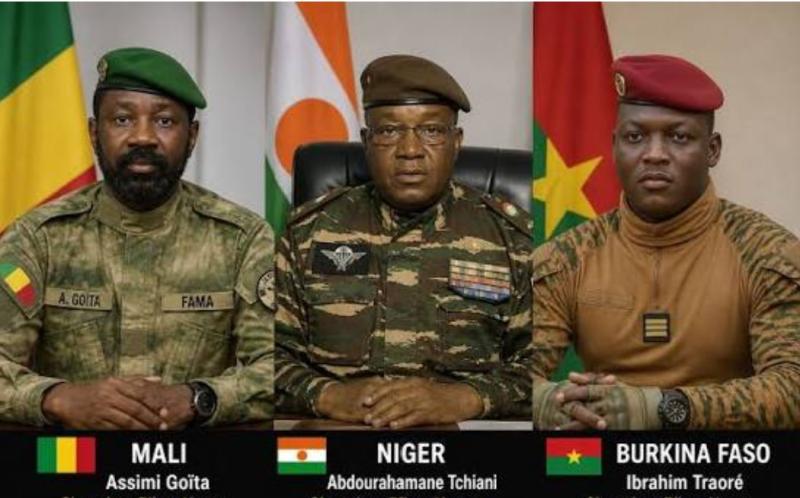
The Irony: The Anti-Coup Bloc’s New Top Administrator
Here’s the tension worth sitting with directly. This is an organization that
threatened military intervention against Niger’s junta in 2023, and, as
documented elsewhere in this blog, showed a striking loss of nerve enforcing
similar standards against Guinea-Bissau’s 2025 coup — now placing a former
general at the head of its executive commission.
This deserves fair framing, since it isn’t a scandal in the corruption sense. Diop’s
appointment through a civilian president’s nomination and a full heads-of-state
vote is categorically different from a coup. But the optics of ECOWAS’s civilian,
anti-military-rule institution choosing a general precisely when its core crisis
involves military governments is worth naming directly, not glossing over.
This creates real practical stakes. Diop will need to simultaneously project
ECOWAS’s commitment to civilian democratic governance while personally
embodying the kind of military background the AES juntas might read as more
relatable than threatening — a genuinely double-edged credential for the
specific negotiations ahead.
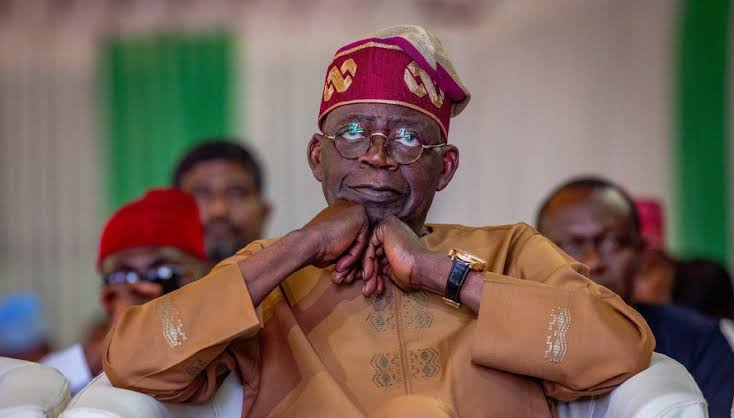
The Smaller Scandal: Nigeria’s Own Seat Dispute
Here’s a more conventional governance wrinkle worth including, since it shows
the summit wasn’t entirely as smooth as the headline appointments suggested.
The same 69th summit communiqué recorded that leaders “accepted Nigeria’s
request for an additional two weeks to resolve issues relating to the
Vice-President position allocated to the country.”
This detail matters, even though it sounds minor. ECOWAS positions are typically
allocated by national quota, meaning this wasn’t a dispute between countries —
it was Nigeria, Africa’s most populous nation and one of ECOWAS’s most
influential members, struggling to resolve an internal disagreement over who
among its own nominees should fill a seat the bloc had already set aside for it.
Even a summit built around celebrating new leadership and a reaffirmed 2027
currency target had to quietly work around one of its founding members’ own
internal political friction — a small, current reminder that ECOWAS’s unity
problems aren’t confined to its relationship with AES alone.
Section Two: The Digital Governance Package Nobody
Noticed
Pivot to the substantial policy agenda that got comparatively little attention next
to the leadership news. The same summit endorsed a sweeping set of new
regional instruments covering cybersecurity, data protection, digital
governance, electronic communications, and open data, alongside establishing
a new Regional Cybersecurity Coordination Mechanism.
It’s worth explaining what this actually builds on. This wasn’t ECOWAS’s first move
into this space — a foundational ECOWAS Directive on Cybersecurity and Critical
Information Infrastructure Protection had already been adopted back in
December 2023, meaning the 2026 package represents expansion and
reinforcement of an existing framework, not a first attempt.
This matters directly for the trade themes already central to this blog. A Revised
Supplementary Act on the Protection of Personal Data, paired with digital trade
governance instruments, is foundational infrastructure for the kind of digital
customs systems, electronic certificates of origin, and cross-border data-sharing
platforms already documented throughout this blog’s coverage of ECOWAS trade
modernization efforts.
The European Union’s stated interest in this cooperation shows the international
stakes involved. A European Union official described the cooperation as being
“not only about technical capacity” but about “protecting citizens, businesses,
and the democratic space,” with ECOWAS “leading by example” on the continent.
Close: Two Announcements, One Summit
A general now runs ECOWAS’s administrative machinery. A foundational digital
governance framework just got substantially expanded. A routine but real
internal seat dispute needed two extra weeks to resolve. Three genuinely different
stories from a single summit, none of them scandalous individually, but together
painting a picture of an institution simultaneously modernizing, adapting to its
security-first moment, and still working through its own internal frictions.
Whether Diop’s military background proves to be exactly the right credential for
negotiating with AES’s juntas, or an uncomfortable symbolic echo of the very
governments ECOWAS keeps struggling to hold accountable, will likely become
clearer as his term unfolds — this blog will keep watching.