
Here’s what you need to know:
● ECOWAS has directed the West African Monetary Agency (WAMA) and its
Commission to intensify coordination with central bank governors and
pursue international trademark protection for the name “Eco” ahead of the
currency’s 2027 launch.
● The bloc has already registered “ECO” as a trademark with the African
Intellectual Property Organization (OAPI) — an organization whose
membership is dominated by the same Francophone, CFA-franc-zone
countries whose 2019 currency rebrand already used that name.
● WAMA, the technical body coordinating this effort, has just eight central
bank members — meaning even the institution meant to unify all 15
ECOWAS states around the Eco was never built to include all of them in
the first place.
● This is a direct sequel to the 2019 “Eco hijacking” dispute already covered in
this blog: seven years later, ECOWAS is now trying to win the currency’s
name back through international trademark law.
ECOWAS is trying to secure international trademark rights to a currency name
that a rival institution has already been using, in practice, since 2019.
This is a legal case file examining exactly how ECOWAS is trying to reclaim
ownership of a single word, and why the body it’s using to do it — OAPI — makes
the whole effort more complicated than it first appears.
Section One: What WAMA Actually Is
The institution driving this coordination effort is worth introducing directly, since
most readers won’t know it. The West African Monetary Agency was established in
1996, evolving out of the West African Clearing House, which itself dated back to
1975 — making WAMA, in one form or another, almost as old as ECOWAS itself.
WAMA’s actual job is worth explaining plainly. It’s tasked with monitoring,
coordinating, and implementing the ECOWAS Monetary Cooperation Programme
specifically to hasten the creation of the single currency, alongside running the
region’s multilateral clearing and payments system.
Here’s a structural detail that complicates the “unifying” framing. WAMA currently
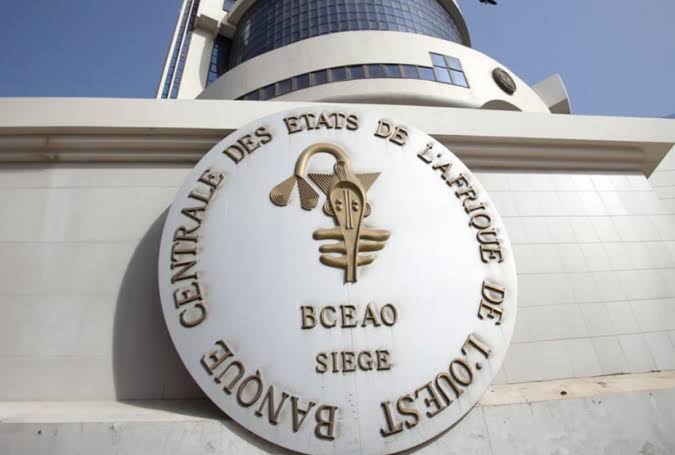
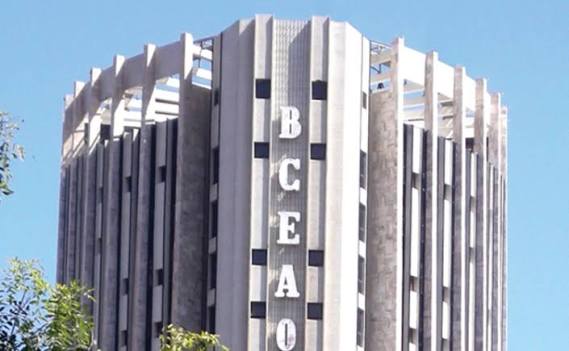
has only eight member central banks — BCEAO (the shared central bank for the
CFA franc zone’s WAEMU countries), plus the central banks of Cape Verde, The
Gambia, Ghana, Guinea, Liberia, Nigeria, and Sierra Leone. The very body meant
to coordinate a 15-country currency was structured around a narrower core from
the start.
It’s worth noting precisely who’s missing and why it matters. Mali, Burkina Faso,
and Niger’s central banking is folded into BCEAO’s shared structure rather than
represented individually — meaning even before their political withdrawal from
ECOWAS, their monetary voice already ran through the same shared
Francophone institution now central to the trademark irony explored next.
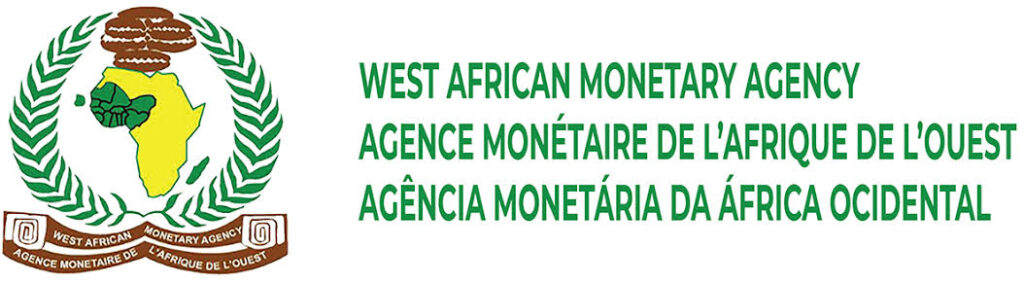
The Scandal: Filing for a Trademark Through
the House That Took the Name
Here’s the sharpest fact in this entire piece. At the July 2026 summit, ECOWAS
leaders welcomed the registration of the “ECO” trademark with the African
Intellectual Property Organization (OAPI) as “an important step towards realising
the project.”
It’s worth explaining precisely why this is such a striking choice of venue,
connecting directly to the 2019 dispute already covered in this blog. OAPI is the
intellectual property registry for Francophone Africa, with membership
dominated by the same CFA-franc-zone countries that, in December 2019,
rebranded their existing currency “Eco” — the exact naming dispute that sparked
formal rejection from Nigeria, Ghana, and four other anglophone nations.
The irony is explicit and precise. ECOWAS is now pursuing legal trademark
protection for its own currency name through the intellectual property body
most closely associated with the very countries whose earlier use of that same
name is the reason this whole dispute exists.
There’s a deeper point beneath the irony worth naming fairly. This isn’t
necessarily a mistake — OAPI may simply be the correct, functional registry for
this specific region regardless of the earlier naming dispute. But the optics of the
sequence are hard to ignore, and worth naming directly rather than letting the
“important step” framing go unexamined.
Section Two: What “Intensified Coordination”
Actually Means
At the same summit, leaders directed the Commission and WAMA to intensify
coordination with central bank governors specifically to “formulate consensus
proposals on the remaining issues” and to pursue the trademark’s registration
with “relevant” international bodies beyond OAPI.
This reveals something worth noting about the state of preparation heading
toward 2027. “Remaining issues” and “consensus proposals” being tasked to a
working body less than eighteen months before the planned launch suggests
genuine, unresolved technical disagreement still exists among the very central
bank governors who would need to actually run this currency.
This connects directly to the convergence criteria problem already extensively
documented elsewhere in this blog. WAMA’s coordination role exists precisely
because getting Cape Verde, Nigeria, Ghana, and the rest of the bloc’s central
banks to agree on shared monetary policy has been the central unresolved
technical challenge of this entire multi-decade project.
Close: A Name Worth Fighting For
Pursuing international trademark protection for “Eco” is, on its face, a sensible
defensive step. But doing so seven years after a rival institution effectively
claimed the name first, through the IP registry most closely tied to that rival
institution, captures something genuinely revealing about how tangled this
project’s history has become.
This is the third chapter in a currency-naming story this blog has now tracked
since 2019 — a name hijacked, a bloc reaffirming its claim to it, and now, in 2026, a
formal legal effort to make that claim stick, filed through the house of the very
institution that took it first.