

● Guinea approved to join the Eco Presidential Task Force, with a key
meeting set before ECOWAS’s December 2026 summit. (July 2026)
Guinea just got a seat on the committee steering West Africa’s future single
currency.
Within days, Guinea also became the first ECOWAS country to say it won’t be
using that currency at all.
This isn’t a country sitting out of the conversation. It’s a country sitting inside the
room where the decisions get made, while telling everyone at the table it’s
keeping its own money.
Guinea didn’t walk away from the Eco. It pulled up a chair, and then told the room
it wasn’t buying what they were selling.
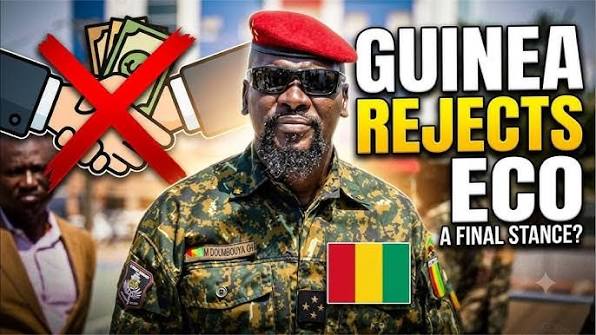
Here’s What Actually Happened
On July 19, 2026, ECOWAS’s 69th Ordinary Summit convened in Lungi, Sierra
Leone, bringing together the bloc’s twelve remaining member states — following
Mali, Burkina Faso, and Niger’s formal withdrawal from ECOWAS in January 2025.
Here’s what the summit actually approved regarding Guinea: leaders formally
approved Guinea’s request to join the Presidential Task Force overseeing the
ECOWAS Single Currency Programme, directing the Commission to convene a
task force meeting before the bloc’s December 2026 summit.
One small but genuinely telling detail is worth including here: Côte d’Ivoire’s
president is currently the only other sitting active member of that same task
force. Guinea’s addition significantly expands a body that had, in practice, nearly
gone dormant.
Here’s the myth-check. It’s worth being clear about what this Task Force actually
does, since the name can be misleading. It isn’t the currency’s future central bank
or its ultimate governing authority. It’s the political steering body of heads of
state responsible for pushing the project’s remaining technical and political
questions toward resolution before the December 2026 deadline.
The Twist: Guinea Says It’s Keeping Its Own Currency
Here’s where this story reframes everything above. Around the same period as
the summit, Guinea announced it will not adopt the eco when it launches,
choosing instead to retain the Guinean franc — becoming the first ECOWAS
member state to publicly opt out of the flagship currency project altogether.
The stated reasoning is worth taking seriously, because it’s a real economic
argument, not just posturing. Roughly 80% of Guinea’s exports go to Asia, and
economists covering the decision have noted that Conakry appears concerned
about losing independent monetary policy tools by tying its currency to a shared
regional peg designed primarily around trade patterns very different from its
own.
The sovereignty framing here matters directly for this blog’s central theme.
Reporting on the decision describes Guinea as viewing its own franc as part of its
sovereignty — even while agreeing to participate in the broader dialogue
shaping the regional currency’s future.
Here’s the irony worth sitting with, because it’s the real twist of this story: Guinea
now occupies a seat on the steering committee actively deciding the future
central bank, decision-making rules, and adoption sequencing of a currency it
has already said it won’t use.
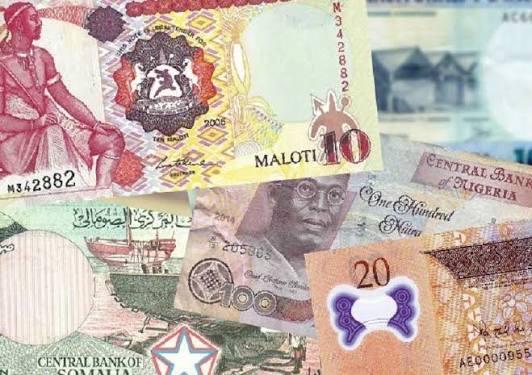
Why This Matters Beyond Guinea
The ripple effect here is worth explaining directly. Analysts covering the decision
have noted that Guinea’s public opt-out gives political cover to any other
ECOWAS member quietly having the same doubts. The eco has been delayed
repeatedly since it was first proposed, and skepticism among member states was
already deeply entrenched before this announcement.
This connects directly to the naming scandal already covered elsewhere in this
series. The eco has now survived a hijacked name in 2019, years of missed target
dates, and is heading into a December 2026 task force meeting that must resolve
who runs its future central bank and which countries adopt it first — all while one
of its own steering committee members has already said no.
The sovereignty point here is explicit, not implied. Guinea’s move demonstrates, in
real time, the exact tension at the heart of any shared currency project among
sovereign nations: pooling monetary policy requires giving something up, and
not every country is convinced the trade-off is worth it, whatever seat it holds at
the table.
Heading into December 2026, plenty remains unresolved. Leaders must still settle
the currency’s future central bank, its decision-making rules, and the identity and
sequencing of which countries actually adopt the eco first — questions Guinea
will now help decide, without planning to be bound by the answer itself.
The Myth vs. The Reality
| What people assume | What actually happened |
|---|---|
| Guinea joining the Task Force signals full commitment to the Eco project | Guinea joined the steering committee while simultaneously becoming the first country to publicly reject adopting the currency itself |
| The Eco’s main remaining obstacles are purely technical | Guinea’s stated reasoning centers explicitly on sovereignty and its Asia-oriented trade profile, not technical readiness |
| Guinea’s decision is a minor footnote to the broader Eco timeline | Its decision has already reshaped the political stakes of the December 2026 meeting for every other member state |
| Sitting on the Task Force means committing to use its outcome | Guinea holds a seat shaping the currency’s rules while explicitly opting out of using the currency itself |
Why This Still Matters
A currency project already scarred by a 2019 naming dispute now has one of its
own steering committee members publicly declining to use the product it’s
helping design — a genuinely new kind of obstacle for a project that has spent
nearly three decades collecting them.
Whether Guinea’s move becomes an isolated exception or the first domino in a
wider retreat from full participation will likely become clear at the December 2026
task force meeting Guinea itself just helped schedule.